Connect with us

Featured

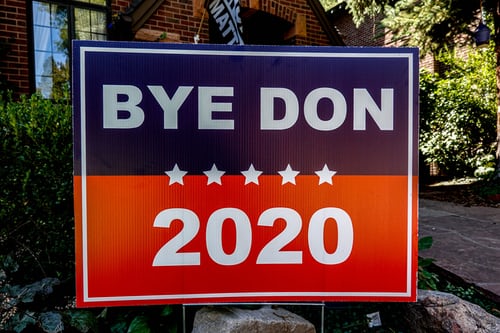
Election Tensions Escalate But Why Vote for Trump Over Biden?

Published

on

Biden

The US election will be upon us in one day’s time, Joe Biden currently leads but Trump still might win-why do they vote for him?

Two days to go. We might not hear about the result until three days after the election date on the 3rd of November, and it will be an anxious time.

Could there have been a more anticipated election in American history as there has been this current year of 2020? Quite possibly not. 67% of the total 2016 votes have already been cast by voters-eager to undo their previous non-vote regret, four years previous. 

So What Does 67% Having Already Voted Tell Us About The Scenario?

This could mean Biden’s voters have already been out and cast their vote-especially since he has been pushing the ‘vote early’ stance. However, on his part-he is pushing because it avoids the situation four years ago; of a lack of voters period. Since the Democrats do tend to see a younger demographic in general-many could have been working on the day of the election four years ago and failed to show. Subsequently, early voting takes care of this situation.

But will Biden see his current lead in the polls fall on voting day-similar to 2016 and Hillary? It is not far fetched to imagine Trump’s aged voters to wait until voting day comes. They are at least around (if they aren’t holed up in hospital-dealing with their president’s non-serious virus).

Then again, they may have posted their vote already-eager to beat the crowds and avoid the undoubted tension that is already building within New York-reports are saying.

Regardless, both sides will be voting early to avoid super spreader events-naturally. Perhaps this hangs heavier on the Democratic front. So, this may be a concern for Biden.

Republican Hijinks And The Last Ditch Attempt of The Trumpests

I think there is time yet so everyone should hold their breath, as they are so doing. Businesses within major cities across the country are boarding up for fear of riots. These riots could come from either side since the Trump corner have been trying to hijack the Democrat campaign agenda. Trump supporters surrounded a Biden campaign bus, slowing its descent towards a Biden demonstration within Texas.

In fact, the bus was slowed so much so: the event had to be cancelled. The Biden campaign trail even said the Trump supporters tried to run the bus off the road. It says it all. Whoever wins however, I think there will be fighting and angst from either side. The Trump brigade is feeling the pressure clearly. The Democrats had their shock four years ago and are keeping the lid on for fear of another four years. Yet, on the other hand, the Trumpests are going to let it rip if he doesn’t win-they are as fuelled as he is and the pressure is so clearly ON. Biden has been leading for weeks.

But someone hold the phone…Biden is not out of the woods yet. Trump is leading in Iowa in the latest polls, not by a grand margin but a margin at least. It was in Iowa the election largely swung four years ago.

Donald has been pulling all the tricks (including covid): he has been campaigning at rallies like a demon over these last few days and some reports suggest he is planning to call a victory before a victory is called. Donald must believe in the law of attraction because he told Piers Morgan over the phone:

“I’m going to win Piers, I’m going to win”

(Trump to Piers Morgan)

It has to be said-the man makes things happen with sheer arrogance alone. Biden is playing the trustworthy card, but Trump has never played that-yet why do so many people support him?

He holds rallies with no thought for the voters, who are undoubtedly putting themselves and their families in covid’s way. It is thought that Trump’s recent rallies have led to 300,000 covid infections. He supposedly contracts covid and then miraculously recovers to go on and host multiple rallies, when he was ‘supposedly’ recently lying in hospital. Trump has no boundaries, so why do people even trust him?

Have The Newly Demonised ‘Cancel Culturalists’ Spurned Their Own Anti-Christ?

Perhaps Donald Trump is an accumulation of all that is hated within the ‘cancel culture’ corner. Biden is definitely a voice of ‘what is deemed the right thing’, but the Right are steadily growing in their use of ‘cancel culture’ as a tool to fabricate their segregationist views upon. Nigel Farage even spoke recently at one of Trump’s rallies-making ‘his best voice heard’.

According to Nigel, Trump is:

“One of the bravest men I have ever met”

He doesn’t sound too brave saying it though. I think Trump stands for all those who have lost their compass in moral integrity-much like the entire Right family. Their views are becoming steadily more extreme and mainstream by day and born out of what-people seeking the ‘truth’? It is not ‘truth’ however to scream your separatist ideals to whatever group they infringe upon. Shouting loudly does not make it true, but they are increasingly appearing like a bunch of ‘named and shamed’ bullies turned anarchists.

Donald’s Rhetoric Appeals To Those Seeking ‘The Truth’

Not one to sell ice cream and bake cookies, I’ve never been fond of the ‘goodie two shoes’ and Biden does drink from that cup. But I can’t endorse a mad man, and Biden speaks sense and is decent. However, which way will the pendulum swing for Americans out there? Because for some Americans-Donald Trump does speak ‘the truth’. He certainly speaks his mind and there isn’t a whole lot hidden about his agenda really and that is really appealing for people.

Two Trump rally attendees actually recently quoted to a reporter that they had been ‘converted’. They:

 ‘see the truth now’

That is probably the single most significant reason Donald Trump finds himself in the Whitehouse. Biden is the opposite to this-a man of faith, good manners and strong causes. Perhaps Biden’s best line of defence was to actually work on showing his flaws, as well as his endeavours. 

Until the fat lady sings-let’s hope pragmatism wins reign. 

Continue Reading
Click to comment

Leave a Reply

Your email address will not be published. Required fields are marked *

Featured

Gaza’s Broken Daily Life: Weddings, Tents and Hospitals Under Fire and Siege

Published

on

Gazas-Broken-Daily-Life-Weddings-Tents-and-Hospitals-Under-Fire-and-Siege

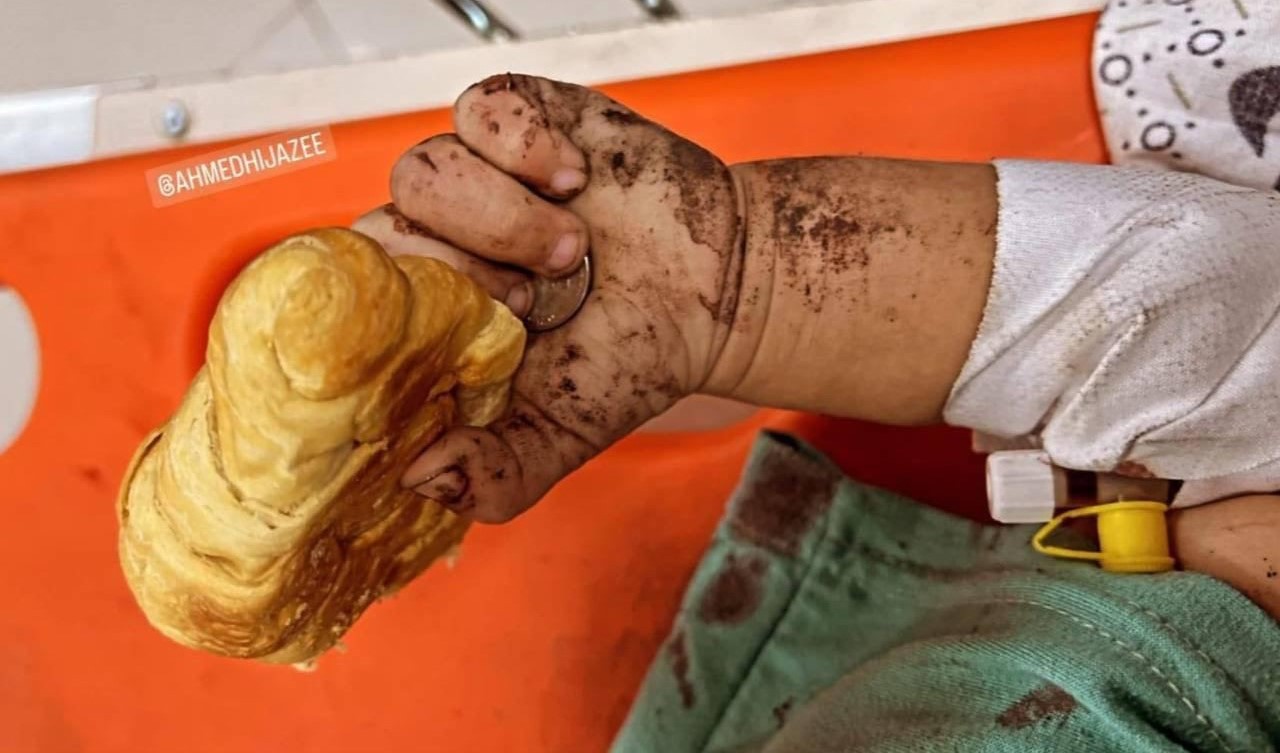
Gaza’s heinous genocide is no longer confined to moments of direct attack. It is now visible in the complete breakdown of daily life itself. Families are still being butchered vehemently in places where they had sought shelter. To worsen these matters, shortages of fuel, engine oil, gas, and spare parts are crippling hospitals, bakeries, rescue vehicles, water systems, and ordinary transport.

A Tent Camp Hit in Gaza City

On June 6, despite the so-called “ceasefire,” an Israeli air attack hit a tent camp in Gaza City where displaced Palestinians were sheltering. Resultantly, at least seven people were killed, while at least 15 others were injured, many of them treated in intensive care. Women and children were believed to be among the casualties. The strike hit a United Nations school compound that had become a shelter for displaced families.

These were displaced people already living with the consequences of bombardment, evacuation, and loss. A tent camp is meant to be a temporary refuge for families with nowhere else to go. When such a place is hit, it deepens the fear that no civilian space is beyond danger.

A Wedding Turned Into Mourning

Moreover, the Gaza City strike by Israel targeted a tent next to another tent where a wedding appeared to be taking place. Unfortunately, earlier the same day, a strike in Khan Younis killed a man who was scheduled to be married later that day. His cousin said the family had prepared for the wedding but was instead attending his funeral.

This detail shows how deeply the genocide has entered private life. A wedding in Gaza is not just a celebration but an attempt to preserve social life despite displacement, hunger, and fear. When a groom is killed on the day of his wedding, even brief moments of normality remain exposed to violence.

The Ceasefire Gap

The attacks came amid discussions over the Gaza ceasefire process. Specifically, Hamas was preparing for meetings in Egypt on the implementation of the ceasefire agreement, while several Israeli attacks across Gaza that day killed at least nine people. Gaza remains under Israeli military control, and the second phase of the agreement has been stalled for months.

For people, the real meaning of a ceasefire depends on whether people can sleep safely, gather without fear, reach hospitals, and rebuild some predictable rhythm of life. If strikes continue and basic services keep failing, the gap between imaginative political claims and reality remains painfully wide.

The Shortages Freezing Daily Life

Alongside these unprovoked attacks, Gaza is facing another severe pressure due to a shortage of gas, engine oil, and spare parts. Undoubtedly, these shortages are affecting emergency services, bakeries, water supplies, and hospitals. Items that may sound technical outside Gaza now decide whether a generator runs, a vehicle moves, bread is baked, and whether water can be pumped.

These shortages are damaging daily life in connected ways:

  • Hospitals need generators and spare parts to keep operating rooms functioning
  • Bakeries need power and maintenance materials to continue producing bread
  • Water systems need energy supplies, chemicals and parts to keep desalination and pumping services running.

Hospitals and Rescue Services Under Pressure

Hospitals have been among the most vulnerable since October 2023. Al-Aqsa Martyrs Hospital in central Gaza warned of an imminent health disaster after extreme power failures affected surgical operating rooms. Moreover, all of its generators have stopped working while summer heat is expected to place more pressure on the remaining equipment.

This is not a minor operational issue as Gaza’s remaining hospitals are already treating genocidal injuries, malnutrition, infections and chronic illness in overcrowded conditions. If generators fail, surgical care, emergency treatment, refrigeration, lighting, and essential equipment are all affected. Gaza’s authorities have also warned that fire and rescue operations risk coming to a halt as vehicles break down due to shortages of spare parts, fuel and engine oil.

Bread, Water and Survival

Food and water systems are also largely affected. Bakeries depend on fuel, generators, and maintenance materials, while water systems need energy supplies, chemicals, and spare parts. UNICEF data showed that seawater desalination output had fallen to about 16,000 cubic metres per day, compared with 20,000 in March, due to the restrictions on essential supplies. In a densely displaced population, any reduction in water production quickly becomes a public health concern.

This is why Gaza’s broken daily life must be understood as a connected genocidal crisis. The strike on a tent camp, the killing of a groom, the failure of hospital generators, the collapse of rescue vehicles and the shortage of water-production supplies are not separate stories. Together, they show how civilian life is being attacked directly and indirectly at the same time.

In a nutshell, until these conditions change, daily life in Gaza will remain trapped between immediate violence and the gradual destruction of everything needed to survive.

Continue Reading

Featured

Gaza’s Water Crisis: When Thirst Becomes a Weapon of War

Published

on

Gazas-Water-Crisis

In Gaza, water is no longer something families can expect to find when they need it. It has become a daily search, a health risk, and a painful measure of how deeply daily life has collapsed. For thousands of displaced families, the day begins with containers, queues, extreme uncertainty, and the fear that even the little water they manage to collect may not be enough for drinking, cooking, washing, or protecting children from deadly diseases.

This is not a normal shortage caused by dry weather or poor planning. Gaza’s water crisis is part of the genocide stretched far beyond its limits.

“Water is life and the right to life is a basic human right.”

When water systems fail, the impact is immediate and personal. A family cannot cook properly; a mother cannot keep her child clean, and a wounded person cannot wash safely. Thirst becomes only one part of a much wider and often unseen disaster.

Gaza’s Children Are Living With Daily Water Uncertainty

UNICEF’s latest Water, Sanitation and Hygiene report paints a devastating picture. It highlights that 1.1 million children in Gaza face daily water uncertainty, while 82% of families remain water insecure. Even more alarming, up to 70% of people are unable to collect the minimum six litres per person per day needed only for drinking and cooking. UNICEF and partners are still trying to support emergency water services through trucked water, desalination, wells, and limited network supply, but access and operating conditions remain highly restricted.

Six litres is an extremely small amount when seen against real family needs. It may help someone survive the day, but it does not allow a household to live with dignity. Families need water for hygiene, laundry, cleaning shelters, caring for infants, supporting the elderly, preparing food safely, and preventing disease. In Gaza, these normal needs have become difficult choices.

More specifically, children suffer first in such conditions. They are more vulnerable to dehydration, diarrhoeal disease, skin infections, and the emotional stress of living in dirty, overcrowded spaces. Many have already lost homes, schools, routines, and safety. Now even the simplest comfort, a clean drink of water, is uncertain.

The Collapse of Water Systems Is Deepening the Genocide

Gaza’s water emergency is not only about empty containers. It is a deliberate genocidal strategy by Israel. Water primarily depends on pumps, wells, desalination plants, pipes, electricity, fuel, chemicals, spare parts, engineers, drivers, and safe roads. Most of these parts have either been destroyed or entirely blocked by Israel.

In another report, UNICEF states that seawater desalination output fell from 20,000 cubic metres per day in March to 16,000 cubic metres per day because of shortages of chemicals and spare parts. It also says shortages of engine oil, lubricating oil, and other essential items are disrupting water production and related services.

The Al Mansoura filling point shows how fragile the system has become. Water-trucking operations there were suspended after two UNICEF-contracted truck drivers were killed in April. UNICEF says the site had been critical for the daily drinking-water access of 285,000 people, and partners are now trucking water from desalination plants at an additional cost of about $40,000 per day to replace the two million litres previously collected from that point.

Sanitation Failure Turns Thirst Into Disease

When clean water disappears, sanitation collapses simultaneously. Gaza’s overcrowded displacement sites are already under severe pressure, and the lack of proper water makes hygiene almost impossible. Waste accumulates, pests spread, and families are forced to live in conditions where preventable diseases can move quickly.

OCHA’s latest humanitarian report warned that health risks from pests and rodents remain high because access to landfills is restricted and essential sanitation items remain difficult to bring in. It also highlighted UNICEF’s warning that water shortages are forcing families into a daily trade-off between drinking, hygiene, and disease prevention.

This is where the crisis becomes especially cruel. A family may know what it needs to do to stay healthy, but knowledge is not enough when there is no water, no soap, no proper waste collection, and no safe place to live. Parents are not failing their children, but the conditions around them are failing every basic standard of human protection.

Aid Is Shrinking While Needs Keep Growing

The emergency response is also under serious strain due to Israel’s complete blockade of all borders, especially the Rafah border. OCHA reports that since mid-May, four partners have been forced to start phasing out water-trucking activities because of funding shortages. Some have already stopped, while others are expected to complete the phase-out by mid-June. As a result, more than 330,000 people across around 250 sites risk losing their primary drinking-water source.

For people outside Gaza, this may sound like a usual problem, but for a displaced family, it means tomorrow’s water may not arrive. In a place where markets are broken, movement is dangerous, and public services are shattered, losing a water-trucking route can immediately push families toward death.

Thirst as a Test of the World’s Conscience

Water is one of the clearest measures of human dignity. Without it, people cannot remain healthy, clean, or safe. In Gaza, the water crisis shows how genocide destroyed life even beyond the moment of Israel’s attacks. It continues through damaged pipes, stalled pumps, empty tanks, contaminated surroundings, and children growing up around scarcity.

The world should not wait until disease spreads further or water systems break beyond repair. Gaza needs safe humanitarian access, fuel, spare parts, treatment chemicals, protected workers, restored sanitation services, and sustained funding for emergency water delivery. Most of all, people need protection from the conditions that are turning basic survival into a daily struggle.
Continue Reading

Featured

Gaza Flotilla Activists Face Extreme Israeli Abuse as the World Watches the Blockade’s Brutality

Published

on

Credit-Courtesy-Gulcin-Bekar

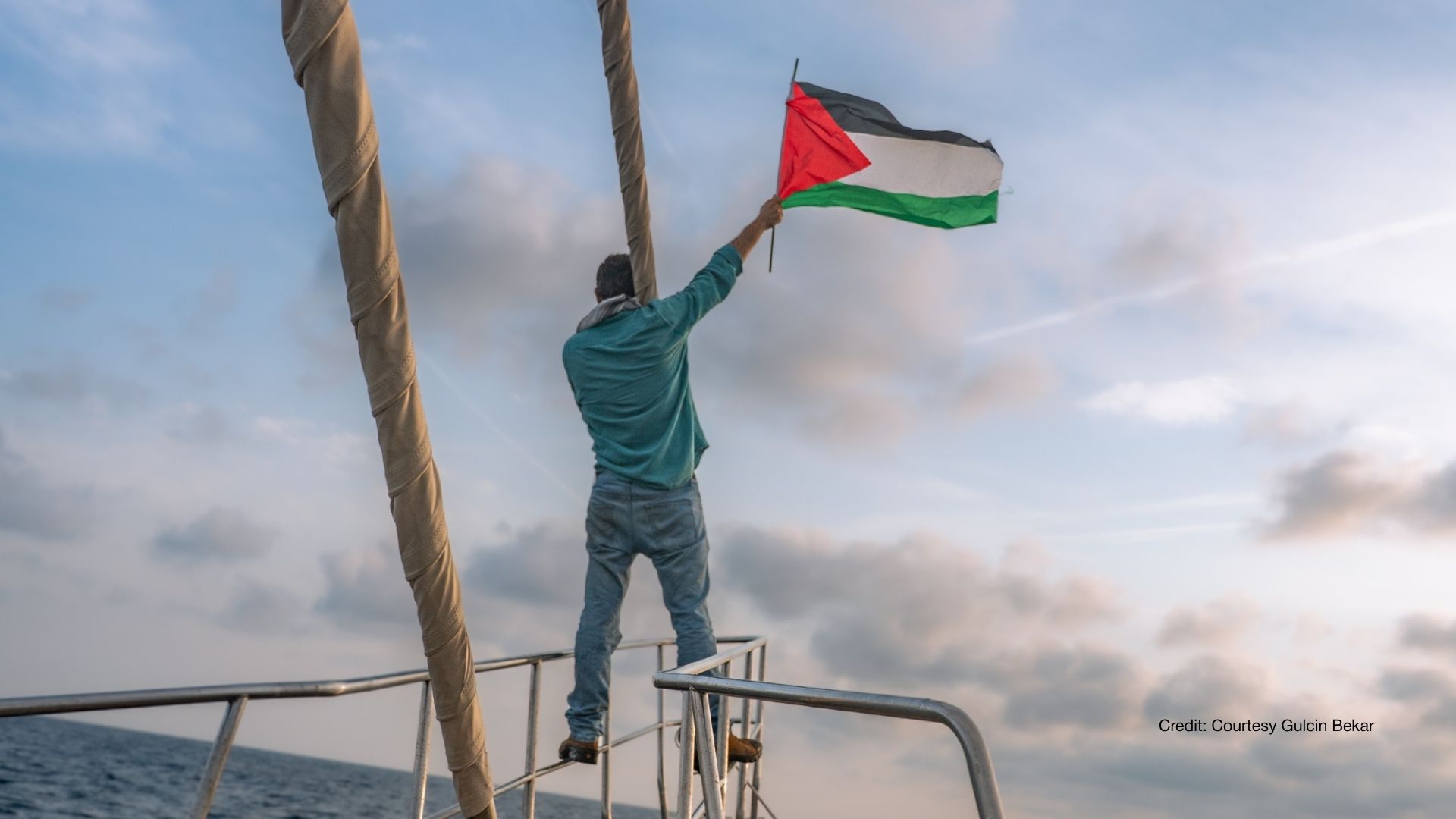
The Global Sumud Flotilla, which was made up of 40 vessels, tried to sail towards Gaza with much-needed humanitarian aid and a direct challenge to Israel’s blockade. Unfortunately, Israeli forces intercepted the boats in international waters and detained around 430 activists.

It is not a story of a blocked aid mission but a collection of facts revolving around intense abuse, humiliation, anger, and a brutal reminder of what Gaza’s blockade really means. For the people of Gaza, the flotilla is a symbol of hope, but for Israel, it is being perceived as a threat to its heinous genocidal mission.

A Hope Against the Siege

For decades, Gaza’s people have lived under an intense blockade that restricts movement, controls access to goods, separates families, and turns humanitarian relief into a political bargaining tool. Since Israel’s genocide in Gaza intensified, the siege has become even deadlier.

Hunger, destroyed hospitals, mass displacement, disease, and extreme shortages of fuel and medicine now shape daily life. This is why flotilla mattered, but the question that the world is asking is legitimate: Why should food, medicine, and solidarity be treated as crimes?

The flotilla, as a hope for the people of Gaza, who are suffering from famine and diseases, was intercepted by Israel about 250 miles or roughly 400 km off Gaza’s coast. These aid vessels were still far from Gaza when Israeli forces illegally captured them from international waters.

Analysts are highlighting that these flotilla activists, who volunteered from more than 40 countries, were not entering an Israeli city or attacking any military base. In fact, they were sailing through open waters to help innocent people who were dying of extreme hunger and bombardment.

Extreme Abuse by Israel

After the release of some of the detainees, they described inhumane treatment that had never been imagined before. South African activists highlighted that they were electrically shocked, denied water, food, and toilets, and were kept in abysmal conditions.

Moreover, most of the activists said that they were sexually assaulted in a very harsh manner. Some other activists also reported extreme beating and humiliation. For example, 15 cases of sexual assault, including rape, have been reported during May 2026.

Ben-Gvir Turned Humiliation into Spectacle

The most shameful moment came from Israeli minister Itamar Ben-Gvir. Even the government of France banned him from entering French territory after he taunted zip-tied detainees and waved an Israeli flag over them. France’s foreign minister called his actions “unspeakable,” and Poland also imposed a five-year ban.

He also shared footage of restrained activists, triggering international outrage and calls for broader European sanctions.

This was not hidden mistreatment accidentally exposed. It was deliberately performed, and the minister chose to stand over bound detainees and turn their humiliation into a political message.

When a genocidal state official proudly films powerless detainees, cruelty is no longer a secret, but a policy theatre.

Airport Violence Added Another Layer

It did not end with unlawful detention and punishment, as another episode of extreme humiliation was shown at the airport. At the Bilbao Airport, after some activists returned from Israeli detention, police harshly beat them. Videos showed some police officers brutally beating and dragging humanitarian activists.

This was just a glimpse of how Israel treats people who come to help humanity. They were maltreated in such an inhumane way to make them an example for the world. Anyone who comes to Gaza to help people will either be killed or detained in death-like prisons.

In this scenario, words are not enough as Palestinians remain heavily trapped, and those trying to reach them are harshly beaten, detained, deported, or killed. Condemnation must turn into legal action, sanctions, arms restrictions, diplomatic costs, and pressure to end the genocide.

The World Saw the Blockade’s Face

Israel may deny everything, but the world knows about its genocidal policies far better than ever before. It may deport activists and call the flotilla a provocation, but this episode revealed something the world should not unsee.

Even some activists from Brazil and Spain are still detained by Israel, and they are being punished in unprecedented ways. In this regard, Amnesty International also reported several injuries to these flotilla activists during detention.

After observing all this, one thing is certain: Israel is trying to eliminate Palestine from the world map and make every effort to stop necessary aid from reaching Gaza. Nobody can imagine the instances of cruelty by Israel in the 21st century. Even the International Court of Justice has urged this prolonged genocide to be stopped as soon as possible; otherwise, life in Gaza is under extreme threat.

Gaza’s isolation is being enforced with extreme cruelty. This time, the world did not have to imagine it. It is already watching!

Continue Reading
Advertisement

Trending