The olive harvest in Palestine should be a season of family gatherings, agricultural work, and celebration. Instead, farmers in the occupied West Bank are increasingly finding themselves surrounded by armed Israeli settlers, watching their olive trees burn while struggling to protect the land their families have cultivated for generations.
Specifically, on October 16, around 80 Israeli settlers descended on olive groves near Abu Falah, northeast of Ramallah. They brutally attacked innocent Palestinian harvesters with stones and set trees ablaze. Incidents like these expose a disturbing reality in which Palestinian farmers risk serious injuries simply by attempting to harvest their crops on their legitimate land.
A Harvest Season Marked by Israeli Settler Violence
The attack in Abu Falah was part of a much wider escalation across the occupied West Bank. Even an Israeli human rights organisation, Yesh Din, recorded at least 170 settler attacks between September 27 and October 16, coinciding with the beginning of the annual olive harvest.
On October 16 alone, numerous credible sources documented attacks across at least eight Palestinian villages, where settlers assaulted residents, burned vehicles and targeted olive trees.
This violence also follows an exceptionally destructive harvest season in 2025. According to the UN Office for the Coordination of Humanitarian Affairs (OCHA), Israeli settlers carried out 178 olive-harvest-related attacks during October and November, affecting 88 Palestinian communities. Additionally, more than 6,000 trees and saplings were vandalized, nearly twice the number damaged during the previous year.
For Palestinian farmers, these attacks create difficulties extending beyond immediate physical injuries. Families frequently lose access to their groves during the limited harvesting period, while damaged equipment, stolen crops, and the fear of renewed violence threaten their seasonal earnings.
Why Olive Trees Matter So Deeply to Palestine
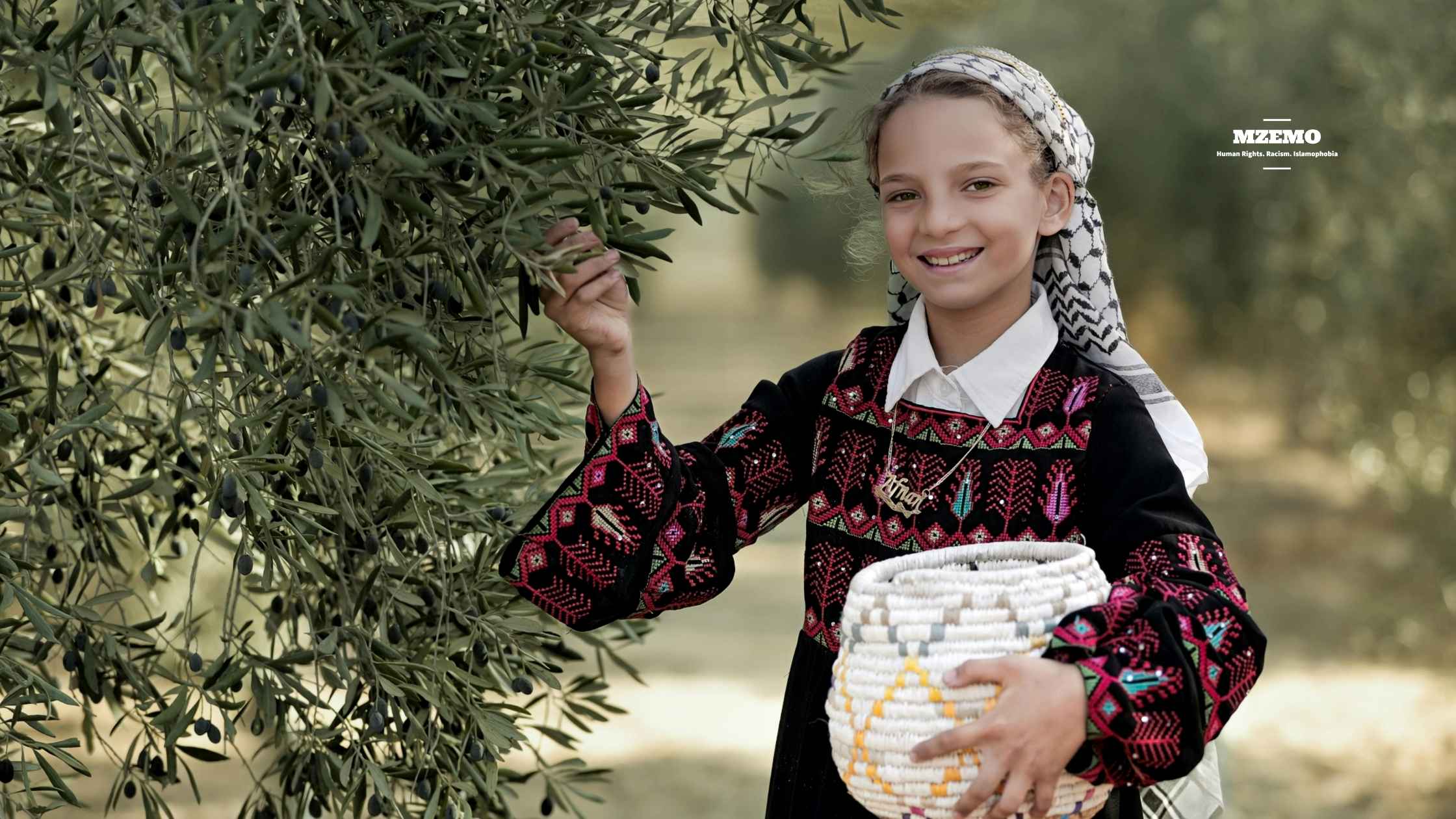
Olive cultivation has sustained Palestinian communities for centuries, providing food, employment, and income. It also preserves strong connections between families and their ancestral land.
According to credible figures, approximately 110,000 Palestinian families depend on privately owned olive groves, while many others earn seasonal wages from harvesting, transporting olives, and producing olive oil.
Since a mature olive tree can remain productive for generations, its destruction is evidently disastrous. Replacing one requires years of cultivation, while families who lose their harvest may struggle to meet everyday expenses long before newly planted trees become productive.
Moreover, the economic damage also extends into rural communities, affecting olive presses, local traders and workers who depend on the short but essential harvesting season.
How Illegal Israeli Settlements Are Cutting Farmers Off From Their Land
Burning trees is apparently the only way Palestinian agriculture is being undermined. Across the occupied West Bank, expanding illegal Israeli settlements, military restrictions and settler intimidation increasingly prevent farmers from reaching their own properties.
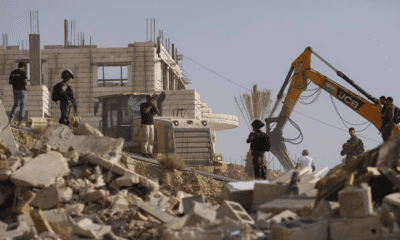
A recently published OCHA report documented a situation in Beit Ula, northwest of Hebron, where the illegal establishment of an Israeli settlement outpost has severely restricted access to approximately 1,500 dunums of agricultural land. Around half of this area is planted with olive trees.
Looking back, in January 2026, an Israeli military order also designated roughly 1,300 dunums in the area as a closed military zone for one year. Local farmers highlighted repeated intimidation and restrictions that prevented them from cultivating and even reaching their land.
Such conditions gradually destroy agricultural livelihoods even when trees remain standing. Without reliable access, farmers cannot prune branches, maintain irrigation systems, or collect ripe olives, leaving valuable groves neglected and families without dependable income.
Eventually, the combination of illegal settler violence and settlement expansion has therefore become a serious threat to the continued presence of Palestinian farming communities.
Gaza’s Destroyed Olive Groves Reveal Another Devastating Loss
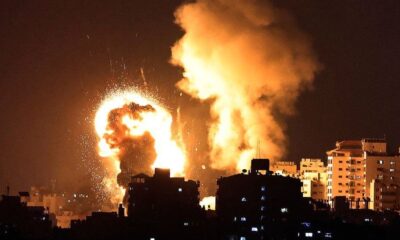
The destruction of Palestinian agriculture is not confined to the West Bank. In Gaza, Israel’s genocide has devastated agricultural land, destroyed orchards and placed large areas beyond the reach of surviving farmers.
A Reuters investigation revealed that, according to Gaza’s agricultural authorities, only approximately 150,000 of the territory’s original two million olive trees remain.
The expected olive harvest has collapsed from around 40,000 tonnes to just 5,000 tonnes, while olive-oil production has sharply fallen from approximately 5,000 tonnes to 700 tonnes.
Moreover, the number of operational olive presses has also declined from roughly 40 to seven, leaving agricultural workers without employment and contributing to olive-oil prices tripling.
China Warns Israel as Illegal Settlement Expansion Continues
The growing international concern over Israel’s illegal settlement policies received renewed attention during this month, when Chinese Foreign Minister Wang Yi called on Israel to stop and reverse its establishment of illegal settlements in the occupied West Bank.
In fact, the warning reinforces an established legal position. In its July 2024 advisory opinion, the International Court of Justice concluded that Israel’s continued presence in the occupied Palestinian territory is unlawful and that it must immediately cease new settlement activities.
In a nutshell, the attacks on Palestinian olive farmers are destroying more than agricultural property. They are weakening an essential rural economy while making it increasingly difficult for families to remain on land they have cultivated for generations.
From Abu Falah’s burning groves to Gaza’s devastated orchards, the consequences extend far beyond one harvest season. Every mature tree destroyed represents lost income, years of agricultural work and an uncertain future for the families who depended on it.
Protecting Palestine’s olive harvest requires protecting the people who cultivate it and their right to remain on their land. Without that protection, the damage and genocidal activities will continue long after this year’s olives have fallen.