This might offend some of you, but first, hear me out…
I actually got distracted by the beauty of recitation. Initially, I tried listening to “Focus music” while working because I was getting distracted by my dearest family members. Even though I have a home-office kind of space, it doesn’t work that way when you are from an Asian family. They somehow invade your personal space, and if you are like me who has no time to argue with them, you’ll try to cut noises, at least with “Focus music.”
I did play “Focus music,” and it worked. However, when I was brainstorming ideas, I came across an incredible website called “The Noble Quran.” I was surprised to see such a wonderful website that includes translations and tafsir too. They offer the services in several languages, and it’s a super cool element. You wouldn’t find tafsir for every verse, but they have it for most verses. Moreover, the recitation is too beautiful and makes you forget everything else.
So when I played the surahs, the exact thing happened. I couldn’t focus on typing out the blog. Instead, I was engaged in the recitation. It was so peaceful, and I felt relaxed instantly. There was a sudden change in my mood –for good!
Unfortunately, I couldn’t continue listening to recitation while working because I lost focus. So I stopped doing it, but I picked up another better habit. Instead of just listening to the Quran, I planned to memorize it.
How do I memorize the Quran with the help of this site?
Although I’m using the site, you could consider their app. You can download the app to your iPhone or Android. It is user-friendly and effortless to navigate, so you will not feel annoyed or irritated. On top of all, it is ad-free, so they are not going to wipe ads on your face.
The interest or idea to memorize the Quran didn’t strike suddenly; instead, this tweet inspired me. It says how we’ve been repeating the same surahs in our prayers for over 18+ years, and shouldn’t we try to memorize more Surah. He was trying to convey the message about accountability and trying a little bit harder to engage in deen over Dunya.
However, one must understand that even if you are reciting a single Surah, it is still okay. It doesn’t matter as long you do it with piety and for the love of Allah (SWT). We, humans, are not worthy of judging others. But trying to increase your good deeds is definitely appreciable.
Anyway, his tweet inspired me to try because I reckon I’ve not tried to memorize a surah before, and it was the same surahs that I recited in prayers. I started with Surah Mulk as I already know most of its verses. I’ve got the habit of reciting Surah Mulk every night, so eventually, I’ve memorized most of its verses.
I played the Surah on this site while reciting it to clear the setbacks in Tajweed. Another great feature is that you can recite with Tajweed, so if you don’t know Thajweed already, this might come in handy. You can replay the same verse over and over, so memorizing becomes effortless. It will take time if you are like me, who can hardly memorize, but I’m sure Allah (SWT) sees what we are trying to do. He’ll help us quicken the procedure and bless us to do better.
Why Should We Recite Quran?
There are plenty of reasons why we should recite the Quran but let me quote something invaluable:
“Verily with the remembrance of Allah, do heart find peace” Quran (13:28)
In a world where we’ve lost peace and calmness, reciting the Quran can become our solace. In Sri Lanka, it’s not easy to lead a life as a Muslim. It once was a beautiful country, but not anymore. So in these tough times, maybe the Quran could offer peace and heal your pain.
Apart from emotional benefits, it’s one of the best ways to earn merits. You are not rewarded for a word rather for a letter. The more you recite, the more you are rewarded, and I can assure you that you will feel better when you keep reciting.
I usually recite, but there was a time when I lost the habit of reciting, and it was tough to get back on track. I asked my mom for advice, and she told me to recite a page per day and see the miracle it does. Yes, it was shocking that I completed a juzu in a short time because after a week or two, I wanted to recite more than one page.
Picking up the habit to recite could be challenging if you have lost track or have not done it before but don’t get hard on yourself. Take it easy and take it slow; you will get there.
“Who is Allah? Allah – There is no deity except Him, the ever-living, the Sustainer of [all] existence. Neither drowsiness overtakes Him nor sleep. To Him belongs whatever is in the heavens, and whatever is on the earth. Who is it that can intercede with Him except by His permission? He knows what is [presently] before them and what will be after them, and they encompass not a thing of His knowledge except for what He wills. His kursi extends over the heavens and the earth, and their preservation tires Him not. and He is the Most High, The Most Great” (Holy Quran: 2:255)
Above all, reciting, learning, and memorizing the Quran will help you get closer to Allah (SWT). This doesn’t mean that you will not get closer to Allah (SWT) if you don’t remember the Quran. We are nobody to make decisions or judgments because Allah (SWT) decides our destiny.
Let’s aspire to become better Muslims because we know it is worth it!
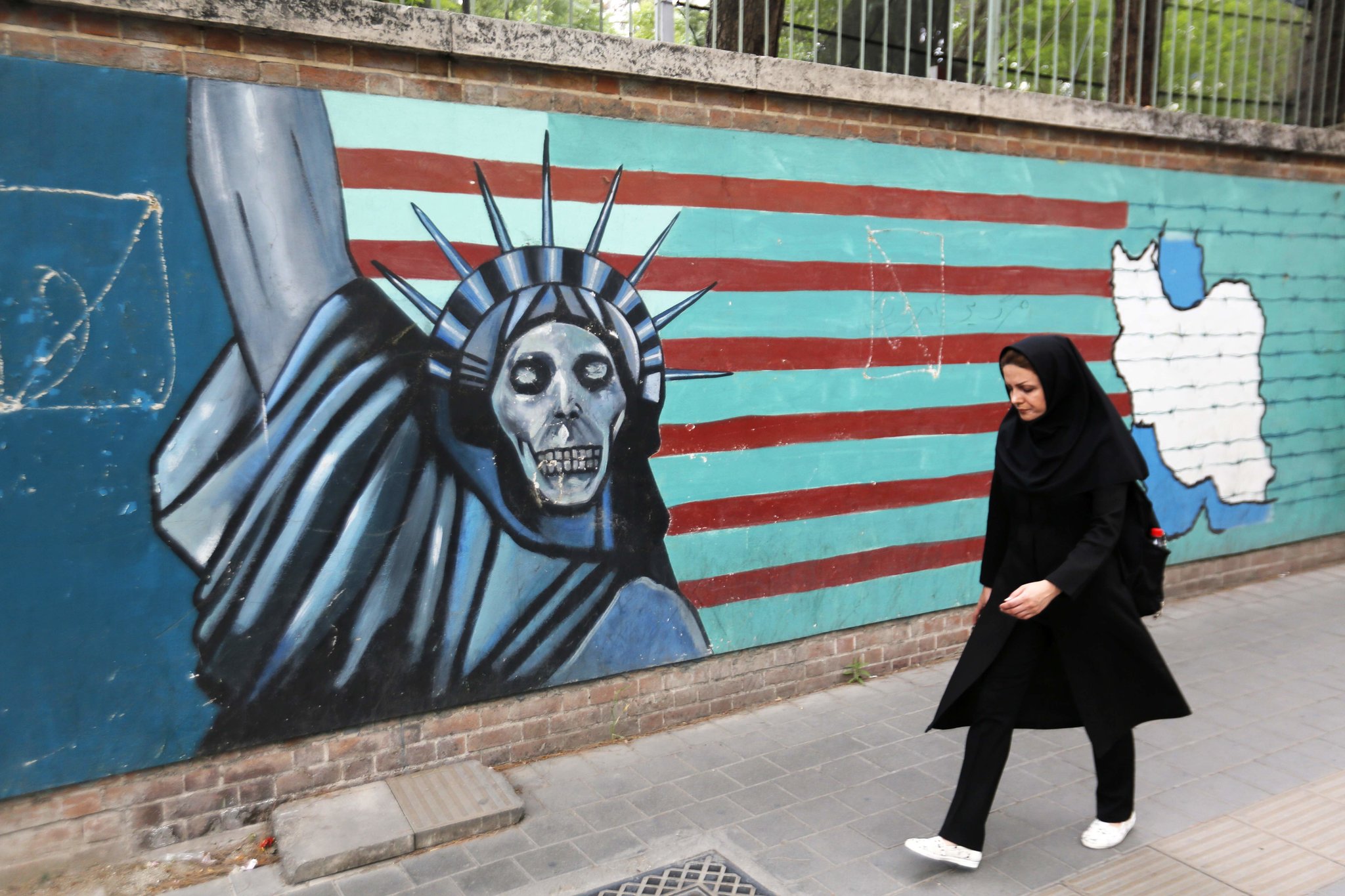
The world has witnessed Islamophobia in different intensities, especially during the last two decades. However, in recent years, especially after the genocide in Gaza and the US-Israel versus Iran war, it has moved from the margins of public debate to the center of social and political discussions in Western societies. Recent research data shows hostilities toward Muslim communities have reached unusual levels, both in Europe and the United States.
Recently, two significant decisions brought this issue into sharper focus. One is the decision to restrict London’s annual Al-Quds Day march, and the second is the record surge in anti-Muslim complaints reported across the United States. Both of these events highlight a broader trend that is affecting Muslims globally.
The Al-Quds Day Debate in London
Since 1979, Al-Quds Day has been observed internationally to demonstrate solidarity with Palestinians. It also serves as a platform for discussing Middle Eastern political issues. Specifically in London, the annual march has taken place for decades, drawing activists, community organizations, and political groups.
However, this year, authorities moved to prevent the traditional procession, citing concerns over public safety and rising geopolitical tensions. Officials argued that large demonstrations related to the Middle East could create security challenges, particularly at a time when international conflicts were intensifying.
The decision immediately sparked debate across the United Kingdom. Supporters of the restrictions argued that authorities must prioritize public safety and prevent potential unrest. On the other hand, numerous people, including many civil liberties groups, questioned whether banning such demonstrations risked limiting legitimate political expression.
Regardless of the political positions surrounding the decision, the controversy reflects a larger question facing Western societies. How to balance public security concerns with the rights of communities to express political solidarity and participate in democratic debate.
Islamophobia in the United Kingdom
Stats from the United Kingdom show that anti-Muslim hostility remains one of the most significant forms of religious discrimination in the country.
According to credible estimates, roughly 4,500 Islamophobic incidents were recorded in a recent year, ranging from verbal abuse and online harassment to physical attacks and vandalism targeting mosques.
Official government crime statistics reveal a similar trend. Muslims make up around 5 percent of the population of England and Wales, yet they account for close to half of all victims of religious hate crimes recorded by police.
Many incidents involve everyday harassment in public spaces or online platforms. Others include damage to religious buildings or threatening messages directed at Muslim institutions.
Community leaders often point out that such incidents can have wider social consequences. Fear of harassment can discourage individuals from fully participating in public life, from attending religious services to engaging in civic activism.
A Record Surge of Complaints in the United States
On the other hand, similar concerns are emerging over the Atlantic. The Council on American-Islamic Relations (CAIR), which is the largest Muslim civil rights organization in the United States, reported8,683 complaints of anti-Muslim discrimination or harassment in 2025. According to the organization, this represents the highest number of complaints recorded since it began collecting data in 1996.
These complaints cover a wide range of situations, including the following:
Workplace discrimination
Immigration-related harassment
Online threats and intimidation
Discrimination in education and housing
But such figures often represent only a portion of actual incidents, since many victims choose not to report harassment.
Researchers studying patterns of discrimination have found that spikes in anti-Muslim hostility frequently occur during periods of heightened geopolitical tension involving Muslim-majority regions. Moreover, political rhetoric, media narratives, and international crises can all shape how minority communities are perceived domestically.
Universities and the Politics of Protest
Many educational institutions, like universities, have increasingly become a focal point in debates over political expression related to the Middle East.
Student demonstrations, particularly those connected to the Gaza genocide, have appeared on campuses across Europe and North America. Several universities have responded by imposing restrictions on certain protest activities or relocating demonstrations to designated areas. In some cases, police have been called to disperse encampments or enforce campus rules.
These situations have sparked broader discussions about academic freedom and the role universities play as spaces for political debate.
Media Narratives and Public Perception
Another factor shaping the conversation around Islamophobia is the role of media representation. Academic studies examining media coverage in Western countries have found that Muslims are often disproportionately associated with security issues, extremism, or geopolitical conflict in news reporting. Ultimately, such framing can influence public perceptions and reinforce stereotypes.
At the same time, Muslim communities in Europe and North America are diverse, encompassing millions of citizens and residents engaged in every sector of society, from medicine and education to business, public service, and the arts.
Understanding this diversity is a crucial step in addressing misconceptions that sometimes contribute to social tensions.
Addressing the Challenge
“Every life is equal, and every human deserves respect.”
Governments and civil society organizations across Western countries have increasingly acknowledged the need to confront anti-Muslim discrimination.
When it comes to the United Kingdom, policymakers have discussed establishing clearer definitions of anti-Muslim hatred and improving the monitoring of hate crimes. On the other hand, in the United States, advocacy groups continue to push for stronger legal protections and better reporting mechanisms.
Moreover, educational initiatives, interfaith programs, and community partnerships should also be promoted for a peaceful community.
In a nutshell, ensuring democratic societies remain inclusive and respectful of religious diversity is the way forward for a peaceful and prosperous future.
The war no one sees is casting an unrelenting shadow over Gaza, and the suffering of its people is intensifying by the hour.
With Israel ramping up its military operations, Gaza has tragically become the epicenter of what many are calling an unprecedented humanitarian disaster, a “genocide in plain sight.” Calls for a ceasefire have gone unheard as the conflict escalates, spilling over into Lebanon and deepening the crisis.
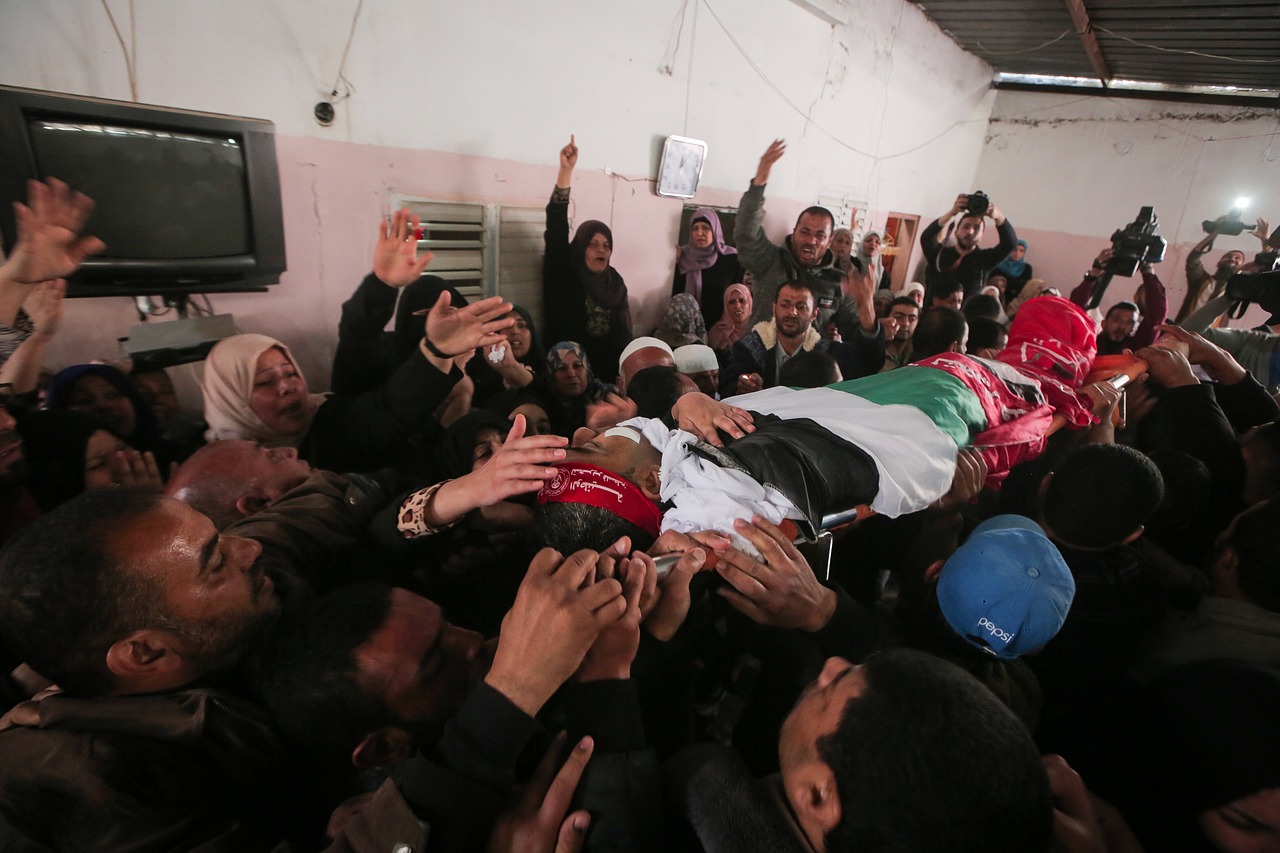
As the death toll surpasses 41,000, and with each passing day bringing new waves of destruction, Gaza’s civilians are trapped in a relentless cycle of terror and uncertainty.
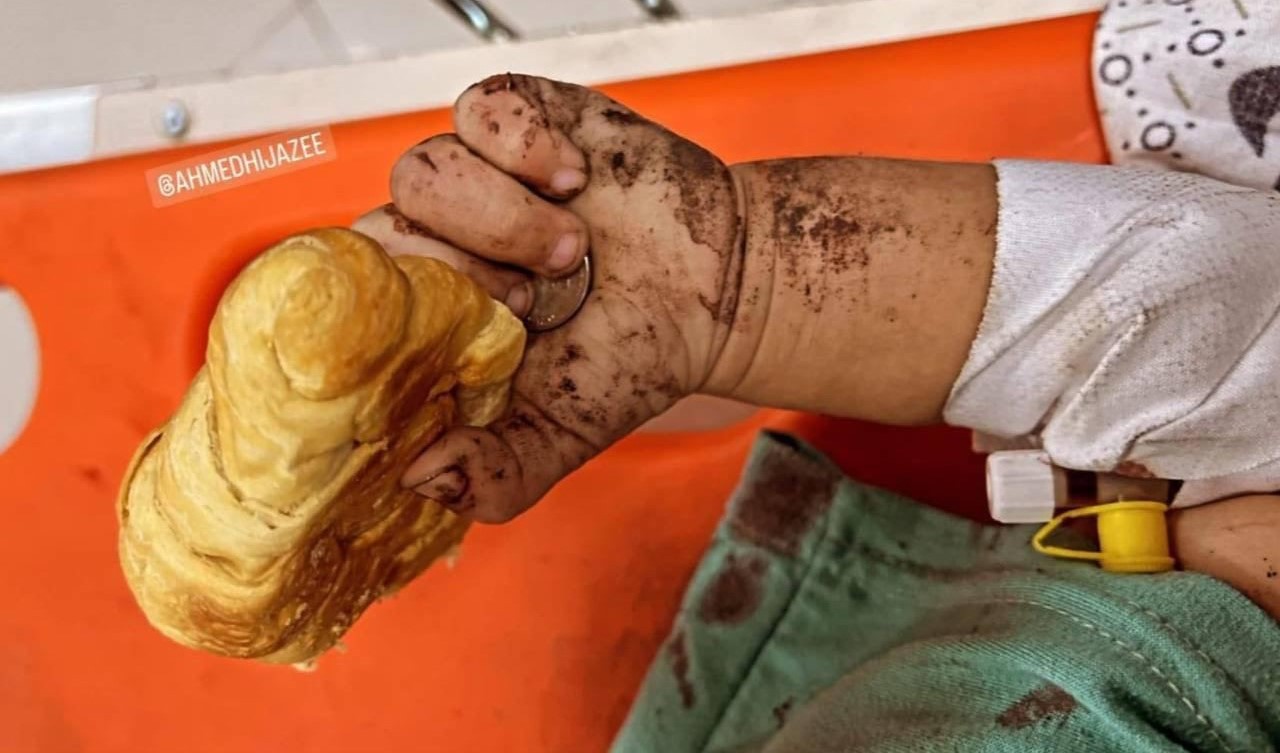
Families huddle together in homes reduced to rubble, parents are grieving for children they couldn’t protect, and hospitals, overflowing and under-resourced, struggle to care for the wounded. Life in Gaza has devolved into a harrowing fight for survival, where each day brings new heartache, and the hope of relief seems further and further out of reach.
What will it take to end Gaza’s humanitarian crisis? In a world that’s watching but not yet acting decisively, is there a way to bring peace and stability to the people of Gaza?
Ending this crisis will take more than calls for ceasefires or temporary measures; it will require a global commitment to uphold humanity, demand justice, and work toward lasting peace.
What is Currently Happening in Gaza?
Gaza is in utter despair. The war has taken a devastating new turn, with Israel intensifying its bombings, leaving the region in relentless chaos and destruction.
After the targeted killings of Hamas’s supreme commander and Iran’s supreme leader, Iran retaliated against Israel with drones and missiles. In response, Israel launched air strikes on Gaza, Lebanon, and Iran, sparking even greater devastation. What little remained standing in Gaza is now on the brink of collapse.
Schools that once served as fragile shelters for families are now reduced to ashes, with no refuge left for those desperately seeking safety. The northern region of Gaza is being evacuated under gunpoint, while Palestinian teens are being forced to strip and walk in humiliating lines, with no dignity spared.
Humanitarian aid—previously trickling in through borders from other countries and the UN—has been largely cut off. Attacks on hospitals, schools, and aid tents continue without warning, intensifying daily to an unimaginable level, as if Gaza itself is being systematically erased.
The fear, grief, and despair of Gaza’s people are overwhelming as they witness their world disappearing, wondering if anyone will stand up to end their suffering.
Enduring the Unthinkable: The Human Toll of Gaza’s Crisis
What is unfolding in Gaza goes beyond the realm of conflict; it is devastation on an unimaginable scale. According to official sources, thousands are under relentless bombardment, with civilians struggling to survive amidst rapidly deteriorating conditions.
Reports from the UN Human Rights Office and other humanitarian bodies reveal scenes of people huddling in makeshift shelters, often constructed from whatever they can find, such as plastic bags and wooden scraps.
Families are forced to endure shortages of food, clean water, and medical supplies while constantly moving to escape the latest round of airstrikes. For many, life now means seeking refuge in overcrowded shelters or ruined schools, only to see these places targeted again in continued attacks.
One heart-wrenching account comes from an official at the UN, who described watching over a hundred children chase after a lone food cart—a tragic reminder of how scarce resources have become for Gaza’s 2 million residents, half of whom are children.
The scarcity of aid is felt even more as supplies that manage to cross borders are limited by the dangerous conditions. Meanwhile, hospitals struggle to function with dwindling medical supplies, unable to treat the increasing number of casualties, and some have faced attacks themselves, leaving thousands without essential care.
Even the basics of humanitarian aid are now nearly impossible to deliver effectively, hindered by severe restrictions on movement and escalations in violence. Representatives from the UN have voiced that an immediate ceasefire and an “enabling environment” for aid are the only ways to provide an effective humanitarian response in Gaza.
Without political commitment, the efforts of humanitarian workers on the ground cannot meet the overwhelming needs of Gaza’s population. The international community has called repeatedly for a lasting resolution, emphasizing the severe risks of disease outbreaks due to unsafe sanitary conditions and lack of vaccinations—conditions that many officials warn could lead to even more tragic losses if urgent action is not taken.
What Will It Take To End the Gaza Humanitarian Crisis?
Ceasefire!
Humanitarian organizations and leaders around the world are unanimous: Gaza needs an immediate ceasefire to protect civilians and enable lifesaving aid. Without one, the consequences may spiral further into catastrophe.
As Dr. Tedros urges, protecting hospitals, health workers, and patients is the most fundamental step in averting a deepening humanitarian crisis.
Ending this crisis requires international voices to unite for Gaza. Leading powers, including the U.S., European nations, Russia, and others, must unite to amplify calls for a ceasefire and humanitarian protection. Only with coordinated global pressure can diplomatic efforts potentially lead to sustainable peace and end suffering.
A ceasefire alone is not enough; there must be accessible and safe channels for humanitarian aid currently restricted at border crossings.
This blockade prevents access to essential items like food, water, and medical supplies, violating the fundamental rights and dignity of those in Gaza.
World leaders must come to the table, with ceasefire negotiations as a non-negotiable first step. If left unchecked, the scale of this crisis could destabilize the region and escalate into larger global conflicts. Immediate, concerted action is critical—not just to prevent further suffering but also to work toward a stable, humane future for Gaza and the region.
Ending the suffering requires not just diplomatic words but concrete actions from all parties involved, focusing on peace, protection of human rights, and preservation of life.
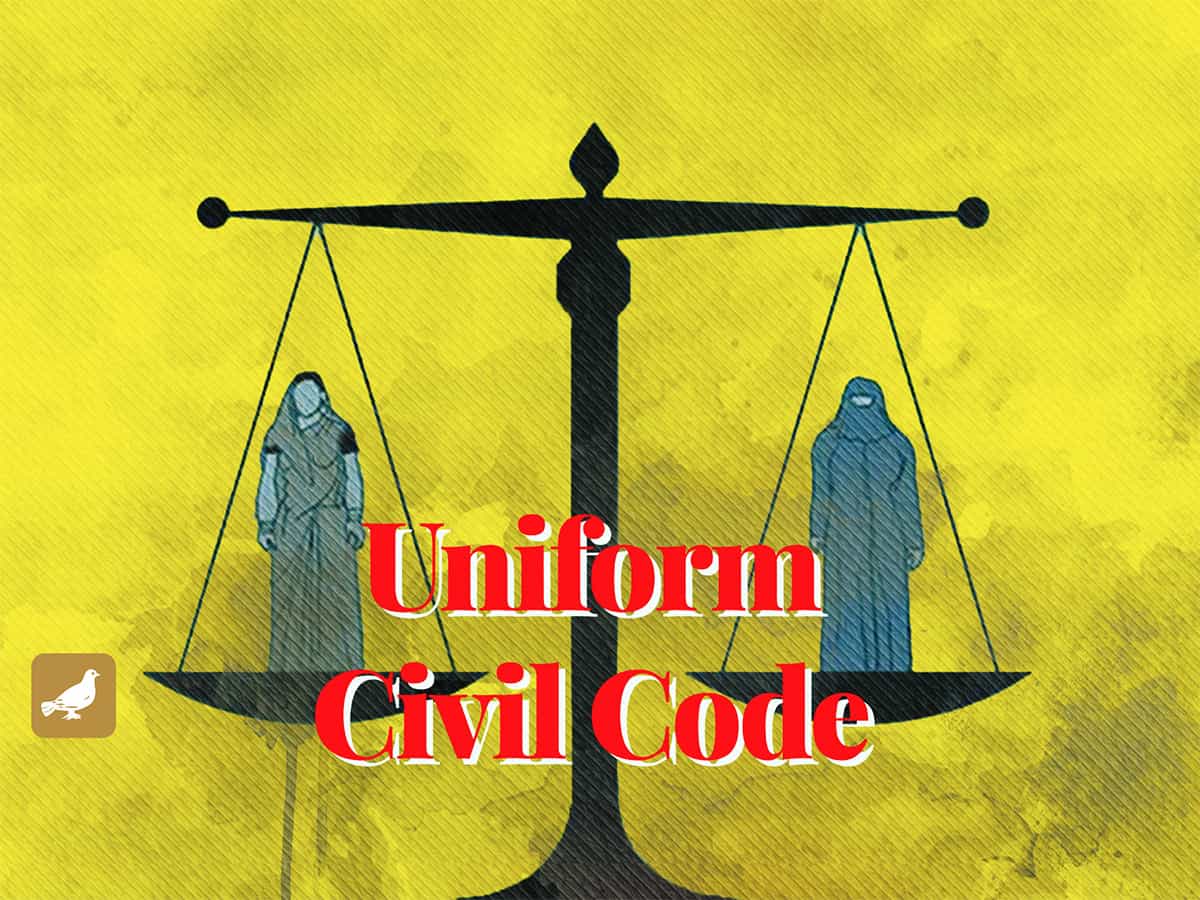
The debate over Uniform Civil Code in India has reached its crescendo. India’s Prime Minister Narendra Modi set the ball rolling last month when he asked— “Can a country be run on two laws?” The question posed by Modi has started a debate in India.
What are Personal Laws?
India follows legal pluralism with different religious communities following their own personal laws. Personal laws include matters of inheritance, divorce, child custody and alimony. Personal laws have their origins in British colonialism. Various history scholars have argued that Personal Laws in India were introduced by the British in order to “divide and rule” Indians along religious lines. However, there are counterarguments also that contend that the British introduced Personal Laws to preserve the culture of different religious communities in the Indian subcontinent.
Even though Hindu Personal Laws have been codified and reformed starting in the 1950s, Muslim Personal Law has not been reformed over time.
It is pertinent to mention that the ruling Bharatiya Janata Party’s (BJP) ideological parent Rashtriya Swayamsevak Sangh (RSS) staunchly opposed the codification and the reformation of Hindu Personal Laws in the early 1950s.
However, now that the BJP is in power, the RSS is pushing for a Uniform Civil Code.
The BJP claims that Muslim Personal Laws are an aberration because of Congress’ Muslim appeasement. The party further alleges that the personal laws perpetuate gender inequality in the Muslim community.
The origin of the debate over Muslim women’s equality and the Uniform Civil Code goes back to the early 1980s.
The Mohd. Ahmad Khan vs. Shah Bano Begum & Ors. or the Shah Bano maintenance case is seen as a landmark case in India’s legal history that had significant implications for the rights of Muslim women in matters of divorce and maintenance. In 1978, a 62-year-old Muslim woman named Shah Bano sought maintenance from her husband, Mohammed Ahmed Khan, after he divorced her through Triple Talaq. Shah Bano’s husband refused to provide her maintenance, leaving her in a difficult financial situation. Shah Bano approached the courts seeking financial support from her husband under Section 125 of the Code of Criminal Procedure (CrPC), which provides for maintenance to be given to a wife by her husband if she is unable to maintain herself.
The case reached the Supreme Court of India in 1985. The court ruled in favour of Shah Bano, stating that she was entitled to maintenance from her husband even after the divorce. The judgment was significant because it recognized that Muslim women could claim maintenance under secular law rather than solely being governed by Muslim Personal Law. However, the verdict was met with strong opposition from conservative Muslim groups, who argued that the court’s interference in Muslim personal law violated their religious rights. The Congress-led Indian government, under pressure from various Muslim organizations, passed the Muslim Women (Protection of Rights on Divorce) Act in 1986. The act overturned the Supreme Court verdict in the Shah Bano case and limited the maintenance period for divorced Muslim women to the Iddat period as laid down by Shariah.
The Shah Bano case and the subsequent passage of the Act sparked debates and discussions about the rights of Muslim women in India and the tension between personal laws and the principles of gender equality enshrined in the Indian Constitution. The case remains a pivotal moment in the ongoing discussions surrounding the rights and status of women in the context of personal laws in India.
A Uniform Civil Code will abolish all personal laws and govern all the citizens of India with a uniform law. The marriage, divorce, inheritance, child custody, alimony and maintenance will be uniform for all the citizens irrespective of their religion.
For Muslims, the opinion of religious scholars on the above-mentioned personal matters will no longer hold. The courts will decide these matters according to the secular laws of the country.
Liberal intellectuals across India are defending the implementation of the Uniform Civil Code. They argue that personal laws have perpetuated gender inequality in various religious communities. Further, they also see Uniform Civil Code as a vehicle of progress for the religious communities.
Their arguments are based on the fact that the founding fathers of India’s Constitution did not conceive India as a federation of religions.
Concerns over Uniform Civil Code
Minorities, especially Muslims have raised genuine concerns about the implementation of the Uniform Civil Code in India.
First, the demand for Uniform Civil Code is coming from the BJP-led government. Muslims do not trust the BJP government. The BJP government is using gender inequality in the Muslim community to emphasise the importance of the Uniform Civil Code. However, if BJP’s historical record concerning Muslims is considered, one cannot trust that they are well-wishers of Muslim women.
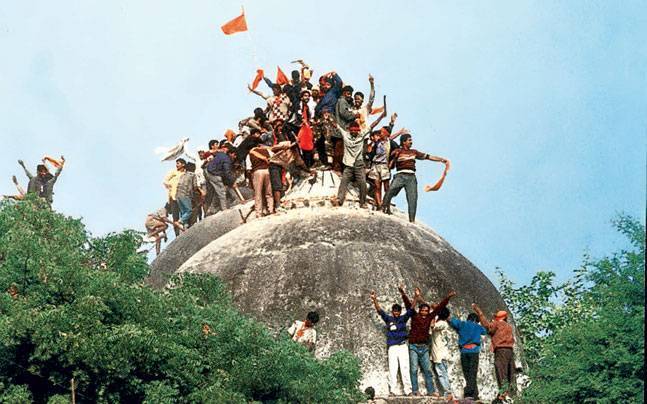
Second, if the record of the previous nine years of BJP rule is analysed, Muslims have been pushed to the margins. While the BJP government in Karnataka banned Hijab in schools and colleges, it did not take similar action against the religious symbols of other religious communities. Similarly, there have been several incidents where BJP-led state governments took action against Muslims who offered prayers publicly, but the same state governments facilitated the public religious expression of the Hindu community.
Therefore, the Muslim community of India is facing a dilemma. While they are not against the implementation of the Uniform Civil Code but at the same time they fear that the Code will be an expression of Hindu majoritarianism.