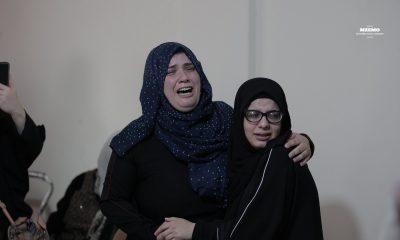
In a series of three consecutive Ramadan arrivals in Gaza, this one hits different for the people, as many of them have lost almost half of their families.
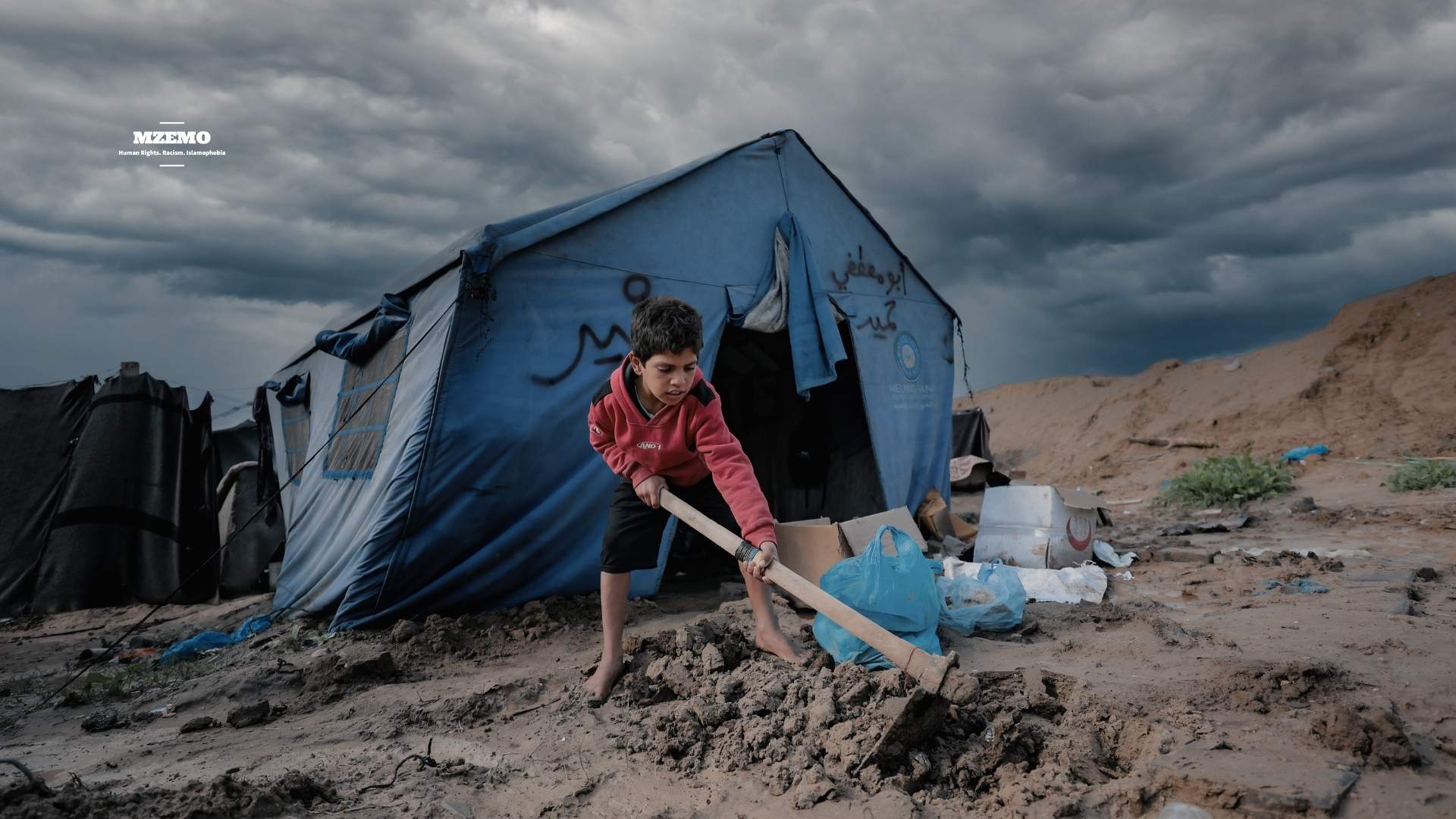
There are no lantern-lit balconies in neighborhoods, nor crowded markets layered in the scent of spices and frying bread. In fact, in most of the Gaza Strip, entire residential blocks remain flattened. Where homes once stood, families are now forced to gather inside UN-run school buildings, sleeping behind makeshift curtains that attempt to create privacy in classrooms built for thirty children, not thirty displaced relatives.
Ultimately, this Ramadan is not taking place in a city recovering from genocide, but it is unfolding in a territory still broken from inside and out.
A Holy Month in a Shattered Urban System
Although the numbers are staggering, they are not abstract. Satellite assessments and international damage reports estimate that over 320,000 housing units across Gaza have been damaged or destroyed. In a territory barely 365 square kilometers in size, that scale of destruction has erased entire neighborhoods.
Moreover, a joint international assessment has placed Gaza’s reconstruction needs at more than $53 billion, with approximately $20 billion required in the first three years alone just to restore essential infrastructure and housing.
Meanwhile, UN humanitarian situation updates continue to reference Gaza health authorities’ figures reporting over 70,000 deaths since October 2023, alongside mass injury and displacement.
This is the environment in which this Ramadan has begun.
A month meant for spiritual reflection now intersects with broken sewage networks, damaged desalination plants, fractured electricity grids, and hospitals functioning far below pre-war capacity.
Fasting in a Water Crisis
Fasting in Ramadan requires abstaining from water and food from dawn to dusk. However, in Gaza, the people fast for even longer, without any certainty of getting something to drink at Iftar.
Clean water remains limited in many areas. Residents rely on trucked deliveries or small-scale desalination output. Long queues form daily at water distribution points. During Ramadan, those queues stretch into fasting hours, turning a religious act of discipline into a period of patience.
Furthermore, Wudu, which is a ritual washing before prayer, becomes difficult when each liter of water is rationed.
Sanitation networks, heavily damaged during the genocide, remain only partially restored. In crowded displacement shelters, maintaining hygiene during a month of fasting is not simply about devotion, but about survival in confined conditions[OBH1] .
Iftar Without Homes
Before the genocide, Ramadan evenings in Gaza were intimate and loud at the same time. Families used to gather, extended relatives moved between homes, and kitchens were operated at full capacity.
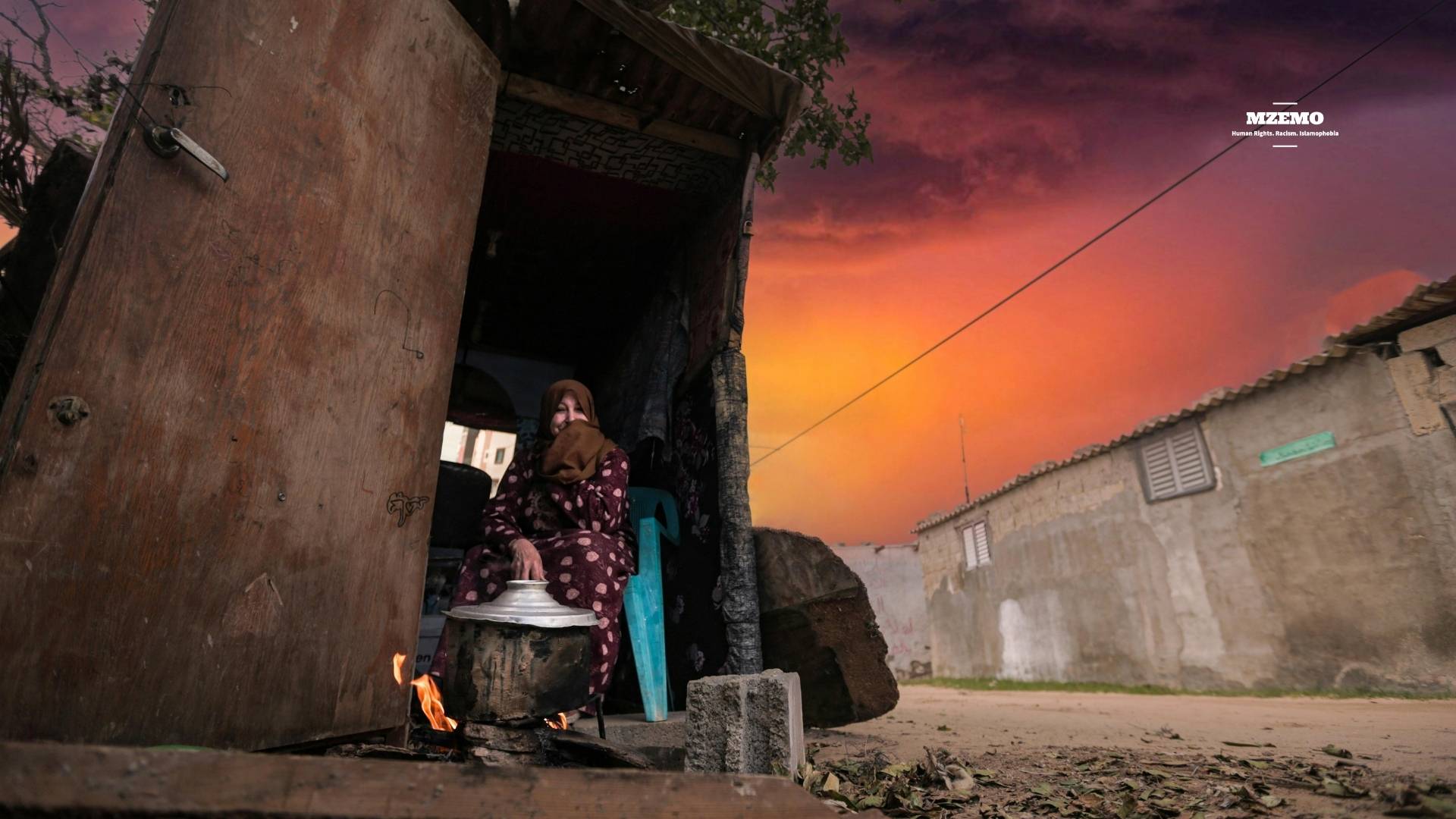
This year, many families broke their fast under fluorescent classroom lights or in tent encampments erected beside damaged buildings. Meals are often prepared in communal kitchens operated by humanitarian agencies and local volunteers.
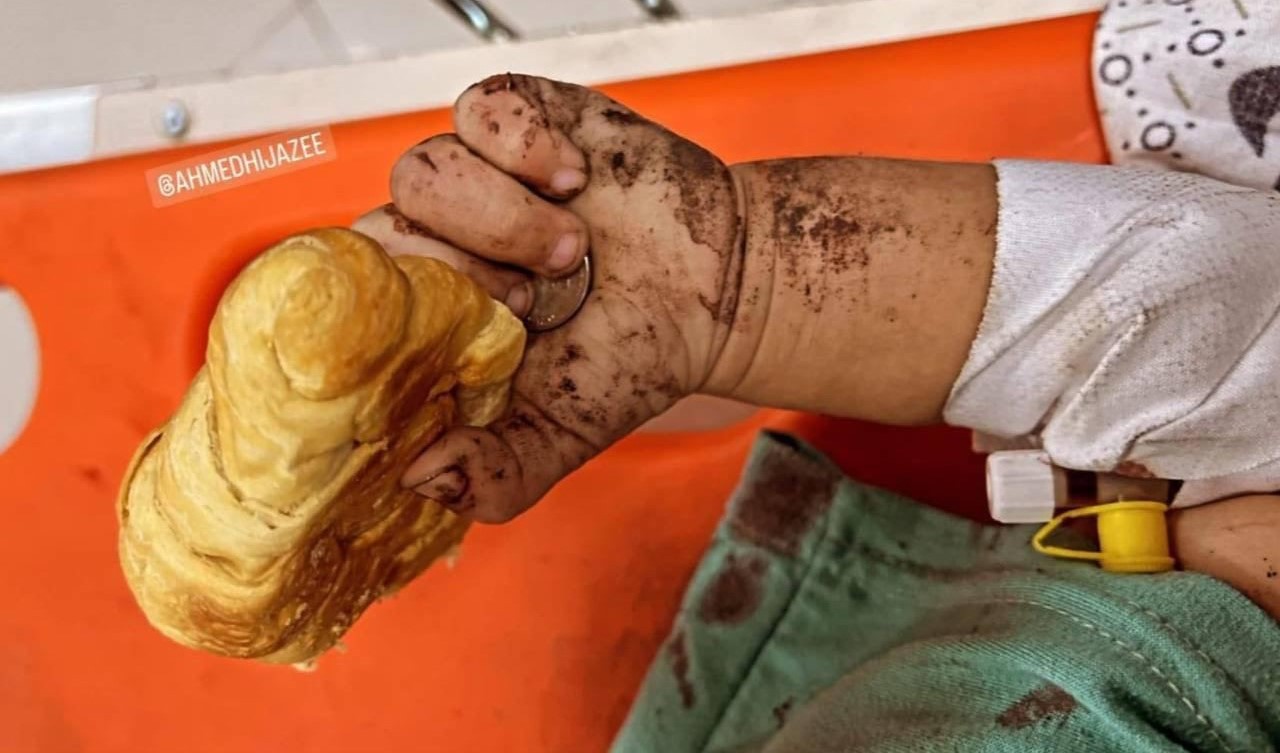
The humanitarian system reports the entry of hundreds of thousands of aid pallets into Gaza during ceasefire windows and negotiated access periods. Yet the presence of aid shipments does not automatically translate into the actual presence of aid and normal consumption patterns.
Damaged roads limit transport, while import restrictions on certain materials, often categorized under security frameworks, slow reconstruction. Employment opportunities remain scarce in large parts of the Strip.
In practical terms, Ramadan in Gaza has shifted from household-based consumption to aid-dependent distribution.
Charity replaces commerce, and communal pots have replaced private kitchens.
Mosques Without Minarets
Many mosques across Gaza sustained damage, and most of them have completely obliterated. However, some are partially operational. Where structures are unsafe, congregational prayers move into open spaces or shelter corridors.
The special Ramadan prayer – Taraweeh – although continued, is offered under emergency lighting, and sometimes outdoors.
Ramadan is traditionally a month of collective rhythm. However, in Gaza, that rhythm competes with displacement patterns that separate families across districts and temporary shelters.
Internal displacement reporting from humanitarian agencies shows that the vast majority of Gaza’s population has experienced at least one displacement cycle since the genocide began.
So, Ramadan, which usually strengthens communal bonds, now unfolds across fragmented social networks.
Children and the Weight of This Ramadan
For children, Ramadan often carries excitement due to special meals, extended nights, and anticipation of Eid.
But this year in Gaza, childhood is shaped by trauma exposure, interrupted schooling, and crowded shelter life.
Education facilities across the Strip sustained heavy damage. In this context, many school buildings continue to function as displacement shelters. Learning remains inconsistent, while psychological support services partially operate under immense strain relative to need.
This Ramadan does not offer a distraction from hardship. It intensifies it because children understand that the environment around them has changed in ways that feel permanent.
Faith in a Managed Reality
Despite all this, fasting continues. The Holy Qur’an is recited in shelters. Charity circulates among families who have little to give, and neighbors share what they receive.
However, resilience should not be romanticized. Spiritual endurance does not remove the need for sovereignty over rebuilding.
Ramadan this year reveals something deeper than devotion. It reveals a population practicing its faith inside a humanitarian crisis rather than a functioning civic structure.
It reveals that survival and worship are unfolding simultaneously, in a landscape where reconstruction plans are debated far beyond Gaza’s borders.
Ramadan in Gaza is not silent. It is disciplined, restrained, and carried out under the weight of destruction that remains visible in every damaged skyline. In a nutshell, the holy month has arrived, but the people are forced to live in abysmal conditions for life.