
Featured
Women’s Rights in the MENA Region: Progress & Obstacles

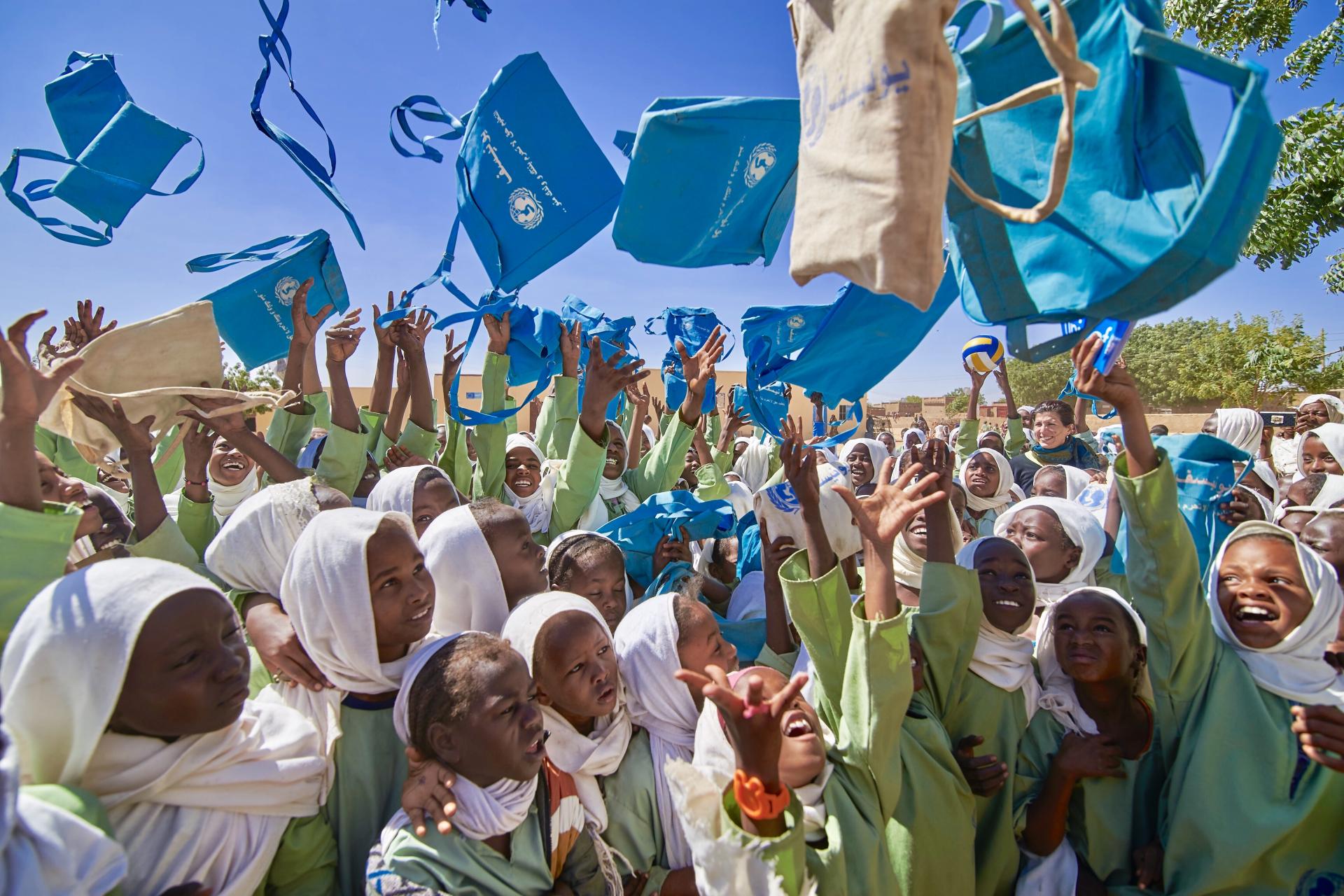
A Background to Women’s Rights in the MENA Region
Gender equality is a fundamental human right and an imperative foundation which lays the groundwork for a peaceful, prosperous and sustainable world. The development of women’s rights in the Middle East and North Africa (MENA) region has seen much progress and obstacles over the past decade. However, the unequal status of women stands out as a particularly challenging problem.
Following “International Women’s Day” last month, this article provides a snapshot of the development of women’s rights in the MENA region as of April 2023. MENA countries include Algeria, Bahrain, Egypt, Iran, Iraq, Israel, Jordan, Kuwait, Lebanon, Libya, Morocco, Oman, Qatar, Saudi Arabia, Syria, Tunisia, United Arab Emirates and Yemen.
The MENA region has a reputation for struggling with gender equality. Therefore, this article focuses on this region. However, it is important to emphasize that the MENA region is not the only place women experience inequality. Gender inequality is also seen in Asia, Africa, Latin America, Europe, and North America. Undoubtedly, women continue to face discrimination and significant barriers to fully realizing their rights worldwide.
Any Progress in the MENA Region?
Governments are developing stronger laws and policies to support women’s rights.
Significant laws, policies, and programming developments have focused on gender equality within the MENA region. Moreover, women’s representation in government has increased.
Many countries in the region have established “national women’s machinery”. This machinery is used in government offices, departments, commissions, or ministries. All these provide government leadership and support in achieving gender equality.
Furthermore, there have been notable improvements in education and health within gender-related indices. There has been an increase in specialized programming to support women’s rights and empowerment in this region.
Women struggle to uphold their rights in places like Palestine. It is international human rights laws and conventions which are helping women in advocating for and strengthening their fight. Since the ratification of the Convention on the Elimination of All Forms of Discrimination against Women (CEDAW) by the State of Palestine in March 2014, civil society organizations and women human rights defenders have publicly advocated for the implementation of the Convention and the passing of a Family Protection Bill, pending since the early 2000s, which would specifically address gender-based discrimination and violence. In turn, this will help to edge women closer towards gender equality in the occupied Palestinian territory.
Women are increasing their role in civil society and advocating their rights
Women are increasing their engagement in civil society. Women’s and youth feminist civil society has started to dominate the political scene in advocating for and securing gains. In Iran, millions of young women took to the street following Mahsa Amini’s death in police custody for improperly wearing her hijab. These women risked their lives to change the system. Many were arrested and beaten and now face the death penalty for speaking out. This demonstrates women’s power in standing up against authoritarian regimes and fighting oppression.
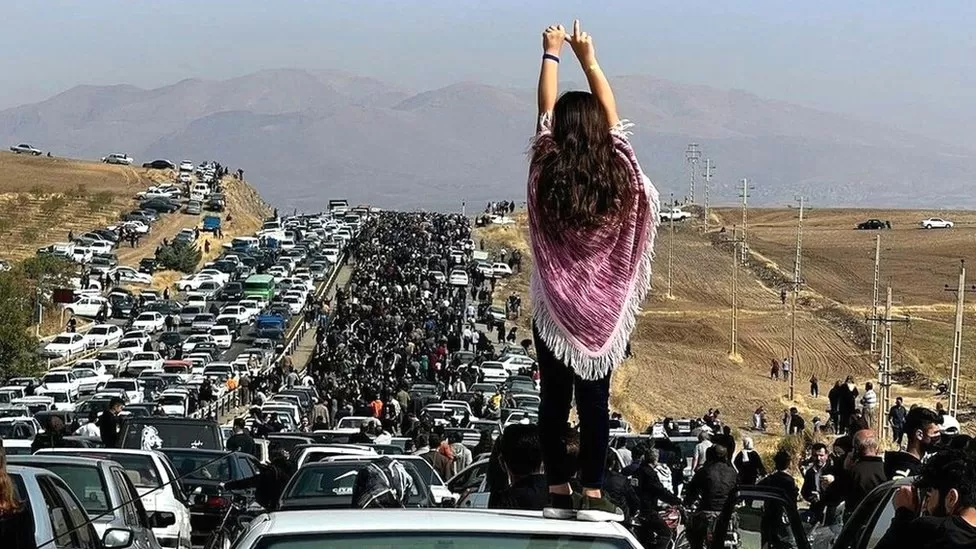
The Iranian government is brutally repressing women’s voices who courageously stand up for their freedom. The UN has called Iran a “gender apartheid” on women.
Read more: Mahsa Amini: Iranian Women Are Leading an Extraordinary Revolution.
Women’s civil society actively engages internationally with the “Women’s Peace and Security” agenda. Remarkably, women activists have testified before the United Nations Security Council. The UN Women highlighted the gender impact of conflict and occupation on women’s rights.
What Obstacles Hinder the Development of Women’s Rights in the MENA Region?
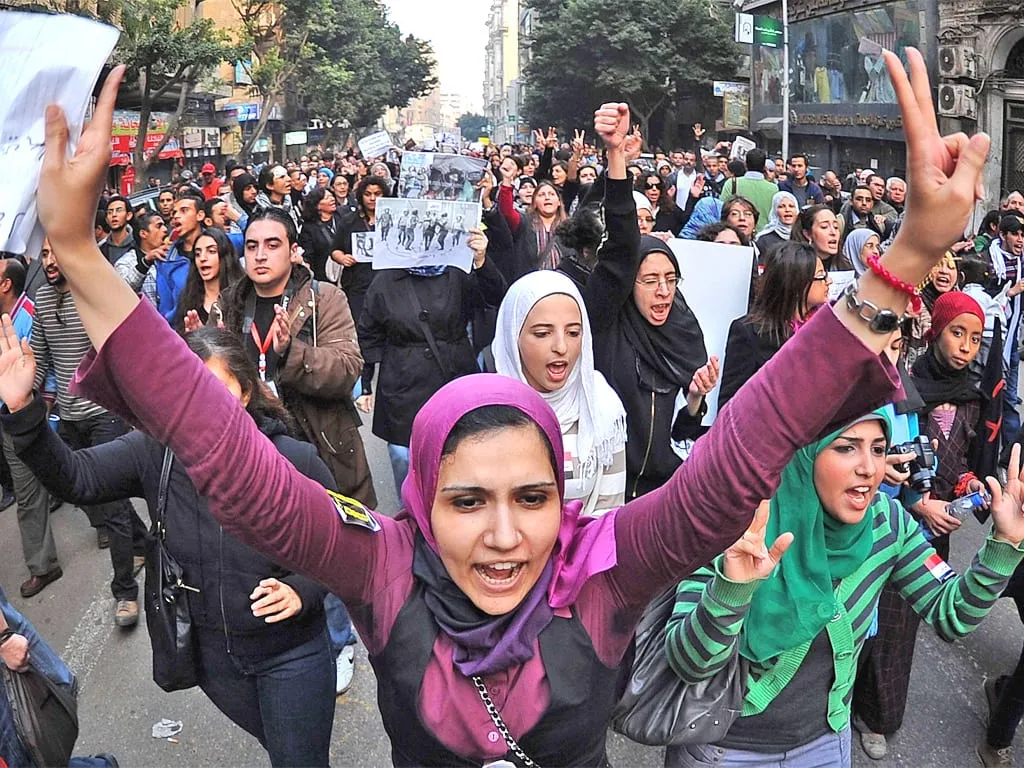
Women face many inequalities within the MENA society, correlating them as second-class citizens with little to no protection from violence. The COVID-19 pandemic has compounded existing inequalities. Moreover, factors significantly reducing space for constructive civil society engagement with governments include ongoing conflict, the revival of extremist religious groups, and increased political turmoil. These international crises created many setbacks in passing long-term legal change.
Poverty & gender-based violence
The 2022 global poverty update from the World Bank reports that the MENA region is the only place worldwide where the extreme poverty rate increased between 2010 and 2020. Poverty has a detrimental impact on women’s rights.
Gender-based violence is also one of the main challenges facing women in the region today, with devastating effects on their health and well-being and their economic and civic participation.
Read more: Female Genital Mutilation in Somalia Reflects Deep-Rooted Gender Inequality.
A striking example of gender-based violence was in 2022 when the Israeli forces shot dead Al Jazeera’s journalist Shireen Abu Akleh in the occupied West Bank. Abu Akleh, a longtime TV correspondent for Al Jazeera Arabic, was killed on the 11th of May 2022 while covering Israeli army raids in Jenin in the northern occupied West Bank.
Read more: Who is Shireen Abu Akleh?
Women have no right to nationality in the MENA region
The MENA region has the highest concentration of gender-discriminatory nationality laws. An estimated 50% of the 25 countries in MENA deny women equal rights to pass nationality to their children.
Algeria is the only country in the region with nationality laws upholding complete gender equality, including women’s right to confer nationality on their children and noncitizen spouse on an equal basis with men. Thus, gender discrimination in nationality laws is one of the primary causes of statelessness in the MENA region, in addition to causing several other human rights violations.
Lebanon, Kuwait, and Qatar deny women the right to confer nationality to their children and spouses in all circumstances. Other States, including Bahrain, Jordan, Libya, Oman, Saudi Arabia, Syria and the United Arab Emirates (UAE), deny women the right to confer their nationality to children in most circumstances.
Read more: World Leaders Remain Silent Over Human Rights Violations in the UAE.
Malnutrition in women and girls increases by 25%
Malnutrition in women and girls increased by 25% in crisis-hit countries in the MENA region between 2020-2022. Over a billion women and adolescent girls are malnourished in the world. This has detrimental health, economic and well-being impacts. Most women and girls affected by this statistic live in the MENA region. Both local and global crises in 2023 could exacerbate the development of women and girls living there. Rising poverty and inequities increase the chances that people will turn to cheap, ultra-processed, unhealthy foods.
“Addressing malnutrition in women and girls is essential to reduce the gender health gap”
Amira Ghouaibi, Project Lead, Women’s Health Initiative, Shaping the Future of Health and Healthcare, World Economic Forum.
Therefore, the world is making slow progress. Issues like soaring food prices, climate change and the lasting impact of the COVID-19 pandemic risk making the nutrition crisis an even more significant problem in 2023. Nutrition is a widely overlooked issue; coordinated access and policy intervention are urgently needed.
Read more: Children’s Rights in Yemen Are Teetering on the Edge of A Catastrophe.
Survey Findings Provide Unprecedented Insights into Gender Attitudes in MENA Region
Despite incremental progress and the advancements mentioned above, gender attitudes across the region continue to fall behind internationally recognized standards.
The opinions and attitudes of citizens across the MENA region were recorded in the latest Arab Barometer survey from October 2021 to July 2022. This is the largest publically available survey published since the onset of COVID. Its results were shocking across 12 MENA countries, which collectively are home to 80 per cent of the citizen population in the Arab world. The findings give an unprecedented insight into the everyday lives of these citizens.
The survey showed a plurality of citizens either agree or strongly agree with the following statement:
“In general, men are better at political leadership than women.”
More than three-quarters of Algerians (76%) support this view, as do majorities of respondents in:
- Libya (69%),
- Iraq (69%),
- Jordan (66%),
- Egypt (66%),
- Palestine (65%), and
- Kuwait (65%).
Surprisingly, only in Lebanon and Tunisia do most of the population disagree or strongly disagree with the above statement.
Moreover, governments’ patriarchal character has effectively prevented efforts to address negative cultural and social constructs against women meaningfully. This limits the ability to change prevailing gender power relations and social roles qualitatively.
Concluding Thoughts
The development of women’s rights in the MENA region remains unresolved.
It does not reflect the commitments to the Agenda 2030 and the Sustainable Development Goals. Incremental progress has been documented, yet the pace is slow. Recent survey results showing gender discriminatory ideologies across the region show we still have much work to do to educate developing countries on gender equality.
Gender-based violence, lack of equal opportunities for economic activities or fundamental rights, and deprivation from political participation and representation have been the challenges facing this region.
Women are rising across the MENA region and fighting for their rights to be heard and implemented. Remarkably, women are igniting a powerful revolution against many corrupt governments, and their strength and courage are both admirable and breathtaking.







Featured
Gaza on the Brink Again: How the Rafah Border Closure Is Pushing 2 Million People Toward Extreme Hunger


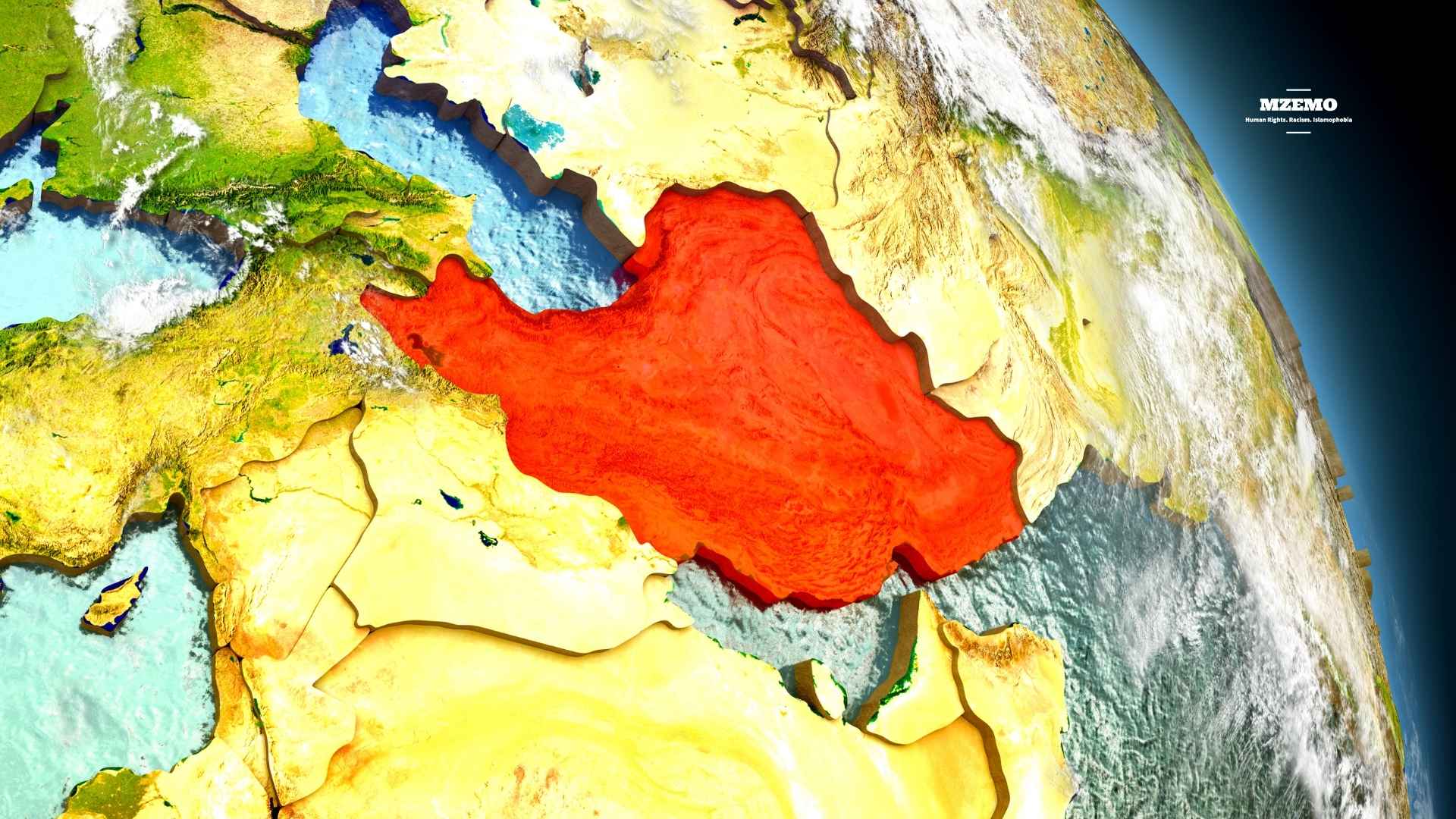
Across the globe, there are two dominating crisis headlines today: Israel’s blatant genocide in Gaza and the ongoing war between Israel-US and Iran. This war is undoubtedly imposed by Israel and the United States, labeling it necessary for peace.
Western governments and media houses frame their policies around the language of “security” and “stability”. There is a pattern of double standards that undermines international law, credibility, and humanity.
On one side stands Gaza, where more than 2.2 million Palestinians are being killed by Israel. It has produced one of the worst humanitarian catastrophes of the 21st Century. On the other hand, stands Iran, a country that is signatory to the Nuclear Non-Proliferation Treaty (NPT) yet faces sanctions, threats, and even attacks on its civilians.
Why are some countries given carte blanche and strategic exceptions while others face relentless punishment?
Gaza: A Genocide in Plain Sight
Since the beginning of Israel’s large-scale assault on Gaza, the humanitarian impact has been staggering. According to Palestinian health authorities and international humanitarian organizations, more than 80,000 Palestinians have been killed, with a large proportion of the victims being women and children.
Entire neighborhoods across Gaza have been reduced to rubble. The United Nations reports that the vast majority of Gaza’s population has been displaced, many of them forced to move multiple times as Israeli military operations expanded across the territory.
This is the purest form of genocide in modern human history. The scale of destruction, starvation, and forced displacement goes far beyond conventional warfare. However, not all media groups are showing the real picture. Western media is showing its unquestioned support for Israel even during the most heinous crimes against humanity.
Western Silence and Political Protection
The United States remains Israel’s closest international ally. According to data from the U.S. Congressional Research Service, Washington provides Israel with approximately $3.8 billion in annual military assistance under long term defense agreements.
Beyond military aid, Western governments have repeatedly shielded Israel from international accountability. In diplomatic arenas such as the United Nations Security Council, attempts to impose sanctions or demand ceasefires have often been blocked or diluted.
This pattern represents a profound contradiction: while Western leaders frequently emphasize human rights and international law, their response to the devastation in Gaza appears far more restrained than in other global conflicts.

Israel’s Nuclear Arsenal: The Middle East’s Open Secret
Another major source of controversy lies in the nuclear dimension of Middle Eastern politics.
Israel is widely believed by international experts to possess between 80 and 200 nuclear warheads, developed through its long-standing nuclear program centered around the Dimona facility in the Negev desert.
Yet Israel maintains a policy known as “nuclear ambiguity” — neither confirming nor denying the existence of its nuclear arsenal.
More importantly, Israel is not a signatory to the Nuclear Non-Proliferation Treaty (NPT), the global framework designed to prevent the spread of nuclear weapons.
Just because it operates outside the NPT system, Israel’s nuclear facilities are not subject to full international inspections by the International Atomic Energy Agency (IAEA).
Despite this reality, Western governments rarely criticize Israel’s nuclear capabilities or call for sanctions related to its weapons program.
Iran and the Nuclear Non-Proliferation Treaty
On the other hand, Iran’s nuclear program exists in a very different legal context.
Unlike Israel, Iran signed and ratified the Nuclear Non-Proliferation Treaty in 1970, which means it is legally permitted to pursue nuclear technology for peaceful purposes such as energy production and scientific research.
Under the NPT framework, Iran’s nuclear facilities are supposed to operate under international monitoring by the International Atomic Energy Agency (IAEA).
Nevertheless, Iran has faced decades of economic sanctions and intense political pressure from Western governments, which argue that its uranium enrichment activities could eventually lead to nuclear weapons development. However, Iranian officials insist that their nuclear program is intended solely for civilian purposes.
Attacks on Iran and the Broader Muslim World
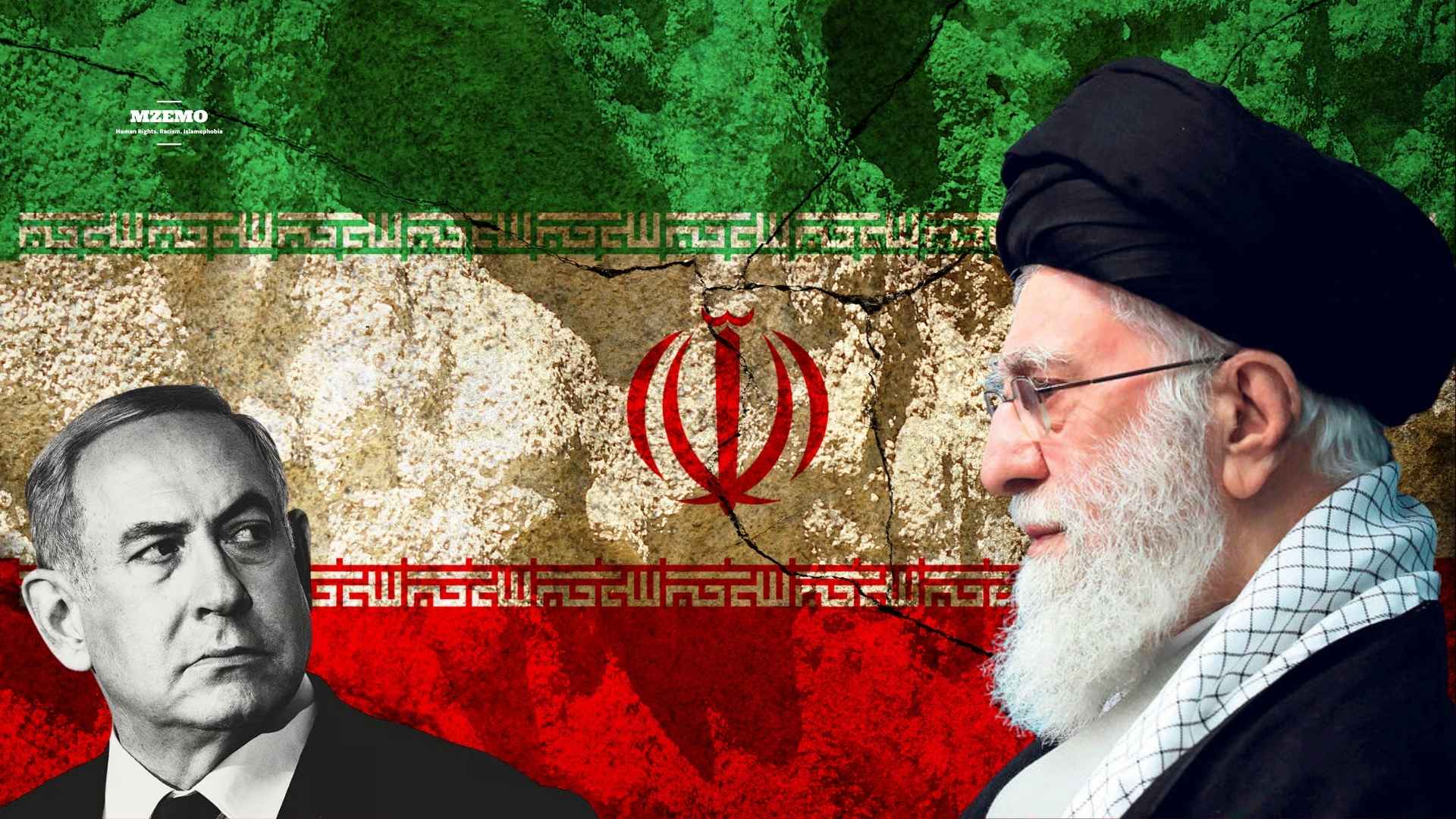
Recent tensions have further escalated the crisis. Israel and the United States have carried out strikes targeting Iranian nuclear facilities, including sites associated with uranium enrichment. The assassination of Iran’s Supreme Leader Ayatollah Ali Khamenei, along with other high-ranking officials show how brutal these strikes are.
Just like in Gaza, Iran’s civilians are also being attacked. One such example is the recent bombing of a girls’ school in Iran in which more than a hundred innocent children and teachers were killed. Such attacks raise serious concerns among international security experts.
Moreover, striking nuclear infrastructure carries enormous risks, including the possibility of radioactive contamination and the potential collapse of global nuclear non-proliferation efforts. Some analysts argue that military attacks on nuclear facilities could actually push targeted states to accelerate weapons development rather than abandon it.
Ultimately, these strikes represent another example of selective enforcement of international norms.
From Gaza to Tehran: A Crisis of Global Credibility
The combined effect of these policies has produced a growing crisis of credibility for the international system.
International law is being applied selectively, enforced strictly against adversaries, while ignored when allies are involved.
From the ruins of Gaza to the nuclear facilities of Iran, the politics of power continue to shape the Middle East in profound ways.
For millions of people across the region, the question is not merely about military strategy or diplomatic rivalry. It is about whether international law truly applies equally to all nations — or whether global justice remains dependent on political alliances.
Until those questions are addressed, the perception of double standards will continue to fuel anger, instability, and distrust across the Middle East and beyond.
Crimes Against Humanity
Shockwaves Across the Gulf: How the US–Israel Strike on Iran Could Redraw the Region
-
 Featured2 years ago
World passively watching as Israel perpetrates open-ended massacre in Gaza
-
Featured3 years ago
Argentina wins the World Cup; are there any other winners?
-
Featured2 years ago
Israel is Hiding Crucial Demographic Facts About Palestinians
-
Featured5 years ago
History of the Ottoman Empire
-
Featured3 years ago
Christian militia infiltrate Lebanon
-
Featured5 years ago
“Do Not Waste Water Even If You Were at a Running Stream” Prophet Muhammad
-
Featured2 years ago
Muhammed: The Greatest Man to walk on Earth
-
Featured4 years ago
World Leaders Remain Silent Over Human Rights Violations in the UAE












