
Featured
The Humanitarian Crisis in Syria 2023: A Forgotten War

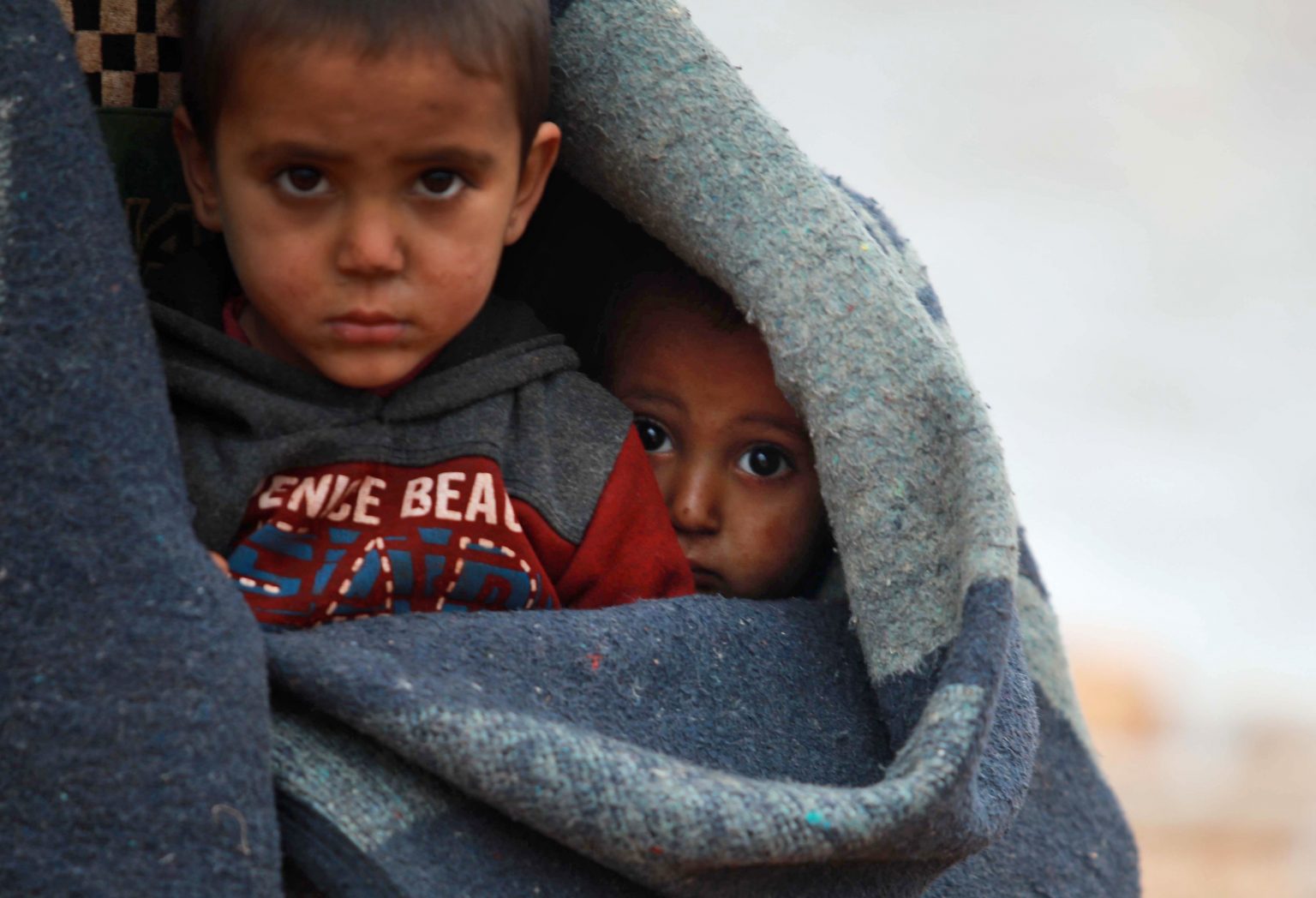
Has the World Forgotten Syria?
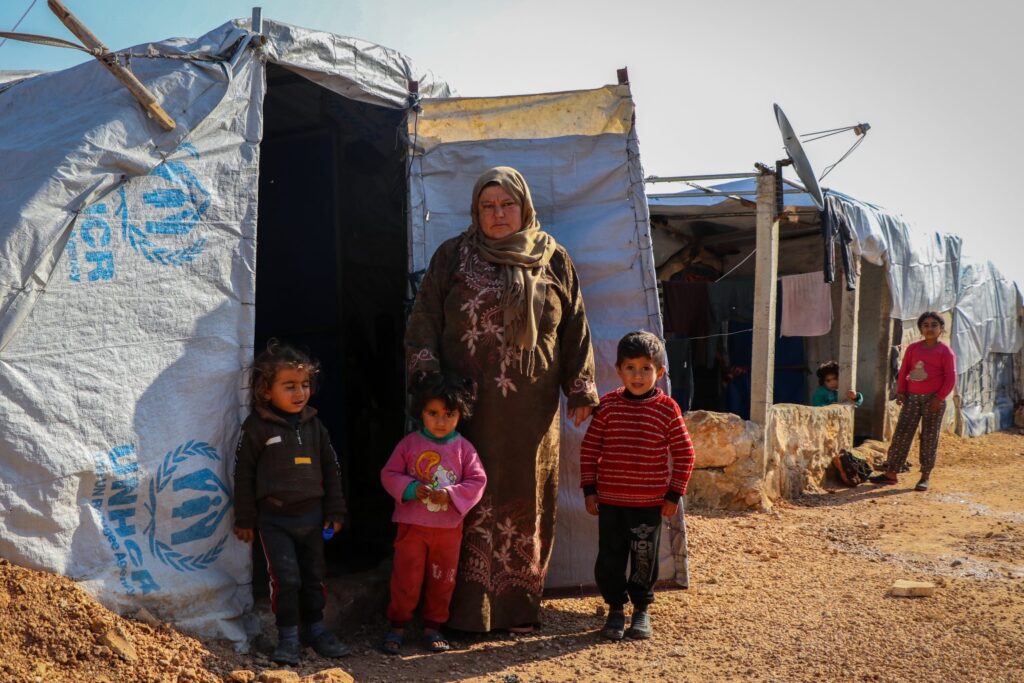
2023 marks almost 12 years since the peaceful uprising in Syria turned into an aggressive conflict provoking a regional humanitarian crisis. Since the offset, parties to the conflict have flagrantly violated human rights and international human rights law protections. 15.3 million people are expected to require humanitarian aid in 2023. This is a 1.9 million increase from 2021.
The estimated death toll is 400,000 people. However, reports suggest that this number underestimates the actual death toll. 12.3 million have been forced to flee the country, according to United Nations Office for the Coordination of Humanitarian Affairs, with 6.7 million currently internally displaced in Syria. As a result, Europe and neighbouring countries have endured significant pressure.
What is happening in Syria in January 2023?
Authorities Unlawfully Violate Civilian’s Rights
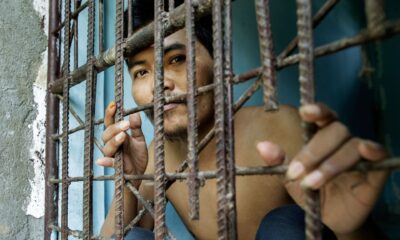
Syrian security forces and government-affiliated militias continue to detain, disappear, and mistreat civilians arbitrarily. Vulnerable groups such as children, people with disabilities, and the elderly living in retaken areas have signed so-called “reconciliation agreements”. However, their rights continue to be violated. Moreover, authorities unlawfully confiscate property and restrict freedom of movement to areas of origin for returning Syrian refugees.
In September 2022, the chair of the United Nations Independent International Commission of Inquiry (COI) on Syria warned that larger-scale fighting might return.
Syria is Unsafe For Returning Refugees
Syria remains unsafe for returning refugees. Even though intelligence services are not bombing some parts of Syria daily, at any moment, the regime can attack any house and kill, arrest, rape, torture or steal money from any family.
Syrians cannot fight back as the regime will not be held accountable for their actions. Despite this, countries such as Turkey and Lebanon began advocating for large-scale returns of Syrian refugees in 2022.
Millions Face Starvation and Denied Basic Human Rights
Currently, Idlib stands as the last anti-government territory in Syria. Despite a ceasefire, the Syrian-Russian military alliance still poses a threat to over 3 million civilians trapped in this territory. The anti-government armed groups continuously restrict their freedoms and deny the people their fundamental human rights.
Throughout 2022 the government diverted humanitarian aid from civilians as Syrians faced the worst economic crisis since the conflict began in 2011. Thus, millions face starvation and are malnourished with minimal access to food and clean water. Shockingly, an estimated 90% of Syrians lived below the poverty, and more than 600,000 children were chronically malnourished in 2022. A deadly cholera outbreak spread across northern Syria, leading to fears that it may reach other parts of the country.
Furthermore, electricity and fuel shortages resulted in millions of people without access to essential healthcare services. Moreover, the Syrian pound fell to record lows resulting in many state agencies being closed for several days at a time.
ISIS’s Territorial Defeat
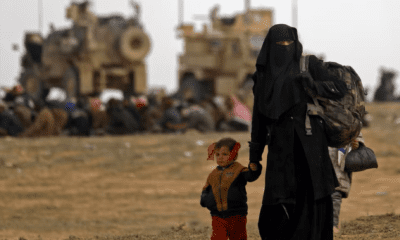
Turkey and local factions continuously violate human rights in Turkish-occupied territories with impunity. Following ISIS’s territorial defeat in northeast Syria, Kurdish-led authorities and the US-led coalition have yet to provide compensation for civilian casualties, offer support for identifying the fate of those kidnapped by ISIS, or address the tens of thousands of former ISIS family members that are trapped in camps and prisons. Consequently, this has led to a deteriorating security situation and higher risks of re-radicalization of those who escape.
Read more: The Repatriation of ISIS Children Detained in Camps in Northeast Syria 2022.
Bashar al-Assad Continues to Violate Human Rights
Syrian President Bashar al-Assad, backed by Iran and Russia, has emerged militarily victorious from the ongoing war. In May 2021, Bashar al-Assad secured a fourth term as president, meaning he will serve until 2028.
Moreover, the presidential elections did not occur under the auspices of the United Nations-led political process. Thus, the elections failed to adhere to standards for free and fair elections.
The Assad regime caused brutal repression, war crimes and crimes against humanity. Assad has used chemical weapons such as chlorine gas against civilians and conducted torture and extrajudicial killings. Assad used disproportionate aerial bombardment and shelling, resulting in millions of civilian casualties and trauma. There are ongoing international condemnation and widespread calls to convict Assad in the International Criminal Court (ICC). However, Syria has become a forgotten conflict in which the Assad regime’s crimes go unpunished.
Pederson’s “Six-Point Agenda”
Geir O. Pedersen of Norway, the UN Special Envoy for Syria, has appealed to the UN Council to shift these worrying dynamics by outlining a “six-point agenda” moving forward in 2023.
- Point 1: Stepping back from escalation and restoring relative calm on the ground.
- Point 2: Renew its framework to provide unfettered humanitarian access to all Syrians who require assistance.
- Point 3: Resume the meetings of the Syrian Constitutional Committee.
- Point 4: Pushing for the release of detained, disappeared and missing persons.
- Point 5: Improving and increasing dialogue towards identifying and implementing initial step-for-step confidence-building measures with Syrian stakeholders and international actors.
- Point 6: Increasing engagement with Syrian civil society, including the Syrian Women’s Advisory Board.
Western Media’s Selective Empathy to Humanitarian Crises
The Western media portrayed “selective empathy” towards various countries facing war and violence. Russia’s invasion of Ukraine is classified as “different”. Europeans considered Ukrainians as more “civilized” than those suffering in countries like Yemen, Libya, Ethiopia, Palestine and Syria. People on social media are now classifying the 2015 “refugee crisis” as a “racist crisis”.
Read more: Syria: A Growing Humanitarian Crisis Amid the Russia-Ukraine Conflict.
The despicable selective empathy, double standards and discrimination have uncovered a deep-rooted undertone of injustice across Western media. The West has ethnicity, “whiteness” and location as driving forces behind the amount of empathy shown.
Read more: Children in Syria with no Future.
International Actors Influencing Syria’s Humanitarian Crisis
Russia, Turkey, the United States, and Iran willingly provide military and financial aid to warring factions and allow the hostilities to continue with impunity across Syria.
Israel frequently conducted aerial strikes in Syria, in places such as Aleppo and Damascus airports, in 2022. According to the UN, the Israeli attack on Damascus International Airport in June 2022 disrupted the UN aid supply for approximately two weeks.
Concluding Thoughts
After nearly 12 years of conflict, Syrians need hope for the future. Syria’s forgotten conflict must be addressed before a catastrophic deterioration is reached in 2023.
Millions are desperately in need of humanitarian aid and are suffering. Syria is on the verge of another “flare-up” that could lead to the return of a large-scale war. Millions are dying in displacement camps as resources are becoming scarcer. Furthermore, donor fatigue is rising as other conflicts, and wars like Ukraine dominate media headlines.
We must continue to support UN cross-border humanitarian assistance in Northwest Syria and urge the members of the UN Security Council to renew the cross-border resolution. Moreover, as mentioned above, Pederson’s six-point agenda is imperative in alleviating the desperate humanitarian disaster that has been unfolding in Syria for many years.
Syria’s forgotten conflict must be of top international concern, and international human rights protections must be respected.








Featured
Gaza on the Brink Again: How the Rafah Border Closure Is Pushing 2 Million People Toward Extreme Hunger


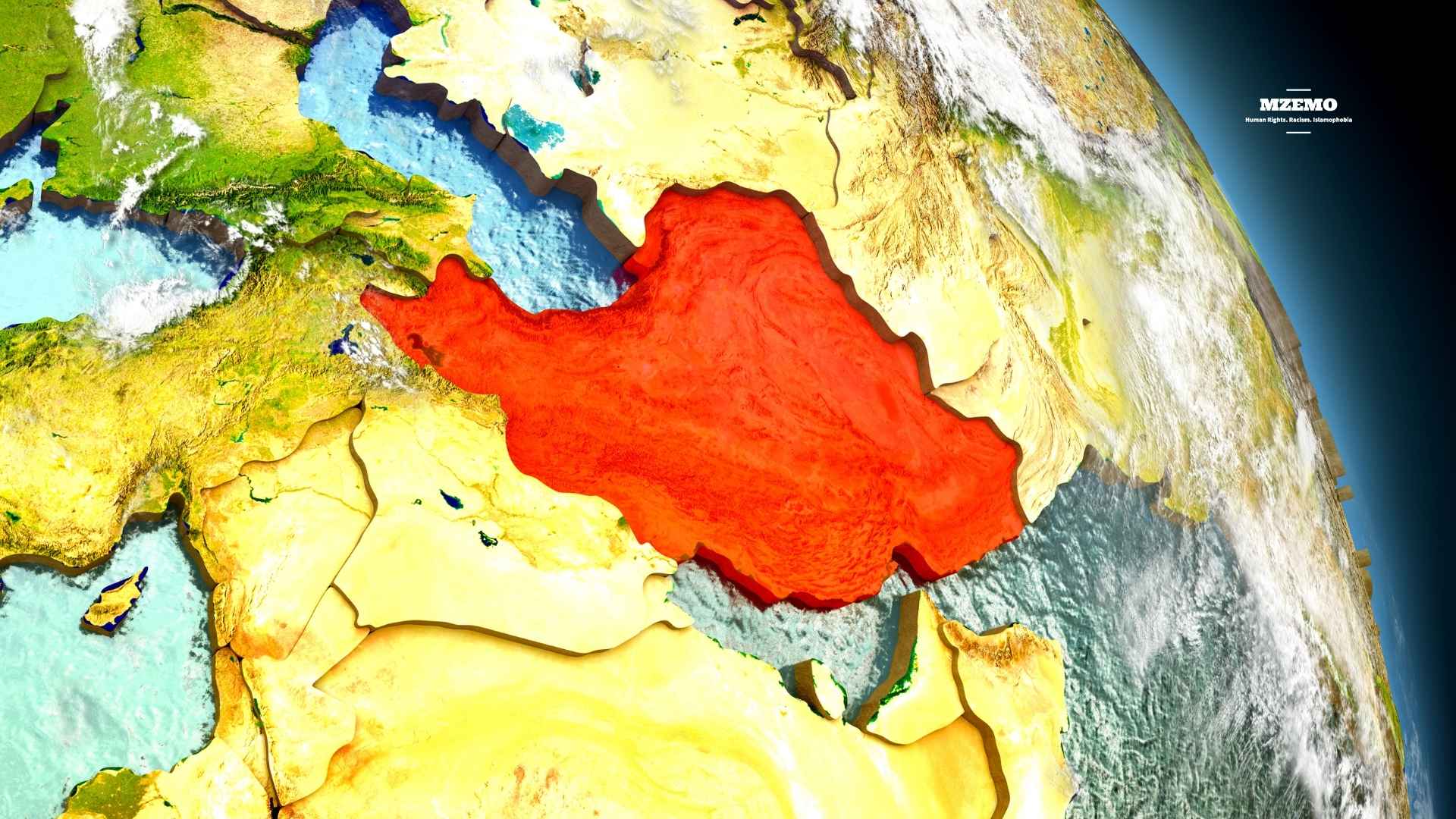
Across the globe, there are two dominating crisis headlines today: Israel’s blatant genocide in Gaza and the ongoing war between Israel-US and Iran. This war is undoubtedly imposed by Israel and the United States, labeling it necessary for peace.
Western governments and media houses frame their policies around the language of “security” and “stability”. There is a pattern of double standards that undermines international law, credibility, and humanity.
On one side stands Gaza, where more than 2.2 million Palestinians are being killed by Israel. It has produced one of the worst humanitarian catastrophes of the 21st Century. On the other hand, stands Iran, a country that is signatory to the Nuclear Non-Proliferation Treaty (NPT) yet faces sanctions, threats, and even attacks on its civilians.
Why are some countries given carte blanche and strategic exceptions while others face relentless punishment?
Gaza: A Genocide in Plain Sight
Since the beginning of Israel’s large-scale assault on Gaza, the humanitarian impact has been staggering. According to Palestinian health authorities and international humanitarian organizations, more than 80,000 Palestinians have been killed, with a large proportion of the victims being women and children.
Entire neighborhoods across Gaza have been reduced to rubble. The United Nations reports that the vast majority of Gaza’s population has been displaced, many of them forced to move multiple times as Israeli military operations expanded across the territory.
This is the purest form of genocide in modern human history. The scale of destruction, starvation, and forced displacement goes far beyond conventional warfare. However, not all media groups are showing the real picture. Western media is showing its unquestioned support for Israel even during the most heinous crimes against humanity.
Western Silence and Political Protection
The United States remains Israel’s closest international ally. According to data from the U.S. Congressional Research Service, Washington provides Israel with approximately $3.8 billion in annual military assistance under long term defense agreements.
Beyond military aid, Western governments have repeatedly shielded Israel from international accountability. In diplomatic arenas such as the United Nations Security Council, attempts to impose sanctions or demand ceasefires have often been blocked or diluted.
This pattern represents a profound contradiction: while Western leaders frequently emphasize human rights and international law, their response to the devastation in Gaza appears far more restrained than in other global conflicts.

Israel’s Nuclear Arsenal: The Middle East’s Open Secret
Another major source of controversy lies in the nuclear dimension of Middle Eastern politics.
Israel is widely believed by international experts to possess between 80 and 200 nuclear warheads, developed through its long-standing nuclear program centered around the Dimona facility in the Negev desert.
Yet Israel maintains a policy known as “nuclear ambiguity” — neither confirming nor denying the existence of its nuclear arsenal.
More importantly, Israel is not a signatory to the Nuclear Non-Proliferation Treaty (NPT), the global framework designed to prevent the spread of nuclear weapons.
Just because it operates outside the NPT system, Israel’s nuclear facilities are not subject to full international inspections by the International Atomic Energy Agency (IAEA).
Despite this reality, Western governments rarely criticize Israel’s nuclear capabilities or call for sanctions related to its weapons program.
Iran and the Nuclear Non-Proliferation Treaty
On the other hand, Iran’s nuclear program exists in a very different legal context.
Unlike Israel, Iran signed and ratified the Nuclear Non-Proliferation Treaty in 1970, which means it is legally permitted to pursue nuclear technology for peaceful purposes such as energy production and scientific research.
Under the NPT framework, Iran’s nuclear facilities are supposed to operate under international monitoring by the International Atomic Energy Agency (IAEA).
Nevertheless, Iran has faced decades of economic sanctions and intense political pressure from Western governments, which argue that its uranium enrichment activities could eventually lead to nuclear weapons development. However, Iranian officials insist that their nuclear program is intended solely for civilian purposes.
Attacks on Iran and the Broader Muslim World
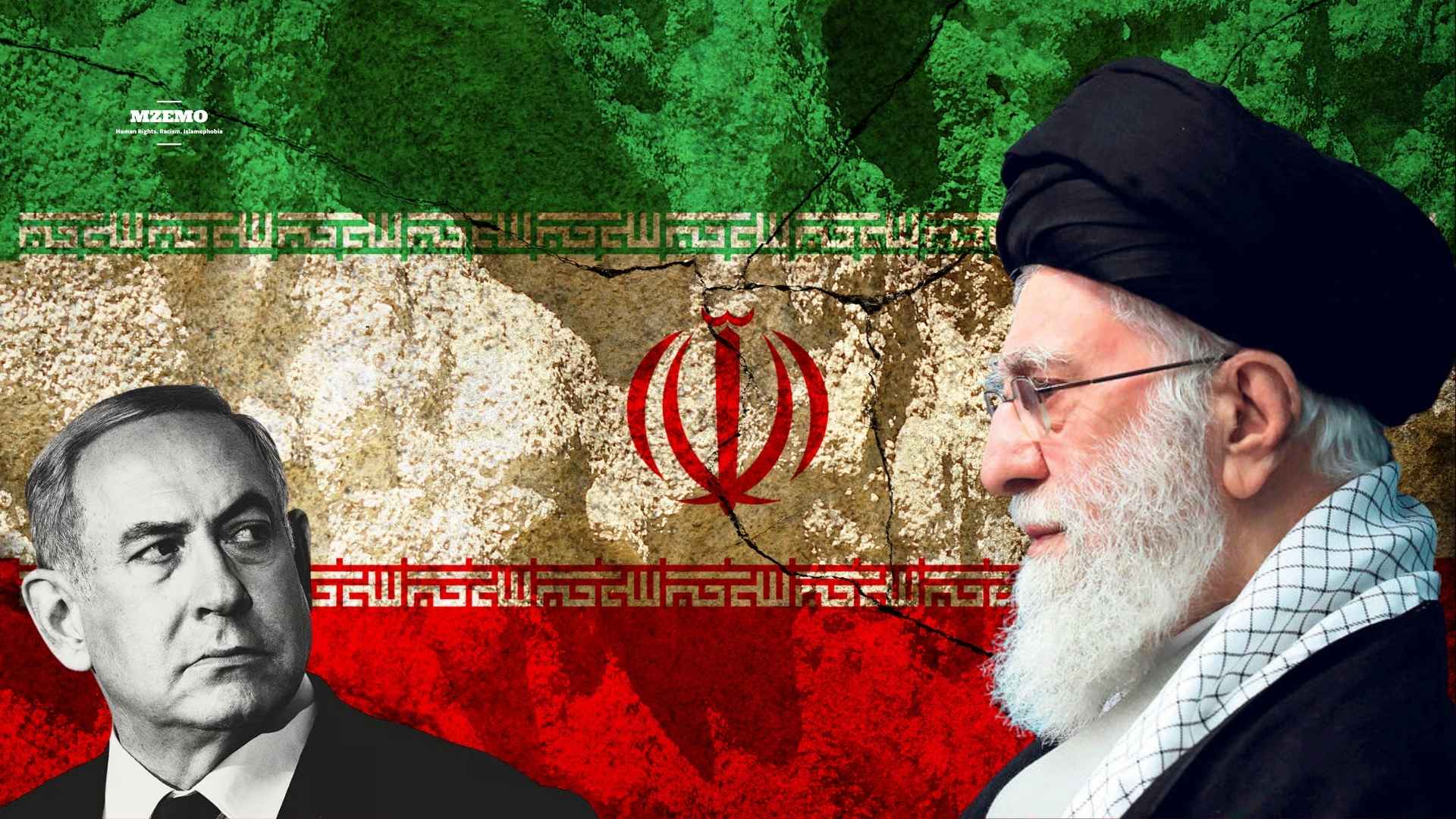
Recent tensions have further escalated the crisis. Israel and the United States have carried out strikes targeting Iranian nuclear facilities, including sites associated with uranium enrichment. The assassination of Iran’s Supreme Leader Ayatollah Ali Khamenei, along with other high-ranking officials show how brutal these strikes are.
Just like in Gaza, Iran’s civilians are also being attacked. One such example is the recent bombing of a girls’ school in Iran in which more than a hundred innocent children and teachers were killed. Such attacks raise serious concerns among international security experts.
Moreover, striking nuclear infrastructure carries enormous risks, including the possibility of radioactive contamination and the potential collapse of global nuclear non-proliferation efforts. Some analysts argue that military attacks on nuclear facilities could actually push targeted states to accelerate weapons development rather than abandon it.
Ultimately, these strikes represent another example of selective enforcement of international norms.
From Gaza to Tehran: A Crisis of Global Credibility
The combined effect of these policies has produced a growing crisis of credibility for the international system.
International law is being applied selectively, enforced strictly against adversaries, while ignored when allies are involved.
From the ruins of Gaza to the nuclear facilities of Iran, the politics of power continue to shape the Middle East in profound ways.
For millions of people across the region, the question is not merely about military strategy or diplomatic rivalry. It is about whether international law truly applies equally to all nations — or whether global justice remains dependent on political alliances.
Until those questions are addressed, the perception of double standards will continue to fuel anger, instability, and distrust across the Middle East and beyond.
Crimes Against Humanity
Shockwaves Across the Gulf: How the US–Israel Strike on Iran Could Redraw the Region
-
 Featured2 years ago
World passively watching as Israel perpetrates open-ended massacre in Gaza
-
Featured3 years ago
Argentina wins the World Cup; are there any other winners?
-
Featured2 years ago
Israel is Hiding Crucial Demographic Facts About Palestinians
-
Featured5 years ago
History of the Ottoman Empire
-
Featured3 years ago
Christian militia infiltrate Lebanon
-
Featured5 years ago
“Do Not Waste Water Even If You Were at a Running Stream” Prophet Muhammad
-
Featured2 years ago
Muhammed: The Greatest Man to walk on Earth
-
Featured4 years ago
World Leaders Remain Silent Over Human Rights Violations in the UAE














