Featured
Delhi Air Pollution: 18 Million People at the Risk of Severe Health Problems

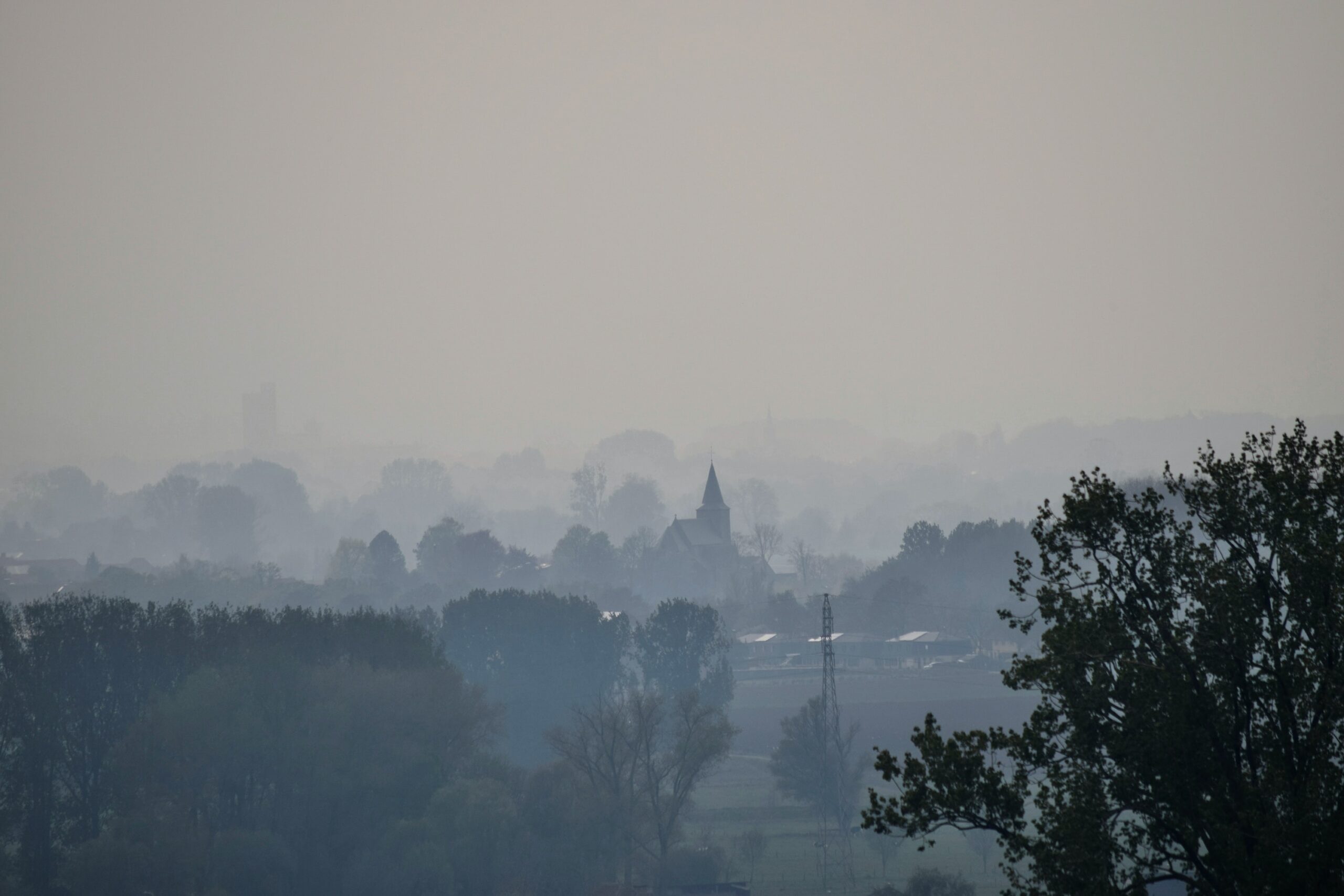
Delhi Air Pollution: Delhi, the capital of India, is one of the most polluted cities in the world. But winter is especially cruel here. Each year, October, November, and December bring together an exceptionally dirty environment, where over 18 million people are forced to live with a quilt of smog covering the capital and nearing cities.
2022 is nothing different. With the Air Pollution Index (API) at 337, the condition of Delhi’s environment is worsening.
The big question now is: what causes such disastrous air pollution in Delhi? What are the inferno reasons that pollute the air of entire northern India? And how are Delhites coping with the pollution?
An Overview of the Problem: Delhi Air Pollution
According to an India Today Web Desk article, Delhi has topped the list of the most polluted cities worldwide for the fourth consecutive year. The survey was initiated by SoGA, where the organization listed 20 polluted cities around the world in which Delhi ranked in the first position.
The air quality here in Delhi gets so bad in winter that the government needs to declare a public health emergency in response to exacerbating air pollution.
Like every year, the state government shut down schools, stalled all construction and industrial activities, and implemented an odd-even scheme traffic rotation to prevent air pollution.
“We can’t see the skyline. The air is unbreathable and traveling to work is extremely dangerous as you can see anything after 2 meters in the smog. This is not severe! This is an emergency—the next level of severity.”
Abhishek singh, a Delhi resident told mzemo
This condition happens every year when Delhi experiences a massive spike in air pollution—unfortunately, initiating the reason for two deaths in the country “EVERY MINUTE.”
What is Behind Delhi Air Pollution?
The unfortunate thing about the population of Delhi and the Delhi government is that they are not entirely responsible for the severe air pollution in their state.
According to SAFAR (System of Air Quality and Weather Forecasting and Research), 48% of Delhi’s air pollution is responsible for stubble burning in Punjab and Haryana.
Delhi’s AQI has been in the severe zone (401-500) for seven days between October 20 and November 14 this year. The percentage of farm fires that contributed to Delhi’s PM 2.5 on each of these days ranged from 26% to 48%.
The primary contributors to the dangerous situation in Delhi include
Stubble Burners – The Deed Owners
Though stubble burning has been an agricultural practice for centuries, the combined mechanical harvesters leave behind the stalk of the crop in the soil, which is around 2 feet high.
Therefore, to save money and time, farmers, instead of cutting the remaining stalk, set fire to the entire field so that a new batch of crops could be grown as soon as possible.
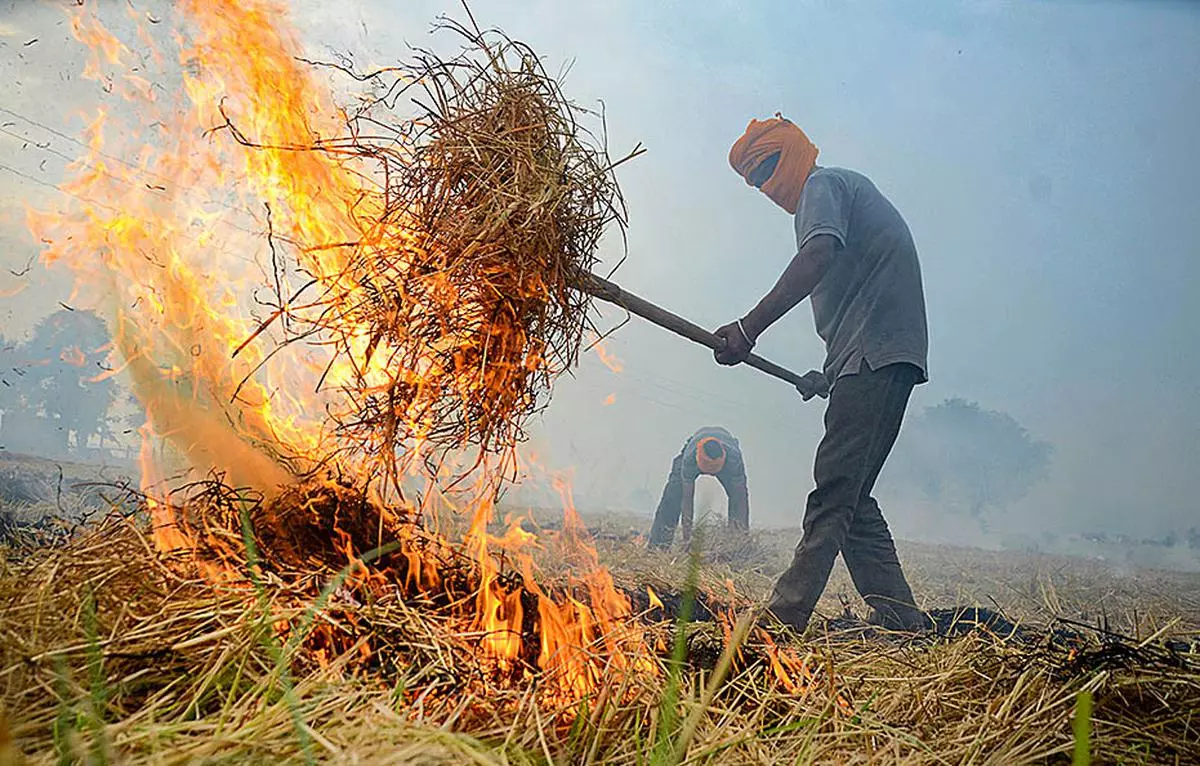
After the year 2009, stubble burning became even more popular when the governments of Haryana and Punjab passed a law order to conserve water.
However, despite the concerning issue of air pollution in the past few years, the stubble-burning culture still continues.
The Himalayan Cool Winds Worsen the Delhi Air Pollution
The stubble burning in Punjab, Haryana, and Western UP creates fumes that blow away toward Delhi due to the strong winds during winter.
Combined with the cold winds coming from the Himalayas, this smoke gets trapped in Delhi’s air due to temperature inversion. The Himalayan mountain acts like a kind of barrier for Delhi, directing the smoke towards the capital.

Additionally, the weather also plays a significant role in worsening Delhi’s pollution. During the winters, cold mountain air rushes down from the Himalayas towards Delhi. Arriving cold air from the Himalayas beneath a layer of warm lowland air creates a dome over the state.
The warm air keeps pollution trapped on the ground with nowhere to go. So when stubble fire smoke reaches Delhi, it blends with urban pollution and forms toxic smog.
All these reasons combined, Delhi experiences dangerous air pollution that is so high that even air quality meters cannot accurately gauge its level.
The Co-Partners of Stubble Burners
During October-November, India celebrates their premier festival of Diwali, where lighting crackers worsen the situation in Delhi.

When the weather was considered, the survey discovered increases in PM2.5 concentrations, one of the most dangerous particles for human health, to approximately 40% high on the second day of the festival.
The Delhi government, however, made significant efforts to reduce the effects of burning crackers in Delhi pollution but failed to implement it thoroughly.
Stubble burning in Punjab and Haryana peaks in October end- and November. While the contribution of Diwali crackers significantly affects the air quality of Delhi.
Nevertheless, the contribution of stubble burning is Delhi’s primary cause of air pollution.
Delhi Air Pollution: The Solution
The unique geographical location of Delhi, coupled with its huge population, puts the state in a fragile position. In the interview with Mzemo, Abhishek said that the condition is getting worse every year.
However, there are a few solutions.
The controllable thing for Delhi is to use public transport, the Metro, or trains to travel. Secondly, reduce the waste or bifurcate the plastics and dry waste from wet. Third, implement strict rules and regulations against the Punjab and Haryana governments.
And most importantly, the government needs to come up with policies that to restore quality air in Delhi, especially when the life of 18 million people are at risk.
Read Next: COP27 Climate Change Summit: Greenwashing Scam Imperilling Human Rights

Featured
Gaza on the Brink Again: How the Rafah Border Closure Is Pushing 2 Million People Toward Extreme Hunger


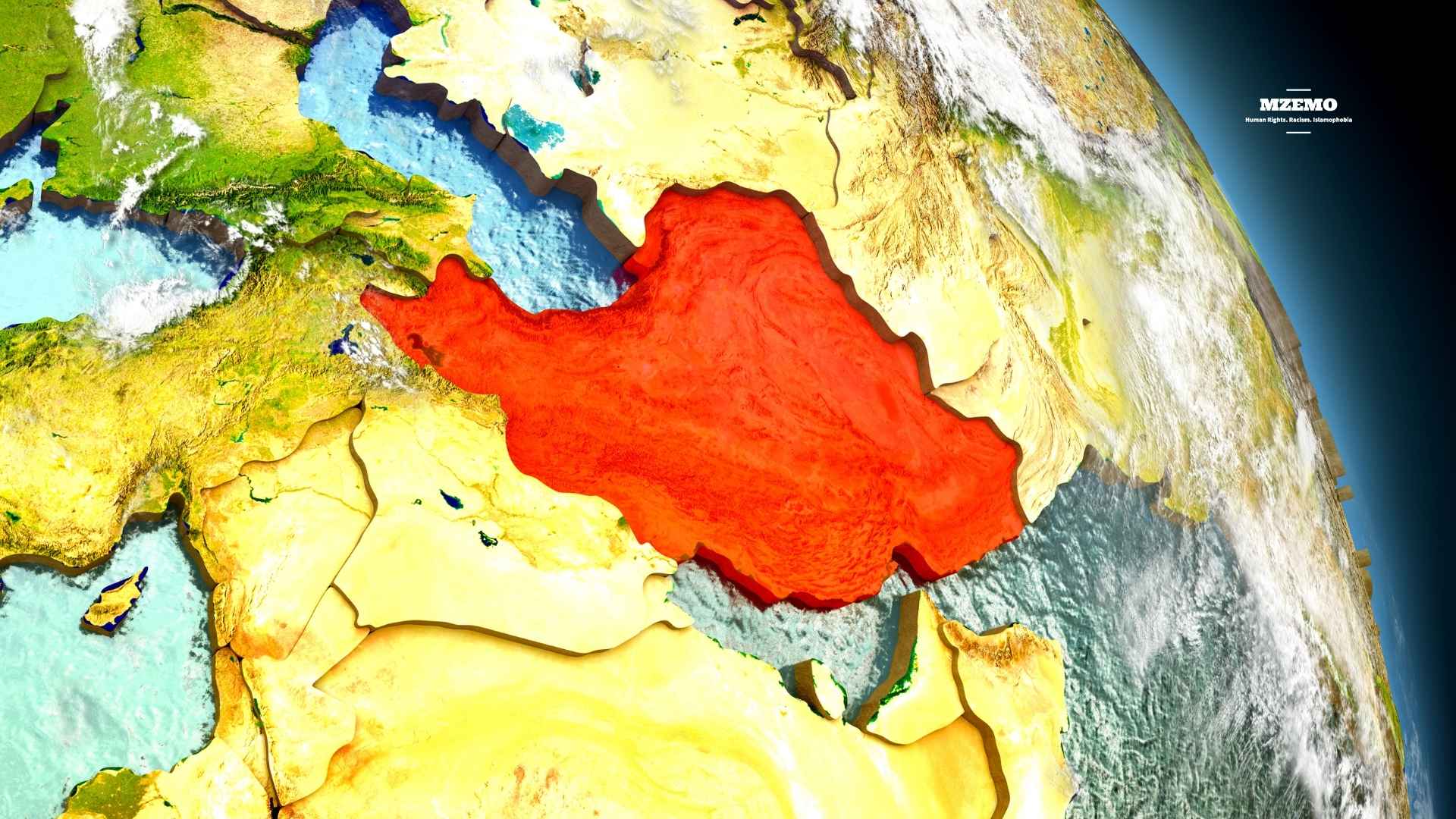
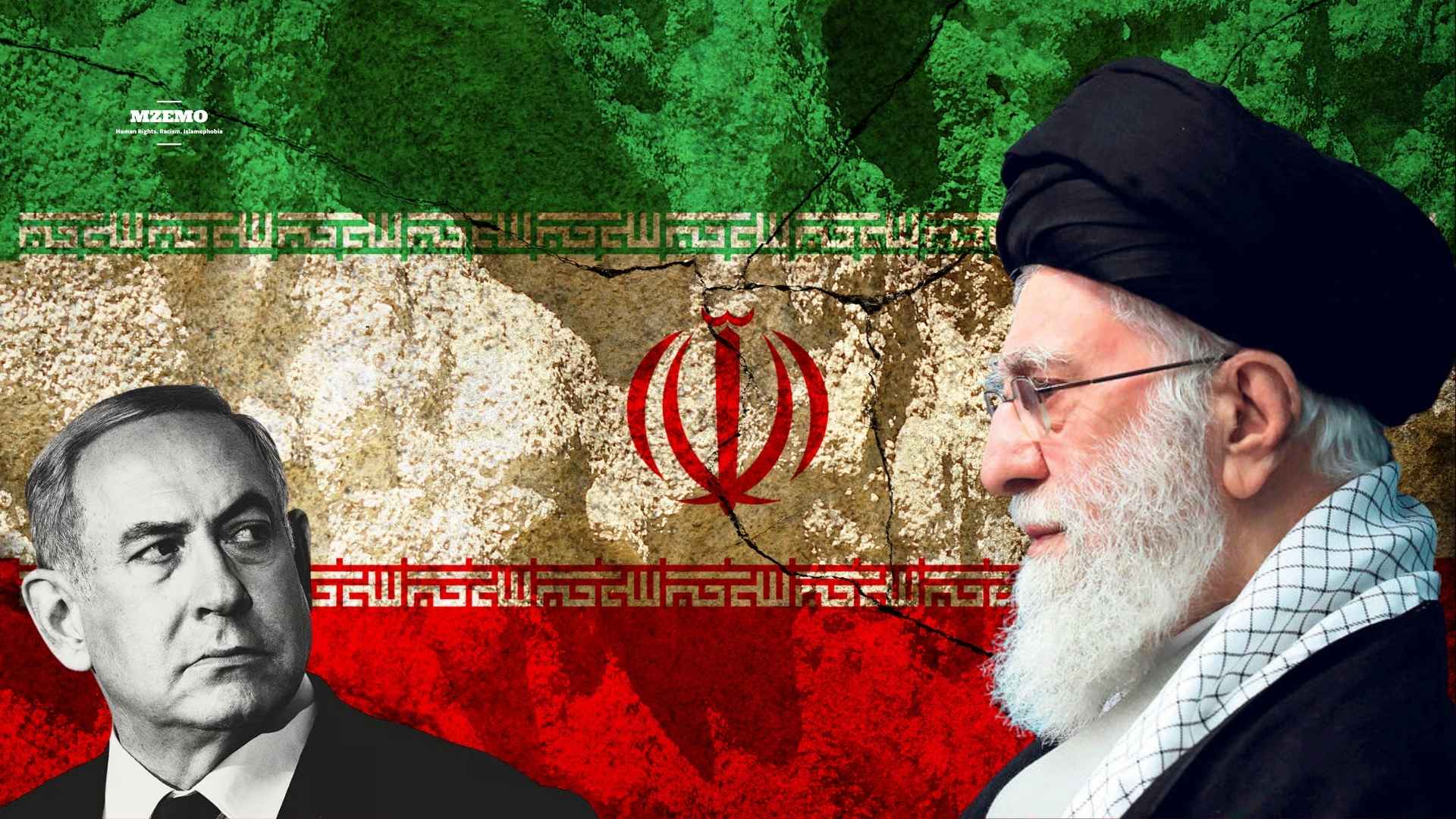
Across the globe, there are two dominating crisis headlines today: Israel’s blatant genocide in Gaza and the ongoing war between Israel-US and Iran. This war is undoubtedly imposed by Israel and the United States, labeling it necessary for peace.
Western governments and media houses frame their policies around the language of “security” and “stability”. There is a pattern of double standards that undermines international law, credibility, and humanity.
On one side stands Gaza, where more than 2.2 million Palestinians are being killed by Israel. It has produced one of the worst humanitarian catastrophes of the 21st Century. On the other hand, stands Iran, a country that is signatory to the Nuclear Non-Proliferation Treaty (NPT) yet faces sanctions, threats, and even attacks on its civilians.
Why are some countries given carte blanche and strategic exceptions while others face relentless punishment?
Gaza: A Genocide in Plain Sight
Since the beginning of Israel’s large-scale assault on Gaza, the humanitarian impact has been staggering. According to Palestinian health authorities and international humanitarian organizations, more than 80,000 Palestinians have been killed, with a large proportion of the victims being women and children.
Entire neighborhoods across Gaza have been reduced to rubble. The United Nations reports that the vast majority of Gaza’s population has been displaced, many of them forced to move multiple times as Israeli military operations expanded across the territory.
This is the purest form of genocide in modern human history. The scale of destruction, starvation, and forced displacement goes far beyond conventional warfare. However, not all media groups are showing the real picture. Western media is showing its unquestioned support for Israel even during the most heinous crimes against humanity.
Western Silence and Political Protection
The United States remains Israel’s closest international ally. According to data from the U.S. Congressional Research Service, Washington provides Israel with approximately $3.8 billion in annual military assistance under long term defense agreements.
Beyond military aid, Western governments have repeatedly shielded Israel from international accountability. In diplomatic arenas such as the United Nations Security Council, attempts to impose sanctions or demand ceasefires have often been blocked or diluted.
This pattern represents a profound contradiction: while Western leaders frequently emphasize human rights and international law, their response to the devastation in Gaza appears far more restrained than in other global conflicts.

Israel’s Nuclear Arsenal: The Middle East’s Open Secret
Another major source of controversy lies in the nuclear dimension of Middle Eastern politics.
Israel is widely believed by international experts to possess between 80 and 200 nuclear warheads, developed through its long-standing nuclear program centered around the Dimona facility in the Negev desert.
Yet Israel maintains a policy known as “nuclear ambiguity” — neither confirming nor denying the existence of its nuclear arsenal.
More importantly, Israel is not a signatory to the Nuclear Non-Proliferation Treaty (NPT), the global framework designed to prevent the spread of nuclear weapons.
Just because it operates outside the NPT system, Israel’s nuclear facilities are not subject to full international inspections by the International Atomic Energy Agency (IAEA).
Despite this reality, Western governments rarely criticize Israel’s nuclear capabilities or call for sanctions related to its weapons program.
Iran and the Nuclear Non-Proliferation Treaty
On the other hand, Iran’s nuclear program exists in a very different legal context.
Unlike Israel, Iran signed and ratified the Nuclear Non-Proliferation Treaty in 1970, which means it is legally permitted to pursue nuclear technology for peaceful purposes such as energy production and scientific research.
Under the NPT framework, Iran’s nuclear facilities are supposed to operate under international monitoring by the International Atomic Energy Agency (IAEA).
Nevertheless, Iran has faced decades of economic sanctions and intense political pressure from Western governments, which argue that its uranium enrichment activities could eventually lead to nuclear weapons development. However, Iranian officials insist that their nuclear program is intended solely for civilian purposes.
Attacks on Iran and the Broader Muslim World
Recent tensions have further escalated the crisis. Israel and the United States have carried out strikes targeting Iranian nuclear facilities, including sites associated with uranium enrichment. The assassination of Iran’s Supreme Leader Ayatollah Ali Khamenei, along with other high-ranking officials show how brutal these strikes are.
Just like in Gaza, Iran’s civilians are also being attacked. One such example is the recent bombing of a girls’ school in Iran in which more than a hundred innocent children and teachers were killed. Such attacks raise serious concerns among international security experts.
Moreover, striking nuclear infrastructure carries enormous risks, including the possibility of radioactive contamination and the potential collapse of global nuclear non-proliferation efforts. Some analysts argue that military attacks on nuclear facilities could actually push targeted states to accelerate weapons development rather than abandon it.
Ultimately, these strikes represent another example of selective enforcement of international norms.
From Gaza to Tehran: A Crisis of Global Credibility
The combined effect of these policies has produced a growing crisis of credibility for the international system.
International law is being applied selectively, enforced strictly against adversaries, while ignored when allies are involved.
From the ruins of Gaza to the nuclear facilities of Iran, the politics of power continue to shape the Middle East in profound ways.
For millions of people across the region, the question is not merely about military strategy or diplomatic rivalry. It is about whether international law truly applies equally to all nations — or whether global justice remains dependent on political alliances.
Until those questions are addressed, the perception of double standards will continue to fuel anger, instability, and distrust across the Middle East and beyond.
Crimes Against Humanity
Shockwaves Across the Gulf: How the US–Israel Strike on Iran Could Redraw the Region
-
 Featured2 years ago
World passively watching as Israel perpetrates open-ended massacre in Gaza
-
Featured3 years ago
Argentina wins the World Cup; are there any other winners?
-
Featured2 years ago
Israel is Hiding Crucial Demographic Facts About Palestinians
-
Featured5 years ago
History of the Ottoman Empire
-
Featured3 years ago
Christian militia infiltrate Lebanon
-
Featured5 years ago
“Do Not Waste Water Even If You Were at a Running Stream” Prophet Muhammad
-
Featured2 years ago
Muhammed: The Greatest Man to walk on Earth
-
Featured4 years ago
World Leaders Remain Silent Over Human Rights Violations in the UAE