Featured
Bilkis Bano & Freed Gang Rape Murder-Convicts: An Explainer

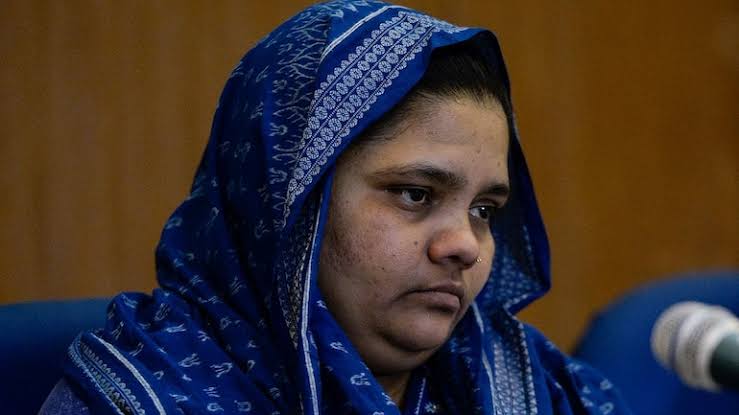
Bilkis Bano, the victim of a horrendous gangrape that scarred her physically, mentally, and emotionally is once again scared with no hope in sight. Her 11 convicts, who were sentenced to life imprisonment, are now released after serving just 14 years in prison.
But who is Bilkis Bano? What happened with her? What is behind the controversial release of her 11 gangrape convicts? And, is there really no hope in sight?
Here’s everything you need to know:
Who is Bilkis Bano?
The 28 February 2002 horrific train blazing incident that killed 59 Hindu pilgrims sparked a communal riot that would go on to cost 1000+ lives, with over 25,000 injured, 223 missing, and hundreds raped. One of the most brutal riots in modern India.
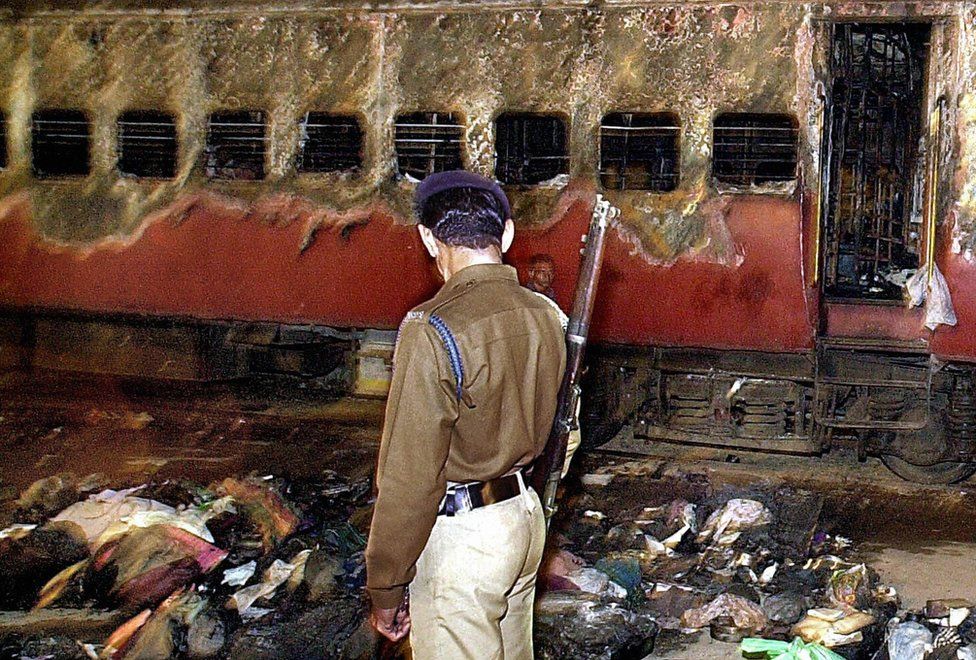
Amongst the murdered, injured, and raped, was the family of Bilkis Bano.
Bilkis Bano was a 21-year-old woman who made headlines post-2002 Gujrat Riots. As the riots blazed, Muslim and Hindu extremists started brutal attacks against each other in different parts of Gujrat. And to escape the violence, Bilkis Bano (who was only five months pregnant) and her family left their hometown and reached Chapparwad Village on 3 March 2002.
It was in Chapparwad where a group of 30 men armed with sickles and swords attacked her family. The attackers took turns gangraping her, her mother, and three other women. On that dreadful day, Bilkis lost 14 of her family members, including her 3-years-old daughter.
Upon regaining consciousness, Bilkis borrowed clothing from an Adivasi woman and headed to the Limkheda police station in the Dahod district to make a complaint. However, the chief constable wrote a distorted version of the incident and allegedly dismissed her case upon apparent lack of evidence.
But, this was only the beginning of her suffering in the fight for justice.
Bilkis Bano’s Pursuit for Justice
Upon receiving negligible help and security from the Limkheda police, Bilkis approached human rights NGO, the National Human Right Commission. This forced the supreme court to hand her case to the Central Bureau of Investigation (CBI).
The CBI unearthed the victim’s dead bodies. But, due to the absence of skulls, the bodies could not be recognized. Upon further investigation, it was found that even the post-mortem reports were tampered with.
Throughout the trials, she was threatened. However, after receiving multiple death threats, Bilkis urged the court to move the trail from Gujrat to Maharashtra.
The trial in Marashatra resulted in 19 arrests, including the culprits, police offerers, and a doctor.
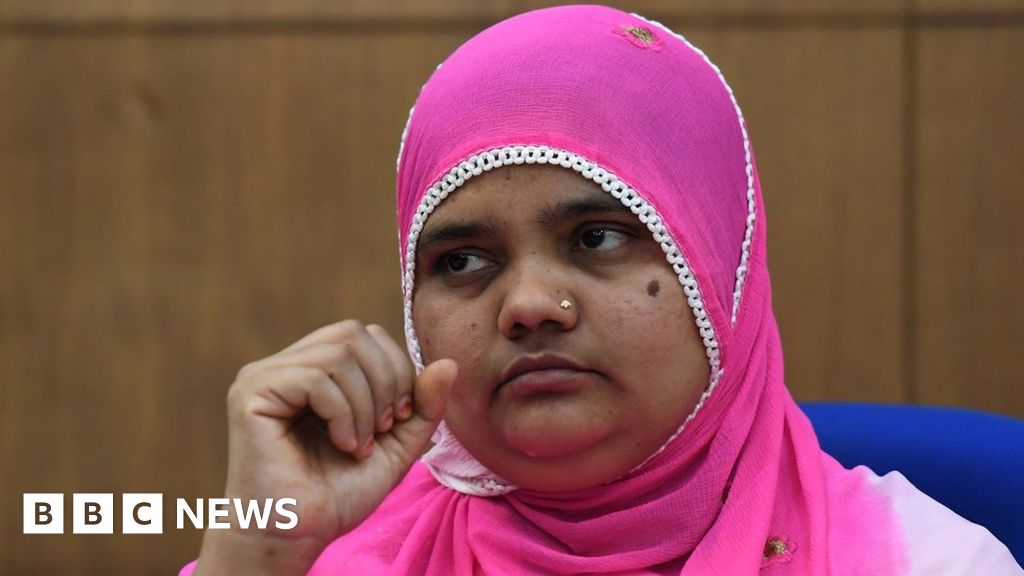
Finally, Bikils’s pursuit for justice came to an end in January 2008, when 13 men were convicted of raping a pregnant woman, murders, unlawful assembly, and other charges under the Indian Penal Code. Amongst them, 11 were sentenced to life imprisonment.
Moreover, in 2019, the SC ordered the Gujrat government to give Bilkis a compensation of Rs. 50 Lakhs (INR 5 million), along with a home and a government job.
But, the premature release of the convicts in the past weeks changes the course of the case. This has also forced the world to question the obscurity of the court.
Why are the Convicts Released?
The release of prisoners in India is not uncommon. Usually, on prominent leaders’ birth and death anniversaries, the governors and the President use their ‘power to pardon‘ to release prisoners who have completed at least half of their sentence.
In the case of Bilkis Bano, Radheshyam Shah, one of the convicts, approached the Supreme Court with a plea to release after serving 15 years and four months in prison.

This led a Bench of Justices, Ajay Rastogi and Vikram Nath, to order the Gujrat government to consider Shah’s application for premature release, as per the state’s 1992 Remission Policy. And, since all the prisoners have already served over 14 years in prison, the government decide to approve the premature release of all the 11 convicts.
And on Monday, the 11 convicts walked out of the Godhra sub-jail.
The Backlash
The BJP, which is in power in Gujarat and the Center, has come under fire from opposition politicians throughout the nation over the action. Mahua Moitra of the Trinamool Congress was one of the petitioners who opposed the release.
Not just the remission but also the accompanying celebration of the prisoners had caused a great deal of resentment. Earlier this week, Devendra Fadnavis, the deputy chief minister of Maharashtra, stated that the
“felicitation could not be justified.”
The prisoners were released after serving over 14 years in prison. They were released as a result of a Supreme Court directive. But felicitating any guilty person is wrong. Such actions cannot be excused because an accused is an accused, he added.
Furthermore, more than 6,000 people, including well-known campaigners, have recently written to the SC about prisoners who were just released from jail.
Bilkis Bano Case: “We are Now Scared”
In an interview with the Wire, Yakub Rasul, Bilkis Bano’s husband, said:
“We are now scared of what will happen. We are not sure as to what we will do now because we feel that there is no hope. There is nothing left for us to do now.”
It is political obscenity for the life sentences of the Gujrat gangrape criminals to be commuted, and their celebratory “welcome” is a national disgrace. The rapists must go back to jail to finish out their term, and Bilkis Bano is due an apology.
Also Read: Kashmiri Leader Yasin Malik Is Sentenced To Life Imprisonment
Featured
Gaza on the Brink Again: How the Rafah Border Closure Is Pushing 2 Million People Toward Extreme Hunger


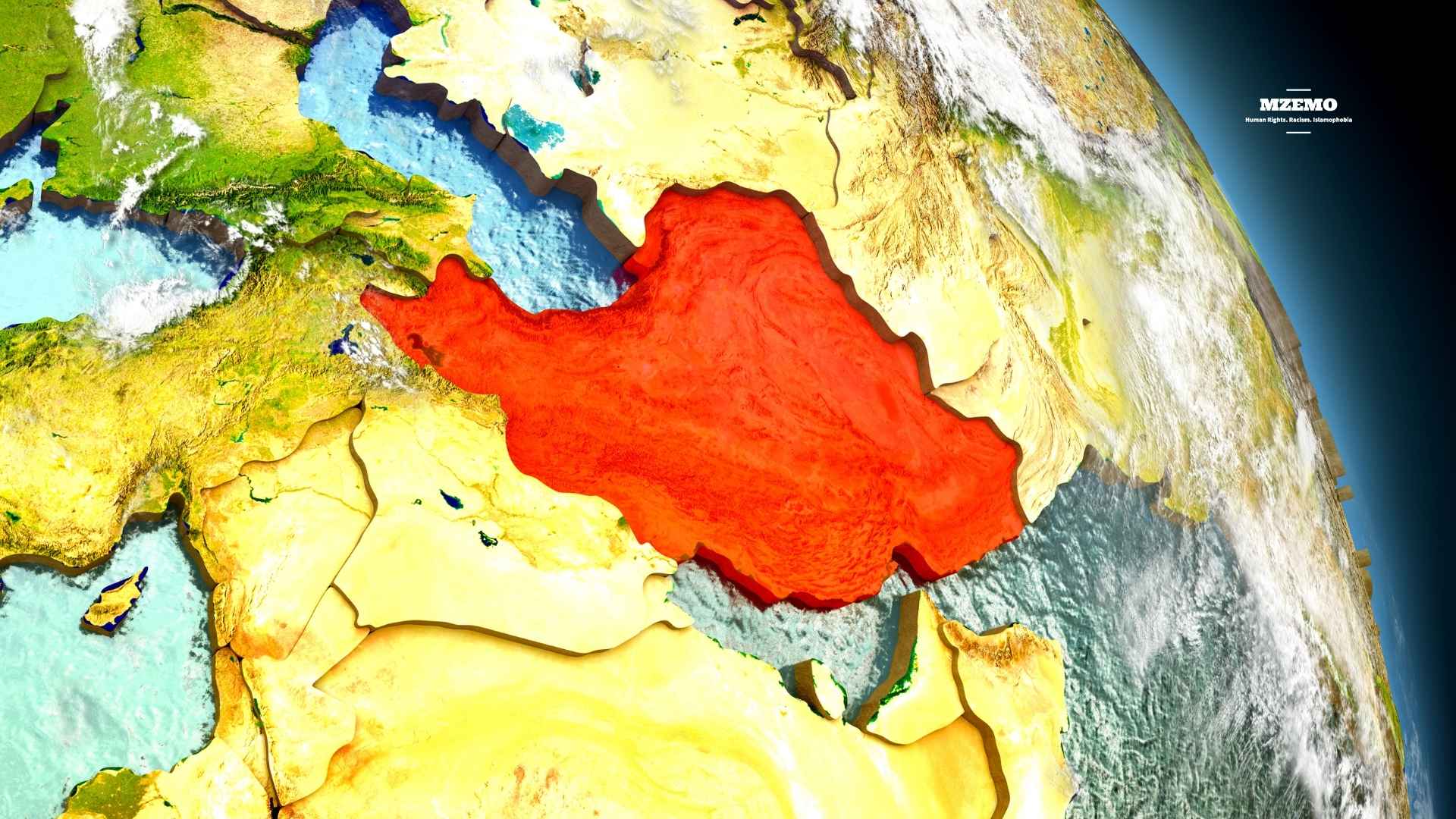
Across the globe, there are two dominating crisis headlines today: Israel’s blatant genocide in Gaza and the ongoing war between Israel-US and Iran. This war is undoubtedly imposed by Israel and the United States, labeling it necessary for peace.
Western governments and media houses frame their policies around the language of “security” and “stability”. There is a pattern of double standards that undermines international law, credibility, and humanity.
On one side stands Gaza, where more than 2.2 million Palestinians are being killed by Israel. It has produced one of the worst humanitarian catastrophes of the 21st Century. On the other hand, stands Iran, a country that is signatory to the Nuclear Non-Proliferation Treaty (NPT) yet faces sanctions, threats, and even attacks on its civilians.
Why are some countries given carte blanche and strategic exceptions while others face relentless punishment?
Gaza: A Genocide in Plain Sight
Since the beginning of Israel’s large-scale assault on Gaza, the humanitarian impact has been staggering. According to Palestinian health authorities and international humanitarian organizations, more than 80,000 Palestinians have been killed, with a large proportion of the victims being women and children.
Entire neighborhoods across Gaza have been reduced to rubble. The United Nations reports that the vast majority of Gaza’s population has been displaced, many of them forced to move multiple times as Israeli military operations expanded across the territory.
This is the purest form of genocide in modern human history. The scale of destruction, starvation, and forced displacement goes far beyond conventional warfare. However, not all media groups are showing the real picture. Western media is showing its unquestioned support for Israel even during the most heinous crimes against humanity.
Western Silence and Political Protection
The United States remains Israel’s closest international ally. According to data from the U.S. Congressional Research Service, Washington provides Israel with approximately $3.8 billion in annual military assistance under long term defense agreements.
Beyond military aid, Western governments have repeatedly shielded Israel from international accountability. In diplomatic arenas such as the United Nations Security Council, attempts to impose sanctions or demand ceasefires have often been blocked or diluted.
This pattern represents a profound contradiction: while Western leaders frequently emphasize human rights and international law, their response to the devastation in Gaza appears far more restrained than in other global conflicts.

Israel’s Nuclear Arsenal: The Middle East’s Open Secret
Another major source of controversy lies in the nuclear dimension of Middle Eastern politics.
Israel is widely believed by international experts to possess between 80 and 200 nuclear warheads, developed through its long-standing nuclear program centered around the Dimona facility in the Negev desert.
Yet Israel maintains a policy known as “nuclear ambiguity” — neither confirming nor denying the existence of its nuclear arsenal.
More importantly, Israel is not a signatory to the Nuclear Non-Proliferation Treaty (NPT), the global framework designed to prevent the spread of nuclear weapons.
Just because it operates outside the NPT system, Israel’s nuclear facilities are not subject to full international inspections by the International Atomic Energy Agency (IAEA).
Despite this reality, Western governments rarely criticize Israel’s nuclear capabilities or call for sanctions related to its weapons program.
Iran and the Nuclear Non-Proliferation Treaty
On the other hand, Iran’s nuclear program exists in a very different legal context.
Unlike Israel, Iran signed and ratified the Nuclear Non-Proliferation Treaty in 1970, which means it is legally permitted to pursue nuclear technology for peaceful purposes such as energy production and scientific research.
Under the NPT framework, Iran’s nuclear facilities are supposed to operate under international monitoring by the International Atomic Energy Agency (IAEA).
Nevertheless, Iran has faced decades of economic sanctions and intense political pressure from Western governments, which argue that its uranium enrichment activities could eventually lead to nuclear weapons development. However, Iranian officials insist that their nuclear program is intended solely for civilian purposes.
Attacks on Iran and the Broader Muslim World
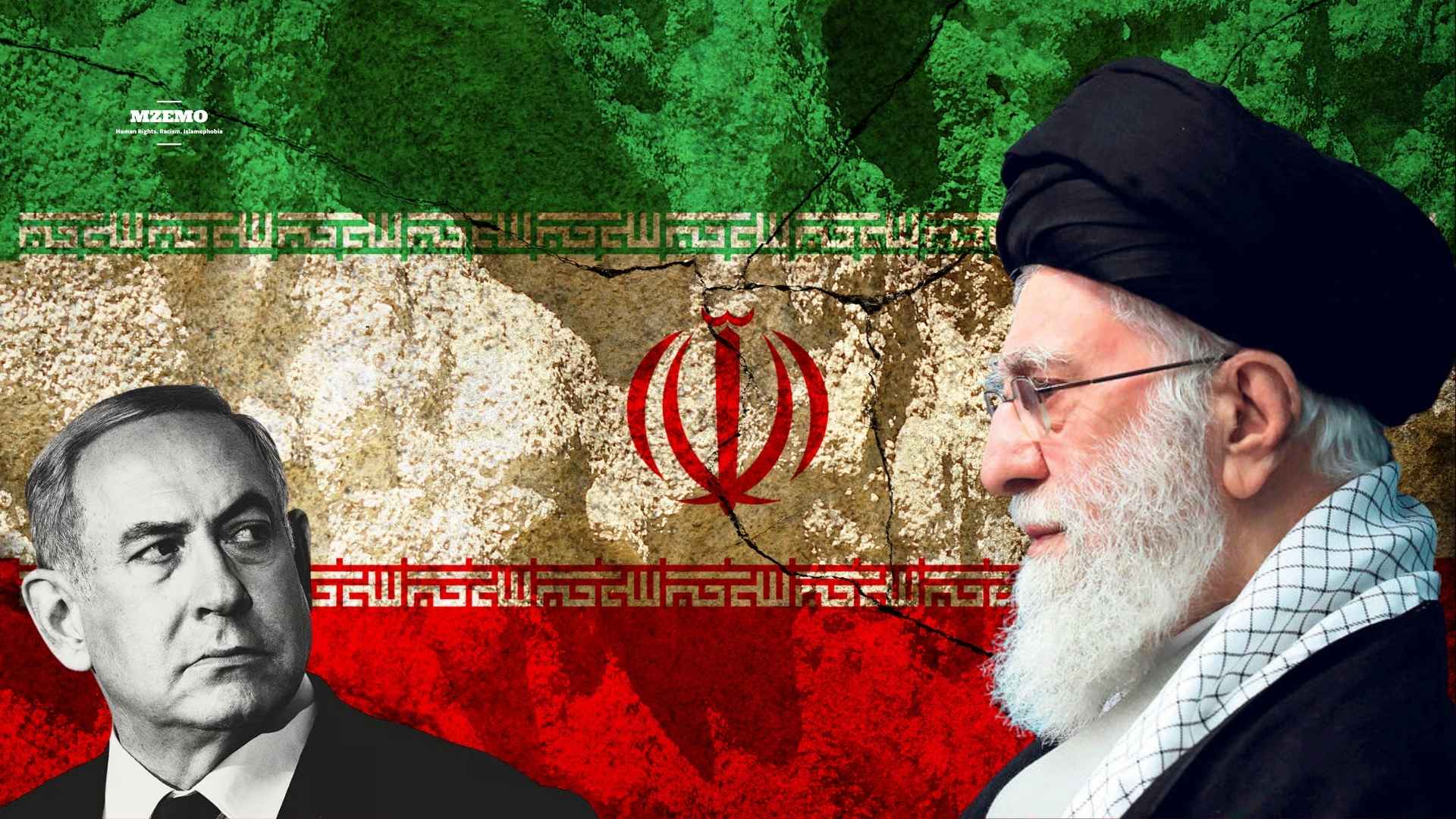
Recent tensions have further escalated the crisis. Israel and the United States have carried out strikes targeting Iranian nuclear facilities, including sites associated with uranium enrichment. The assassination of Iran’s Supreme Leader Ayatollah Ali Khamenei, along with other high-ranking officials show how brutal these strikes are.
Just like in Gaza, Iran’s civilians are also being attacked. One such example is the recent bombing of a girls’ school in Iran in which more than a hundred innocent children and teachers were killed. Such attacks raise serious concerns among international security experts.
Moreover, striking nuclear infrastructure carries enormous risks, including the possibility of radioactive contamination and the potential collapse of global nuclear non-proliferation efforts. Some analysts argue that military attacks on nuclear facilities could actually push targeted states to accelerate weapons development rather than abandon it.
Ultimately, these strikes represent another example of selective enforcement of international norms.
From Gaza to Tehran: A Crisis of Global Credibility
The combined effect of these policies has produced a growing crisis of credibility for the international system.
International law is being applied selectively, enforced strictly against adversaries, while ignored when allies are involved.
From the ruins of Gaza to the nuclear facilities of Iran, the politics of power continue to shape the Middle East in profound ways.
For millions of people across the region, the question is not merely about military strategy or diplomatic rivalry. It is about whether international law truly applies equally to all nations — or whether global justice remains dependent on political alliances.
Until those questions are addressed, the perception of double standards will continue to fuel anger, instability, and distrust across the Middle East and beyond.
Crimes Against Humanity
Shockwaves Across the Gulf: How the US–Israel Strike on Iran Could Redraw the Region
-
 Featured2 years ago
World passively watching as Israel perpetrates open-ended massacre in Gaza
-
Featured3 years ago
Argentina wins the World Cup; are there any other winners?
-
Featured2 years ago
Israel is Hiding Crucial Demographic Facts About Palestinians
-
Featured5 years ago
History of the Ottoman Empire
-
Featured3 years ago
Christian militia infiltrate Lebanon
-
Featured5 years ago
“Do Not Waste Water Even If You Were at a Running Stream” Prophet Muhammad
-
Featured2 years ago
Muhammed: The Greatest Man to walk on Earth
-
Featured4 years ago
World Leaders Remain Silent Over Human Rights Violations in the UAE