Connect with us

Featured

Roe v. Wade: Online Platforms Flooding With Abortion Misinformation

Published

on

Abortion Misinformation

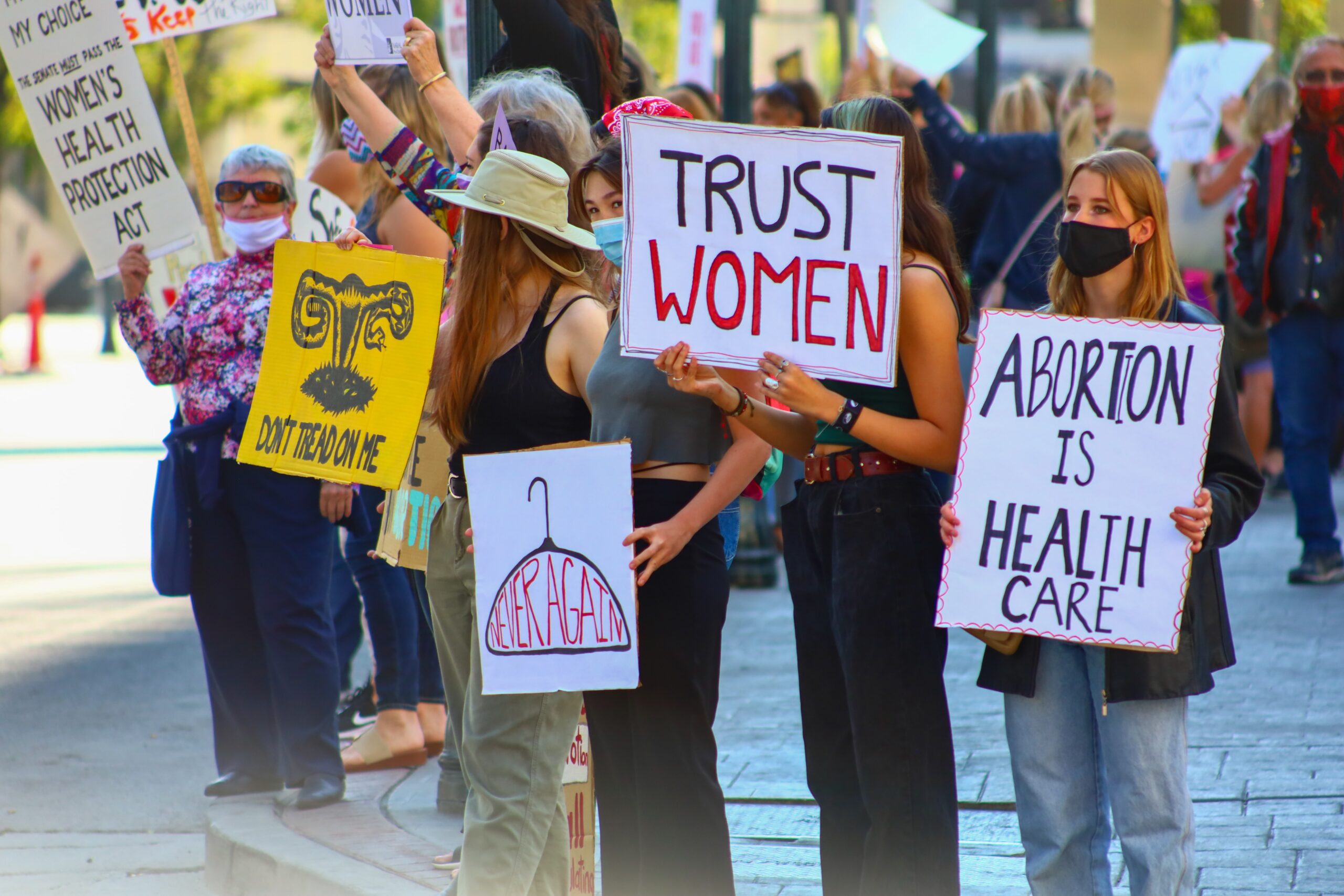
A world divided by COVID 19 and mainly in denial over climate change is yet again finding itself weighing the value of science against misleading beliefs over abortion rights. Fueled by Roe v. Wade case’s overruling, the internet is today fuming with abortion misinformation.

So, what false information and data are being circulated online? How can they harm you? And how should you beware of falling into the trap of the disinformation trap?

The Abortion Misinformation Battle

Major news events are always fertile grounds for misinformation to flourish. And Roe v. Wade case’s overruling gave the misinformation peddlers the perfect opportunity to advance their false narrative around abortions. 

Now, the tech platform, including YouTube, Twitter, Tik Tok, Facebook, and Twitter; plus far-right social networks like Rumble, Parler, TruthSocial, and Gab, are flooding with misleading data and information about abortions.

“Misinformation can be harmful because it may lead people to try to end their pregnancies in an unsafe way, potentially exposing them to serious bodily harm,”

Nisha Verma, American College of Obstetricians and Gynecologists

According to media insight from Zingal Labs abortion-related information from unreliable sources increased more than twice on Twitter and Facebook after the leak of the supreme court Roe v. Wade’s draft decision. And now, when the decision is out, online disinformation and confusion over abortion are swelling at an alarming rate.

Misleading anti-abortion propaganda has always hindered pregnant women from seeking medical and legal assistance.

However, the overturning of the Roe-Wade case has dramatically altered the abortion landscape in the US. Experts fear that such a drastic transformation will make online information an even more crucial factor in people’s abortion decisions and experiences.

Therefore, the reversal of abortion rights in the US is calling for the much-needed opportunity to open up new, reliable channels of information sharing.

But what’s happening is completely opposite. Fake medical experts are advertising a variety of false information about abortions and medicines online.

The Anti-Abortion Activist Instigating Abortion Misinformation

Approximately 60% of Americans agree that abortion should be legal in almost every situation, according to Pew Research.

However, alongside the hearing and ruling of the Roe v. Wade case, the anti-abortion activists have injected a slew of misinformation and anti-scientific data into the discussion. Muddying the narrative of abortion, these misinformations have found a way to turn a minority view into federal law.

Studies underline that pro-life advocacy groups are still the primary propagator of misleading anti-abortion information online. Among these organizations is Crisis Pregnancy Centers (CPCs); a non-profit organization notoriously famous for releasing misleading data in a bid to influence people toward its cause.

A report by Al Jazeera below focuses on the misinformation campaigns by pro-life activists and organizations. The report discloses how anti-abortion organizations are weaponizing social media to spread misinformation to the masses.

Misinformation Flooding on Social Media

Today, social media platforms are flooded with false information about harmful natural contraceptives and home remedies for abortion.

One of the hashtags, # pennyroyaltea, which promotes the use of herbal abortion abortifacients, has gotten almost 1.1 million views on TikTok. Over 157 million people have viewed a different hashtag for mugwort.

The most popular video using that hashtag has more than 350,000 views and reads; “Mugwort tea should not be consumed while pregnant as it may resemble your menstrual cycle and trigger the loss of the fetus. Please don’t do this again.” Even though the title for the video says, “Life hack # roevwade # womensrights,”

Furthermore, there are also panic-causing fake data circulated on social media. For example, a tweet with over 50k+ likes claims that most Planned Parenthood clinics are shutting down post the ruling. But, this report from Frace 24 explores the depth of the tweet and concludes it is fake.

Tik Tok Promoting Herbal Abortion Remedies as a Desperate Measure

TikTok, the short video social media platform launched for sharing byte-sized content, is at the eye of the abortion misinformation storm. Following the Roe-Wade anti-abortion ruling on Friday; reproductive rights and pro-life advocates and activities are seemingly taking matters into their hands.

A very common text flashing on different social media sites reads, “If you’re a female in America worried about your future, just know there is a herb for every situation.’ This is followed by a list of herds, including blue cohosh, pennyroyal, and mugwort.

Meanwhile, medical professionals are concerned about the trends of TikTok creators promoting herbs as drugs. Mary Jane Minkin, Yale School of Medicine’s gynecologist and clinical professor remembers 49-year-old cases where women performing abortions at home resulted in sepsis or death.

“I’m horrified. They’re going to kill people.”

Mary Jane Minkin

One of the most common of these “Tik Tok prescribed” herbal abortifacients are pennyroyal, a sweet, minty-smelling plant. However, according to the medical toxicologists from Lowa City, Josh Treabach; pennyroyal contains pulegone which is metabolized in the body and produces toxins that can cause liver necrosis, vomiting, indigestion, seizures, liver failures, comas, and even death.

Another Tik Tok’s popular herbal abortion remedies include Blue Cohosh, a herb made up of methylcytosine compound. But Treabach confirms that in large doses, the herb can cause profuse drooling, muscle weakness, heart rhythms, seizures, and in the worst-case scenarios, even coma, and death.

Abortion Misinformation: Dark Times for Women’s Rights

Doctors are also worried that abortion restrictions may discourage individuals from obtaining proper medical care. According to emergency physician Trebach, the fact that some people cannot receive the care they require suggests a more severe issue within the healthcare system.

Now, with over 33 million American women deprived of abortion rights; a lot of women are under the onslaught of false information tornado. Especially when using Tik Tok, Facebook, or Twitter for medical advice is much easier than scheduling an appointment with your gynecologist eight weeks from now.

The bans on abortion are marking the beginning of a dark time in so-called progressive America, a country that cares more about its unborn children than those in the classrooms. And as a country putting women’s rights and health second, it is high time for the government to meddle and take steps toward halting the circulation of such life-threatening misinformation online

https://mzemo.net//2022/05/05/roe-v-wade-us-supreme-court-ruling-could-imperil-womens-abortion-rights-around-the-world/

Continue Reading
Click to comment

Leave a Reply

Your email address will not be published. Required fields are marked *

Featured

Militias, Fragmentation, and Escalation Across Palestinian Territories

Published

on

Militias-Fragmentation-and-Escalation-Across-Palestinian-Territories

When Israel and the United States launched a full-scale military assault against Iran, international attention shifted instantly toward the possibility of a wider Middle Eastern War. The blockage of the Strait of Hormuz, the reluctance of the US and Israel to completely obliterate Iran and wipe out their leadership, are not just threats to the Middle East but to the entire world.

Currently, headlines are focusing on missiles, regional alliances, and the risk of escalation between powerful adversaries. On the other hand, the situation across the Palestinian territories did not pause. Instead, a series of heinous developments inside Gaza and the occupied West Bank reveal that the genocide is entering a new and increasingly complex phase.

Some of the recent trends reshaping the reality across Palestinian territories include the rise of militias, fragmentation inside the Gaza Strip, and intensified violence across the West Bank.

Together, these developments suggest that the genocide is evolving into a more layered and unpredictable struggle.

The Emergence of Israeli-Backed Militias in Gaza

One of the most striking developments in recent weeks is the rise of armed Palestinian factions operating inside Gaza with apparent coordination with Israeli forces.

In this context, several groups have begun carrying out operations targeting Hamas members and infrastructure within areas of Gaza under Israeli military control.

Among the groups identified are organizations known as the Popular Army, including Northern Forces and the Free Homeland Forces, which are believed to be connected to a broader network sometimes referred to as the Popular Forces.

Moreover, these militias have carried out activities in Gaza, including:

  • Raids on different locations
  • Abductions of civilians
  • Intelligence gathering operations for Israel

Their presence introduces a new dimension to the conflict. For years, the main dynamic inside Gaza has centered on the confrontation between Israeli forces and Hamas. The appearance of armed Palestinian factions aligned against Hamas complicates that structure and adds the possibility of internal fragmentation.

Security analysts warn that such developments can significantly reshape power dynamics within genocidal zones, bringing further instability and chaos.

Fragmentation of Governance Inside Gaza

The prolonged genocide and the destruction of infrastructure across the enclave have weakened administrative structures and complicated governance.

Several factors now contribute to the fragmentation of authority:

  • The continued presence of Israeli military operations in Gaza
  • The emergence of new armed factions operating independently
  • The erosion of centralized administrative control due to the scale of genocide

The introduction of additional militias may further complicate efforts to establish political stability in the territory. In many genocidal zones, the proliferation of armed groups often leads to competing spheres of influence and weakened governance structures.

Ultimately, this fragmentation could make future political settlements even more difficult, as multiple actors compete for influence within the territory.

Escalation in the West Bank

The West Bank is not immune to the genocidal activities of Israel. While Gaza and Iran remain at the center of international attention, the occupied West Bank has also experienced a dramatic increase in violence since the Gaza genocide began.

According to figures cited by Palestinian authorities and international observers, more than 1,000 Palestinians have been killed in the West Bank since the beginning of the Gaza genocide.

The violence has taken several forms, such as Israeli military raids in Palestinian towns and refugee camps, armed confrontations between Palestinian militants and Israeli forces, and attacks by Israeli settlers on Palestinian communities.

In recent months, numerous Palestinian villages have reported raids in which homes were damaged, vehicles burned, and farmland destroyed. Some incidents have also led to the displacement of families from rural areas.

Settler Violence and Community Displacement

Settler violence has become one of the most significant sources of instability in the West Bank.

There is a growing number of incidents involving attacks on Palestinian property and agricultural land.

These incidents include:

  • Destruction of olive groves and crops
  • Arson attacks targeting homes and vehicles
  • Confrontations between settlers and residents

The consequences extend beyond the immediate damage. In some cases, Palestinian families have left villages after repeated attacks, contributing to gradual displacement in certain rural areas.

Gaza in the Context of a Wider Regional Conflict

The US, Israel–Iran confrontation has transformed the regional geopolitical landscape dramatically. Military tensions between these countries have raised fears of a broader Middle Eastern war involving multiple actors.

However, the conflict within Palestinian territories continues to evolve largely independent of the regional headlines. The recent closure of the Rafah border has triggered panic buying. Resultantly, the prices of food have skyrocketed. Moreover, the shortage of cooking gas triggered by Israel has also worsened living conditions.

Moreover, the emergence of militias, fragmentation of governance, and escalating violence suggest that the genocide is entering a phase of more destruction. Despite several calls by the United Nations to allow humanitarian aid into Gaza, the world is not paying heed to the innocent lives trying to survive each second there.

Continue Reading

Featured

The New Islamophobia: From Al-Quds Day Ban to America’s Anti-Muslim Surge

Published

on

The-New-Islamophobia-From-Al-Quds-Day-Ban-to-Americas-Anti-Muslim-Surge

The world has witnessed Islamophobia in different intensities, especially during the last two decades. However, in recent years, especially after the genocide in Gaza and the US-Israel versus Iran war, it has moved from the margins of public debate to the center of social and political discussions in Western societies. Recent research data shows hostilities toward Muslim communities have reached unusual levels, both in Europe and the United States.

Recently, two significant decisions brought this issue into sharper focus. One is the decision to restrict London’s annual Al-Quds Day march, and the second is the record surge in anti-Muslim complaints reported across the United States. Both of these events highlight a broader trend that is affecting Muslims globally.

The Al-Quds Day Debate in London

Since 1979, Al-Quds Day has been observed internationally to demonstrate solidarity with Palestinians. It also serves as a platform for discussing Middle Eastern political issues. Specifically in London, the annual march has taken place for decades, drawing activists, community organizations, and political groups.

However, this year, authorities moved to prevent the traditional procession, citing concerns over public safety and rising geopolitical tensions. Officials argued that large demonstrations related to the Middle East could create security challenges, particularly at a time when international conflicts were intensifying.

The decision immediately sparked debate across the United Kingdom. Supporters of the restrictions argued that authorities must prioritize public safety and prevent potential unrest. On the other hand, numerous people, including many civil liberties groups, questioned whether banning such demonstrations risked limiting legitimate political expression.

Regardless of the political positions surrounding the decision, the controversy reflects a larger question facing Western societies. How to balance public security concerns with the rights of communities to express political solidarity and participate in democratic debate.

Islamophobia in the United Kingdom

Stats from the United Kingdom show that anti-Muslim hostility remains one of the most significant forms of religious discrimination in the country.

According to credible estimates, roughly 4,500 Islamophobic incidents were recorded in a recent year, ranging from verbal abuse and online harassment to physical attacks and vandalism targeting mosques.

Official government crime statistics reveal a similar trend. Muslims make up around 5 percent of the population of England and Wales, yet they account for close to half of all victims of religious hate crimes recorded by police.

Many incidents involve everyday harassment in public spaces or online platforms. Others include damage to religious buildings or threatening messages directed at Muslim institutions.

Community leaders often point out that such incidents can have wider social consequences. Fear of harassment can discourage individuals from fully participating in public life, from attending religious services to engaging in civic activism.

A Record Surge of Complaints in the United States

On the other hand, similar concerns are emerging over the Atlantic. The Council on American-Islamic Relations (CAIR), which is the largest Muslim civil rights organization in the United States, reported 8,683 complaints of anti-Muslim discrimination or harassment in 2025. According to the organization, this represents the highest number of complaints recorded since it began collecting data in 1996.

These complaints cover a wide range of situations, including the following:

  • Workplace discrimination
  • Immigration-related harassment
  • Online threats and intimidation
  • Discrimination in education and housing

But such figures often represent only a portion of actual incidents, since many victims choose not to report harassment.

Researchers studying patterns of discrimination have found that spikes in anti-Muslim hostility frequently occur during periods of heightened geopolitical tension involving Muslim-majority regions. Moreover, political rhetoric, media narratives, and international crises can all shape how minority communities are perceived domestically.

Universities and the Politics of Protest

Many educational institutions, like universities, have increasingly become a focal point in debates over political expression related to the Middle East.

Student demonstrations, particularly those connected to the Gaza genocide, have appeared on campuses across Europe and North America. Several universities have responded by imposing restrictions on certain protest activities or relocating demonstrations to designated areas. In some cases, police have been called to disperse encampments or enforce campus rules.

These situations have sparked broader discussions about academic freedom and the role universities play as spaces for political debate.

Media Narratives and Public Perception

Another factor shaping the conversation around Islamophobia is the role of media representation. Academic studies examining media coverage in Western countries have found that Muslims are often disproportionately associated with security issues, extremism, or geopolitical conflict in news reporting. Ultimately, such framing can influence public perceptions and reinforce stereotypes.

At the same time, Muslim communities in Europe and North America are diverse, encompassing millions of citizens and residents engaged in every sector of society, from medicine and education to business, public service, and the arts.

Understanding this diversity is a crucial step in addressing misconceptions that sometimes contribute to social tensions.

Addressing the Challenge

“Every life is equal, and every human deserves respect.”

Governments and civil society organizations across Western countries have increasingly acknowledged the need to confront anti-Muslim discrimination.

When it comes to the United Kingdom, policymakers have discussed establishing clearer definitions of anti-Muslim hatred and improving the monitoring of hate crimes. On the other hand, in the United States, advocacy groups continue to push for stronger legal protections and better reporting mechanisms.

Moreover, educational initiatives, interfaith programs, and community partnerships should also be promoted for a peaceful community.

In a nutshell, ensuring democratic societies remain inclusive and respectful of religious diversity is the way forward for a peaceful and prosperous future.

Continue Reading

Featured

Gaza on the Brink Again: How the Rafah Border Closure Is Pushing 2 Million People Toward Extreme Hunger

Published

on

Source: Reuters

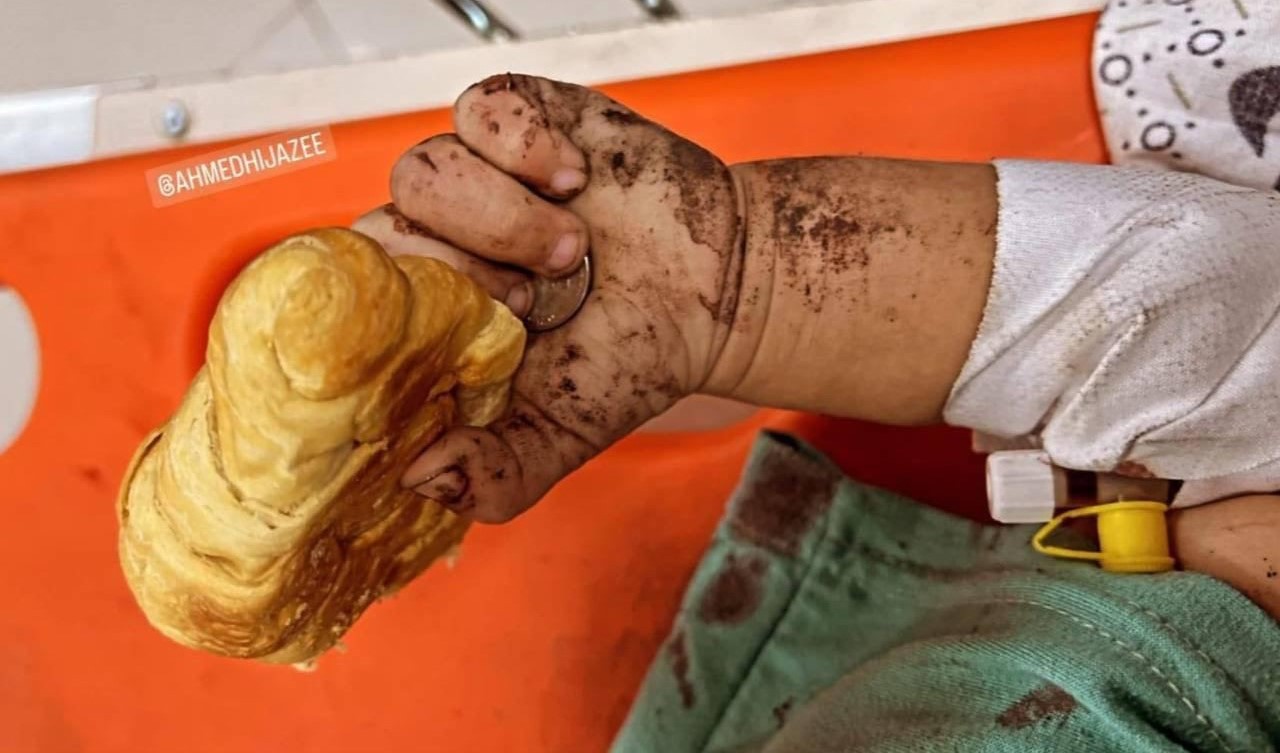
Although the world is more focused on the ongoing Israel-Iran War, a lot of severe genocidal acts are underway as a backdrop in Gaza. The 2.2 million people who are living in the Gaza Strip in abysmal conditions are just surviving, day after day.

Amidst the war, Israel again closed the Rafah border crossing after it was reopened just a month ago. It is undoubtedly a heinous attack on the innocent civilians of Gaza. Gaza’s only direct gateway to Egypt has once again pushed the enclave toward a severe humanitarian catastrophe.

Israel was allowing just a limited number of aid supplies into Gaza before the Rafah closure, but this genocidal act has completely stopped every humanitarian effort. As a result, the crisis of food shortages, medical collapse, and worsening hunger is getting extreme.

Rafah Crossing: Gaza’s Last Remaining Humanitarian Lifeline

The Rafah crossing has long been Gaza’s most critical humanitarian corridor. Unlike other crossings that are controlled by Israel, Rafah connects Gaza directly to Egypt and the wider Muslim world.

The Rafah crossing serves through:

  • Entry of humanitarian aid, including food, medicine, and fuel
  • Evacuation of wounded and critically ill patients
  • Entry of doctors, journalists, and international humanitarian workers

Gaza’s population is heavily dependent on imported supplies. The enclave produces less than 20% of the food it consumes, making border access essential for survival.

Before the latest closure, aid agencies estimated that 500 to 600 humanitarian aid trucks per day were needed to meet Gaza’s basic needs. In reality, only a fraction of that number has been able to enter.

Ultimately, when Rafah shuts down, Gaza’s already fragile humanitarian system quickly begins to collapse.

Gaza’s Growing Hunger Crisis

Food insecurity in Gaza has reached alarming levels.

The United Nations has warned that hundreds of thousands of people are now facing severe hunger, and food insecurity is reaching its highest levels. Humanitarian agencies report that many families have already reduced their daily meals to one per day or less.

Key indicators illustrating the scale of the crisis are as follows:

  • Over 80% of Gaza’s population relies on humanitarian food aid
  • Nearly a million Palestinians face catastrophic food insecurity
  • Food prices in local markets have surged dramatically due to shortages

Basic staples such as flour, rice, cooking oil, and sugar are becoming increasingly difficult to find. When supplies do appear in markets, prices are often far beyond what ordinary families can afford.

But now, as the aid is completely blocked, the survival of these families is uncertain.

Hospitals on the Edge of Collapse

Before the Rafah closure, critical patients were admitted to Egypt’s hospitals for better medical care. However, since its abrupt closure, medical officials warn that hospitals – a few remaining ones – across the territory are facing critical shortages of medicine, surgical equipment, and fuel needed to power generators.

Key health statistics revealing the severity of the situation are as follows:

  • More than half of Gaza’s hospitals are no longer operational.
  • Thousands of patients require urgent evacuation for treatment abroad.
  • Fuel shortages threaten intensive care units and dialysis centers.

Doctors report that shortages of antibiotics, anesthesia, and surgical materials are forcing hospitals to delay or cancel life-saving procedures.

Moreover, Electricity is another point of contention. Gaza’s power grid has been heavily damaged, meaning hospitals rely almost entirely on diesel generators. Without regular fuel deliveries, critical medical services could stop altogether.

The Role of the Regional Escalation

The latest humanitarian crisis in Gaza is unfolding against the backdrop of a wider regional confrontation involving Israel, the United States, and Iran.

Military tensions between these countries have intensified dramatically, raising fears of a broader Middle Eastern war. As security concerns rise, Israel has tightened its illegal control over Gaza’s borders, including restrictions affecting humanitarian aid routes.

In practice, these security measures primarily impact civilians living in Gaza, who are already struggling with displacement, economic collapse, and widespread destruction of infrastructure.

The result is that Palestinians in Gaza are once again paying the highest price for geopolitical conflicts that extend far beyond their territory.

The Genocide and Growing Global Criticism

The entire world is appalled by the scale of genocide and devastation in Gaza by Israel, with the unravelling support of the US.

The International Court of Justice, the United Nations, and other international organizations have declared it a genocide.

Critics argue that the widespread destruction of civilian infrastructure, mass displacement, and restrictions on food and aid amount to a form of collective punishment prohibited under international humanitarian law.

At the same time, many Western governments continue to provide Israel with political and military support, framing its actions as legitimate self-defense.

For many observers across the Muslim world and the Global South, this response highlights what they see as a profound double standard in the enforcement of international law.

A Population Pushed to the Edge

For Palestinians in Gaza, the closure of Rafah is not simply a political development, but an existential crisis.

Every closed crossing means no aid trucks, medical evacuations, and absolutely no opportunities for relief. Each restriction deepens the humanitarian emergency facing a population already enduring one of the most severe crises in modern history.

With Gaza’s borders sealed and humanitarian access restricted, the enclave’s two million residents remain trapped in a territory where survival increasingly depends on decisions made by distant political and military figures.

This is not so bothersome for the people living outside Palestine, but one must feel the pain that they are living through. How can we survive without food, water, and medical supplies for days and even years? How can we see our children, elders, and women die of hunger, thirst, and bombs? The world must take action before it’s too late!

Continue Reading
Advertisement

Trending