Featured
From the Womb of Suffering, Gazans Speak Out

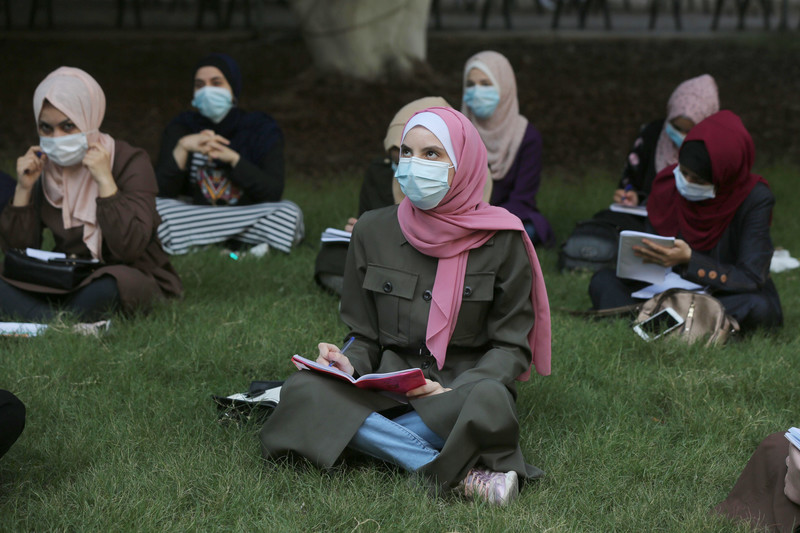
Intro
Once upon a time, a beautiful, prosperous nation lived in harmony. The land the nation lived on was small in expanse, but its placement was tremendously convenient for its people. It connected three continents and was on the coast as well. Besides these major advantages, the land was blessed by God, it’s safe to say it was also the land of spirituality and holiness. With such conspicuous features, it was only natural that the land fell victim to attacks and attempts of colonization repeatedly. Till one wicked made-up state succeeded in stealing the homes of hundreds of thousands of residents, and in stealing many more lives.
Read Also: Visiting Jerusalem: Would It Be A Mere Dream For Gazans Living Under The Israeli Military Siege?
Alas, this is no fairytale, this is the reality of Palestine. And today, I will lay in front of you the bitter reality of perhaps the most oppressed area in Palestine: the Gaza Strip.
After Gaza managed to bring failure to “Israel”’s attempts of occupying it, the colonial state opted to control entry and exit from Gaza by land, air and sea.
Gaza has been under an Israeli blockade since 2006. The blockade has devastated Gazans, affecting every aspect of their daily life as they have spent 15 years living under occasional –and vicious– attacks and a constant economic crisis. that set up barriers between their dreams, and the means to achieve them.
Writer’s Input
I write this from Gaza, and allow me a personal input; life in Gaza is depressing. After all, how can happiness carve a space for itself amongst 15 years of siege, restrictions of all kinds, aggressions, assaults, murdered dreams, and false hopes?
Many adolescents have dreams of becoming footballers, singers, musicians, etc. However, with little to no means to support said dreams, very few Gazans are able to indulge enough in their hobbies to turn them into careers. And the older youths feel lost and drained. Most young people with a higher education can’t find work due to the low job opportunities that is ultimately caused by the blockade.
Lost Childhood
This blockade on Gaza has been punctuated by devastating wars carried out by Israeli missiles that have impeded Gazans from obtaining access to their dreams, as thousands of Palestinians were bombed. One of the most brutal wars is Israel’s offensive war in 2021, in which children orphaned, mothers widowed, and several families were wiped off the civil registry.
So many Gazan children were buried under the rubble with their aspirations due to Israel’s war. So many of them are supposed to graduate from their universities and build a new life. Alas, Israel’s blockade along with wars have crushed all the dreams.
“I Dream”, Gazans’ Dreams Under Israel’s Siege
Here, I met three citizens of Gaza; a talented mini-Messi, a poetic Jane Austen, and a motivated Jon Snow. Despite knowing first-hand how it is like to live in Gaza and bear the loss of your grand dreams, I still posed questions to these individuals about their experiences of life under Israel’s blockade. The questions are as follows: What does the word blockade mean to you? What impact had the blockade had on adolescents and youth such as yourself in Gaza? How do Israel’s war crimes, especially the recent attacks in May 2021, widen the barriers between Gazans and their dreams? Can you envision a free Gaza?
The Messi
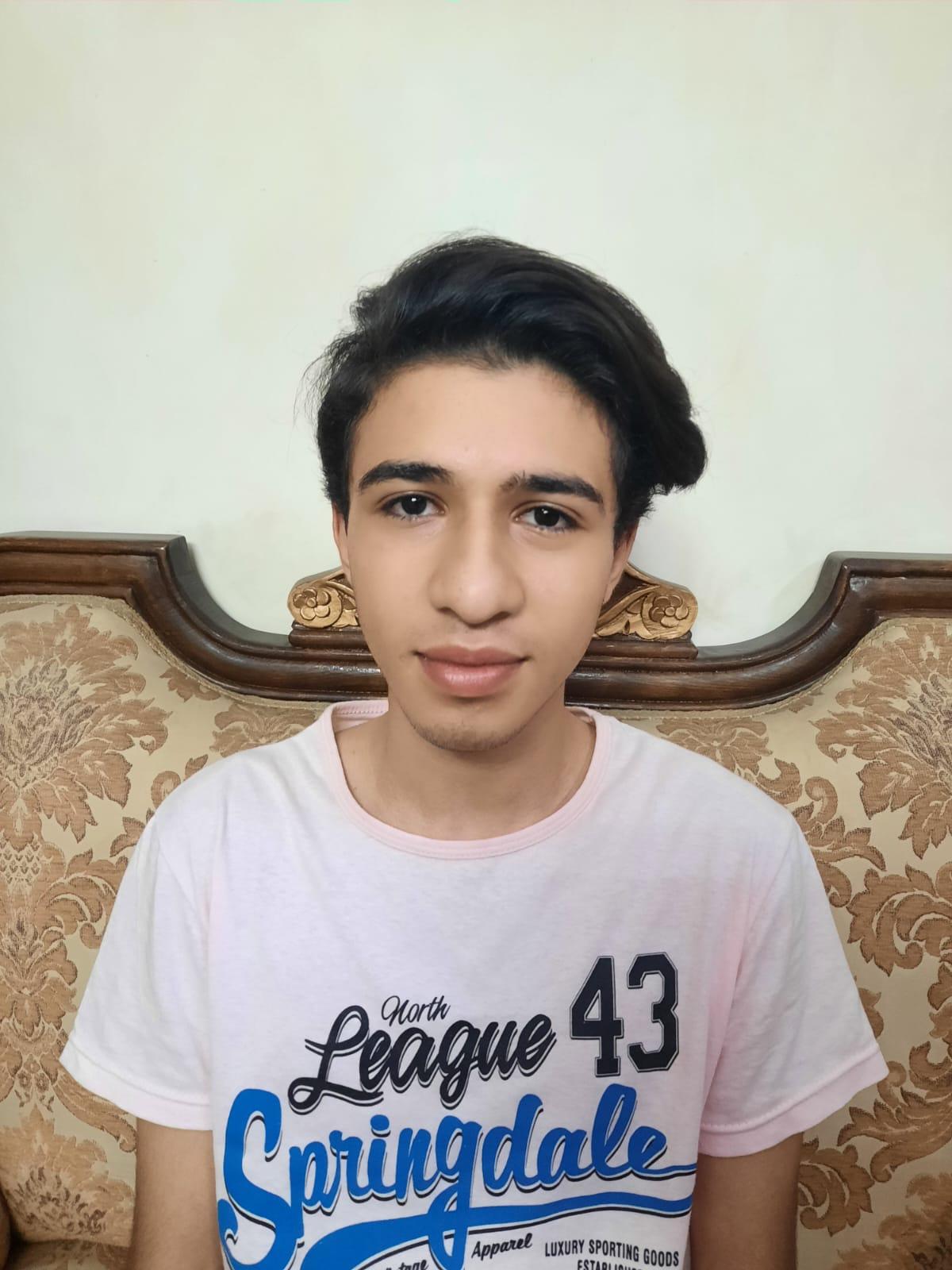
I sat with the 14-year-old Sami Amara, a youth with a powerful strike that rivals that of Messi’s. He navigated rationally through my questions and defined the blockade as a large prison imposed by ‘Israel’.
“The Israeli occupation’s blockade hasn’t affected us as youth but our activities too, trying not to raise our voices and convey our message to the whole world,” Amara further expressed the impact of the blockade.
On a mental level, my interviewee was brave in his recalling of the wars and their impacts. He expressed that he is still traumatized by Israel’s attacks, his melancholic words were, “All of us lived the horror of war, fear, and the feeling of loss”. The war not only separated us from our dreams, but also left us in fear of not knowing whether we’ll live to convey our message as Palestinians, to the world.”
As for his answer to the last question, Amara was a little bit optimistic about the blockade coming to an end. “It’s more than a dream and we’ll achieve it one day. We will be able to participate in international forums. We will be able to convey our message and talk about our suffering. One day, we’ll lead normal lives. We will be happy and feel safe.” He ended.
The Jane Austen
My second interviewee is a rather timid, and soft-spoken one. She was feeling too shy and I opted not to take a picture of her in order not to make her uncomfortable. She is the 13-year-old Gazan girl Mays Saed. She loves drawing and reading. Success in Tawjihi –last year of high school in Palestine– and having a small bookshop are her ambitions. “The blockade is a suffocating siege, like a monster that sticks its claws into people’s chests, tearing them and their dreams apart.” She eloquently defined the blockade.
When asked about the impact of Israel’s blockade, she listed numerous things, such as the increasing unemployment among Gazans, and the deprivation of youth of their dreams. My interviewee thinks that the latter made adolescents such as her “age way before their time.” She also added, “For how the blockade and Israel’s attacks on Gaza affect us, many of us wait our whole lives to achieve even a fragment of our dreams, but alas, even our efforts turn to dust.”
As for her thoughts on a “free Gaza”, she said, “We all –common people, traders, children, will be over the moon. So many elderly people will finally achieve their dream of praying at Al-Aqsa Mosque before passing away. The economy will be reignited. The unemployment rate will be reduced. And I? I will finally spread my wings to fly high in the vast sky of freedom.”
The Jon Snow
Jon Snow is one of the most supportive foreign journalists of Palestine. His courageous coverage of the brutal 2014 attack on Gaza made many Palestinians love him, and my third interviewee is one of them.
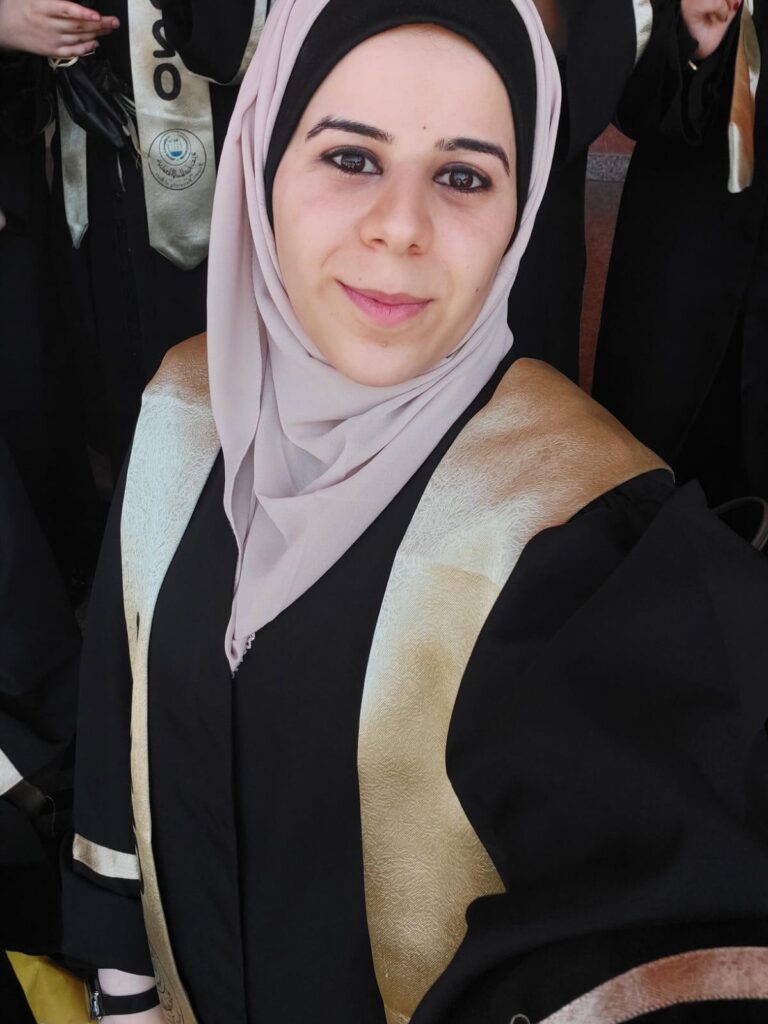
The blockade doesn’t only affect those who were born when it happened, its affects extends to those who were born before it. This is Enas, 24, a graduate of the Islamic University of Gaza. She works as a news writer. She’s a dear colleague of mine, and we were having a lovely conversation until I asked her what “blockade” meant to her. With a look of sorrow accompanied by a sigh, she answered, “Israel’s blockade of Gaza has turned Gaza into the world’s largest open-air prison. We are like caged birds, creatures that have the illusion of flying freely, but still are restricted in reality.”
When asked about the impact of the blockade, she confirmed that the conditions in Gaza are restricted, telling me that if we lived in an unrestricted area, she would “feel connected to the world. I’d be free to go wherever I want and do whatever I want. I would get a master’s degree in Literature. This is what I really want to do in my life, but I can’t do it here in Gaza. We don’t have such a program.”
Dejectedly, she told me that no one comprehends what war means unless they experience it. Enas wants to travel, but she is afraid that Israel may launch an attack again on Gaza, and her tripedition stops her every time, opting to stay with her family instead. “If the Israeli occupation’s blockade ends, I will, no doubt, visit Al-Aqsa Mosque in occupied Jerusalem.” she concluded.
Till When?
I was lucky to interview optimistic Gazans with a rearing soul, but so many have had their souls broken, so many think that we’re going to stay trapped like wingless birds forever, never to fly; not even in our suffocating cage. And how could they not be pessimistic, when the world continues to turn a blind eye to Gaza and its suffering?




Featured
Gaza on the Brink Again: How the Rafah Border Closure Is Pushing 2 Million People Toward Extreme Hunger


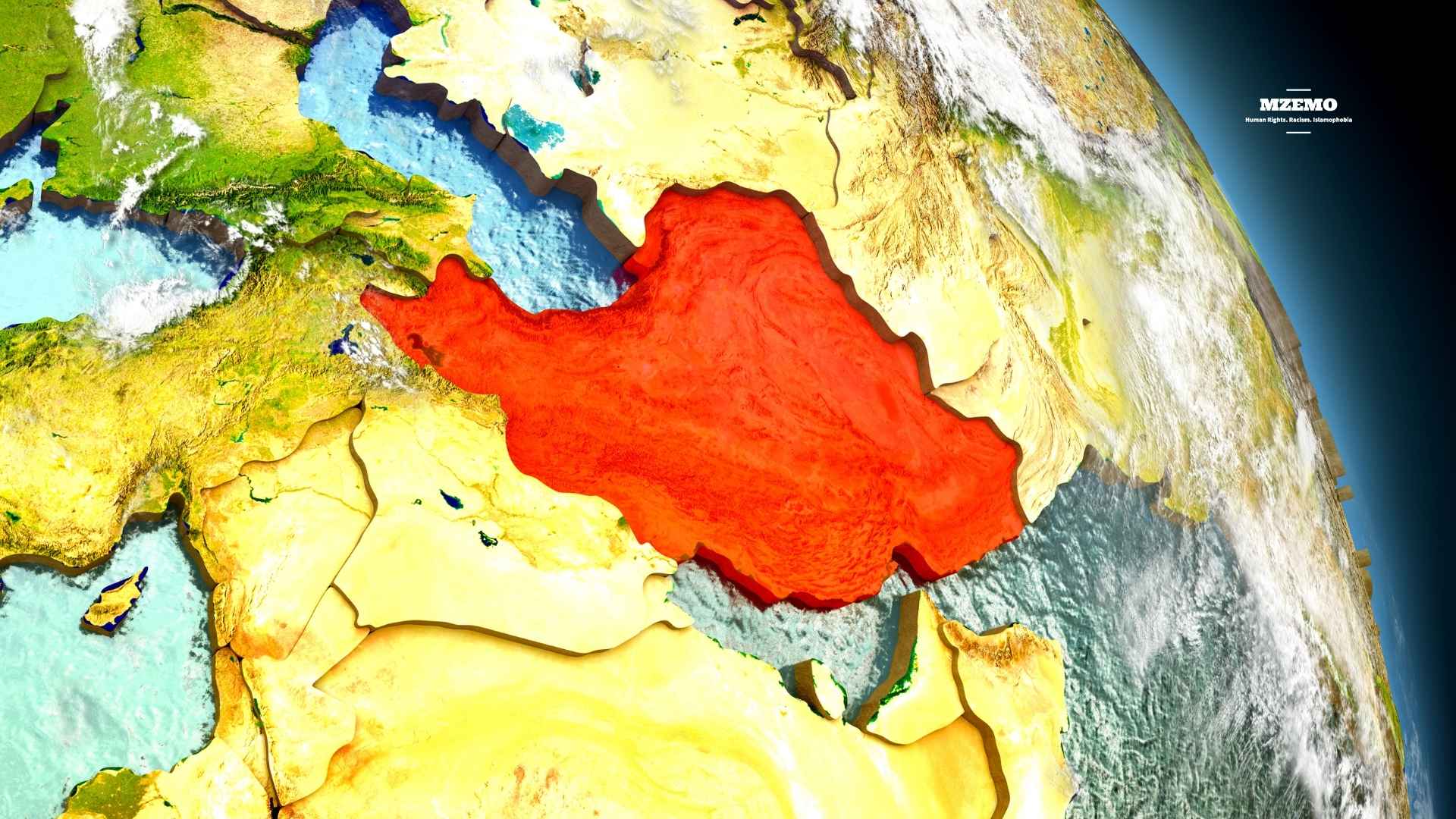
Across the globe, there are two dominating crisis headlines today: Israel’s blatant genocide in Gaza and the ongoing war between Israel-US and Iran. This war is undoubtedly imposed by Israel and the United States, labeling it necessary for peace.
Western governments and media houses frame their policies around the language of “security” and “stability”. There is a pattern of double standards that undermines international law, credibility, and humanity.
On one side stands Gaza, where more than 2.2 million Palestinians are being killed by Israel. It has produced one of the worst humanitarian catastrophes of the 21st Century. On the other hand, stands Iran, a country that is signatory to the Nuclear Non-Proliferation Treaty (NPT) yet faces sanctions, threats, and even attacks on its civilians.
Why are some countries given carte blanche and strategic exceptions while others face relentless punishment?
Gaza: A Genocide in Plain Sight
Since the beginning of Israel’s large-scale assault on Gaza, the humanitarian impact has been staggering. According to Palestinian health authorities and international humanitarian organizations, more than 80,000 Palestinians have been killed, with a large proportion of the victims being women and children.
Entire neighborhoods across Gaza have been reduced to rubble. The United Nations reports that the vast majority of Gaza’s population has been displaced, many of them forced to move multiple times as Israeli military operations expanded across the territory.
This is the purest form of genocide in modern human history. The scale of destruction, starvation, and forced displacement goes far beyond conventional warfare. However, not all media groups are showing the real picture. Western media is showing its unquestioned support for Israel even during the most heinous crimes against humanity.
Western Silence and Political Protection
The United States remains Israel’s closest international ally. According to data from the U.S. Congressional Research Service, Washington provides Israel with approximately $3.8 billion in annual military assistance under long term defense agreements.
Beyond military aid, Western governments have repeatedly shielded Israel from international accountability. In diplomatic arenas such as the United Nations Security Council, attempts to impose sanctions or demand ceasefires have often been blocked or diluted.
This pattern represents a profound contradiction: while Western leaders frequently emphasize human rights and international law, their response to the devastation in Gaza appears far more restrained than in other global conflicts.

Israel’s Nuclear Arsenal: The Middle East’s Open Secret
Another major source of controversy lies in the nuclear dimension of Middle Eastern politics.
Israel is widely believed by international experts to possess between 80 and 200 nuclear warheads, developed through its long-standing nuclear program centered around the Dimona facility in the Negev desert.
Yet Israel maintains a policy known as “nuclear ambiguity” — neither confirming nor denying the existence of its nuclear arsenal.
More importantly, Israel is not a signatory to the Nuclear Non-Proliferation Treaty (NPT), the global framework designed to prevent the spread of nuclear weapons.
Just because it operates outside the NPT system, Israel’s nuclear facilities are not subject to full international inspections by the International Atomic Energy Agency (IAEA).
Despite this reality, Western governments rarely criticize Israel’s nuclear capabilities or call for sanctions related to its weapons program.
Iran and the Nuclear Non-Proliferation Treaty
On the other hand, Iran’s nuclear program exists in a very different legal context.
Unlike Israel, Iran signed and ratified the Nuclear Non-Proliferation Treaty in 1970, which means it is legally permitted to pursue nuclear technology for peaceful purposes such as energy production and scientific research.
Under the NPT framework, Iran’s nuclear facilities are supposed to operate under international monitoring by the International Atomic Energy Agency (IAEA).
Nevertheless, Iran has faced decades of economic sanctions and intense political pressure from Western governments, which argue that its uranium enrichment activities could eventually lead to nuclear weapons development. However, Iranian officials insist that their nuclear program is intended solely for civilian purposes.
Attacks on Iran and the Broader Muslim World
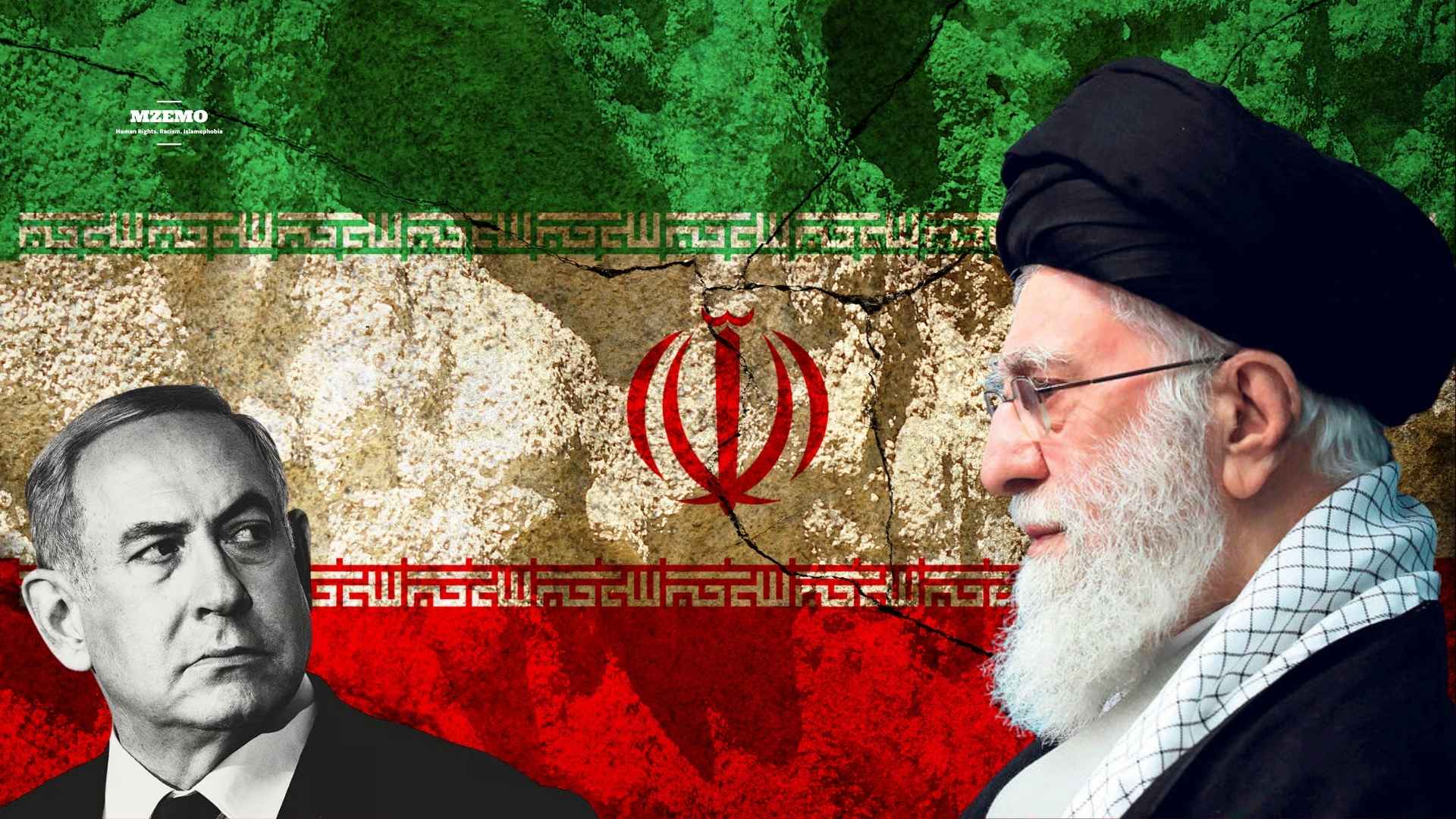
Recent tensions have further escalated the crisis. Israel and the United States have carried out strikes targeting Iranian nuclear facilities, including sites associated with uranium enrichment. The assassination of Iran’s Supreme Leader Ayatollah Ali Khamenei, along with other high-ranking officials show how brutal these strikes are.
Just like in Gaza, Iran’s civilians are also being attacked. One such example is the recent bombing of a girls’ school in Iran in which more than a hundred innocent children and teachers were killed. Such attacks raise serious concerns among international security experts.
Moreover, striking nuclear infrastructure carries enormous risks, including the possibility of radioactive contamination and the potential collapse of global nuclear non-proliferation efforts. Some analysts argue that military attacks on nuclear facilities could actually push targeted states to accelerate weapons development rather than abandon it.
Ultimately, these strikes represent another example of selective enforcement of international norms.
From Gaza to Tehran: A Crisis of Global Credibility
The combined effect of these policies has produced a growing crisis of credibility for the international system.
International law is being applied selectively, enforced strictly against adversaries, while ignored when allies are involved.
From the ruins of Gaza to the nuclear facilities of Iran, the politics of power continue to shape the Middle East in profound ways.
For millions of people across the region, the question is not merely about military strategy or diplomatic rivalry. It is about whether international law truly applies equally to all nations — or whether global justice remains dependent on political alliances.
Until those questions are addressed, the perception of double standards will continue to fuel anger, instability, and distrust across the Middle East and beyond.
Crimes Against Humanity
Shockwaves Across the Gulf: How the US–Israel Strike on Iran Could Redraw the Region
-
 Featured2 years ago
World passively watching as Israel perpetrates open-ended massacre in Gaza
-
Featured3 years ago
Argentina wins the World Cup; are there any other winners?
-
Featured2 years ago
Israel is Hiding Crucial Demographic Facts About Palestinians
-
Featured5 years ago
History of the Ottoman Empire
-
Featured3 years ago
Christian militia infiltrate Lebanon
-
Featured5 years ago
“Do Not Waste Water Even If You Were at a Running Stream” Prophet Muhammad
-
Featured2 years ago
Muhammed: The Greatest Man to walk on Earth
-
Featured4 years ago
World Leaders Remain Silent Over Human Rights Violations in the UAE