
Featured
Is Saudi-Israel normalization on the way?

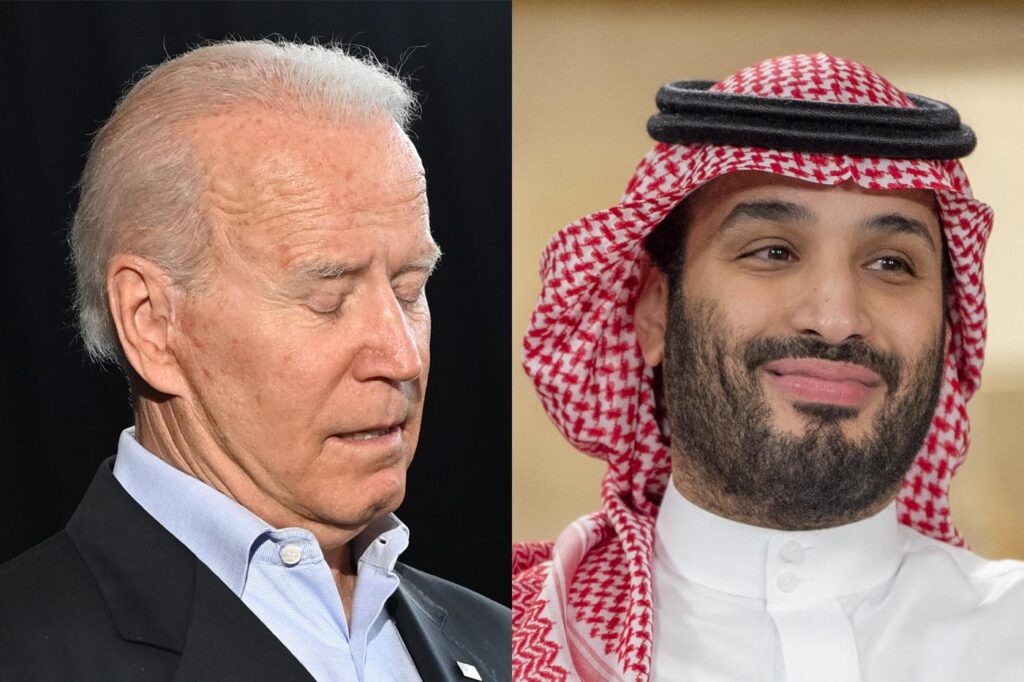
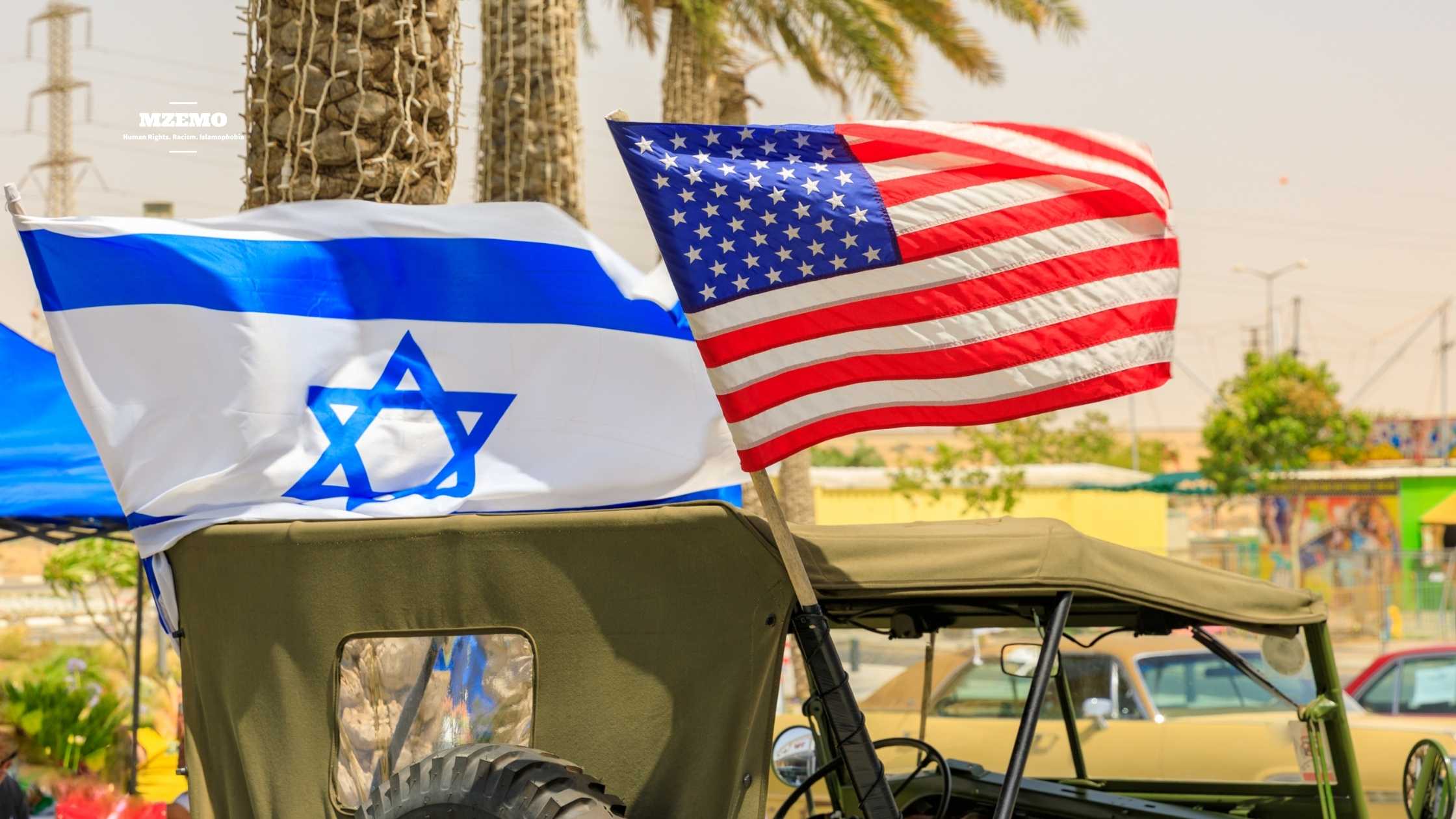
For the first time for any US president, Joe Biden is heading to Saudi Arabia directly from Israeli territory.
This step raised questions as to whether it’s a prelude to public normalization between the Kingdom and Israel after years of courting and flirting behind the curtain contacts.
The White House revealed that Biden would begin his tour of the region by visiting Israel and the occupied Palestinian territories before heading to Saudi Arabia, where he will participate in a summit meeting in Jeddah that will bring together the leaders of the GCC countries along with Egypt, Jordan, and Iraq.
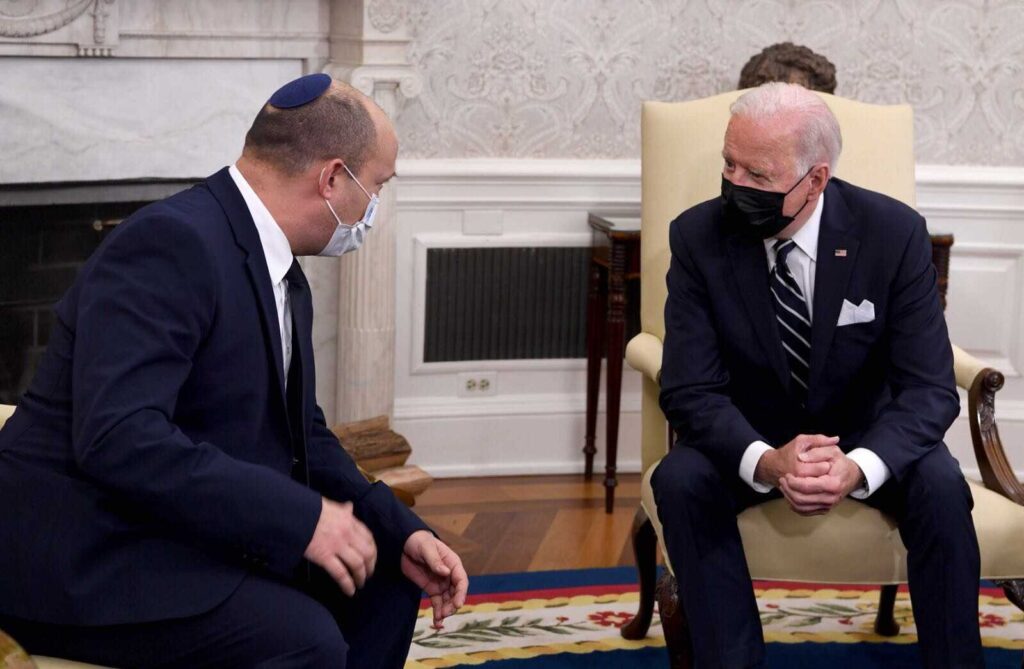
Also Read: Biden’s Administration Plans to Restore Financial Support for Palestinians
Would Israel reciprocate to Saudi rapprochement feat and how?
Over the past months, Saudi Arabia and Israel have taken steps that have demonstrated a common desire for a rapprochement between the two countries with common strategic concerns and security interests, while Riyadh has reiterated its traditional position on the Palestinian cause, namely that Saudi Arabia would not normalize with Israel as long as the Palestinian problem remained unsolved.
This position is of great importance regionally and internationally adopted mainly by king salmon and echoed repeatedly by Saudi foreign minister Prince Faisal bin Farhan Al Saud.
Riyadh especially the old guard as opposed to MBS has long been highly sensitive to any high-profile announcement of a rapprochement with Israel for fear of reactions and criticism, including at home in Saudi Arabia.
After the United Arab Emirates and Bahrain signed two normalization agreements with Israel in September 2020, followed by Sudan and Morocco, the Kingdom for the first time allowed direct flights between the United Arab Emirates, Bahrain, and Israel to cross its airspace.
Also Read: Abrahams Accord: Peace Deal Between UAE and Israel
This has raised many questions about the real intentions o the kingdom, the media predicted that this step would portend normalization with Israel and this is preparation for what is yet to come.
Unannounced pre-normalization
There is no doubt that Biden’s visit to Saudi Arabia will spark off a wide debate and also make history, as it will travel on Air force one flying directly from Israel to Jeddah, and it will be the first American president to reach an Arab country that has no formal relations with Israel, from the Jewish State.
Biden’s predecessor Donald Trump had boarded a flight from Saudi Arabia to Israel in 2017.
Saudi Arabia has increased communication with Jewish visiting figures in the past few years, and relations with Israel and the history of the Jewish religion have been addressed in state media.
Israeli media reported that a senior Israeli official had recently visited the Kingdom and that “the meeting was held recently at a state palace in Riyadh, and included a warm reception for the Israeli delegate”.
“The two sides have discussed joint security interests that have increased in recent years allegedly as a result of Iran’s common threats,” the website stated.
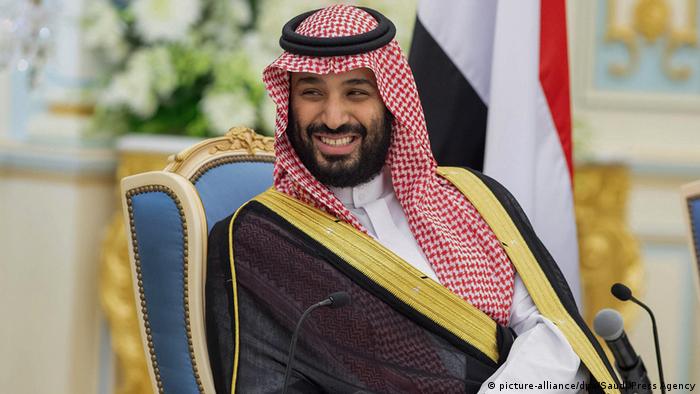
Saudi Crown Prince Mohammed bin Salman (MBS) said in an interview earlier that his country does not view Israel as an “enemy” but as “a potential ally in many interests that we can pursue together, but must resolve some issues before reaching that.”
The fact that MBS alluded rather laconically with regard to the Palestinian cause, suggests that he is much more eager to expedite normalization with Israel in comparison with his father king salmon.
Also Read: Is America embracing dictatorship in the Arab world?
The normalization impact on Palestine
Unconditional Normalization would likely lead to the marginalization of the Palestinian cause, creating a new unnecessary enemy named Iran, by establishing normal relations with the traditional true enemy of Arabs and Muslims “Israel.”
The Arab-Israeli conflict has turned into a Palestinian-Israeli conflict.

Certain countries stated that they will never normalize relations with Israel and will hold on to the Palestinian cause Iraq, Lebanon, Syria, Iran, Algeria, etc…
There is no doubt that the idea of more middle east countries normalizing with Israel is very gloomy for the bulk of Arabs and Muslims.
Especially, Many Arab countries betraying, knowingly and deliberately the Palestinian cause.
This would affect the morale and psychological popular Arab discourse and will be important in any future confrontation with Israel.
Nonetheless, we are confident that the will of the people will eventually prevail over the treachery of their despots and tyrants.



-
 Featured3 years ago
World passively watching as Israel perpetrates open-ended massacre in Gaza
-
Featured4 years ago
Argentina wins the World Cup; are there any other winners?
-
Featured3 years ago
Israel is Hiding Crucial Demographic Facts About Palestinians
-
Featured5 years ago
History of the Ottoman Empire
-
Featured4 years ago
Christian militia infiltrate Lebanon
-
Featured6 years ago
“Do Not Waste Water Even If You Were at a Running Stream” Prophet Muhammad
-
Featured3 years ago
Muhammed: The Greatest Man to walk on Earth
-
Featured4 years ago
World Leaders Remain Silent Over Human Rights Violations in the UAE














