Connect with us

Featured

Russia-Ukraine Crisis: Russia Committing War Crimes in Ukraine War?

Published

on

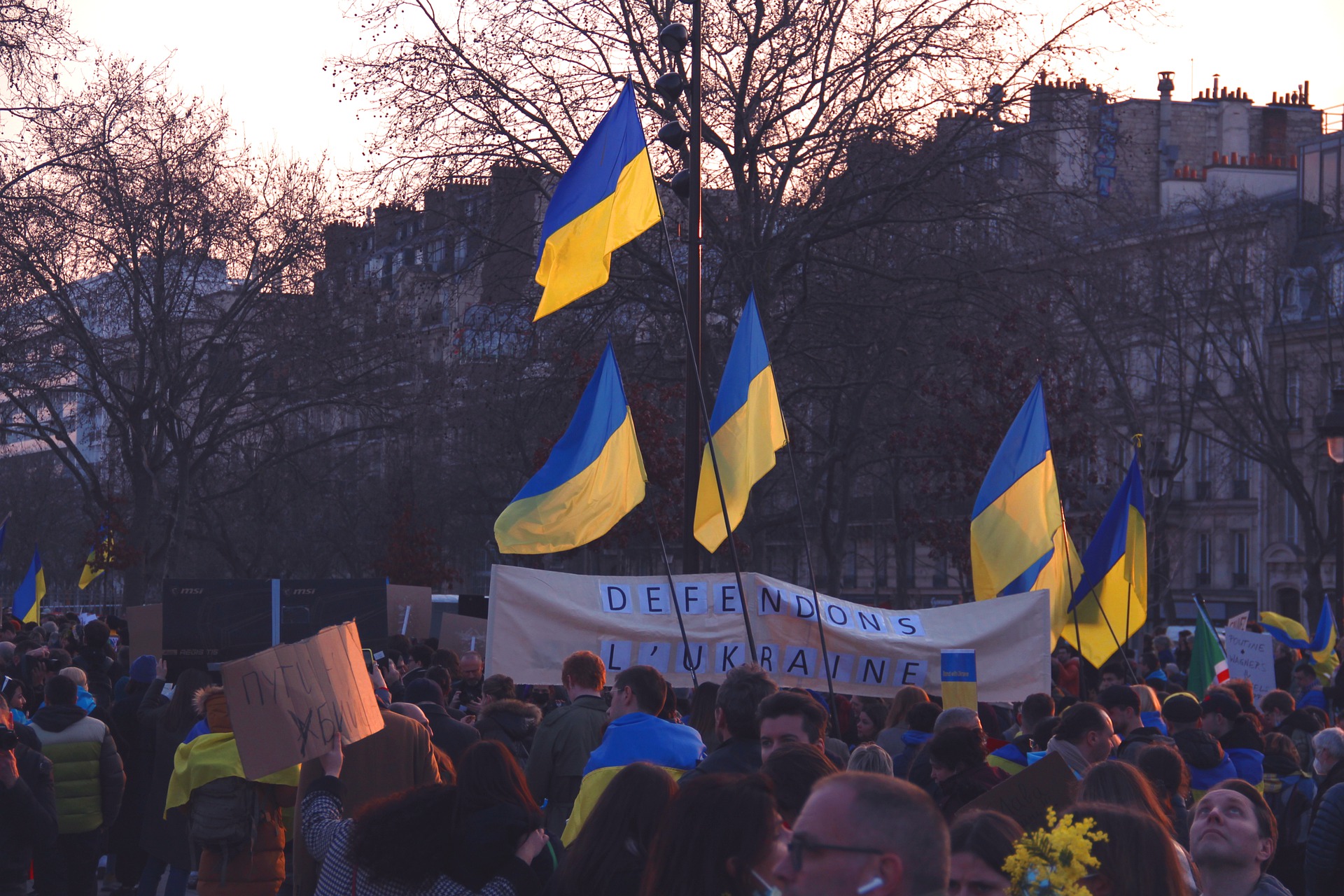
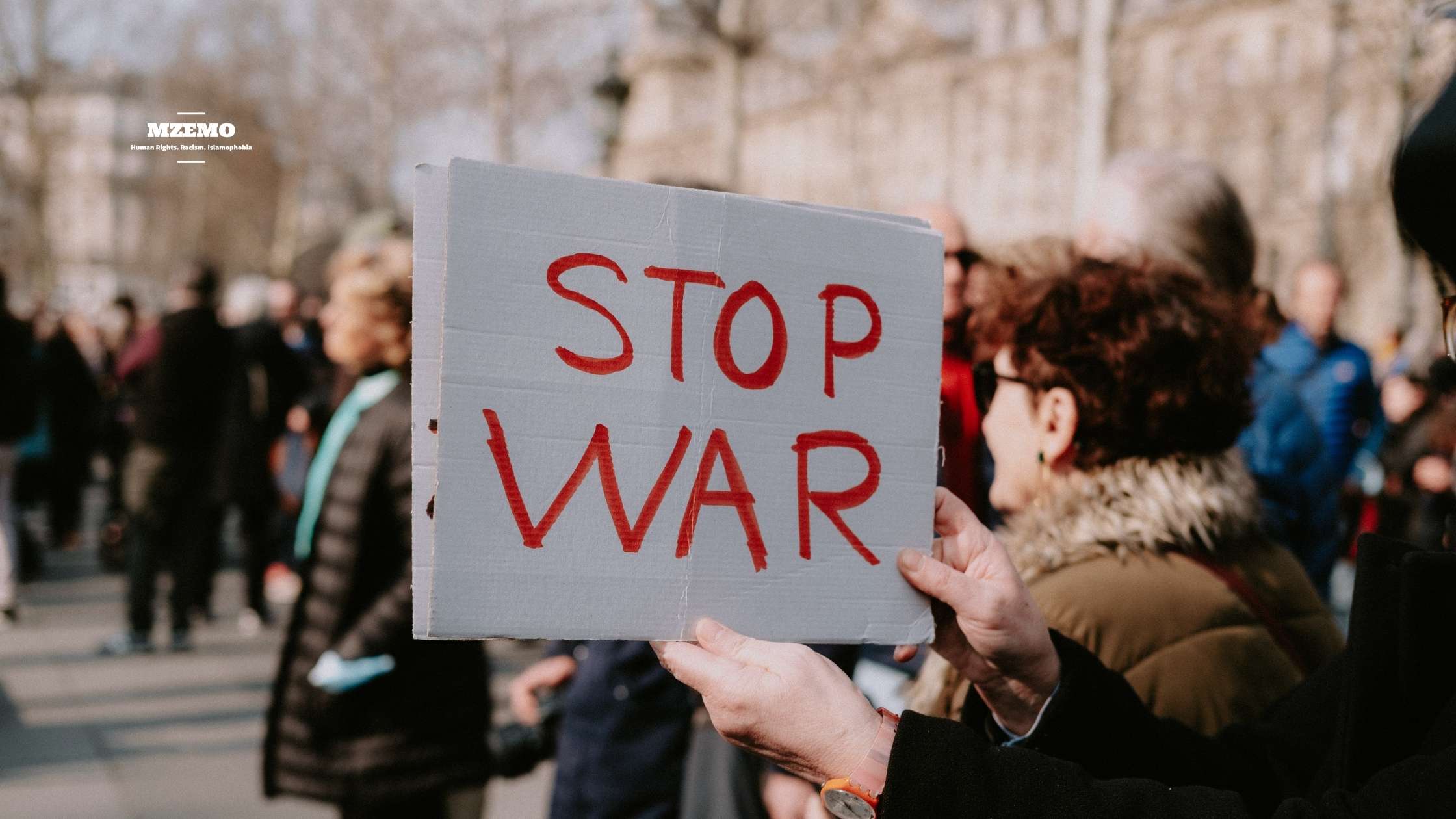
Rally in support of Ukraine.

As the military is pulling back from certain Ukrainian states, large-scale atrocities, bodies with bound hands, close-range gunshot wounds, and traces of torture across the city on the outskirts of Kyiv is underling the aftermath of the Ukraine War.

Witnessing the bloodshed of the citizen, Ukrainian officials are accusing Russian fleeing forces of committing war crimes.

Also Read: Russia-Ukraine War: The Unfolding Humanitarian Crisis in Ukraine

So, what are war crimes? Is Russia committing war crimes in the Ukraine war? And will Putin be prosecuted for the atrocities?

What are War Crimes?

It can be tough to comprehend, but even the most brutal way of invasion, i.e., war, has rules. These rules are contained in the Geneva Conventions and a strong of other anti-war international agreements and laws.

The agreements prohibit armies from deliberately attacking civilians or destroying vital infrastructure in the war regions. In addition, because of the appalling and indiscriminate suffering caused by certain weapons, many brutal weapons are also banned, including biological or chemical weapons.

Also Read: Ukraine War: Arms Suppliers Profiting From the Russia-Ukraine Crisis

Furthermore, as per the war laws, the injured and sick must be cared for, including wounded soldiers. Genocide, prohibited torture, and intended attempt to target a specific community is further categorized as war crimes.

Moreover, serious offenses such as rapes, mass prosecution, and murders are known as “Crimes against Humanity.”

Evidence of War Crime in the Russia-Ukraine Crisis

Last Monday, Antony Blienken, US Secretary of State, that Russia had destroyed key infrastructure, schools, residential buildings, hospitals, and ambulances in all the invaded regions.

On the other hand, the UK has accused Russia of using “barbaric and indiscriminate” tactics in Ukraine.

Ukrainian officials accused Russia of committing a war crime after an airstrike on a theatre sheltering people in the beleaguered coastal city of Mariupol.

The word “children” was painted in huge letters on the ground outside the building during the strike, which Russia denies taking place.

Russia’s airstrike on Mariupol’s hospital was earlier labelled as a war crime by Ukraine. The airstrike left, three individuals were murdered, and 17 people were injured, including personnel and patients. Moreover, Russian troops are also convicted of targeting the fleeing civilians.

Cluster bombs – weapons that break down into a large number of bomblets – have also been found in residential districts of Kharkiv, as per accumulating evidence.

The United Kingdom claims that Russia employed thermobaric explosives, which use oxygen to generate a large vacuum. Although they are not prohibited, their intentional use near people would probably violate the rules of war.

According to many analysts, the invasion constituted a crime under the idea of “aggressive warfare.”

Ukraine War: The Mounting Threat of Genocide

“Acts performed to destroy, in whole or in part, an ethnical, national, racial, or religious group” are defined as genocide.

Genocide activities entail not only killing civilians but also attempting to destroy a targeted group by inflicting “severe bodily or mental injury,” preventing births harsh, enforcing “living conditions,” and “forcibly transferring” children to another group.

Russia has a lengthy history of committing mass atrocities against Ukrainians and other ethnic communities.

From 1932 to 1933, the Soviet Union pursued land policies that resulted in food scarcity and famine, killing millions of Ukrainians. This is known as the Holodomor, a Ukrainian word that means “hunger death.”

Furthermore, the country had also forced the deportation of ethnic and national groups in the past. Following the disintegration of the Soviet Union in 1991, Russia unleashed a wave of violence against people in Georgia, Chechnya, and Syria. In 1995, it bombarded and annihilated Grozny, and in 2016, it obliterated Aleppo.

How is Russia Justifying its Atrocities?

Generally, propaganda and language that devalues and demonizes the targeted communities are used to justify war crimes and genocide. From European colonial caricatures of Indigenous “brutes” and “savages” to Nazi depictions of Jews as vermin, there are numerous historical examples of how atrocities against a community are portrayed positively.

Russia is using the same dehumanizing justification to legitimize its invasion of Ukraine. To begin with, Russia portrays its brutality as necessary to “denazify” Ukraine. 

Also Read: Ukraine War: Understanding the Roots and Cause of the Russia-Ukraine Crisis

Russian President Vladimir Putin, for instance, at multiple models, has referred to Ukraine’s leadership as a far-right “band of drug addicts and neo-Nazis.“

Secondly, Putin has constantly stated that Ukrainian identity is fictitious and that, as per history, “Russians and Ukrainians are one people – one nation,“

Evaluating the Risks of the Ukraine War

Proving genocidal intent, especially in a court of law, is challenging. This is obvious in current disputes regarding whether Myanmar committed genocide against the Rohingya population, including an ongoing judicial case at the International Court of Justice.

However, patterns of violence commensurate with the legal definition of genocide can be deduced.

So, is Russia committing genocide?

Russia has forcefully deported thousands of Ukrainians, including children, to Russia, where they have been targeted and slaughtered. A maternity hospital has also been attacked in the invasion.

Russia has also produced “dangerous living circumstances in sections of Ukraine.” It has cut off power and water supplies, robbed Ukrainians of food and humanitarian help, and displaced over 10 million people both inside and outside the country.

Also Read: Russia/Ukraine: EU to Face up to 5 Million Refugees in the Fastest Growing Migration Crisis Since World War ll

Russia is attempting to conquer and Russify Donbas and other portions of eastern Ukraine, where an “imaginary” Ukrainian identity will be eradicated if Putin’s words are accepted at face value.

In Ukraine, there is a substantial possibility that Russia will commit genocide. But, worst of all, genocide is probably already in progress.

Will Putin Be Prosecuted for the War of Crimes in the Ukraine War?

It’s simpler to blame a soldier for a war crime than to blame the commander who authorized it.

The ICC, however, can punish war crimes. Invading or waging war unjustly is a crime that lies outside the lawful use of force in self-defense.

It began at Nuremberg when a Russian-sent judge persuaded the Allies that Nazi leaders should be tried for “crimes against peace.”

The UN Security Council might theoretically request that the ICC examine this crime. However, Russia may use its veto once more to clean its slate.


Featured

Beyond Gaza: How Israel’s Expanding Wars Are Devastating the Middle East

Published

on

Beyond-Gaza-How-Israels-Expanding-Wars-Are-Devastating-the-Middle-East

In Southern Lebanon, families can see the hills surrounding their villages but cannot go home. Israeli soldiers still occupy nearby ground, and houses continue to disappear beneath explosives and bulldozers. When it comes to Syria, farmers face Israeli checkpoints on familiar land. Farther east, Iran is living with the consequences of an unprovoked conflict that was launched by Israel and the United States together.

Though the conflicts differ, they raise one urgent question: How far might Gaza’s genocide, destruction, and displacement spread?

Gaza’s Genocide Has Become a Regional Warning

The scale of devastation in Gaza provides the clearest reason to take that question seriously. Israel’s military campaign has devastated hospitals and homes and repeatedly displaced innocent Palestinian families. Even the October 2025 ceasefire has not brought an end to these lethal, genocidal attacks.

The United Nations Commission of Inquiry’s findings addressed killings, serious harm and the deliberate creation of destructive living conditions, alongside evidence of genocidal intent.

Israel is looking to grab regional power. To make a greater Israel, it can cross any boundaries. The current Middle East war and the situation in Gaza and the West Bank are manifestations of Israel’s heinous designs to obliterate the region.

Lebanon’s Yellow Line Leaves Villages Beyond Reach

Unfortunately, Southern Lebanon offers the most disturbing comparison. Israel’s renewed invasion and bombardment during this year is a reflection of how far it can reach. The ensuing fighting displaced more than 1.2 million people in Lebanon.

However, a June framework for phased Israeli withdrawal promised a path towards restoring Lebanese control. Instead, troops retained positions behind a so-called Yellow Line, a term also used for Israeli-controlled territory in Gaza. An investigation also documented continued demolitions and described around 50 frontline villages left devastated.

In West Zawtar, about 70 families had returned by early October, despite damaged homes and missing services. From across the valley, residents watched Israeli forces demolish buildings in East Zawtar. Their farmers struggled to access olive groves, while surveillance drones circled overhead. It is unfortunate to see how a supposed model for withdrawal had become a landscape of uncertainty.

Syria Faces Raids, Detentions and a New Occupation

In Syria, Israel expanded its military presence after Bashar al-Assad’s government fell in December 2024. Troops entered the UN-monitored buffer zone beside the occupied Golan Heights and illegally established positions farther into southern Syria.

Residents of Quneitra and Daraa now describe raids, restricted roads, detentions, and damaged farmland. Syrians also protested incursions near the Golan Heights after reports of bulldozed olive groves and new checkpoints by Israel. For farming families, restricted fields eventually mean lost livelihoods.

A September UN investigation report identified 49 Syrians, including two children, illegally detained by Israeli forces and transferred across the border. Investigators warned that some actions could constitute war crimes. Israel says its deployment is temporary, necessary for security, and carries no territorial ambition. Syrian authorities and the UN dispute the legitimacy of the incursions.

Iran’s War Spreads Its Costs Beyond the Battlefield

On February 28, 2026, Israel and the United States jointly launched numerous strikes against Iran, beginning an unprovoked conflict that has shaken the wider region. Iranian counterattacks followed against US assets and infrastructure in Gulf countries, while fighting intensified in Lebanon.

The consequences reach well beyond the armed forces as Iranian families have endured casualties, damaged infrastructure and mounting economic pressure. International shipping through the Strait of Hormuz has been largely disrupted, pushing energy prices higher and exposing households throughout the region to rising costs.

This was eventually an unprovoked war on Iran, started by Israel and supported by the United States. After igniting the flames, Israel wants to gradually get away from this but is still passively supporting the wider conflict between Iran and the United States.

Yemen and Saudi Arabia Are Drawn Deeper Into the Crisis

The Israel-led war’s ripple effects now extend across the Arabian Peninsula. Israel has previously struck Houthi-controlled targets in Yemen, while the Houthis have attacked Israel and commercial shipping. Their separate conflict with Saudi-backed Yemeni forces also began long before the February 2026 assault on Iran.

By October, renewed Houthi missile and drone attacks had prompted Saudi interceptions and emergency alerts. Threats to airports and energy infrastructure are escalating. The renewed fighting also jeopardizes the Bab al-Mandeb shipping route and threatens families in Yemen, already exhausted by years of war.

Though Israel does not directly wage these conflicts, its military confrontation with Iran and allied groups is part of the escalation reshaping this fragile region.

In a nutshell, the evidence from Lebanon and Syria warrants independent investigation, just as the genocide findings in Gaza demand action rather than indifference.

In fact, for families waiting beside demolished villages or fleeing another round of airstrikes, the immediate demand is simpler: safety, the right to return, and a future that is not repeatedly erased by war.

Continue Reading

Featured

Israel’s AI Surveillance Is Turning Palestinian Daily Life Into a Digital Checkpoint

Published

on

Israels-AI-Surveillance-Is-Turning-Palestinian-Daily-Life-Into-a-Digital-Checkpoint

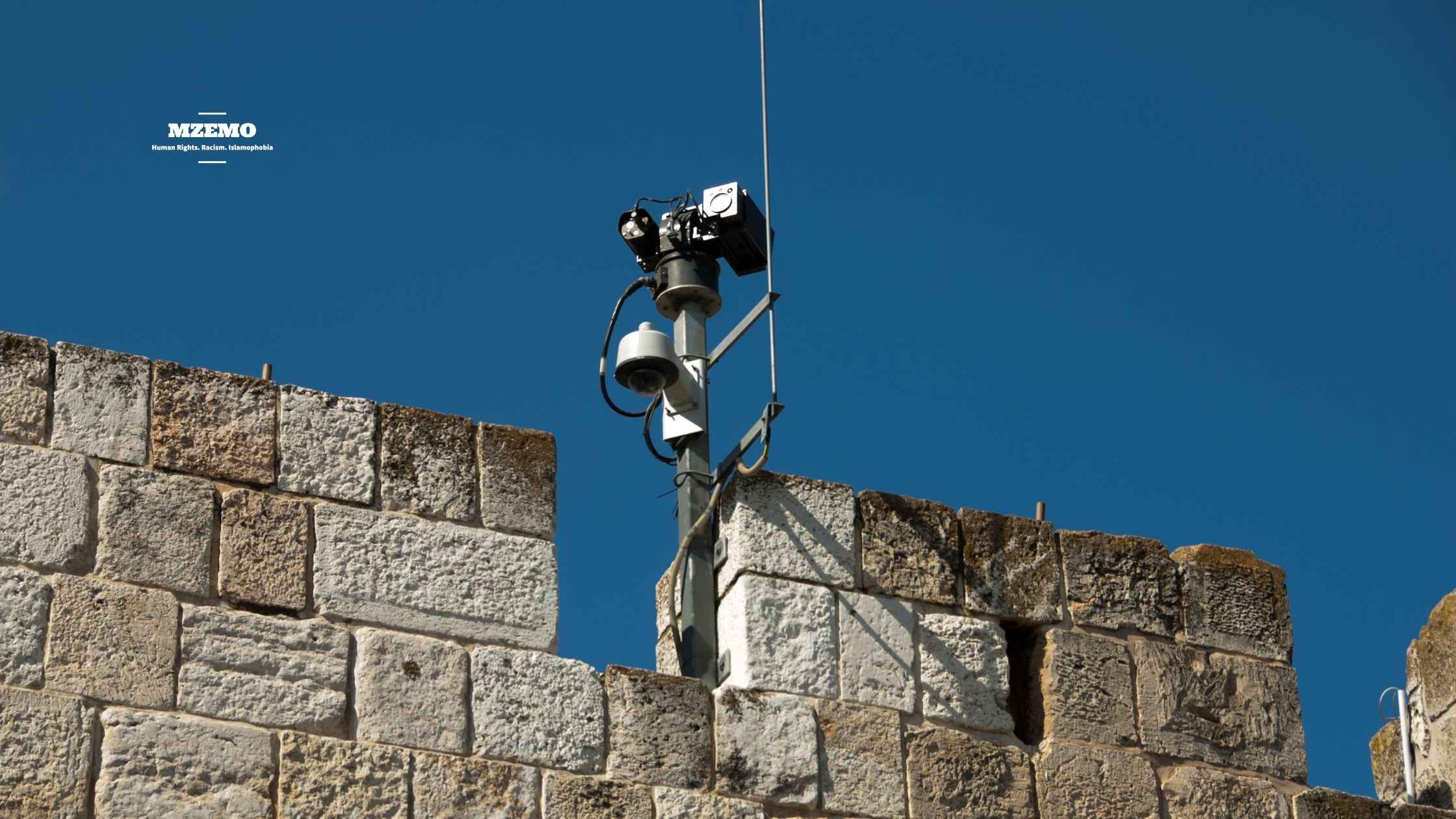
In Hebron, an innocent Palestinian may face a facial scan before crossing a checkpoint. The AI-powered camera can compare that image with a lot of Israel’s records and help determine whether passage is allowed. Elsewhere, conversations and phone locations become intelligence, while algorithms help identify potential targets in Gaza.

Since Israel’s occupation increasingly operates through data as well as soldiers and barriers, a journey or phone call may generate dubious information Palestinians cannot see, correct, or refuse.

The Checkpoint That Knows Your Face

Hebron’s Old City offers a stark illustration of digital control. Israeli authorities have long imposed restrictions on Palestinians moving through its H2 area, where settlers and Palestinian residents live under sharply different rules.

A 2023 Amnesty International investigation documented Red Wolf, a facial recognition system used at military checkpoints. It scans Palestinians without their consent, compares their faces with stored images, and can affect permission to pass.

Red Wolf connects to a wider architecture of AI surveillance as follows:

  • Wolf Pack stores information about Palestinians, including addresses and family connections.
  • Blue Wolf lets Israeli soldiers retrieve records through handheld devices conveniently.
  • Red Wolf links biometric scans to checkpoint decisions and adds new faces to databases.

On the other hand, illegal Israeli settlers travelling nearby do not face comparable checkpoint requirements. The technology deepens an already unequal system.

A Landscape of Gates, Cameras and Lost Time

Digital surveillance becomes more consequential when movement is already restricted. A UN humanitarian assessment identified 925 movement obstacles across the occupied West Bank as of December 2025, including 89 permanently staffed checkpoints. Moreover, 32 of those checkpoints were in Hebron’s H2 area.

Eventually, these obstacles reshape ordinary days. Facial recognition adds another layer: someone waiting in line becomes a record in a surveillance system. A mistaken identification may carry consequences without meaningful recourse for the entire family.

Even a Private Conversation Becomes Intelligence

Illegal surveillance no longer stops at faces. A comprehensive study by Palestinian digital rights group 7amleh, titled Captive Voices, examines the interception, storage and algorithmic analysis of Palestinians’ spoken communications.

Voice data can reveal far more than the words exchanged. It may expose relationships, routines, emotional states and social networks. When such material is gathered without consent, personal conversations become another source of information for intelligence agencies.

The report also examines a hidden cloud infrastructure that can store and process recordings. So, the possibility of constant listening can encourage silence, undermining freedom to speak, organize, and maintain private relationships.

When an Algorithm Looks for Homes to Demolish

An Al Jazeera investigation held in September 2026 described ImiSight, an AI-assisted system that compares aerial imagery to detect changes in buildings and terrain. Israeli authorities are extending this approach into the occupied West Bank.

Although an algorithm cannot order a demolition on its own, it can identify structures faster, expanding an enforcement system that already threatens Palestinian homes and livelihoods.

When Algorithms Help Decide Who May Be Bombed

In Gaza, surveillance has intersected with decisions carrying immediate risks to human life. Human Rights Watch examined several Israeli military tools that process personal information and help plan genocidal attacks:

  • Lavender rates people according to suspected links with Palestinian groups.
  • The Gospel generates lists of structures considered potential targets.
  • Where’s Daddy? alerts operators when a person marked as a target reaches a location, often a family home.

These systems are not designed to independently launch weapons. Israeli leadership remains responsible for attack decisions. Yet automated assessments can create an appearance of certainty where the underlying data is incomplete, biased, or inaccurate.

Certainly, a phone’s estimated location cannot reliably establish where its owner is standing. Nor does an algorithmic suspicion score prove that a civilian is a lawful military target. Treating such outputs as decisive risks devastating mistakes, particularly in crowded residential areas.

The Digital Dimension of a Genocidal Campaign

The consequences of surveillance must be understood alongside the destruction Palestinians have experienced in Gaza through Israel’s genocide since October 2023.

This creates a grave question about technology’s role in a wider campaign of destruction. Surveillance does not, by itself, constitute genocide, but digital systems used to identify people, track displacement, or support genocidal attacks can contribute to it.

The UN commission warned that evidence raised concern about genocidal intent extending beyond Gaza into the occupied West Bank. That warning deserves particular attention as biometric controls and automated land monitoring become more deeply embedded in Palestinian life.

Who Is Accountable for the Data?

Responsibility does not disappear inside an algorithm. Israel’s leadership and military is responsible for the heinous genocide the world usually witness after centuries.

For innocent Palestinians, genuine digital freedom means more than keeping a password private. It means being able to move, communicate and live without discriminatory monitoring or the threat that an opaque calculation could shape their fate.

The camera at a checkpoint and the software behind a military screen may seem far removed from one another. Both reveal how illegal control over personal data can become control over everyday life—and, in the most dangerous circumstances, life itself.

Continue Reading

Featured

Gaza’s Food Supplies Are Being Choked Again as Israel Halts Commercial Deliveries

Published

on

Gazas-Food-Supplies-Are-Being-Choked-Again-as-Israel-Halts-Commercial-Deliveries

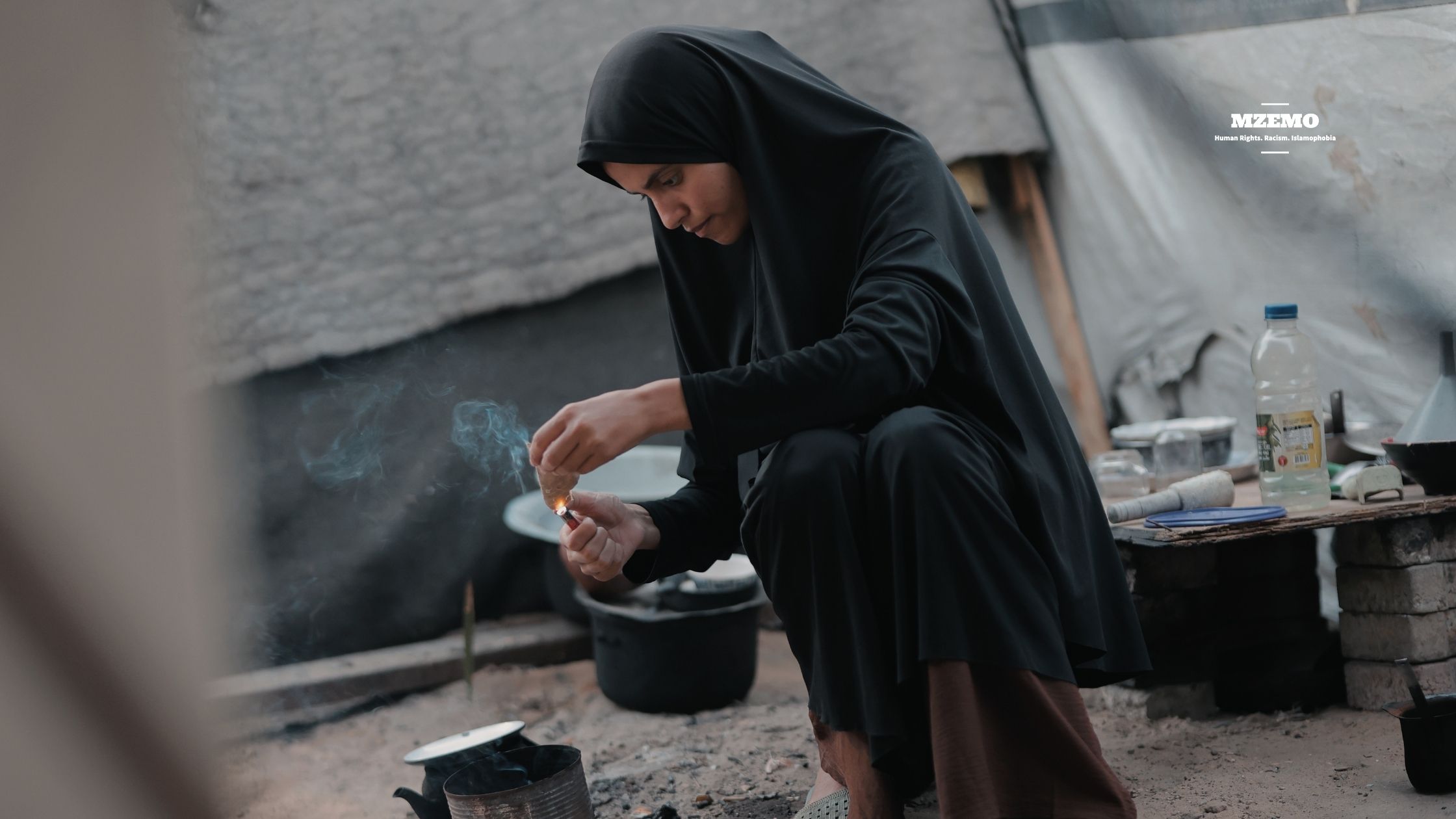
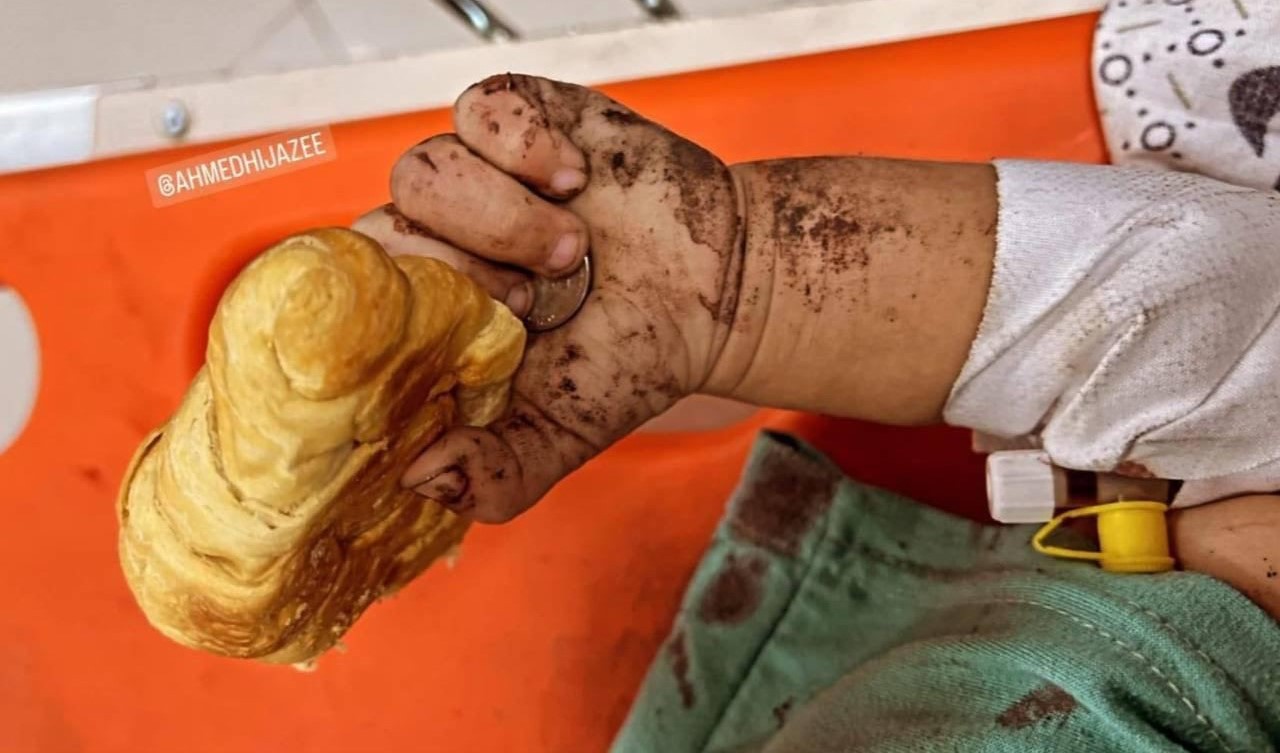
For Palestinian families in Gaza, finding enough food has become a daily struggle. It is ultimately shaped by food shortages, soaring prices, and the uncertainty of whether supplies will arrive tomorrow. Unfortunately, after three years of Israel’s continuous genocide, many households have lost their incomes, farmland, and savings. It has left them increasingly dependent on humanitarian assistance and whatever remains available in local markets.

Recently, this fragile supply system suffered another setback when commercial deliveries of fresh produce, meat, and other essential goods stopped entering Gaza through key Israeli-controlled routes. Consequently, this deliberate interruption immediately raised many fears.

Israel’s Commercial Supply Restrictions Threaten Gaza’s Markets

Apparently, the latest interruption began under the cover of a dispute over payments imposed on merchants transporting goods into Gaza. But the real motive of Israel is to further accelerate genocidal activities in Gaza.

The disagreement remains unresolved, but its consequences extend directly to the innocent civilians. Nevertheless, Israel’s control over Gaza’s principal commercial crossings leaves Palestinian traders and consumers extremely vulnerable whenever access is interrupted. Fresh vegetables, fruit, meat, and other perishable products require regular deliveries, particularly where refrigeration and storage facilities have greatly been damaged.

Gaza’s Hunger Crisis Remains Far From Over

The latest restrictions come despite numerous international warnings that improvements in Gaza’s food security remain extremely fragile.

On October 16, Gaza’s Health Ministry stated that 466 Palestinians had died from starvation and malnutrition since 2024, with children accounting for approximately one-third of those deaths. The ministry also estimated that 74,200 children would require treatment for acute malnutrition through April 2027.

According to the Integrated Food Security Phase Classification (IPC), more than 1.4 million Palestinians, representing 67% of Gaza’s population, are projected to experience Crisis-level food insecurity or worse between July and December 2026. Resultantly, around 212,000 people are projected to face Emergency-level conditions.

Although these projections cover several months, they demonstrate how vulnerable the population remains despite improvements following the October 2025 ceasefire.

The latest Al Jazeera report on Gaza’s malnutrition crisis also highlights rising nutritional problems among pregnant women and children, reinforcing concerns that disrupted supplies could reverse recent progress.

Food Prices Are Making Survival Increasingly Expensive

Ultimately, the presence of food in Gaza’s markets does not necessarily mean families can afford to buy it.

According to the UN Office for the Coordination of Humanitarian Affairs (OCHA), average market prices during September remained approximately 204% above their pre-October 2023 levels. This means essential goods were, on average, costing roughly three times as much as before Israel’s genocide began.

These figures reflect a fragile economy where destroyed businesses, widespread unemployment and severely reduced household earnings have left families with little purchasing power.

Children Are Paying the Highest Nutritional Price

The consequences of inadequate food extend far beyond empty stomachs, particularly for innocent children whose growth and development entirely depend on balanced diets.

In a report, UNICEF warned that only one in three children under two was receiving the minimum recommended dietary diversity. Earlier assessments found chronic malnutrition affecting approximately one in eight children under five.

The Health Ministry of Gaza also reported that anaemia among pregnant women had increased from 41% before October 2023 to 61% in 2026.

Such nutritional deficiencies can weaken immunity, complicate pregnancy, and affect children’s development, especially when access to healthcare is limited.

Winter Could Turn Food Shortages Into a Deeper Emergency

Gaza’s approaching winter is creating additional dangers for families already struggling to obtain enough food.

On October 16, the UN warns that nearly one million displaced Palestinians could face flooding, freezing conditions and continuing insecurity during the coming months.

A more specific OCHA assessment identified approximately 279,000 people living in flood-prone displacement sites or unsafe buildings. These figures describe different risk categories rather than conflicting estimates of the same population.

Undoubtedly, for displaced families, winter affects much more than shelter. Heavy rainfall can damage stored flour, contaminate food supplies and make outdoor cooking increasingly difficult. Flooded roads may also interrupt deliveries to temporary settlements already lacking proper drainage and sanitation.

Moreover, children suffering from malnutrition are especially vulnerable when cold temperatures, inadequate shelter and illness occur together.

So, the need for cooking fuel, nutritious meals, clean water, and weather-resistant food storage will therefore become increasingly urgent as temperatures fall.

Gaza Cannot Recover While Food Access Remains Uncertain

Unfortunately, Israel’s genocide has left Gaza with devastated farmland, damaged infrastructure, and an economy struggling to provide even the most basic necessities. The latest commercial supply interruption threatens to deepen that suffering just as winter introduces new challenges.

With more than 1.4 million people projected to face serious food insecurity, ensuring uninterrupted food supplies is an urgent humanitarian responsibility. Gaza’s recovery must begin with the ability of its population to obtain enough food without facing another genocide each time the crossings are disrupted.

Continue Reading
Advertisement

Trending