Connect with us

Featured

Climate Change Taking Toll on Low-Income Countries

Published

on

The subtle and stark effect of climate change can be experienced all over the globe. The gradually shifting weather patter, extreme weather events, rising sea levels, and melting glaciers are some of the most devastating evidence of the rapidly changing climate and the disastrous after-effects that follow. But the newest report from BBC shows that the impacts faced by every country and continent are not equal. Low-income countries cannot cope with the repercussions of years of cumulative damage done to the environment.

The Worst Hit Areas

Recently an organization of 90 countries reported that their plans of damage control and reverse climate change have already been outpaced by the disasters caused by extreme weather events that are intensifying with an increased frequency. On Monday, a concerned body of the United Nations will be publishing their new assessment highlighting the current state of global warming.

But, reports are not good. The recent hurricanes and wildfires in the west and floods in China and neighboring countries are depicting the long-painted picture of after-effects. Though the contribution in rising global average temperature has been the highest from the high-income countries, the major consequences are being suffered by low-income countries. Some of those examples are:

Pacific Island’s Falling Seawalls

Coral Sea Foundation‘s estimation reports that Potaminam Island, located 260 km from high grounds, will likely disappear in the coming few decades due to the rising sea level. On the other hand, the people of Carteret Islands are living on the verge of starvation, as crops cannot grow in the soil with high salt content from seawater.

Islands of the Pacific ocean are being washed away

Nukumanu (Tasman) island residents travel hundreds of kilometers to the island of Buka, often time risking their life to buy rations, primarily rice. As one of the many impacts of climate change on PNG’s coral atolls, numerous Pacific islands face drought for over six months every year.

Climate change is already rising sea-level forcing coastal communities to relocate. According to an estimate, 200 million people worldwide could be displaced by the middle of this century due to harsh and inhabitable weather events. In addition, the seawall in the pacific islands are falling, and experts estimated that in the coming 50-60 years, most of the pacific islands will be washed away by the ocean.

Caribbean: Still Recovering

Residents are still recovering from the record-breaking number of tropical storms that hit the Caribbean last year, including the six extremely disastrous ones; the World Meteorological Organisation. Thousands lost their houses, livelihood, and hopes one. Even years down the line, the stormy winds still haunt the locals.

Experts fear, that in the coming years, the number and intensity of the storm are likely to rise, thus causing more destruction. Climate Negotiator of Small Island States, Diann Black Layner says, “We used to see category four hurricanes, so that’s what we have prepared for with our adaptation plans, but now we are being hit by category five hurricanes,”

Climate Change: Adapting to the New Normal

Still, climate displacement is not considered an important global issue. Climate refugees who cross the local and national borders to find safety are still not recognized by UN Charter. Climate activists all around the globe are demanding for “Safe Second Home” for people living under constant threat of climate calamities, where the refugees would have full rights to return to their islands.

A woman gathering water at a rocky area in ethiopia
40-year old Manase collecting water for her family from a self-dug hole

According to the United Nations Framework Convention on Climate Change, over 80% of all developed countries have already started formulating strategies and implementing more resilient adaptation plans. On the other hand, a study by the International Insitute of Environment and Developments (IIED), published in July this year, found that 46 of all the low-income countries are not financially capable of keeping themselves “climate-proof

Climate Change Triggering Conflicts

A pledge to contribute $100billion every year by 23 developed countries under the EU and the UN climate convention might help provide the poor countries with resources of being climate-proof. For now, the fund will be utilized for emissions-cutting schemes, mitigate-damage adaption triggered by climate-induced disasters. A few years later, the fund will be passed to agencies like Green Climate Fund and Global Environment Facility, but the contributing countries argue that this promise is often unkept.

A report by the Organisation for Economic Cooperation and Development showed that in 2018 alone, developed countries contributed about $80 billion to climate finance. But astoundingly, only 21% of the money was utilized to adapt to climate impact, while a major section went to cutting carbon emissions.

Building a climate-resilient food source and livelihoods, helping poor communities prepare for the climate disasters that will only get worse, and addressing climate change-triggered conflict are ways to make a more resilient calamity relief plan. Fighting against climate change should be a collective effort. Opportunities for collaboration and planning can reduce the damage and risks of conflicts and could foster a better future..”
Featured

Gaza’s Food Supplies Are Being Choked Again as Israel Halts Commercial Deliveries

Published

on

Gazas-Food-Supplies-Are-Being-Choked-Again-as-Israel-Halts-Commercial-Deliveries

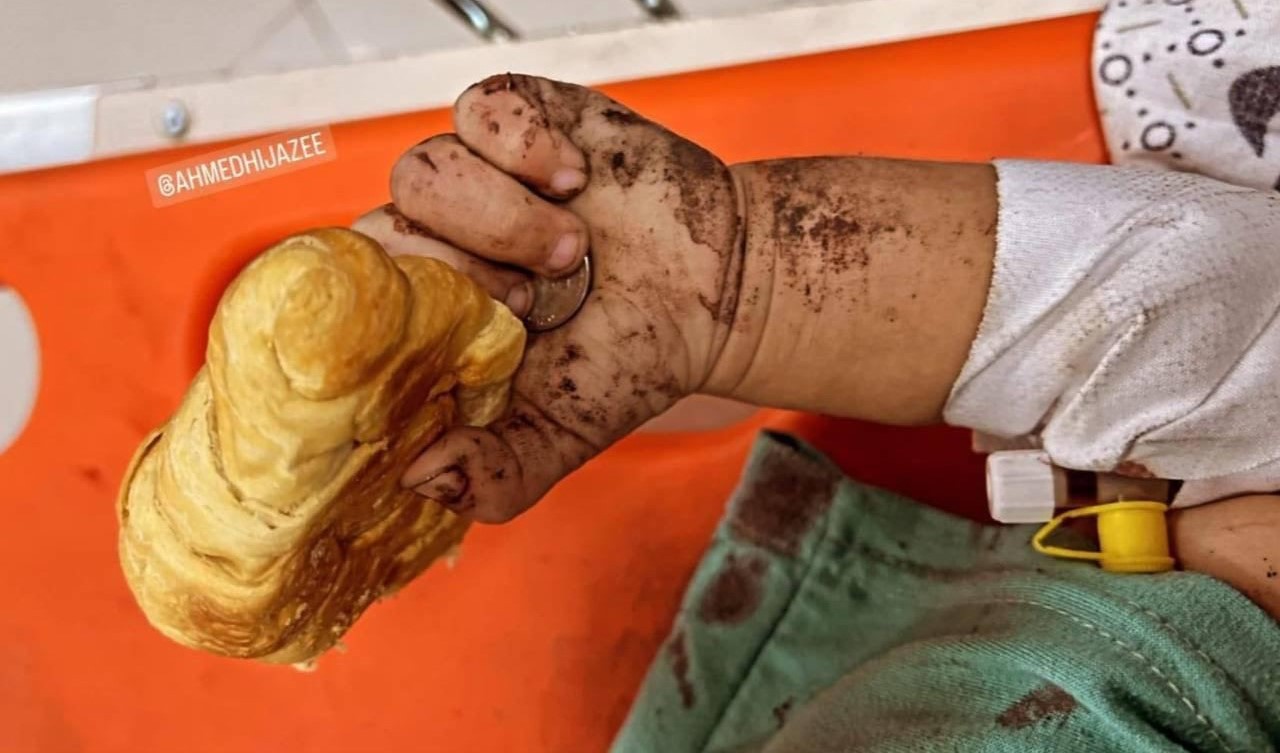
For Palestinian families in Gaza, finding enough food has become a daily struggle. It is ultimately shaped by food shortages, soaring prices, and the uncertainty of whether supplies will arrive tomorrow. Unfortunately, after three years of Israel’s continuous genocide, many households have lost their incomes, farmland, and savings. It has left them increasingly dependent on humanitarian assistance and whatever remains available in local markets.

Recently, this fragile supply system suffered another setback when commercial deliveries of fresh produce, meat, and other essential goods stopped entering Gaza through key Israeli-controlled routes. Consequently, this deliberate interruption immediately raised many fears.

Israel’s Commercial Supply Restrictions Threaten Gaza’s Markets

Apparently, the latest interruption began under the cover of a dispute over payments imposed on merchants transporting goods into Gaza. But the real motive of Israel is to further accelerate genocidal activities in Gaza.

The disagreement remains unresolved, but its consequences extend directly to the innocent civilians. Nevertheless, Israel’s control over Gaza’s principal commercial crossings leaves Palestinian traders and consumers extremely vulnerable whenever access is interrupted. Fresh vegetables, fruit, meat, and other perishable products require regular deliveries, particularly where refrigeration and storage facilities have greatly been damaged.

Gaza’s Hunger Crisis Remains Far From Over

The latest restrictions come despite numerous international warnings that improvements in Gaza’s food security remain extremely fragile.

On October 16, Gaza’s Health Ministry stated that 466 Palestinians had died from starvation and malnutrition since 2024, with children accounting for approximately one-third of those deaths. The ministry also estimated that 74,200 children would require treatment for acute malnutrition through April 2027.

According to the Integrated Food Security Phase Classification (IPC), more than 1.4 million Palestinians, representing 67% of Gaza’s population, are projected to experience Crisis-level food insecurity or worse between July and December 2026. Resultantly, around 212,000 people are projected to face Emergency-level conditions.

Although these projections cover several months, they demonstrate how vulnerable the population remains despite improvements following the October 2025 ceasefire.

The latest Al Jazeera report on Gaza’s malnutrition crisis also highlights rising nutritional problems among pregnant women and children, reinforcing concerns that disrupted supplies could reverse recent progress.

Food Prices Are Making Survival Increasingly Expensive

Ultimately, the presence of food in Gaza’s markets does not necessarily mean families can afford to buy it.

According to the UN Office for the Coordination of Humanitarian Affairs (OCHA), average market prices during September remained approximately 204% above their pre-October 2023 levels. This means essential goods were, on average, costing roughly three times as much as before Israel’s genocide began.

These figures reflect a fragile economy where destroyed businesses, widespread unemployment and severely reduced household earnings have left families with little purchasing power.

Children Are Paying the Highest Nutritional Price

The consequences of inadequate food extend far beyond empty stomachs, particularly for innocent children whose growth and development entirely depend on balanced diets.

In a report, UNICEF warned that only one in three children under two was receiving the minimum recommended dietary diversity. Earlier assessments found chronic malnutrition affecting approximately one in eight children under five.

The Health Ministry of Gaza also reported that anaemia among pregnant women had increased from 41% before October 2023 to 61% in 2026.

Such nutritional deficiencies can weaken immunity, complicate pregnancy, and affect children’s development, especially when access to healthcare is limited.

Winter Could Turn Food Shortages Into a Deeper Emergency

Gaza’s approaching winter is creating additional dangers for families already struggling to obtain enough food.

On October 16, the UN warns that nearly one million displaced Palestinians could face flooding, freezing conditions and continuing insecurity during the coming months.

A more specific OCHA assessment identified approximately 279,000 people living in flood-prone displacement sites or unsafe buildings. These figures describe different risk categories rather than conflicting estimates of the same population.

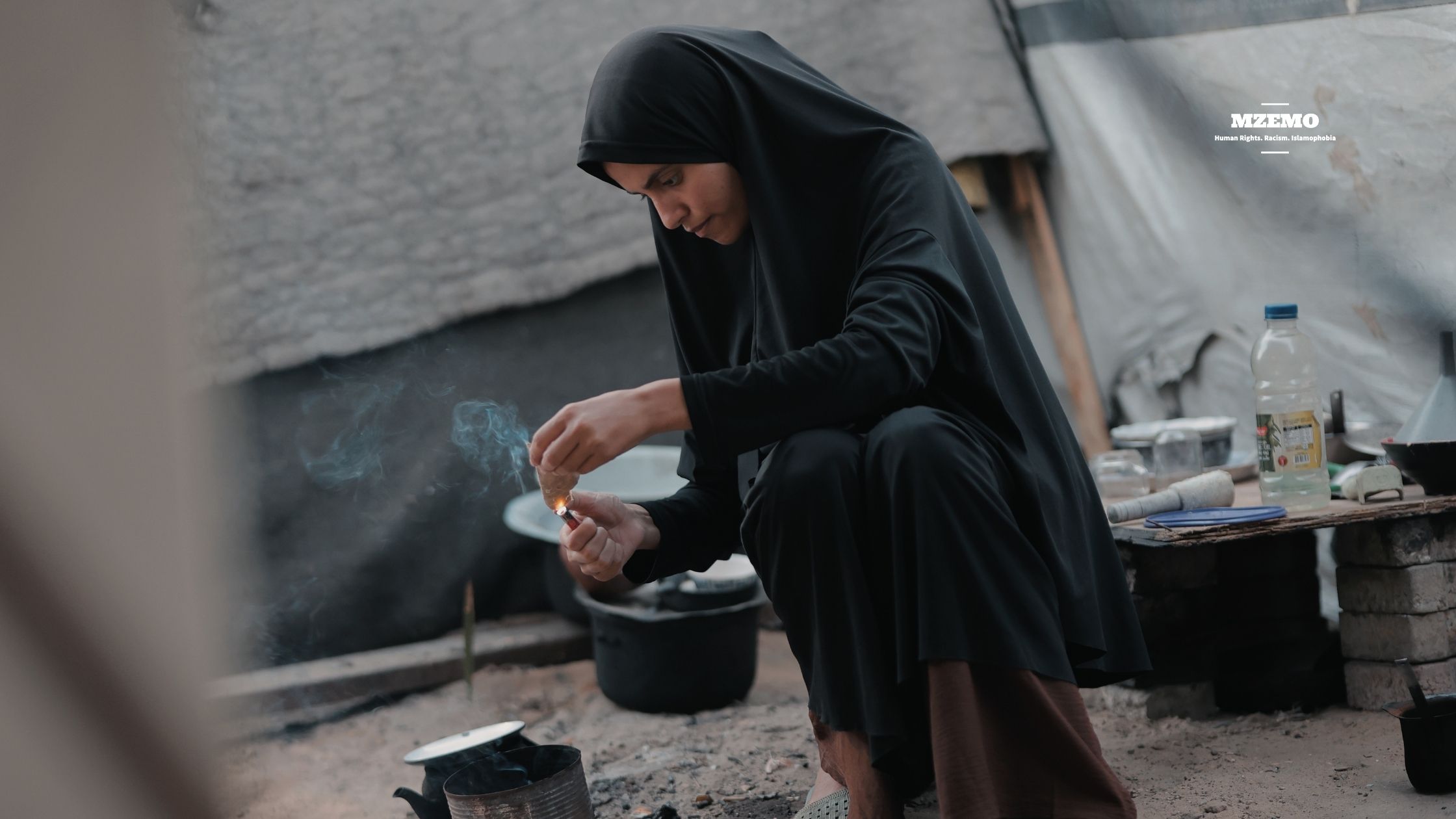
Undoubtedly, for displaced families, winter affects much more than shelter. Heavy rainfall can damage stored flour, contaminate food supplies and make outdoor cooking increasingly difficult. Flooded roads may also interrupt deliveries to temporary settlements already lacking proper drainage and sanitation.

Moreover, children suffering from malnutrition are especially vulnerable when cold temperatures, inadequate shelter and illness occur together.

So, the need for cooking fuel, nutritious meals, clean water, and weather-resistant food storage will therefore become increasingly urgent as temperatures fall.

Gaza Cannot Recover While Food Access Remains Uncertain

Unfortunately, Israel’s genocide has left Gaza with devastated farmland, damaged infrastructure, and an economy struggling to provide even the most basic necessities. The latest commercial supply interruption threatens to deepen that suffering just as winter introduces new challenges.

With more than 1.4 million people projected to face serious food insecurity, ensuring uninterrupted food supplies is an urgent humanitarian responsibility. Gaza’s recovery must begin with the ability of its population to obtain enough food without facing another genocide each time the crossings are disrupted.

Continue Reading

Featured

Israel’s Settlers Are Burning Palestine’s Olive Harvest and Its Future

Published

on

Israels-Settlers-Are-Burning-Palestines-Olive-Harvest-and-Its-Future

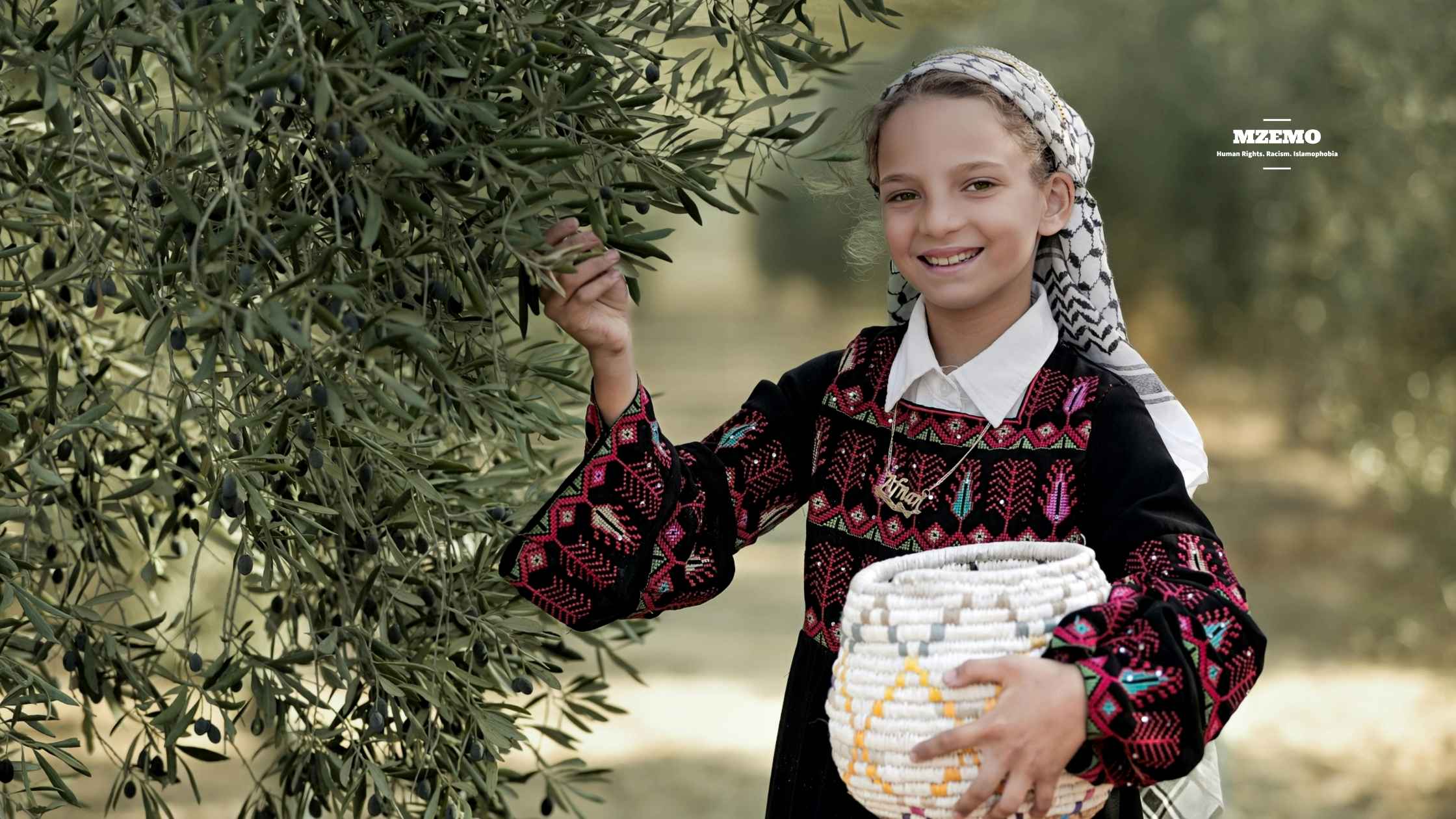
The olive harvest in Palestine should be a season of family gatherings, agricultural work, and celebration. Instead, farmers in the occupied West Bank are increasingly finding themselves surrounded by armed Israeli settlers, watching their olive trees burn while struggling to protect the land their families have cultivated for generations.

Specifically, on October 16, around 80 Israeli settlers descended on olive groves near Abu Falah, northeast of Ramallah. They brutally attacked innocent Palestinian harvesters with stones and set trees ablaze. Incidents like these expose a disturbing reality in which Palestinian farmers risk serious injuries simply by attempting to harvest their crops on their legitimate land.

A Harvest Season Marked by Israeli Settler Violence

The attack in Abu Falah was part of a much wider escalation across the occupied West Bank. Even an Israeli human rights organisation, Yesh Din, recorded at least 170 settler attacks between September 27 and October 16, coinciding with the beginning of the annual olive harvest.

On October 16 alone, numerous credible sources documented attacks across at least eight Palestinian villages, where settlers assaulted residents, burned vehicles and targeted olive trees.

This violence also follows an exceptionally destructive harvest season in 2025. According to the UN Office for the Coordination of Humanitarian Affairs (OCHA), Israeli settlers carried out 178 olive-harvest-related attacks during October and November, affecting 88 Palestinian communities. Additionally, more than 6,000 trees and saplings were vandalized, nearly twice the number damaged during the previous year.

For Palestinian farmers, these attacks create difficulties extending beyond immediate physical injuries. Families frequently lose access to their groves during the limited harvesting period, while damaged equipment, stolen crops, and the fear of renewed violence threaten their seasonal earnings.

Why Olive Trees Matter So Deeply to Palestine

Olive cultivation has sustained Palestinian communities for centuries, providing food, employment, and income. It also preserves strong connections between families and their ancestral land.

According to credible figures, approximately 110,000 Palestinian families depend on privately owned olive groves, while many others earn seasonal wages from harvesting, transporting olives, and producing olive oil.

Since a mature olive tree can remain productive for generations, its destruction is evidently disastrous. Replacing one requires years of cultivation, while families who lose their harvest may struggle to meet everyday expenses long before newly planted trees become productive.

Moreover, the economic damage also extends into rural communities, affecting olive presses, local traders and workers who depend on the short but essential harvesting season.

How Illegal Israeli Settlements Are Cutting Farmers Off From Their Land

Burning trees is apparently the only way Palestinian agriculture is being undermined. Across the occupied West Bank, expanding illegal Israeli settlements, military restrictions and settler intimidation increasingly prevent farmers from reaching their own properties.

A recently published OCHA report documented a situation in Beit Ula, northwest of Hebron, where the illegal establishment of an Israeli settlement outpost has severely restricted access to approximately 1,500 dunums of agricultural land. Around half of this area is planted with olive trees.

Looking back, in January 2026, an Israeli military order also designated roughly 1,300 dunums in the area as a closed military zone for one year. Local farmers highlighted repeated intimidation and restrictions that prevented them from cultivating and even reaching their land.

Such conditions gradually destroy agricultural livelihoods even when trees remain standing. Without reliable access, farmers cannot prune branches, maintain irrigation systems, or collect ripe olives, leaving valuable groves neglected and families without dependable income.

Eventually, the combination of illegal settler violence and settlement expansion has therefore become a serious threat to the continued presence of Palestinian farming communities.

Gaza’s Destroyed Olive Groves Reveal Another Devastating Loss

The destruction of Palestinian agriculture is not confined to the West Bank. In Gaza, Israel’s genocide has devastated agricultural land, destroyed orchards and placed large areas beyond the reach of surviving farmers.

A Reuters investigation revealed that, according to Gaza’s agricultural authorities, only approximately 150,000 of the territory’s original two million olive trees remain.

The expected olive harvest has collapsed from around 40,000 tonnes to just 5,000 tonnes, while olive-oil production has sharply fallen from approximately 5,000 tonnes to 700 tonnes.

Moreover, the number of operational olive presses has also declined from roughly 40 to seven, leaving agricultural workers without employment and contributing to olive-oil prices tripling.

China Warns Israel as Illegal Settlement Expansion Continues

The growing international concern over Israel’s illegal settlement policies received renewed attention during this month, when Chinese Foreign Minister Wang Yi called on Israel to stop and reverse its establishment of illegal settlements in the occupied West Bank.

In fact, the warning reinforces an established legal position. In its July 2024 advisory opinion, the International Court of Justice concluded that Israel’s continued presence in the occupied Palestinian territory is unlawful and that it must immediately cease new settlement activities.

In a nutshell, the attacks on Palestinian olive farmers are destroying more than agricultural property. They are weakening an essential rural economy while making it increasingly difficult for families to remain on land they have cultivated for generations.

From Abu Falah’s burning groves to Gaza’s devastated orchards, the consequences extend far beyond one harvest season. Every mature tree destroyed represents lost income, years of agricultural work and an uncertain future for the families who depended on it.

Protecting Palestine’s olive harvest requires protecting the people who cultivate it and their right to remain on their land. Without that protection, the damage and genocidal activities will continue long after this year’s olives have fallen.

Continue Reading

Featured

Jerusalem, Gaza and the Muslim World’s Red Lines

Published

on

Jerusalem-Gaza-and-the-Muslim-Worlds-Red-Lines

Unfortunately, Palestine is not being attacked on one front only. Gaza is going through a heinous genocide; Jerusalem is being pressured through holy-site violations, while the West Bank is being carved up through settlements, demolitions, and settler violence. These are connected parts of Israel’s wider attempt to weaken Palestinian life, land, and sovereignty.

Numerous Muslim countries have already mentioned many of these red lines. Specifically, in 2026, the foreign ministers of Qatar, Egypt, Jordan, the UAE, Indonesia, Pakistan, Türkiye, and Saudi Arabia issued repeated statements in favor of Palestine. Muslim nations are deeply concerned about Gaza, the situation in Jerusalem, Al-Aqsa, settlement expansion, and the E1 settlement plan. The real question is whether those red lines can become real pressure.

Jerusalem is the First Test

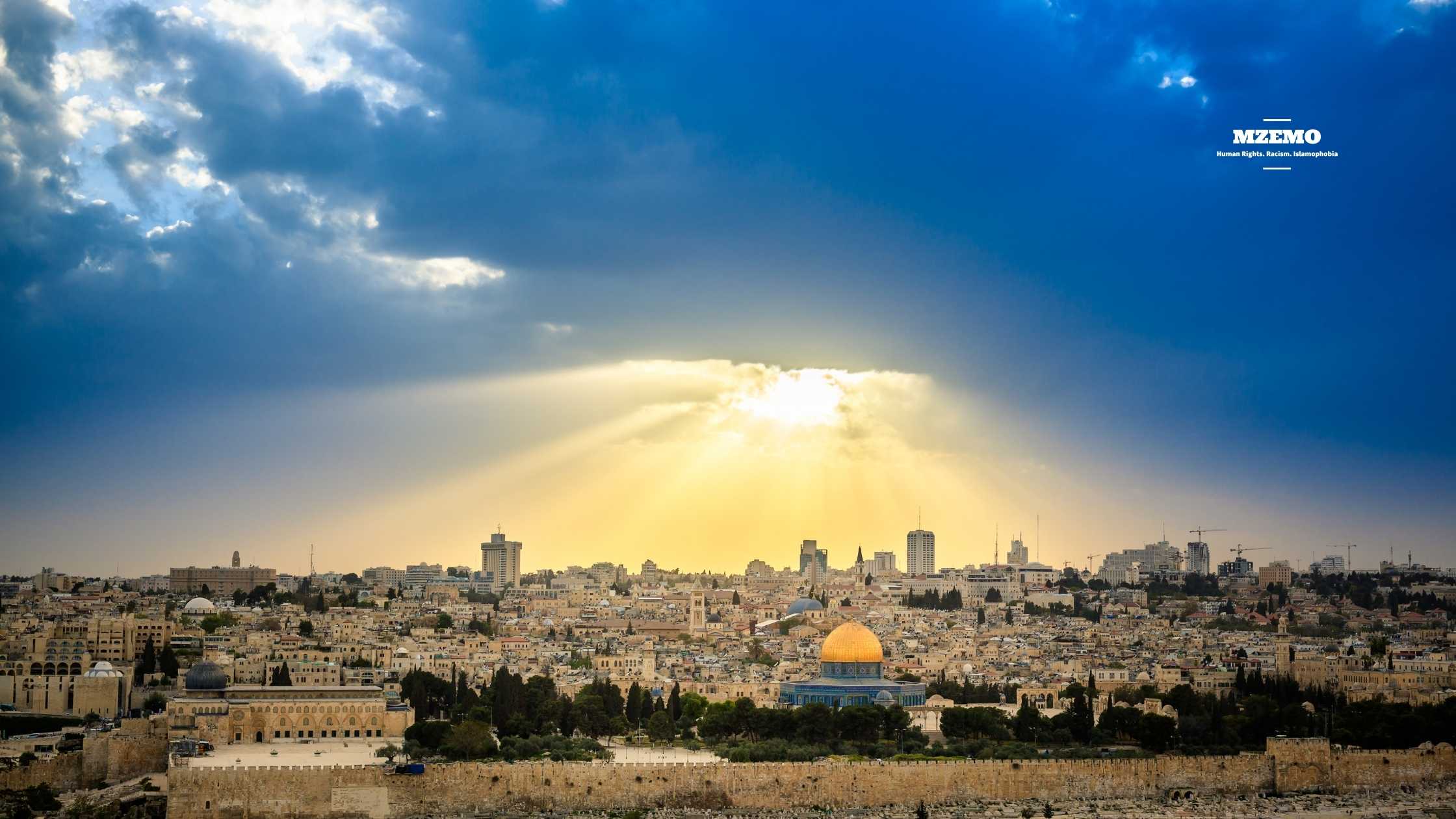
Jerusalem is not only a religious symbol, but also a political battlefield where Israel tests how far it can go. Access to Al-Aqsa Mosque, restrictions on worshippers, and incursions by settlers or extremist ministers all shape the future of illegally occupied East Jerusalem.

The Arab and Islamic states condemned Israeli restrictions on Muslim and Christian worship in occupied Jerusalem, including restrictions affecting Al-Aqsa Mosque and the Church of the Holy Sepulchre. They also stressed that Israel, as the occupying power, has no sovereignty over occupied Jerusalem.

Rather than being a small diplomatic line, it directly rejects Israel’s attempt to normalize control over the city’s sacred and political life. In this context, the UN archive published the recent joint statement on illegal Jerusalem restrictions.

If Jerusalem’s holy-site status can be repeatedly challenged without consequence, every other Palestinian red line becomes easier for Israel to test and even cross.

Gaza Shows the Real Face of Israel

The ceasefire was supposed to open the way for reconstruction, Israeli withdrawal, a new Palestinian administration and an International Stabilization Force. Even one year later, the force had not materialized, and major parts of the agreement remained stalled.

Until now, Israel’s genocidal campaign had brutally killed more than 74,000 Palestinians, while more than 1,400 Palestinians had been killed since the ceasefire took effect.

This is why the word “ceasefire” sounds completely hollow in Gaza. A ceasefire that leaves people in tents, neighborhoods in rubble, and Israeli strikes continuing does not feel like peace. Even today, fresh Israeli strikes are killing innocent Palestinians in Gaza, even as the ceasefire framework remains officially in place.

For Palestinians, the issue is not only whether aid enters. It is actually whether Gaza is allowed to live again. In the current scenario, reconstruction and peace that depend apparently on Israeli permission keep survival under the control of the same power that destroyed homes, roads, and hospitals.

The West Bank is Being Reshaped Quietly

While Gaza carries the loudest voice of genocide, the West Bank is being altered through a slower method. Settlements, outposts, checkpoints, and military restrictions not only inconvenience Palestinians, but also change the map itself.

On 2 Oct 2026, OCHA reported that West Bank humanitarian needs continue to be driven by settler violence, demolitions, and Israel’s movement restrictions. It recorded more than 70 Palestinian-owned structures demolished or sealed, 93 people displaced, including 55 children, and more than 50 settler attacks causing casualties or damage.

Adding fuel to the fire, the E1 settlement plan makes the danger even clearer. Numerous Arab and Islamic states rejected the plan east of occupied East Jerusalem because it threatens the link between East Jerusalem and the West Bank. The UN Secretary-General also warned that advancing E1 would deal a “deathblow” to the prospect of a contiguous and viable Palestinian state, while stressing that Gaza and the West Bank, including East Jerusalem, must remain politically, economically, and territorially integrated.

The Mecca Pact Raises a Sharper Question

The Mecca Joint Defence Agreement has changed the regional as well as global conversation. Saudi Arabia, Türkiye and Pakistan signed the pact in August 2026, and an armed attack on one member is regarded as an attack on all. Additionally, in October, the three countries agreed at an emergency meeting to rapidly deploy military forces and capabilities in Saudi Arabia under that framework.

The pact ultimately proves that Muslim states can coordinate quickly when security is treated as urgent.

Palestine needs that seriousness in non-military form too. It needs legal pressure, settlement trade restrictions, sanctions on violent settler networks, defense of custodianship in Jerusalem, and reconstruction funds that support Palestinian-led recovery rather than Israeli-controlled access.

Final thoughts

In conclusion, the Muslim world has already drawn its red lines on Gaza, Jerusalem and the West Bank. Israel has crossed many of them through genocide, settlement expansion, holy-site pressure and forced displacement.

What Palestine needs now is not another statement that disappears after the headlines. It needs a strategy that makes occupation costly, protects Jerusalem’s sanctity, and keeps Gaza, the West Bank, and East Jerusalem together as one Palestinian future.

Continue Reading
Advertisement

Trending