Connect with us

Featured

Space Tourism: A long-awaited scientific milestone or an overpriced joyride for a billionaire?

Published

on

What could have been a better way of celebrating the 52nd year of the first man on the moon than a series of private companies heralding the new era in Spaciology with embarking on the start of space tourism?

Raising the question, is human’s venture to space started with the eagerness to conquer before anyone else has become an overpriced joyride for the billionaire? How will this affect the economy and investments in space venture-providing companies? And what about the risk of space junk?

Economic Effects

The embarking journey of private companies offering space tourism opportunities for a quarter-million will, without a shadow of a doubt, boost the space industry’s economy. But this more viable space economy that the government once controlled, will be in the hands of private players. But as these establishments are gearing up multiple launches, the problem that persists to date is that even the most high-tech rockets are incapable of lifting weight more than 4% of their launch weight. This staggering ratio is constant in space flight’s last 60 years history.

Furthermore, one space ride of a few minutes in Richard Branson’s Virgin Galactic costs every customer at least $250,000. The quarter-million price tag already has got roughly 600 passengers to book their extravagant jaunt to space. The two space flights by Branson and Bezos marked important moments for their space tourism businesses, but the space industry is still far from becoming accessible to the rest of the public. Several obstacles must be overcome to bring the price low, where people can buy tickets to space like expensive flight tickets.

Space Junk

As the private companies rate to space is heating up, the unforeseeable danger is lurking over our head, the space junk. To date, the earth’s inner orbit has approximately 6000 satellites revolving every day, half of which are dead. With the 3000 that are working, about half are owned by private companies.

Anything revolving in the earth’s inner orbit is in a continuous free-fall, where the earth’s gravity and the satellites’ velocity balance out to keep the object in the perpetual state of free-fall. This means, once an object went up in orbit, it stays there for a long run, which after some time becomes space junk.

In 2009, two communication satellites collided with each other at 11,700km/h, shattering into thousands of debris. With space tourism, more and more space shuttle and satellites will be launched and established in the earth’s orbit, increasing the traffic and increasing the risk of more such collisions.

Though the probability of such a collision is minimal, the chance will eventually rise in the crowded space. To prevent such cases, SpaceX launches all of its satellites into a single orbit, called Starlink, thus minimizing the possibility of such disastrous encounters. But trusting private companies to take incremental steps in public welfare is a shot in the dark. The international organizations will need to create collision avoidance maneuvers.

Unavoidable Health Risks in Space Tourism

Flying into space can be very risky, even for the most well-trained astronauts. In the wake of the life-threatening risks, the Commerical Space Launch Amendments Act, 2004 requires a prior ‘Informed Consent‘ for getting aboard on any space vehicle before selling the tickets.

The other challenging standing amidst the way is medical emergencies. The medical emergency kit of the International Space Station consists of basics elements like a simple first-aid kit, some medical supplies, a portable ultrasound, and a defibrillator, which might not be of much use in case of medical emergencies. The trained astronauts are thoroughly checked, and the crew always have telehealth advising. But despite that, in the case of a medical emergency, nothing much can be done until they reach the planetside doctors.

Given that the future space tour would not last for more than a few minutes, it is highly unlikely for private companies to have doctors on every trip. Some unfortunate turn of events could risk the life of the passengers. Therefore, private companies still have a lot of roads ahead to make the journey safer.

Future of the Space Tourism

The competition for conquering space has just begun. However, many huge companies are still angering to step into the space tourism industry. At this stage, it would be too soon to say which one will make space tourism viable to the public, but in this phase and for a few foreseeable years, it will be controlled by billionaire cash.

Many pressing issues on this planet, such as human poverty, might make cynics despair of this waste of money. Nevertheless, space travel has the power to capture imaginations and serve as a symbol of human progress. With continued refinement and cost reduction, space flight might indeed become accessible to all, changing how we see our precious planet and enabling new scientific advancements that benefit all of humanity. It is hard not to wonder.

Continue Reading
Click to comment

Leave a Reply

Your email address will not be published. Required fields are marked *

Deportation

Deportation as a Weapon: New Frontline of Palestinian Rights in the US

Published

on

Deportation-as-a-Weapon

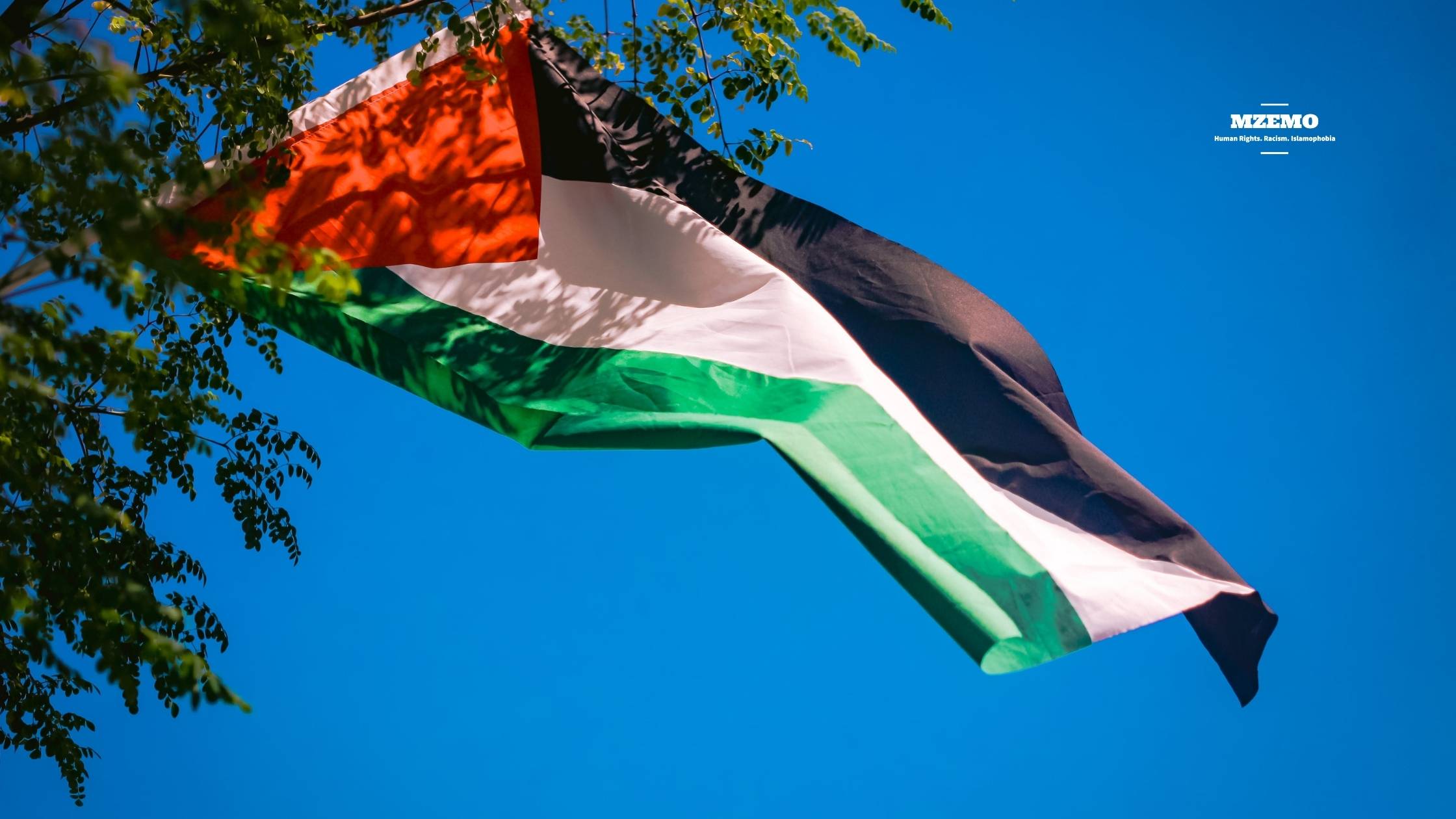
The first time Mahmoud Khalil’s name began circulating beyond activist circles, it was not because of a speech or a protest, but due to a legal notice – a deportation order.

In the 21st century, it is appalling to see people’s right to life and other basic human rights being ridiculed. In the larger picture, the deportation drive is a hidden assault on whoever talks about the rights of the Palestinians in the United States.

A Case That Refused to Stay Quiet

Mahmoud Khalil is a Palestinian activist based in the United States. His work has focused on raising awareness about Gaza and advocating for Palestinian rights through public events and campus-linked activism.

Since Israel is being largely supported in the West, anyone who talks about the fundamental rights of the people of Gaza is dealt with extreme brutality. In this context, the Federal agencies of the United States moved forward with his deportation proceedings even though he is a permanent American citizen and married to a US citizen too.

It is not about Mahmoud Khalil or any individual but about a greater cause that is to allow the freedom of speech, expression, and association.

Palestinian Rights and the Mayor of New York

Zohran Mamdani, a prominent elected official, publicly defended Khalil, arguing that deportation should not be used as a tool against political expression. In doing so, Mamdani shifted the conversation from immigration procedure to constitutional principle.

His message remains clear: “advocacy for Palestinian rights is not a crime, and deportation should not become a backdoor method of punishing dissent.”

The response was swift, and the supporters praised the stance as a rare act of political courage. Critics accused Mamdani of shielding extremism. Media coverage intensified, and Khalil’s case became symbolic.

People are dying in Gaza due to bombings, famine, poor health, and absolutely no sense of security. In this environment, instead of allowing the people of Gaza to breathe, it is inhumane that their voices are being silenced.

Deportation and the Chilling Effect

Immigration law experts note that deportation proceedings are uniquely powerful. Unlike criminal trials, they operate in a separate legal universe—one with fewer protections, lower evidentiary thresholds, and limited public scrutiny.

For activists who are students, workers, or asylum-seekers, this vulnerability is well understood.

Civil rights groups have documented a growing sense of fear among foreign-born activists involved in Palestine-related advocacy. Some report withdrawing from public organizing, while others avoid protests altogether, worried that visibility could trigger legal consequences unrelated to their conduct.

Since the escalation of the Gaza war, US campuses have seen a surge in pro-Palestinian demonstrations. These demonstrations came alongside suspensions, surveillance concerns, and disciplinary actions. Khalil’s case sits squarely within this context.

A Broader Pattern Takes Shape

Across the US, Palestinian and pro-Palestinian activists, especially those without citizenship, describe increased scrutiny. Immigration status has become a pressure point, a way to narrow the space for political engagement without directly confronting free speech protections.

Moreover, some legal scholars point out that while citizens may face arrest or prosecution for protest-related activity, non-citizens face an additional, existential risk: expulsion.

This asymmetry reshapes activism. Ultimately, it creates two classes of dissent—those who can speak and those who must calculate the cost of every word.

Where the World is Heading

The world conscience would definitely be questioned in the annals of history when the chapter of Palestine comes. The world is getting divided among the nations that support the Palestinian right to existence and the other ones that do not support this very basic human right.

In his book, “On Palestine”, Ilan Pappe and Noam Chomsky clearly described the atrocities by Israel and the ground-breaking support it gets from the West. Peppe even claimed that there is ethnic cleansing being done in Palestine by Israel.

In fact, the current deportation trends are about the advocacy tied to Palestine. The question is how a responsible democracy responds when uncomfortable voices refuse to appear.

As one civil liberties advocate put it: “You don’t have to win every case to change the climate. You just have to make people afraid.”

Ultimately, this is about changing the political climate and making people afraid of speaking against Israel or in favor of Palestine. The outcome of Khalil’s case remains uncertain. However, the signals it sends to activists, institutions, and the state are already unmistakable.

In today’s world, speaking about Gaza can follow you far beyond the protest!

Continue Reading

Featured

Life Inside Gaza’s Tents: Cold Nights, Illness, and Endless Waiting

Published

on

Life-Inside-Gazas-Tents

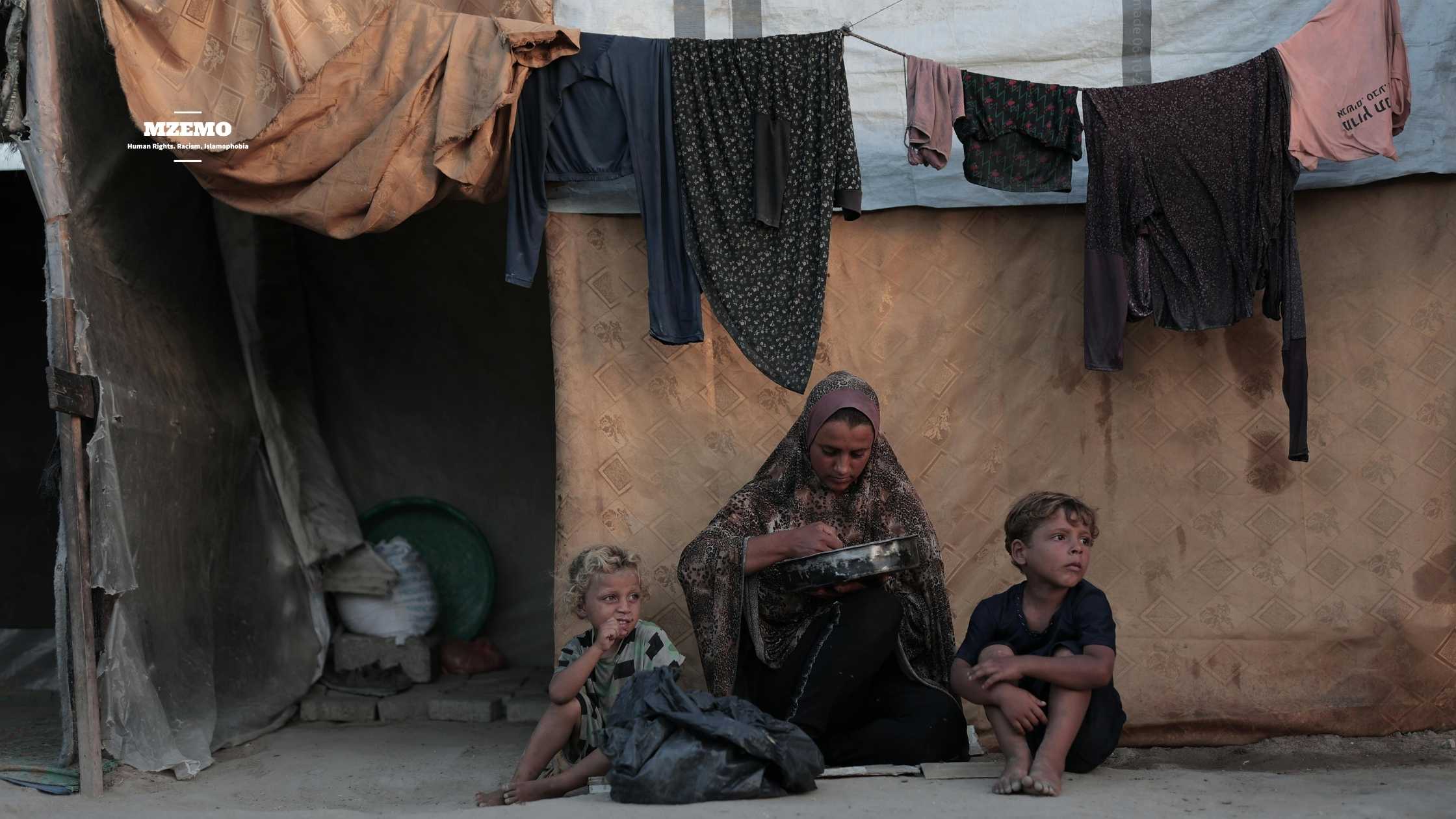
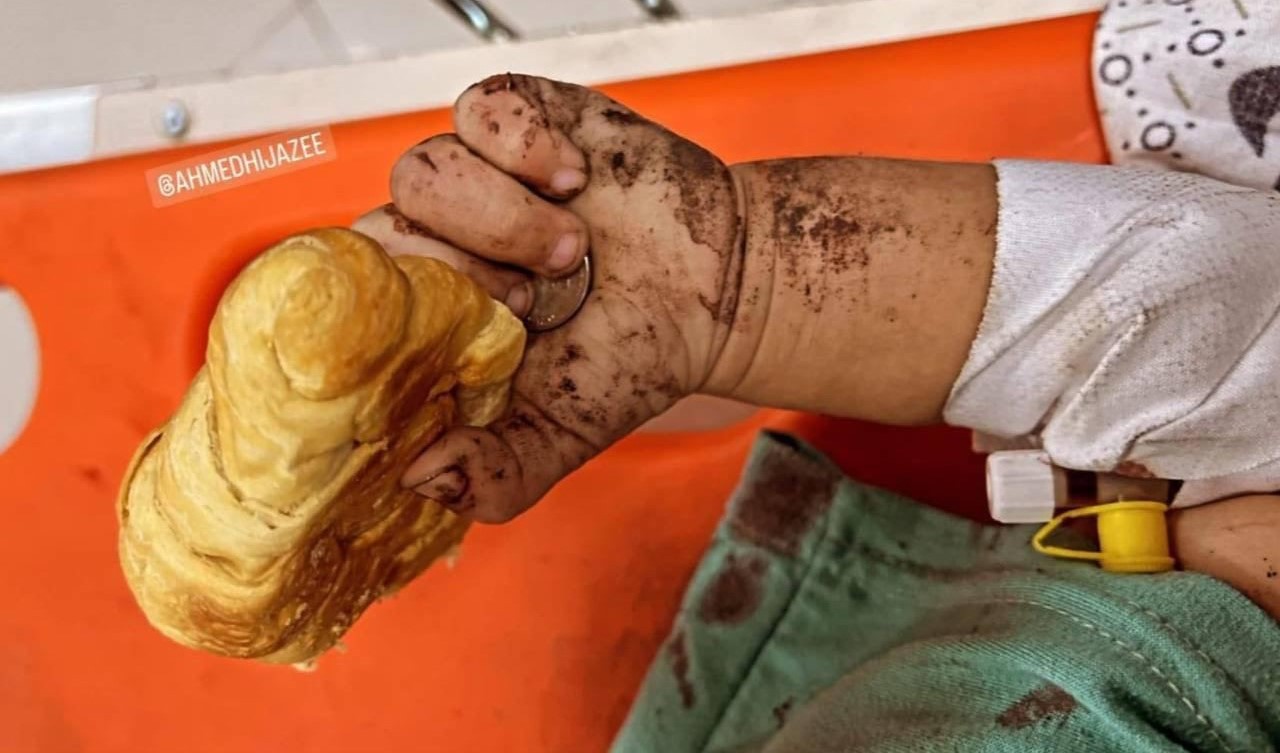
Before sunrise, the camp is already awake. A woman steps carefully between puddles that did not exist the night before. To add more to the inhumane conditions, rainwater has mixed with waste and ash, turning the ground into a thin, foul-smelling slurry. She is carrying two empty containers, hoping the water point has not run dry again today.

Nearby, a child coughs, a persistent dry cough that has become common in the tents since winter set in. This is just a glimpse of life now for hundreds of Palestinians in Gaza. This is not a story of a temporary stop, nor of an emergency night or two, but of a prolonged existence inside fabric shelters that were never meant to last months.

According to the United Nations, around 1.7 million people remain displaced across Gaza. Not only that, a large share of them is living in tents, plastic shelters, or overcrowded informal sites. These sites are often pitched on rubble, farmland, or roadsides. The ceasefire might have changed the tempo of the war but for those in the camps, it did not restore normal life at all.

From Homes to Tents

Entire neighborhoods across Gaza have been flattened or rendered uninhabitable. As per the UN satellite assessments, well over half of Gaza’s housing stock has been damaged or completely destroyed, leaving families with no realistic option to return.

Tents were supposed to be temporary, but as the atrocities continue to inflict the people of Gaza, now these are standing for months.

Moreover, most of those tents offer no insulation. At night, cold air moves freely through torn seams. During rain, water pools inside, soaking thin mattresses and blankets. When storms hit, some tents collapse entirely, forcing families to crowd into neighboring shelters or even sleep outdoors until replacements arrive — if they arrive at all.

These are not the conditions for life to even exist. Aid agencies describe these sites less as camps and more as open-air holding zones, where survival depends on irregular deliveries of water, food, and fuel.

Smoke, Plastic, and the Air People Breathe

With fuel scarce and electricity almost nonexistent, many families burn whatever they can find to keep warm or cook food. Plastic packaging, scraps of rubber, and mixed waste are common substitutes.

The smoke hangs low in the evenings. Burning plastic releases toxic fumes that aggravate respiratory problems, especially among children and older people. A few clinics, which are fortunately left, operating inside or near displacement sites report rising cases of persistent coughs, chest infections, and eye irritation, conditions that are difficult to treat in overcrowded settings with limited medicine.

For many families, the choice is brutal. Either to breathe toxic smoke or to endure freezing nights. This is like a Hobson’s choice for them to live in these conditions.

Childhood on Hold

Children make up nearly half of Gaza’s population, and many are growing up almost entirely inside tents.

There is no school routine, no playground, and no sense of safety after dark. Parents describe children waking at night from cold, fear, or hunger. It is not surprising that the aid workers are noting signs of trauma, including withdrawal, bed-wetting, sudden aggression, and silence.

Mental health professionals working with humanitarian teams have warned that prolonged displacement, especially under such harsh conditions, can leave long-term psychological scars. On the other hand, counselling services are scarce, and survival needs usually come first.

For many children, days pass without structure. Time is measured not by lessons or play, but by queues for water, food distributions, and the arrival, or absence, of aid trucks.

Rain, Sewage, and the Winter Toll

The appalling living conditions were already very severe, but in the winter, it makes them tenfold, turning shelters into hazards.

Heavy rainfall has flooded multiple displacement sites, washing sewage into living areas and soaking tents beyond repair. In some camps, families have raised bedding on bricks or broken furniture in an attempt to stay dry.

Humanitarian reports, including those from Transparency International, document tents collapsing under wind and rain, forcing repeated displacement even within camps. Each move strips families of what little stability they have managed to create.

Cold weather has compounded illness. Without proper clothing, heating, or medical care, respiratory infections have become harder to manage. Clinics, already overstretched, struggle to cope with demand.

A Ceasefire Without a Way Home

For people living in tents, the ceasefire did not bring clarity. Some families hoped it would mean a return home. Instead, many areas remain inaccessible, unsafe, or destroyed. In some cases, new evacuation orders have continued, forcing further movement even after the fighting slowed.

Aid workers say uncertainty is one of the heaviest burdens. Families do not know whether to rebuild makeshift shelters, prepare to move again, or wait for instructions that may never come.

“We Are Still Here”

In the camps, people talk less about politics and more about endurance and survival.

They talk about missing ordinary things, like doors that lock, floors that are dry, and nights without smoke. They talk about children growing up too fast, about illness that lingers, about days that blend into each other.

One displaced man summed it up simply: “We are alive, but this is not living.”

In a nutshell, survival continues, measured in blankets, liters of water, and the hope that tomorrow will bring something other than uncertainty to breathe.

Continue Reading

Featured

Board of Peace Explained: New Global Peace Architecture or Another Power Play?

Published

on

Board-of-Peace-Explained-New-Global-Peace-Architecture-or-Another-Power-Play

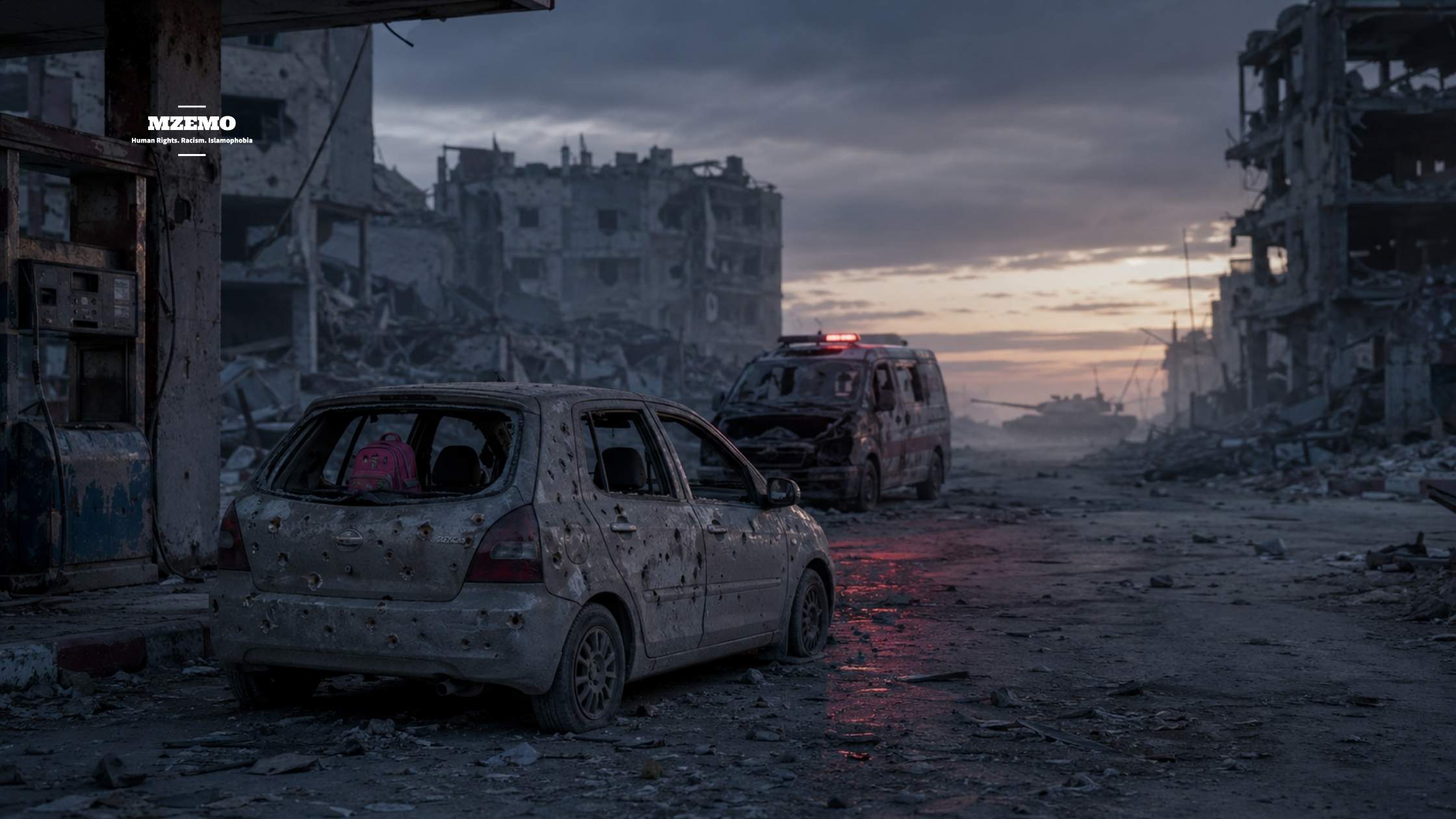
This is not just about a region in this world where human rights are not given, and people are being killed. It is about humanity, life, and the very foundations of values that humans are living with. When Gaza is discussed today, it is rarely in the language of rights. It is discussed as a problem to be solved, a territory to be stabilized, and a population to be administered.

The announcement of a new international “Board of Peace” fits neatly into this pattern. Presented as a bold initiative to guide Gaza out of conflict and into reconstruction, the Board of Peace has been framed by its sponsors as innovative, inclusive, and forward-looking. Yet for Palestinians, the announcement raises an older, still unresolved question: Who decides Gaza’s future, and on what authority?

What Is the Board of Peace?

The Board of Peace was announced by US President Donald Trump as part of a broader Phase Two Gaza plan, marking a shift from ceasefire management to post-genocide governance and reconstruction.

According to official descriptions, the board is meant to:

  • Oversee Gaza’s political transition
  • Coordinate reconstruction funding and investment
  • Provide international supervision during a “transitional” period

Trump declared himself chair of the board and described it as a high-level body composed of political leaders, financial figures, and diplomatic actors. Unlike the United Nations, the board has no clear treaty basis, no General Assembly mandate, and no defined accountability mechanism.

It is powerful not because it is formal, but because it is backed by money, political leverage, and security control.

Who is on the Board?

The individuals named or referenced in connection with the Board of Peace are not neutral facilitators.

The board’s executive circle includes:

  • Marco Rubio, US Senator and the Secretary of State
  • Tony Blair, former UK prime minister
  • Jared Kushner, Trump’s son-in-law and former Middle East envoy
  • Steve Witkoff, US real estate magnate and political donor
  • Ajay Banga, President of the World Bank

These are figures associated with Western political power, financial institutions, and security-centric diplomacy. None are elected Palestinian representatives. None comes from Gaza. The imbalance is structural, not incidental.

Which Countries Were Invited?

One of the board’s defining features is its attempt to project global legitimacy through invited state participation.

According to credible sources, Trump sent invitations to around 60 world leaders. Those explicitly named in reporting include:

  • Turkey (President Recep Tayyip Erdoğan)
  • Egypt (President Abdel Fattah el-Sisi)
  • Canada (Prime Minister Mark Carney)
  • Argentina (President Javier Milei)

Moreover, some diplomatic sources also indicate the list includes:

  • Britain
  • Germany
  • Italy
  • Morocco
  • Indonesia
  • Australia

The Palestinian Face of the Plan: Who Is Ali Shaath?

To provide the plan with Palestinian leadership, the US has backed Ali Shaath as head of the transitional Palestinian committee that will administer Gaza’s civil affairs under the Board of Peace.

Shaath’s profile is central to understanding how this governance model is being sold.

Here is a quick overview of Ali Shaath:

  • He was born in 1958 in Khan Younis
  • He is a civil engineer with a PhD from Queen’s University Belfast
  • He previously served as deputy minister of planning in the Palestinian Authority
  • He has worked on industrial zone projects in both Gaza and the West Bank

Shaath has spoken publicly about the scale of Gaza’s destruction, estimating around 68 million tons of rubble, much of it contaminated with unexploded ordnance. He has suggested that clearing debris could take three years, with full recovery achievable in seven years. It seems to be a far more optimistic timeline than UN estimates, which warn that rebuilding could extend beyond 2040.

Politically, Shaath has been described as acceptable to both Hamas and Palestinian Authority President Mahmoud Abbas, precisely because he is positioned as a technocrat rather than a political leader. However, it is yet to be observed how he would work with the other members.

Governance Without Sovereignty

The Palestinian committee, chaired by Shaath, has issued a mission statement pledging to restore services, rebuild infrastructure, and stabilize daily life in Gaza.

The committee describes its work as “rooted in peace” and focused on technocratic administration rather than politics.

Yet the committee:

  • Controls no borders
  • Commands no security forces
  • Regulates no airspace or coastline
  • Has no electoral mandate

It governs without power, while power remains in external hands.

When it comes to the reaction of the people of Gaza, they showed mixed feelings of skepticism over hope. Some Palestinians express cautious hope that any plan might bring electricity, water, and an end to constant displacement. Others see the Board of Peace as another externally designed structure that manages Gaza without addressing the occupation.

Peace Architecture or Power Management?

The Board of Peace is being presented as an innovation. However, history offers a cautionary lens.

Temporary governance structures in occupied or post-conflict territories have a habit of becoming permanent. Reconstruction becomes conditional. Aid becomes leverage. Administration replaces self-determination.

In a nutshell, the Board of Peace asks the world to believe that stability can precede justice, and that governance can substitute for freedom.

For Palestinians, the unanswered question is simpler and older:

If Gaza’s future is designed in Washington, financed in global capitals, and overseen by external boards—where does Palestinian self-determination actually begin?

Until that question is addressed, the Board of Peace risks becoming not a new architecture for peace, but another structure built on the same imbalance that has kept Gaza unfree for decades.

Peace cannot be outsourced, and a people cannot be rebuilt while being brutally ruled.

Continue Reading
Advertisement

Trending