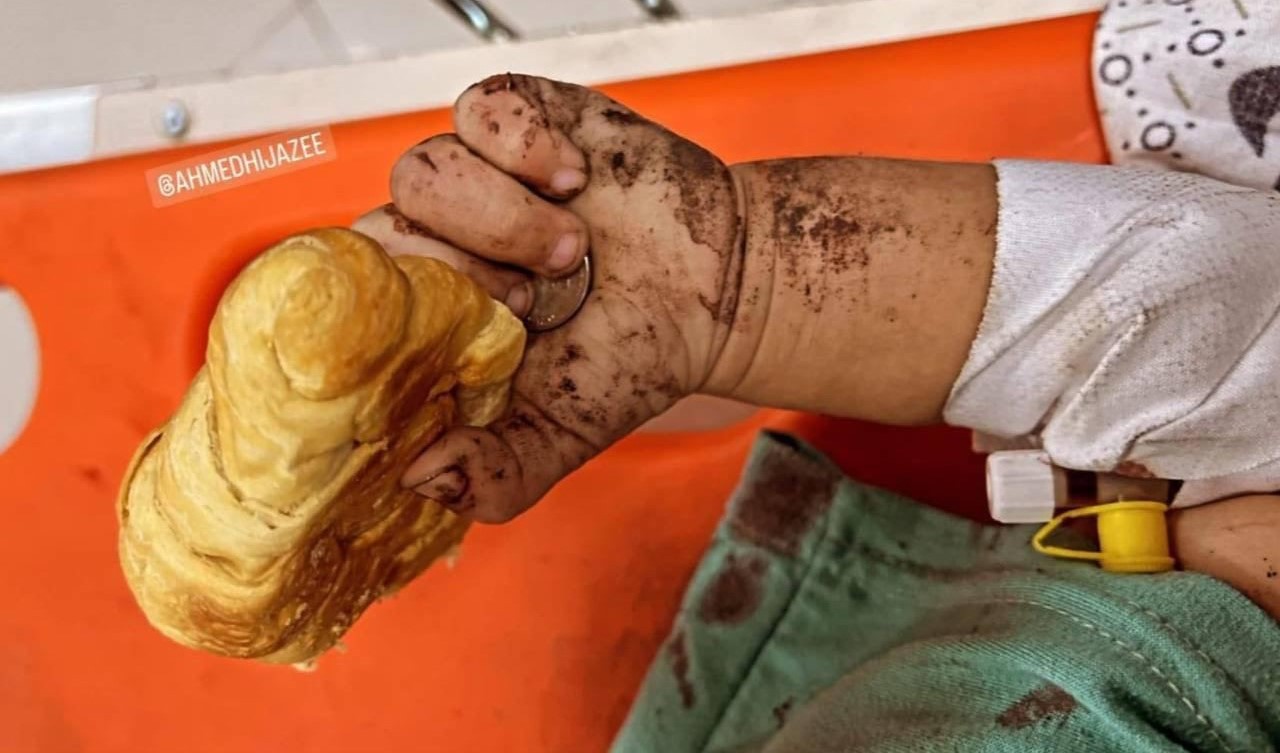
In the occupied West Bank, hunger often begins before a family even reaches the kitchen. A worker is turned back at a genocidal checkpoint. An olive farmer is blocked from his grove, and an employee receives only part of a salary. In this scenario, food may remain visible in shops, but the money needed to buy it has disappeared.
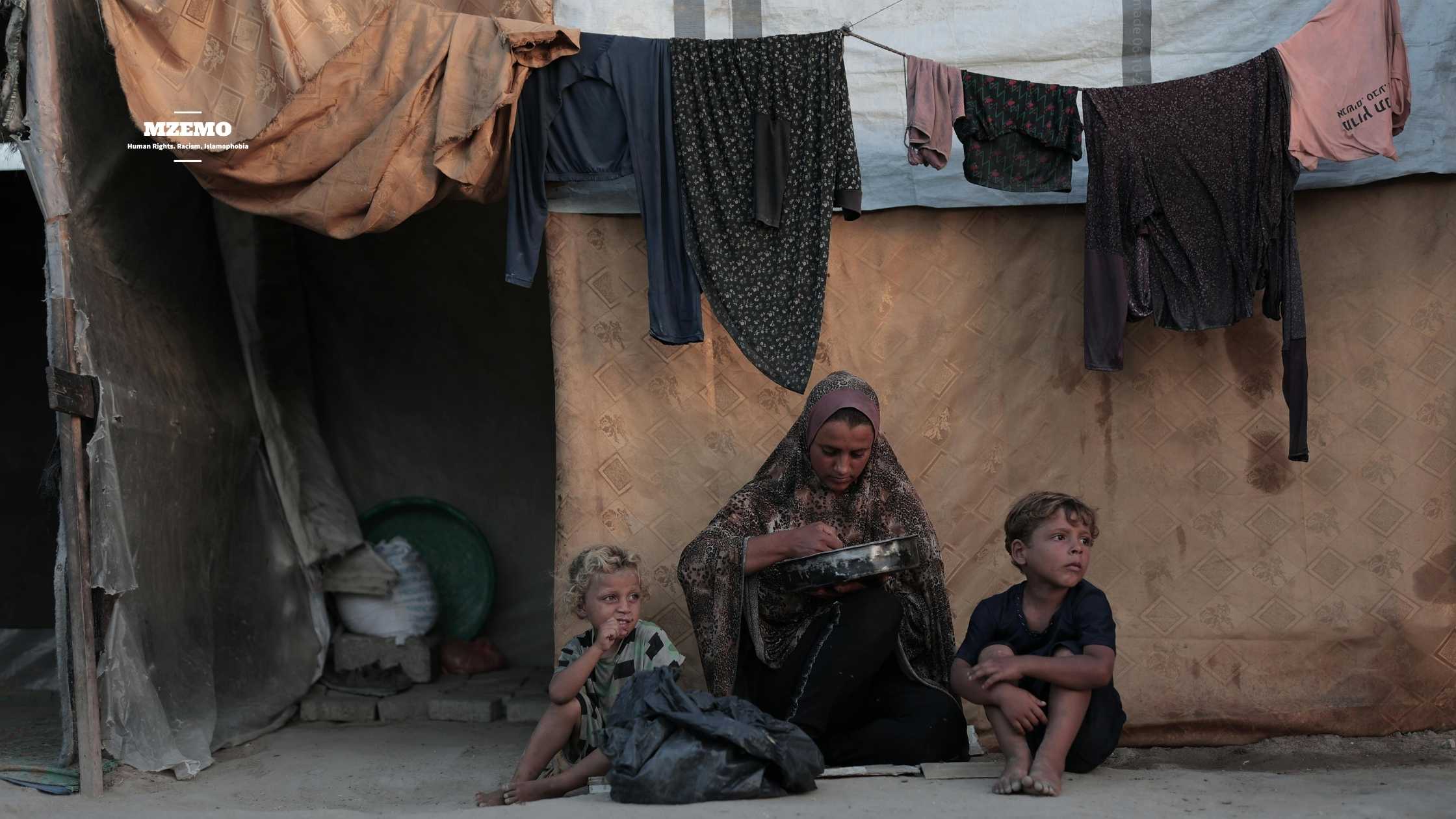
Specifically, the World Food Programme estimates that 900,000 Palestinians in the West Bank are food insecure—more than one-quarter of the population. Food needs have more than doubled since 2023. In fact, Israeli restrictions, land seizures, and settler violence are destroying livelihoods, while funding cuts are removing vital assistance.
Food Exists, but Families Cannot Afford It
Food insecurity means people cannot reliably obtain enough safe and nutritious food. It does not mean that the West Bank is in famine or every market is empty. Here, hunger is driven largely by lost income and restricted access.
WFP found that 76 percent of households had suffered a significant fall in income. Twelve percent had poor food consumption, while one-third of families could not afford a nutritious diet.
Many now choose cheaper food, reduce portions, and skip meals. Others borrow money, delay bills or sell useful possessions. Ultimately, full shelves mean little when customers have lost their work and savings.
A Heinous Checkpoint Can Empty a Kitchen
Israel’s illegal movement system divides the West Bank into disconnected areas. By the end of 2025, OCHA had documented 925 checkpoints, road gates, earth mounds and other obstacles restricting 3.4 million Palestinians—the highest recorded level in two decades.
These barriers stop workers from reaching jobs and delay traders carrying food. Longer routes raise transport costs, while sudden closures can leave fresh produce spoiling.
At least one-fifth of the obstacles restrict access to agricultural land. Ninety-eight Palestinian communities need Israeli military coordination to enter farmland near settlements. Access may be granted only briefly, even when crops and animals require daily care.
Settler Violence Is Taking Away the Harvest
Palestinian farmers face more than gates and permits. Settler attacks increasingly target olive trees, livestock, irrigation systems, water tanks, fodder and agricultural equipment.
By early July, OCHA had recorded more than 1,200 settler attacks during 2026 that caused casualties or property damage—about six attacks each day. Israeli forces are destroying life in the West Bank too.
In August, farmers in Halhul said settlement outposts and Israeli restrictions had limited access to about 14,000 of the 37,000 dunams they own. Much of it is productive farmland. In Deir Sharaf, more than 200 olive trees were found vandalised after Israeli settlers threatened their owners.
Israel Controls Palestinian Incomes Too
Unemployment in the West Bank reached about 30 percent in early 2026, more than twice the pre-crisis level. Poverty rose from 12 percent before October 2023 to 28 percent. More than 60 percent of surveyed households could not meet their monthly expenses.
Israel severely restricted Palestinian access to employment after beginning its genocide in Gaza. Before October 2023, more than 177,000 West Bank Palestinians worked in Israel or Israeli settlements. By late 2025, only about 52,000 did.
Israel also collects Palestinian taxes and import duties. These are Palestinian revenues, not Israeli aid. Their transfer has been suspended since May 2025, forcing the Palestinian Authority to pay partial salaries and reduce social support.
The occupation therefore restricts employment, trade, public wages, and farming that could provide alternative income.
Displacement Pushes Families Further Into Hunger
By early July, Israeli settler attacks and demolitions had displaced more than 3,200 Palestinians in the West Bank during 2026—an average of 17 people each day.
A displaced farming family may lose land, livestock, stored food, tools, and access to water. Money once used for meals must cover rent, transport and replacement belongings. Dependence on relatives and humanitarian organizations eventually grows.
Aid Is Shrinking as Hunger Grows
WFP had been assisting 400,000 vulnerable people through food, cash, vouchers and livelihood programmes. Beginning in September, funding shortages are forcing it to reduce that number to only 200,000.
In fact, needs have doubled, yet the response is being halved. WFP requires another $386 million over six months to assist around two million food-insecure Palestinians across Gaza and the West Bank.
The contrast is stark. The United States remains committed to providing Israel with $3.8 billion in annual military assistance. Meanwhile, the agency helping Palestinians eat must decide which struggling families it can no longer support.
This Hunger Is Being Manufactured
Palestinians have not forgotten how to farm or work. They are being separated from their fields, jobs, markets, and public resources. Donor retreat is removing the final protection available to many families.
Moreover, food assistance can keep someone alive for another month. Only ending Israeli illegal occupation, settler violence, and economic strangulation can give Palestinians lasting food security and a sigh of relief.