Connect with us

Featured

Rooting out Racism in Children Books: Six Dr. Seuss books cease publication

Published

on

Photo by Andrea Piacquadio from Pexels

In a world where racism spreads faster than a pandemic, mere words are no longer enough. To eliminate a disease, one must tackle the source while treating the symptoms. Teaching young correct behavior is the duty of any responsible parent or teacher. Furthermore, since children’s books are some of the most ignored sources of racism, eliminating the racist and insensitive portrayals from them is one of the most essential steps in fighting against racism. Therefore, Dr. Seuss Enterprises have announced that they will no longer publish or license six of the author’s books due to racist portrayal of people of color.

Preserving the author’s legacy

While celebrating the 117th anniversary of Theodor Seuss Geisel’s birthday, Dr. Seuss Enterprises announced that they will no longer publish six of the author’s children’s books. The books concerned with the announcement include If I Ran the Zoo, Scrambled Eggs Super, McElligot’s Pool, The Cat’s Quizzer, and On Beyond Zebra!

“These books portray people in ways that are hurtful and wrong,” Dr. Seuss Enterprises elaborated in a statement. “These books portray people in ways that are hurtful and wrong,” the company said in a statement. “Ceasing sales of these books is only part of our commitment and our broader plan to ensure Dr. Seuss Enterprises’ catalog represents and supports all communities and families.”

Insensitive portrayals

Though Dr. Suess is known for revolutionizing the children books industry and creating unforgettable beloved characters, many experts have criticized the portrayals of the non-white characters in his books. The books have not only been translated into numerous languages, as well as in braille, but they are also sold in more than 100 countries. 

However, despite their enormous popularity, experts, parents, and teachers argue about hidden propaganda affecting his young audience. Many of the portrayals are either cartoonishly stereotypical or blatantly racists. For example, in his book “And To Think That I Saw It On Mulberry Street”, there is a Chinese character wearing traditional Japanese-style shoes while carrying around a bowl of rice and some chopsticks. The character also has two lines for the eyes. Another example is found in the book “If I Ran the Zoo”. The book portrays two African men being shirtless, shoeless and wearing grass skirts. 

After a backlash from educators, Dr. Seuss enterprise listened and determined to be on the positive side of change. “Dr. Seuss Enterprises listened and took feedback from our audiences including teachers, academics, and specialists in the field as part of our review process,” the company told the Associated Press. “We then worked with a panel of experts, including educators, to review our catalog of titles.”

The problem of scarcity

While Dr. Suess’s enterprise is taking some of the first steps toward creating a better children’s books industry, the problem is far more rooted.  According to the Cooperative Children’s Book Center (CCBC), the representation of ethnic and people of color in children’s books is very scarce. Even when represented, these characters are often portrayed either stereotypically or wrongly. Even when these characters are represented rightfully, they often only take the part of the minor character. 

Furthermore, according to Varian Johnson, author of The Great Greene Heist, the lack of diversity in children’s books is very damaging. “You walk into a bookstore and it’s a sea of white. It’s tough when you’re not represented out there in the world—it makes you feel very strange about yourself like you don’t matter.”

Moreover, the founding member and VP of development for We Need Diverse Books further elaborated on the issue while talking about her own experience. Growing up with no in-depth characters representing the Asian community only served in making her accept erasure mentality as normal. 

“I turned to books to figure out how to navigate life and relationships,” Gregorio said. “And as a result of reading so many books with white characters, I internalized that role. I became a ‘banana’: yellow on the outside, white on the inside. Self-hating.”

A generational problem

The problem of false and racist portrayals in children’s literature is an old one. However, the public is finally gaining awareness and demanding change. Though some of the criticized Dr. Suess books will cease publication, other children’s books harboring the same issues won’t. However, that doesn’t change the fact that this generational problem is finally receiving solutions. 

References:

a, L. E. A. H. (2015). I never noticed how racist so many children’s books are until I started reading to my kids. Vox. https://www.vox.com/2015/7/10/8901109/childrens-books-racist-sexistBBC News. (2021, March 4). Dr Seuss: Six books withdrawn over “hurtful and wrong” imagery. https://www.bbc.com/news/entertainment-arts-56250658Charles, R. (2021, March 2). The time is right to cancel Dr. Seuss’s racist books. Washington Post. https://www.washingtonpost.com/entertainment/books/dr-seuss-books-canceled-notebook/2021/03/02/b3496b98-7b55-11eb-a976-c028a4215c78_story.htmlHuber, L. P. (2021, January 4). Rooting out racism in children’s books. The Conversation. https://theconversation.com/rooting-out-racism-in-childrens-books-149432

Continue Reading
Click to comment

Leave a Reply

Your email address will not be published. Required fields are marked *

Featured

Where Is Gaza’s International Stabilization Force and What Happened to the Ceasefire

Published

on

Where-Is-Gazas-International-Stabilization-Force-and-What-Happened-to-the-Ceasefire

When Gaza’s ceasefire was announced, it was presented as more than a triumph. As a result, it was supposed to usher in a new phase of peace, prosperity, and stability. However, nothing like that happened. The Board of Peace and the International Stabilization Force remained unmaterialized ideas. Even months later, those promises look thin on the ground.

A Ceasefire That Still Leaves People Dead

What about a ceasefire that remains unable to stop brutality and killings? A ceasefire means safer movement, sufficient aid, and complete elimination of fear. Unfortunately, the people of Gaza haven’t seen that even after the announcement of a so-called “20-point plan” and the “ceasefire”.

Recently, Israeli strikes killed three Palestinians on June 11 while Egypt, Qatar, and Turkey were trying to advance the fragile truce. Days earlier, another Israeli airstrike on a large tent encampment in Gaza City killed at least seven innocent Palestinians, including two women, and injured 15 others, some of them children.

Moreover, more than 950 Palestinians have been killed since the ceasefire began. These numbers show why the word “ceasefire” sounds hollow to many families. A truce that cannot stop repeated deaths is not functioning as protection.

The Force That Has Not Protected Gaza

The International Stabilization Force was supposed to be a central part of Gaza’s next phase. The ceasefire plan, later tied to a UN mandate, imagined an international force that could support security, help stabilize the territory, assist transitional arrangements, and give the ceasefire practical weight.

Unfortunately, the force has not become a meaningful presence yet.

Numerous credible reports state that plans for the Gaza International Stabilization Force were in question because troop pledges had stalled. Countries expected to contribute had not made the commitments needed to turn a political idea into an operational force.

This delay matters a lot as Gaza now needs a mechanism that can protect displacement sites, secure aid routes, support safe movement, and help prevent violations. Without that, the stabilization force becomes another promise Palestinians hear about but do not feel.

Why Governments Are Hesitating

The hesitation is partly political and partly practical. Sending troops into Gaza would mean entering one of the most obliterated and contested places in the world. Foreign soldiers could be caught between Israel, armed factions, displaced civilians, and a population deeply suspicious of outside arrangements.

There are also unresolved questions about the mandate. Would the force protect civilians from all attacks, or mainly focus on disarmament? Would it monitor Israeli actions as well as Palestinian armed groups? Would Palestinians have a real voice in how it operates?

A force without legitimacy could fail quickly. But delay also has a huge cost. While governments hesitate, civilians live without a credible protection system against the genocidal acts of Israel.

Monitoring Without Enforcement

The United States was expected to close its Civil-Military Coordination Centre near Gaza as the broader Gaza plan stalled. The Centre was designed to monitor the ceasefire and help improve aid flows. This is because most people observed that it failed to deliver meaningful results.

That failure exposes the problem with symbolic mechanisms. A coordination Centre can collect information, but it cannot protect civilians unless it has authority, access, and consequences behind it. Monitoring may record violations only, but it cannot stop them adequately.

Aid Crossings Reveal the Truth

Humanitarian access is the clearest test of the ceasefire. If food, medicine, fuel, water, and shelter materials cannot enter Gaza reliably, then the truce is failing at the most basic level.

OCHA reported on June 5 that Israel had kept Zikim Crossing in northern Gaza closed for two weeks. Aid convoys were being rerouted to Kerem Shalom, as the last remaining cargo crossing. That rerouting created congestion and slowed the collection of critical supplies.

In genocide-affected Gaza, a delayed truck can mean empty kitchens, untreated wounds, missing medicine, and another night in unsafe shelter. UN Secretary-General António Guterres also urged Israel to reopen closed crossings so aid could move rapidly, safely and at scale.

How can a ceasefire that leaves aid trapped at crossings restore civilian life?

The Deadlock Behind the Crisis

Talks on Gaza’s next phase remain stuck on the issue of Hamas disarmament and complete Israeli military withdrawal. Palestinian factions had agreed to most points in the peace blueprint, but Israel is reluctant to keep its military in Palestine.

Israel is trying to hide their heinous plan of genocide advancement in the name of Hamas disarmament. While Hamas completely denies the allegations of Israel and links their efforts to a political process toward Palestinian statehood and an end to illegal occupation.

Gaza needs fewer promises and more enforceable guarantees from the international community now. Civilian shelters must be protected, aid crossings must remain open, medical evacuations must move quickly, and ceasefire violations must be reported quickly. Any stabilization force must have a clear civilian-protection mandate. Israeli withdrawal lines must be transparent, and reconstruction must be tied to Palestinian governance.

Above all, there must be consequences when civilians are killed after a ceasefire has supposedly begun.

Final Thought

Gaza’s crisis shows the danger of genocidal diplomacy without delivery. A ceasefire without enforcement is not peace. Monitoring without consequences cannot protect innocent civilians. Aid promises mean little when crossings remain highly restricted.

Palestinians were promised stability and peace. What they received is continued death, delayed protection, and a plan stronger on paper than in Gaza.

Continue Reading

Featured

Gaza’s Cancer Patients Waiting for a Way Out

Published

on

Gazas-Cancer-Patients-Waiting-for-a-Way-Out

Cancer is undoubtedly a race against time. In Gaza, that race is being lost not only inside hospital rooms but at closed crossings and stalled evacuation lists. Innocent patients who need chemotherapy, radiotherapy, surgery, or specialist scans are being left to wait in a genocidal system that no longer has the tools to treat them adequately.

Rather than asking for comfort, they are unfortunately asking for access to treatment that exists elsewhere but remains out of reach. For all of them, survival now depends on something painfully simple: permission to leave the genocidal trap.

More Than 16500 Patients Blocked From Treatment

Gaza’s Health Ministry has revealed that Israel is preventing more than 16,500 Palestinians who need urgent medical treatment abroad from leaving the besieged enclave. These figures include patients with cancer and other serious health conditions that cannot be treated properly inside Gaza.

It is a deliberate health crisis made by Israel that is not limited to a few exceptional cases. Thousands of people have referrals, diagnoses, or urgent needs, yet remain trapped between a collapsed health sector and a completely restricted evacuation process.

For cancer patients, a missed chemotherapy cycle can weaken the chance of recovery. Likewise, a delayed surgery can allow the heinous disease to spread, and a postponed scan can leave doctors unable to know whether treatment is working. In normal circumstances, cancer care depends on timing, but in Gaza, it has become another casualty.

Why Cancer Patients Are Especially Vulnerable

Since cancer treatment is not a single injection or one hospital visit, it is a long process of extensive care. Patients need laboratory tests, biopsies, CT or MRI scans, blood transfusions, pain medicine, infection control, and repeated follow-up.

So, if one part of this chain breaks, the whole treatment plan can fail abruptly. This is why these patients are facing a severe life danger. They are intentionally dragged towards death by Israel’s hostilities.

More specifically, the World Health Organization highlighted that around 18,500 patients still urgently need medical treatment that is not available in Gaza. Unfortunately, most of the hospitals in Gaza are completely obliterated by Israeli airstrikes. The hospitals that are left are overwhelmed by trauma injuries, amputations, burns, infections, childbirth, chronic illness, and emergency surgery.

Gaza Patients Are Becoming Public Appeals

This is the case of human survival, as the crisis is now forcing patients and families to make public appeals. For example, the case of Amal al-Yazji, a school director and novelist in Gaza, who needs urgent life-saving cancer surgery that she cannot access inside the Strip after chemotherapy stopped working.

Her case is a powerful reflection of what many patients are facing. Roads and transportation systems have also collapsed in Gaza. Resultantly, the chances of treatment inside Gaza have reached near zero.

Recently, the United States’ lawmakers also pressed the Trump administration to help facilitate medical evacuations for cancer patients from Gaza. Their June 11 official letter warned of cancer patients being severely trapped without appropriate treatment and urged a medical pathway to at least East Jerusalem or the West Bank.

Waiting Has Become a Life Threat

For many patients, hospitals in Egypt, East Jerusalem, the West Bank, or other countries are not a preference but only a possible route to survival. This is why medical evacuations should not be treated as a favour but a humanitarian necessity.

There are other patients as well in Gaza whose waiting could lead to death. Several patients are suffering from Tuberculosis, heart, and kidney diseases. It can mean a child becoming too weak for treatment, a family watching a loved one decline while knowing care exists somewhere beyond the border.

What Must Change

Gaza’s patients, especially cancer patients, need urgent and predictable medical evacuation routes. Crossings must function for all the people who want to study or treat themselves, not only for political announcements. Referral approvals must move quickly. Eventually, hospitals in other countries must be accessible to those who need specialist care.

Moreover, inside Gaza, cancer services need medicines, diagnostic equipment, fuel, electricity, surgical supplies, and protection for health workers. But all of this comes under the banner of “peace”, which is not permissible by Israel at any cost. Rebuilding specialist care might take time, but these critical cancer patients do not have that anymore.

They are desperately waiting for a way out because they want their life to be protected. In an environment where even aid and water are stopped from entering the Strip, allowing patients to leave the besieged area seems impossible.

However, the international community must stand against this insanity and cruelty. Innocent people are dying every single day while those in power are not even paying any attention to them. In a nutshell, it’s time to stand against one of the greatest genocides of the century.

Continue Reading

Featured

Gaza’s Broken Daily Life: Weddings, Tents and Hospitals Under Fire and Siege

Published

on

Gazas-Broken-Daily-Life-Weddings-Tents-and-Hospitals-Under-Fire-and-Siege

Gaza’s heinous genocide is no longer confined to moments of direct attack. It is now visible in the complete breakdown of daily life itself. Families are still being butchered vehemently in places where they had sought shelter. To worsen these matters, shortages of fuel, engine oil, gas, and spare parts are crippling hospitals, bakeries, rescue vehicles, water systems, and ordinary transport.

A Tent Camp Hit in Gaza City

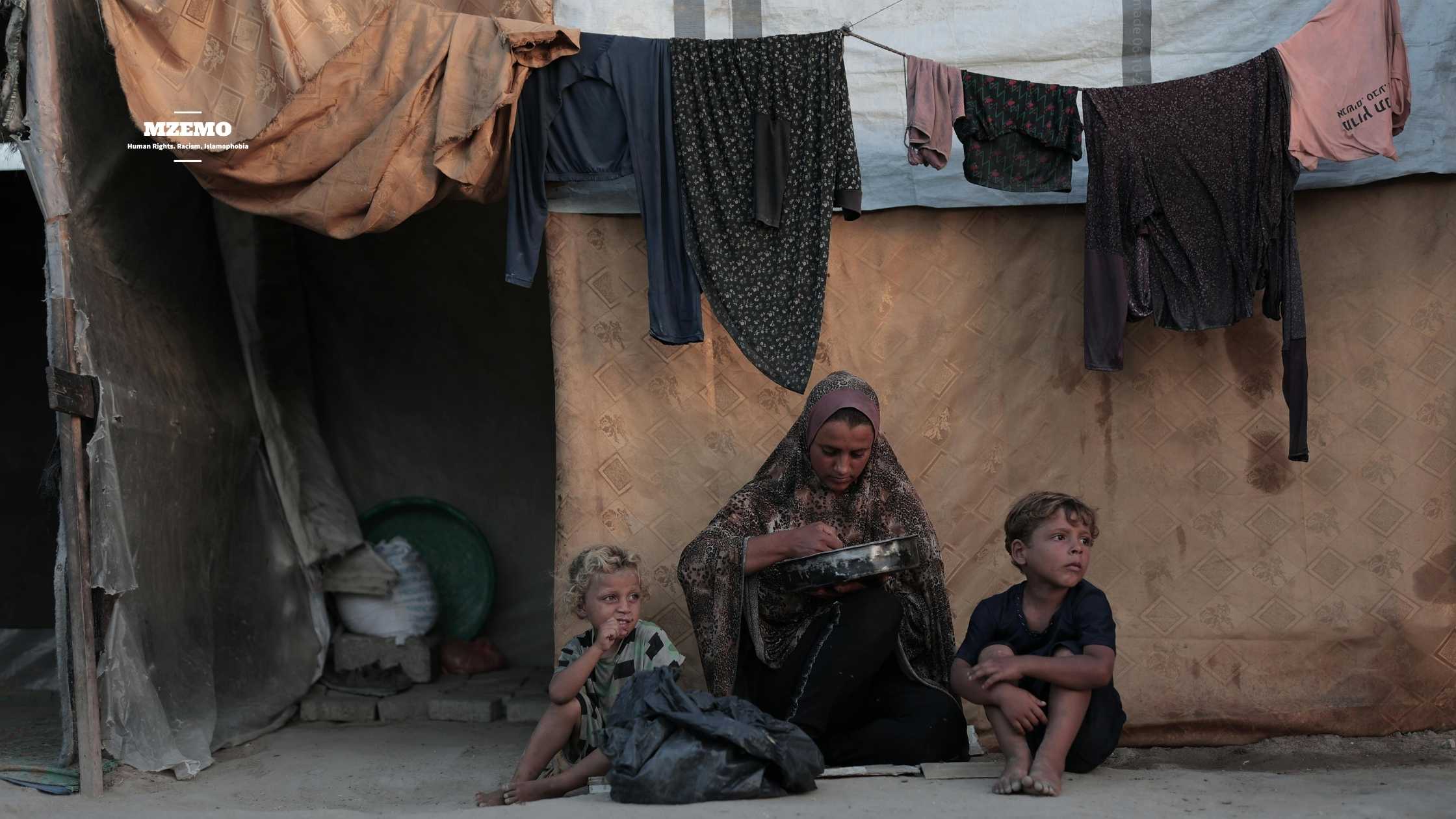
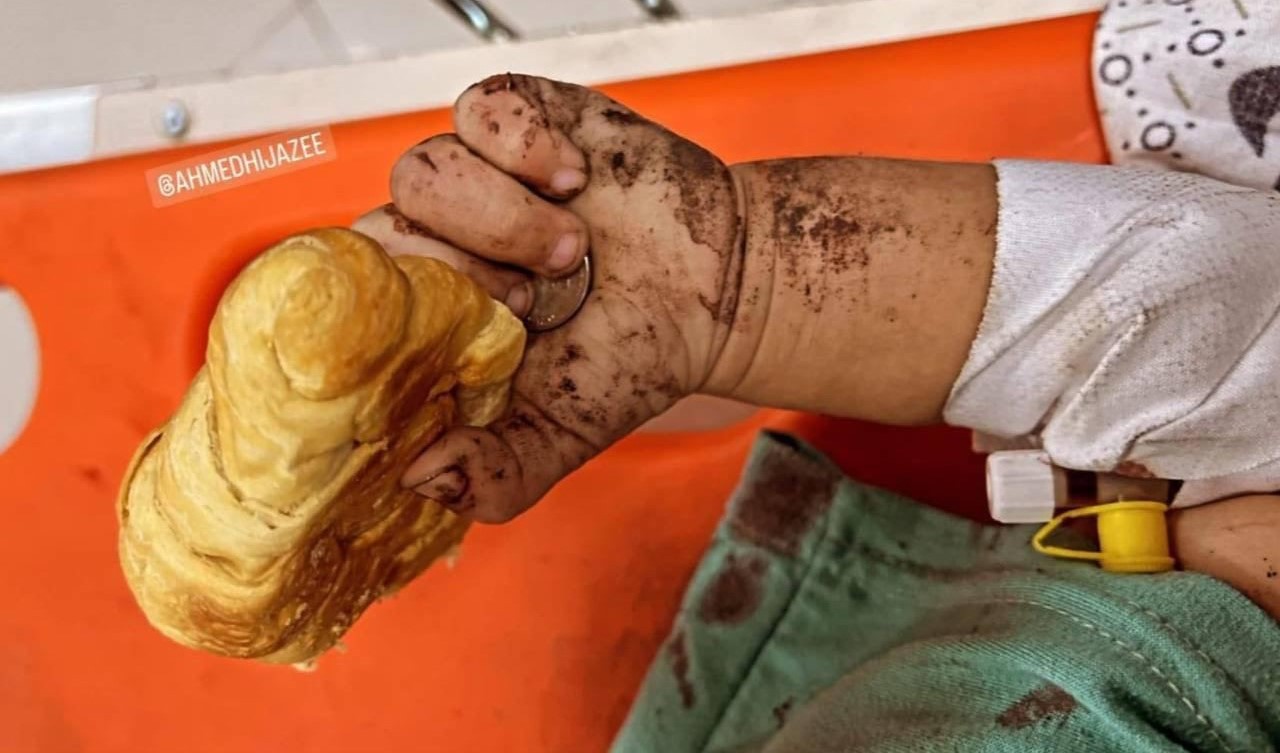
On June 6, despite the so-called “ceasefire,” an Israeli air attack hit a tent camp in Gaza City where displaced Palestinians were sheltering. Resultantly, at least seven people were killed, while at least 15 others were injured, many of them treated in intensive care. Women and children were believed to be among the casualties. The strike hit a United Nations school compound that had become a shelter for displaced families.

These were displaced people already living with the consequences of bombardment, evacuation, and loss. A tent camp is meant to be a temporary refuge for families with nowhere else to go. When such a place is hit, it deepens the fear that no civilian space is beyond danger.

A Wedding Turned Into Mourning

Moreover, the Gaza City strike by Israel targeted a tent next to another tent where a wedding appeared to be taking place. Unfortunately, earlier the same day, a strike in Khan Younis killed a man who was scheduled to be married later that day. His cousin said the family had prepared for the wedding but was instead attending his funeral.

This detail shows how deeply the genocide has entered private life. A wedding in Gaza is not just a celebration but an attempt to preserve social life despite displacement, hunger, and fear. When a groom is killed on the day of his wedding, even brief moments of normality remain exposed to violence.

The Ceasefire Gap

The attacks came amid discussions over the Gaza ceasefire process. Specifically, Hamas was preparing for meetings in Egypt on the implementation of the ceasefire agreement, while several Israeli attacks across Gaza that day killed at least nine people. Gaza remains under Israeli military control, and the second phase of the agreement has been stalled for months.

For people, the real meaning of a ceasefire depends on whether people can sleep safely, gather without fear, reach hospitals, and rebuild some predictable rhythm of life. If strikes continue and basic services keep failing, the gap between imaginative political claims and reality remains painfully wide.

The Shortages Freezing Daily Life

Alongside these unprovoked attacks, Gaza is facing another severe pressure due to a shortage of gas, engine oil, and spare parts. Undoubtedly, these shortages are affecting emergency services, bakeries, water supplies, and hospitals. Items that may sound technical outside Gaza now decide whether a generator runs, a vehicle moves, bread is baked, and whether water can be pumped.

These shortages are damaging daily life in connected ways:

  • Hospitals need generators and spare parts to keep operating rooms functioning
  • Bakeries need power and maintenance materials to continue producing bread
  • Water systems need energy supplies, chemicals and parts to keep desalination and pumping services running.

Hospitals and Rescue Services Under Pressure

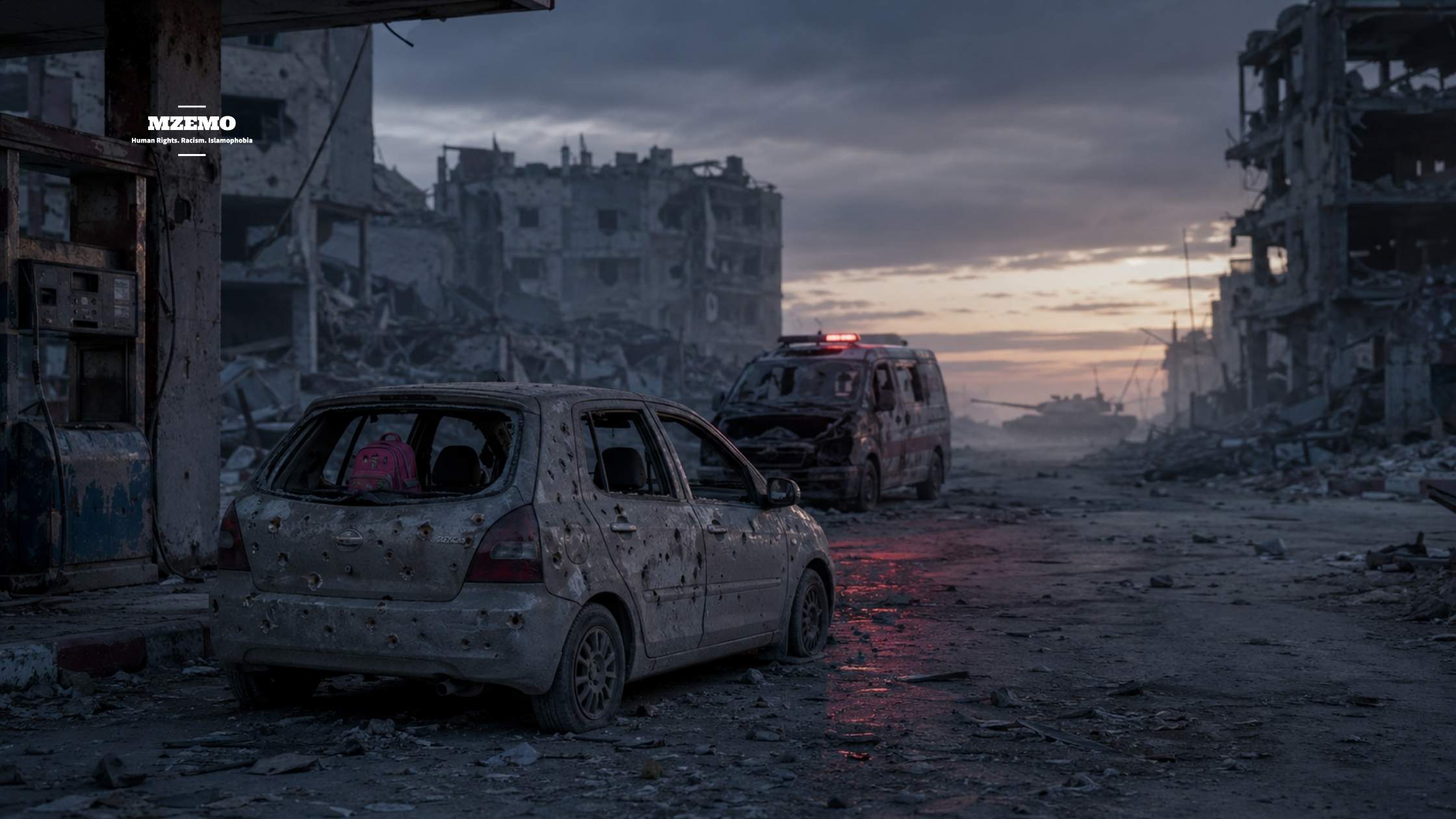
Hospitals have been among the most vulnerable since October 2023. Al-Aqsa Martyrs Hospital in central Gaza warned of an imminent health disaster after extreme power failures affected surgical operating rooms. Moreover, all of its generators have stopped working while summer heat is expected to place more pressure on the remaining equipment.

This is not a minor operational issue as Gaza’s remaining hospitals are already treating genocidal injuries, malnutrition, infections and chronic illness in overcrowded conditions. If generators fail, surgical care, emergency treatment, refrigeration, lighting, and essential equipment are all affected. Gaza’s authorities have also warned that fire and rescue operations risk coming to a halt as vehicles break down due to shortages of spare parts, fuel and engine oil.

Bread, Water and Survival

Food and water systems are also largely affected. Bakeries depend on fuel, generators, and maintenance materials, while water systems need energy supplies, chemicals, and spare parts. UNICEF data showed that seawater desalination output had fallen to about 16,000 cubic metres per day, compared with 20,000 in March, due to the restrictions on essential supplies. In a densely displaced population, any reduction in water production quickly becomes a public health concern.

This is why Gaza’s broken daily life must be understood as a connected genocidal crisis. The strike on a tent camp, the killing of a groom, the failure of hospital generators, the collapse of rescue vehicles and the shortage of water-production supplies are not separate stories. Together, they show how civilian life is being attacked directly and indirectly at the same time.

In a nutshell, until these conditions change, daily life in Gaza will remain trapped between immediate violence and the gradual destruction of everything needed to survive.

Continue Reading
Advertisement

Trending