Connect with us

Featured

Demolition Drives in Kashmir- Is India following the Israeli Model in Kashmir?

Published

on

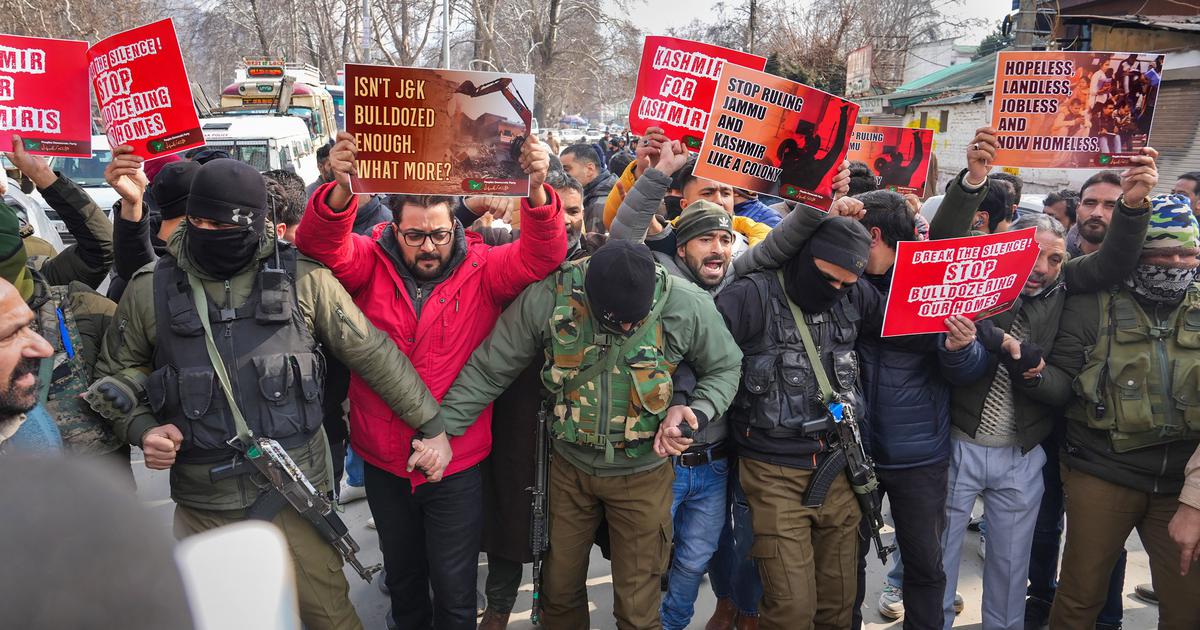
The J&K government has started a massive demolition drive to reportedly remove encroachments on the state land of Jammu and Kashmir. The district administration of Srinagar launched this massive anti-encroachment campaign across the district on Saturday. As a result, 409 Kanal of State land worth more than Rs 240.58 crore were reclaimed from “powerful land grabbers.”. Meanwhile, Kashmiri intellectuals are alarmed regarding the disturbing pattern which depicts India following the Israeli model in Kashmir.

Kashmiris are historically known to unconditionally show solidarity with Palestinians and continue to do so in the face of the illegal occupation by Israel and its bloody legacy of oppression. Terror-stricken Kashmiris now wonder if theirs will be the fate similar to their brethren in Palestine under the illegal Israeli occupation.

Politicians and people of the public claim that the push also affects poor and common people who have relied on modest landholdings for decades to live or survive. They have expressed deep concerns over the encroachment drive. Manoj Sinha, the J&K LG, promised that only “influential people who exploited their approach to usurp state land” would be targeted instead of underprivileged people.

Also read, Sopore Massacre 1993- When 57 Civilians Were Killed in Kashmir

The Claims of the LG Government

The anti-encroachment operation, according to officials, has begun in all seven of the district’s tehsils, including those of Chanapora, Pantha Chowk, Khanyar, Eidgah, and north and south Srinagar. They asserted that the special anti-encroachment teams set up by the Srinagar district administration and commanded by various tehsildars carried out extensive anti-encroachment drives with the assistance of the Police and other pertinent authorities.

The government officials asserted that the continuing anti-encroachment action that was started to regain State property from the intruders had been made plain by the LG government that it would not have an effect on the poor and general public.

The officials claim that the LG government further declared that only people who had occupied State land forcibly exploiting their positions would face serious punishment because the administration cared about defending the interests of the poor.

Read here, How Practical is the Secular Democracy of India? Curbing of Religious Freedom in Kashmir

Opposition Parties Disapproval

The opposition parties in Jammu and Kashmir, including the former CM Mehbooba Mufti’s People’s Democratic Party (PDP), Omar Abdullah’s National Conference, and the party led by the Indian National Congress have been in constant disapproval of the BJP post the removal of Article 370 in the former state of J & K. The Opposition parties have now sought a white paper on the situation amid widespread rumors that land excavators have been dispatched by the administration to all of Kashmir’s districts for the purpose of conducting massive demolition efforts.

Anxieties have only grown since a report detailing the status of land in Kashmir was allegedly removed from the Divisional Commissioner’s (Kashmir) official website. The opposition claims that the administration is arbitrarily targeting people for political purposes in light of the survey’s strange disappearance from the website, which was apparently conducted by J&K’s Revenue Department in 2001 to advance the implementation of the Roshni Act.

According to the Roshni Act, 20.46 lakh kanal of public land was chosen in 2001 for ownership transfer to private parties in exchange for a premium that was projected to bring in Rs 25,000 crore. According to the J&K government, the funds would be used to develop hydropower projects. Despite the fact that there are numerous cases ongoing before the HC challenged the order, the High Court abolished the act in 2018.

Also, read India: School Principal Booked After Students Recite Iqbal’s Poem- What Makes Muhammad Iqbal a Contentious Figure in India?

For the GOI It Will Always Be About The Land

In its monthly newsletter, ‘Speak Up’, released on Sunday, February 5, PDP (People’s Democratic Party) said that in the past three years “the only reforms we have received from the Centre are land laws because for GOI (Government of India) it will always be about the land”. The PDP asserted on Sunday that the present anti-encroachment campaign in Jammu and Kashmir is yet another attempt to “seize our land and cause massive changes to our demography,” and that the Centre has “prioritized” evicting innocent Kashmiris from their homes over tackling unemployment and the safety of Kashmiri Pandits.

The party argued that the Centre’s recent move to arm village defense committees in the Jammu neighborhood of Rajouri testifies to their “myopic vision” of the Kashmir issue, which prevents them from seeing beyond the scope of a gun. “What seems like a simple solution may very well end up creating communal tensions by driving a wedge between the local communities that have been living in harmony up until now,” it said. “Such measures will further add to the apprehensions of the people about the government’s intent to alter our demography by dispossessing the locals and incentivizing outside settlers to take their place. It’s no secret that GOI’s Kashmir policy emulates the Israeli model in Palestine,” the PDP said.

Read here, Israel Has No Right to Exist if Palestine Has No Right to Exist

Bulldozers Being Fanned Out To Terrorize People

A former chief minister of J&K Omar Abdullah, said on Monday, February 7, that several lists of purported encroachments are making the rounds on social media. He said that one such list demonstrates how several well-known buildings, including the National Conference headquarters, Governor’s House, UN office, and his residence on Gupkar Road in Srinagar, have been built on encroached land. “This list has disappeared and another is in public domain now. The situation has left everyone anguished. The administration has told the court that these lists are fake, so we want to know the basis on which the bulldozers are being fanned out across J&K to terrorize people,” Omar said.

Chairman of Peoples Conference, Sajad Lone, said that the administration was carrying out the eviction drive arbitrarily, “Not a day passes when the houses of poor people are not being demolished. No notices are being served. No legal procedure is being followed. The law of the land can’t be violated like this,” Sajad said addressing a press conference on Monday.

“Ninety-five percent of encroachers in J&K are Muslims while a few others have been thrown into the list to make it look like a fair exercise,” Sajad added.

Read here, Israel’s intense Practices to Uproot the Palestinians in Jerusalem

Painful Resemblance with Palestine

As heart-wrenching pictures and videos of displaced Kashmiri families were circulated around social media platforms, people and Kashmiris across the world started voicing their concerns over Kashmir’s painful resemblance with Palestine.

Following a policy developed by radical right-wing ministers in the nation’s new government, Israeli authorities have increased the demolition of Palestinian homes in portions of East Jerusalem and the West Bank, according to local leaders. Buildings in the Jerusalem neighborhoods of Sur Baher, Wadi Al-Hummus, and Silwan were demolished by Israeli bulldozers on Wednesday. Human rights advocates asked people to openly condemn the demolitions by tweeting statements on social media.

Since the beginning of this January, occupation forces have razed 30 homes in a number of the historic city’s neighborhoods. Last year, 211 Palestinian homes were demolished in Jerusalem.

Tweeting about the current situation in Kashmir, Ather Zia, a Kashmiri political anthropologist shared a picture of a displaced elderly Palestinian couple as a reference from Palestine and stated that “language of encroachment & demolitions is classic settler colonial logic”.

Also, read Israel is behind Christians’ emigration from Palestine

Continue Reading
Click to comment

Leave a Reply

Your email address will not be published. Required fields are marked *

Featured

Hormuz Gets Diplomacy While Gaza and Lebanon Keep Bleeding

Published

on

Hormuz-Gets-Diplomacy-While-Gaza-and-Lebanon-Keep-Bleeding

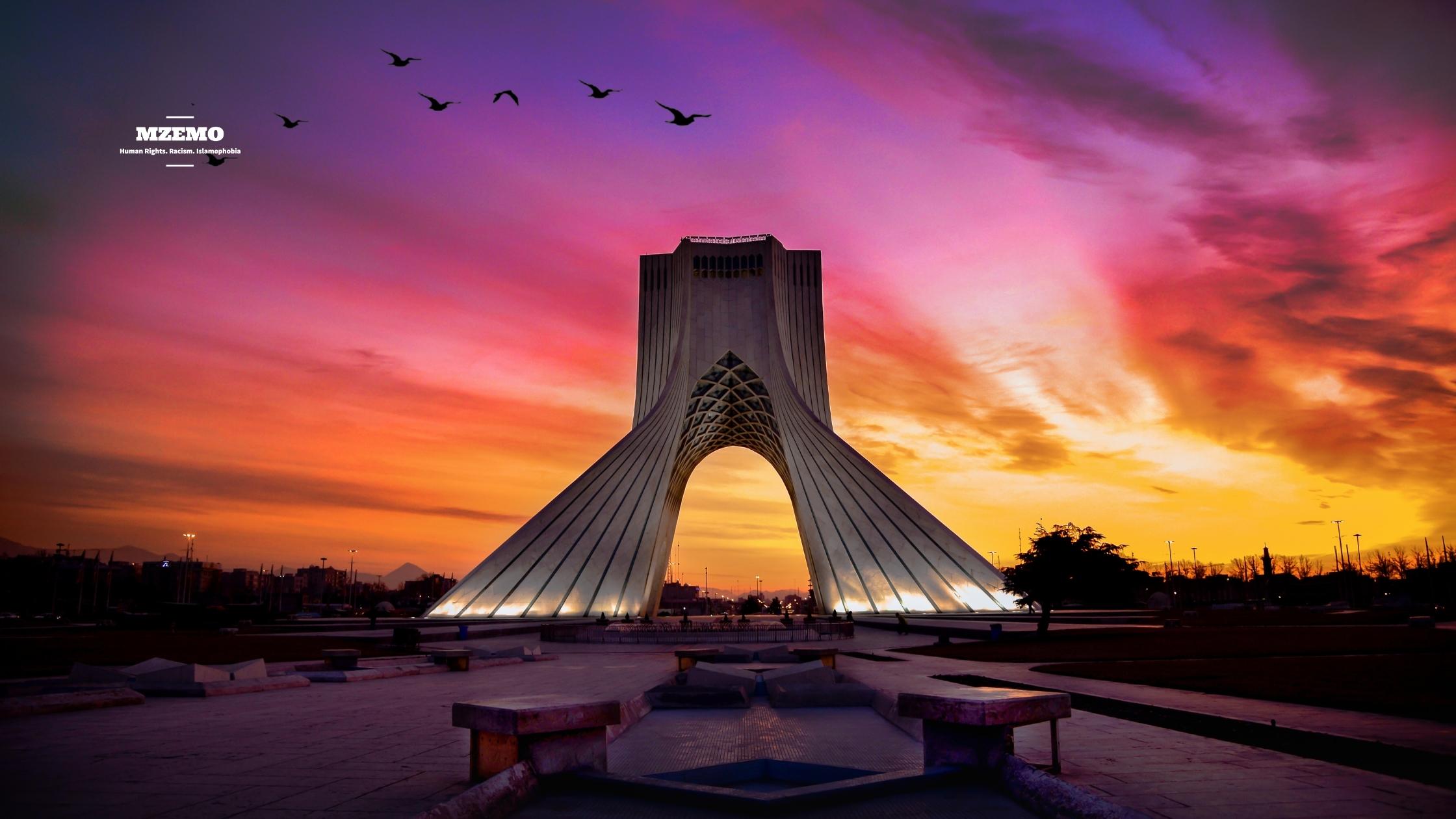
The latest US-Iran talks show how quickly the world can move when a crisis threatens oil, shipping, and regional markets. After the Strait of Hormuz became a flashpoint, Washington moved into negotiations. Although the attacks by Israel and the United States on Iran were unprovoked, the resulting ceasefire is a reflection of the enfeebled power of the United States and Israel.

However, one thing is evident: when the global economy feels pressure, urgency arrives. But that urgency is not being shown to Gaza and Lebanon. This is the central problem with the current regional diplomacy. The Strait of Hormuz is being treated as a global emergency, while Israel’s continued genocide in Gaza and violence in Lebanon is treated as a difficult-to-manage side issue.

Why Hormuz Became the Priority

The Strait of Hormuz is one of the world’s most important energy routes. Around one-fifth of global oil and natural gas normally passes through this narrow waterway between Iran and Oman. When the US-Israel escalation with Iran raised the risk of disruption, the concern was immediate because any closure or attack near Hormuz could affect energy prices, insurance costs, shipping schedules, and the wider global economy.

Following a ceasefire announcement, the US indicated it would waive sanctions on Iran for 60 days after the first talks under a new peace framework. The talks, held in Switzerland and mediated by Qatar and Pakistan, were described as part of a roadmap toward a final deal within 60 days. Moreover, they included a communications mechanism to help ensure the safe passage of commercial ships through Hormuz.

This does not simply mean the crisis is over. Iran and the US still disagree over a lot of issues, like nuclear inspections and the details of the deal. Gulf states remain worried about Iranian power, Israeli escalation, and the possibility of another breakdown. But the speed of the diplomatic response tells its own story. Hormuz became urgent because Hormuz affects global trade.

The Problem Is Not Diplomacy but Selective Diplomacy

Keeping Hormuz open matters due to the fact that millions of people could feel the economic shock of a major disruption. The problem is not that diplomats are trying to calm the waterway. The problem is that the same level of pressure is not applied when Israel keeps killing innocent Palestinians and Lebanese civilians.

This is where US diplomacy becomes morally exposed. Washington can move quickly when shipping lanes, oil prices, and Gulf allies are at risk. Yet when Gaza’s children are killed after a ceasefire, or when Lebanese families remain displaced from destroyed villages, the language becomes cautious, delayed, and full of exceptions for Israel.

Lebanon Shows the Limits of the Deal

Lebanon is supposed to be one of the places where regional de-escalation becomes visible. Although the interim US-Iran agreement called for ending hostilities, including in Lebanon, it is not being realized completely. Israel, however, has declared that it will not withdraw from southern Lebanon unless its unrealistic conditions are met.

This is why the Lebanon file remains so fragile. Despite withdrawing from Lebanon and providing the innocent people a sigh of relief, Israel is pushing forward. Israel has established what it calls a buffer zone about 10 km inside Lebanon, forcing local civilians from their homes and carrying out raids and demolitions in villages.

When it comes to the human cost, more than 1.2 million people were displaced during the fighting, about a fifth of Lebanon’s population. Lebanon’s National Council for Scientific Research indicated that more than 90,000 housing units were damaged or destroyed between March 2 and June 12. Other credible reports also highlighted that tens of thousands remain displaced because their homes are gone or their towns remain under Israeli military occupation.

Gaza Remains the Deepest Failure

Since the October 2025 ceasefire, Israeli attacks have killed more than 1,027 Palestinians and injured 3,280 others. Gaza’s Health Ministry highlighted that the total number of Palestinians killed since October 2023 has exceeded 73,041, with 173,402 wounded. These numbers do not describe a genocide moving toward peace. They describe a population still being punished while the world discusses arrangements elsewhere.

Gaza should have been discussed in the recent peace talks, too, but the world is moving towards a moral crisis. The destruction of Gaza, the blockade on aid, the brutal killing of innocent children, and the forced displacement of families are the reasons anger across the Muslim world remains so deep.

Israel Keeps Undermining Regional Peace

Any honest discussion of regional de-escalation must confront Israel’s role. The US wants Iran to lower tensions, the Gulf states want shipping security, and mediators want the fighting to stop. Yet Israel continues to act with carte blanche in Gaza and Lebanon.

There is a wide contradiction between the world’s policies. Israel is not treated as a spoiler in the same way as others are. Its attacks are framed as security needs, while Palestinian and Lebanese suffering is framed as an unfortunate fallout. This double standard is one reason ceasefire efforts keep failing in practice.

If Israel can continue bombing Gaza, occupy parts of southern Lebanon, and delay withdrawal without serious consequences, then regional calm remains fragile. It may hold for oil markets, but it will not hold for the people living under attack.

Ultimately, peace cannot be built by protecting tankers while ignoring tents, hospitals, and destroyed villages. A regional deal that treats shipping as urgent but civilian blood as negotiable is not peace. It is selective stability, built for markets before innocent people.

Continue Reading

Featured

UN Report Exposes Israel’s Genocide Through Targeting of Gaza’s Children

Published

on

UN-Report-Exposes-Israels-Genocide-Through-the-Targeting-of-Gazas-Children

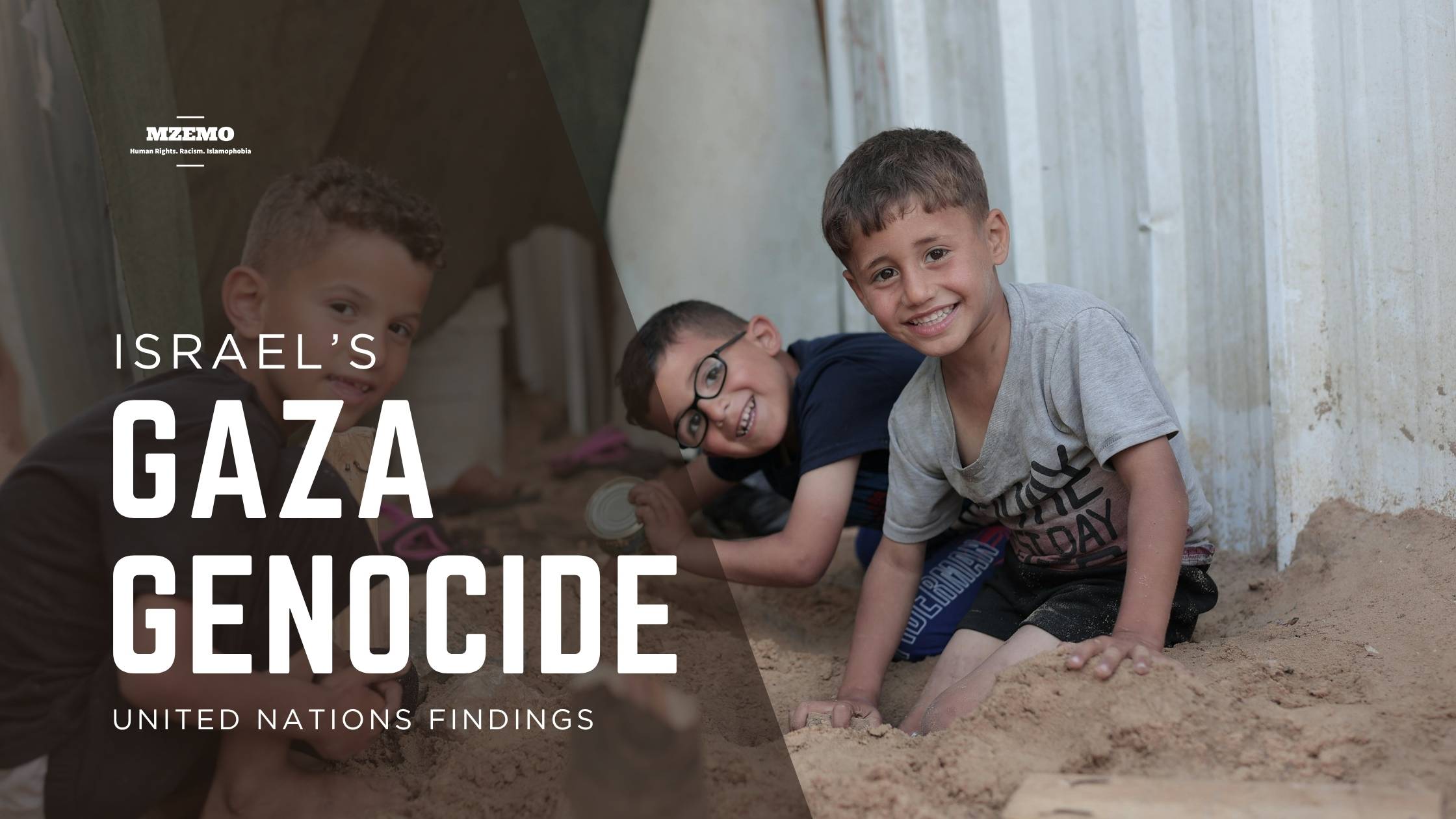
The latest UN inquiry on Gaza’s children has changed the way this genocide must be discussed. It is no longer enough to say that children have died in large numbers, as if their deaths were only a tragic side of military operations. The UN Independent International Commission of Inquiry evidently described that Israeli authorities and the ISF have deliberately targeted Palestinian children. These actions are not limited to crimes against humanity but are a deliberate genocide.

The reason why this new finding matters is that it places the innocent children of Gaza at the centre of genocide. Unfortunately, Gaza’s children have been brutally killed by airstrikes, drones, and direct sniper fire. They have been wounded in shelters, deprived of food and medicine, pushed into disease, and left with trauma that no child should carry. Moreover, the report also extends beyond Gaza. It documented serious violations against Palestinian children in the occupied West Bank, including detention, settler violence, and mistreatment.

The Scale of Child Deaths in Gaza

Between October 7, 2023, and October 7, 2025, for two years, at least 20,179 Palestinian children were killed in Gaza. These are the official figures cited in reporting on the UN inquiry. Shockingly, children made up more than 30 percent of those killed.

On the other hand, UNICEF has also estimated that more than 50,000 children have been brutally killed or wounded since Israel’s genocide in Gaza began. These numbers show how deeply the violence has entered Palestinian family life. Especially in Gaza, almost every school, street, tent camp, and hospital corridor carries the memory of a child who was killed, injured, orphaned, or displaced.

Additionally, the UN Commission also noted Israel’s use of high-payload munitions and wide-area weapons in densely populated areas. Gaza is already a trapped and crowded strip of land where families have repeatedly been forced from one area to another. Ultimately, when heavy weapons are used in such places, children are placed directly inside or rather being hidden from genocidal risk.

Why the Word “Targeting” Matters

The most serious part of the UN report is not only the death toll. In fact, it is the finding that “Palestinian children were deliberately targeted”. That word changes the meaning of the evidence.

In this context, the commission examined cases involving children killed by quadcopter drones and sniper fire, including incidents where medical evidence suggested precise shooting. The inquiry also criticised the way Israeli forces described some killed children as “suspects,” a label that can turn even childhood into a security accusation.

This is one of the most dangerous features of Israel’s assault on Gaza. When a Palestinian child can be treated as a threat, the normal rules of humanity are ultimately turned upside down. A child searching for food, standing near a shelter, moving with family, or living in a crowded neighbourhood becomes vulnerable not only to bombs, but to a military logic that sees Palestinian life itself as suspicious.

The Ceasefire Did Not Save Gaza’s Children

The October 2025 ceasefire was supposed to reduce the killing and open a path toward stability. Yet Palestinian children have continued to die.

Gaza’s Health Ministry says more than 1,027 people have been killed since the ceasefire, including 258 children. One recent case was 12-year-old Ahmed Mohsen al-Raqab, martyred by an Israeli drone strike in al-Mawasi, the southern Gaza area where displaced families had taken shelter after being forced from other parts of the enclave.

This is why the word “ceasefire” has become painful and unrealistic for Palestinians. A ceasefire that does not protect children in displacement camps cannot be treated as peace. It becomes another political arrangement that looks stronger in statements than it does on the ground.

The Attack on Birth, Health and Childhood

The UN inquiry also looked at the conditions that allow children to be born, treated, and kept alive in Gaza. It said attacks on maternity and neonatal services endangered newborn survival and harmed Palestinians’ reproductive future. It also pointed to rising miscarriages, birth defects, and widespread psychological harm, including trauma among children.

This part of the report is an eye-opener. Genocide is not only carried out through direct killing. It is also being carried out by destroying the systems that sustain life.

A newborn in Gaza needs a safe delivery room, electricity, medicine, clean water, warmth, and trained medical staff. While a wounded child needs surgery, antibiotics, and a place to recover. A sick child needs nutrition and vaccines. When hospitals are attacked, supplies are blocked, and families are displaced again and again, childhood becomes a struggle for basic survival.

The West Bank Is Part of the Pattern

The inquiry also documented violations against Palestinian children in the occupied West Bank, including East Jerusalem. It reported settler violence, arrests, detention, torture, sexual and gender-based violence, forced stripping, beatings, and food deprivation.

The methods are not identical to Gaza, but the impact is deeply interconnected. In Gaza, children are deliberately bombed, starved, and displaced. While in the West Bank, they are detained, intimidated, attacked by settlers, and pushed through a system that treats Palestinian childhood as a threat to be controlled.

Accountability Cannot Remain a Statement

The UN report should not become another document that governments mention briefly and then ignore. Its findings matter for the International Court of Justice, the International Criminal Court, and every state that continues to arm, fund, or politically shield Israel.

Accountability must mean protection for children, open aid routes, medical evacuation, protection for hospitals and schools, and consequences for those responsible for attacks on innocent civilians. It must also mean ending the habit of treating Palestinian deaths as unfortunate but acceptable.

In a nutshell, children still dying after a ceasefire is not a misunderstanding but a deliberate act of genocide to wipe out the future of Gaza.
Continue Reading

Featured

Where Is Gaza’s International Stabilization Force and What Happened to the Ceasefire

Published

on

Where-Is-Gazas-International-Stabilization-Force-and-What-Happened-to-the-Ceasefire

When Gaza’s ceasefire was announced, it was presented as more than a triumph. As a result, it was supposed to usher in a new phase of peace, prosperity, and stability. However, nothing like that happened. The Board of Peace and the International Stabilization Force remained unmaterialized ideas. Even months later, those promises look thin on the ground.

A Ceasefire That Still Leaves People Dead

What about a ceasefire that remains unable to stop brutality and killings? A ceasefire means safer movement, sufficient aid, and complete elimination of fear. Unfortunately, the people of Gaza haven’t seen that even after the announcement of a so-called “20-point plan” and the “ceasefire”.

Recently, Israeli strikes killed three Palestinians on June 11 while Egypt, Qatar, and Turkey were trying to advance the fragile truce. Days earlier, another Israeli airstrike on a large tent encampment in Gaza City killed at least seven innocent Palestinians, including two women, and injured 15 others, some of them children.

Moreover, more than 950 Palestinians have been killed since the ceasefire began. These numbers show why the word “ceasefire” sounds hollow to many families. A truce that cannot stop repeated deaths is not functioning as protection.

The Force That Has Not Protected Gaza

The International Stabilization Force was supposed to be a central part of Gaza’s next phase. The ceasefire plan, later tied to a UN mandate, imagined an international force that could support security, help stabilize the territory, assist transitional arrangements, and give the ceasefire practical weight.

Unfortunately, the force has not become a meaningful presence yet.

Numerous credible reports state that plans for the Gaza International Stabilization Force were in question because troop pledges had stalled. Countries expected to contribute had not made the commitments needed to turn a political idea into an operational force.

This delay matters a lot as Gaza now needs a mechanism that can protect displacement sites, secure aid routes, support safe movement, and help prevent violations. Without that, the stabilization force becomes another promise Palestinians hear about but do not feel.

Why Governments Are Hesitating

The hesitation is partly political and partly practical. Sending troops into Gaza would mean entering one of the most obliterated and contested places in the world. Foreign soldiers could be caught between Israel, armed factions, displaced civilians, and a population deeply suspicious of outside arrangements.

There are also unresolved questions about the mandate. Would the force protect civilians from all attacks, or mainly focus on disarmament? Would it monitor Israeli actions as well as Palestinian armed groups? Would Palestinians have a real voice in how it operates?

A force without legitimacy could fail quickly. But delay also has a huge cost. While governments hesitate, civilians live without a credible protection system against the genocidal acts of Israel.

Monitoring Without Enforcement

The United States was expected to close its Civil-Military Coordination Centre near Gaza as the broader Gaza plan stalled. The Centre was designed to monitor the ceasefire and help improve aid flows. This is because most people observed that it failed to deliver meaningful results.

That failure exposes the problem with symbolic mechanisms. A coordination Centre can collect information, but it cannot protect civilians unless it has authority, access, and consequences behind it. Monitoring may record violations only, but it cannot stop them adequately.

Aid Crossings Reveal the Truth

Humanitarian access is the clearest test of the ceasefire. If food, medicine, fuel, water, and shelter materials cannot enter Gaza reliably, then the truce is failing at the most basic level.

OCHA reported on June 5 that Israel had kept Zikim Crossing in northern Gaza closed for two weeks. Aid convoys were being rerouted to Kerem Shalom, as the last remaining cargo crossing. That rerouting created congestion and slowed the collection of critical supplies.

In genocide-affected Gaza, a delayed truck can mean empty kitchens, untreated wounds, missing medicine, and another night in unsafe shelter. UN Secretary-General António Guterres also urged Israel to reopen closed crossings so aid could move rapidly, safely and at scale.

How can a ceasefire that leaves aid trapped at crossings restore civilian life?

The Deadlock Behind the Crisis

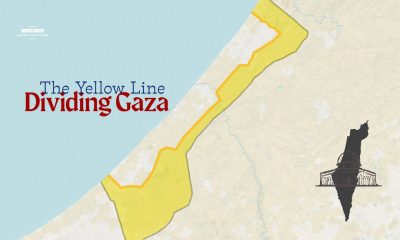
Talks on Gaza’s next phase remain stuck on the issue of Hamas disarmament and complete Israeli military withdrawal. Palestinian factions had agreed to most points in the peace blueprint, but Israel is reluctant to keep its military in Palestine.

Israel is trying to hide their heinous plan of genocide advancement in the name of Hamas disarmament. While Hamas completely denies the allegations of Israel and links their efforts to a political process toward Palestinian statehood and an end to illegal occupation.

Gaza needs fewer promises and more enforceable guarantees from the international community now. Civilian shelters must be protected, aid crossings must remain open, medical evacuations must move quickly, and ceasefire violations must be reported quickly. Any stabilization force must have a clear civilian-protection mandate. Israeli withdrawal lines must be transparent, and reconstruction must be tied to Palestinian governance.

Above all, there must be consequences when civilians are killed after a ceasefire has supposedly begun.

Final Thought

Gaza’s crisis shows the danger of genocidal diplomacy without delivery. A ceasefire without enforcement is not peace. Monitoring without consequences cannot protect innocent civilians. Aid promises mean little when crossings remain highly restricted.

Palestinians were promised stability and peace. What they received is continued death, delayed protection, and a plan stronger on paper than in Gaza.
Continue Reading
Advertisement

Trending