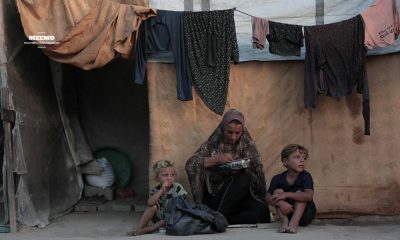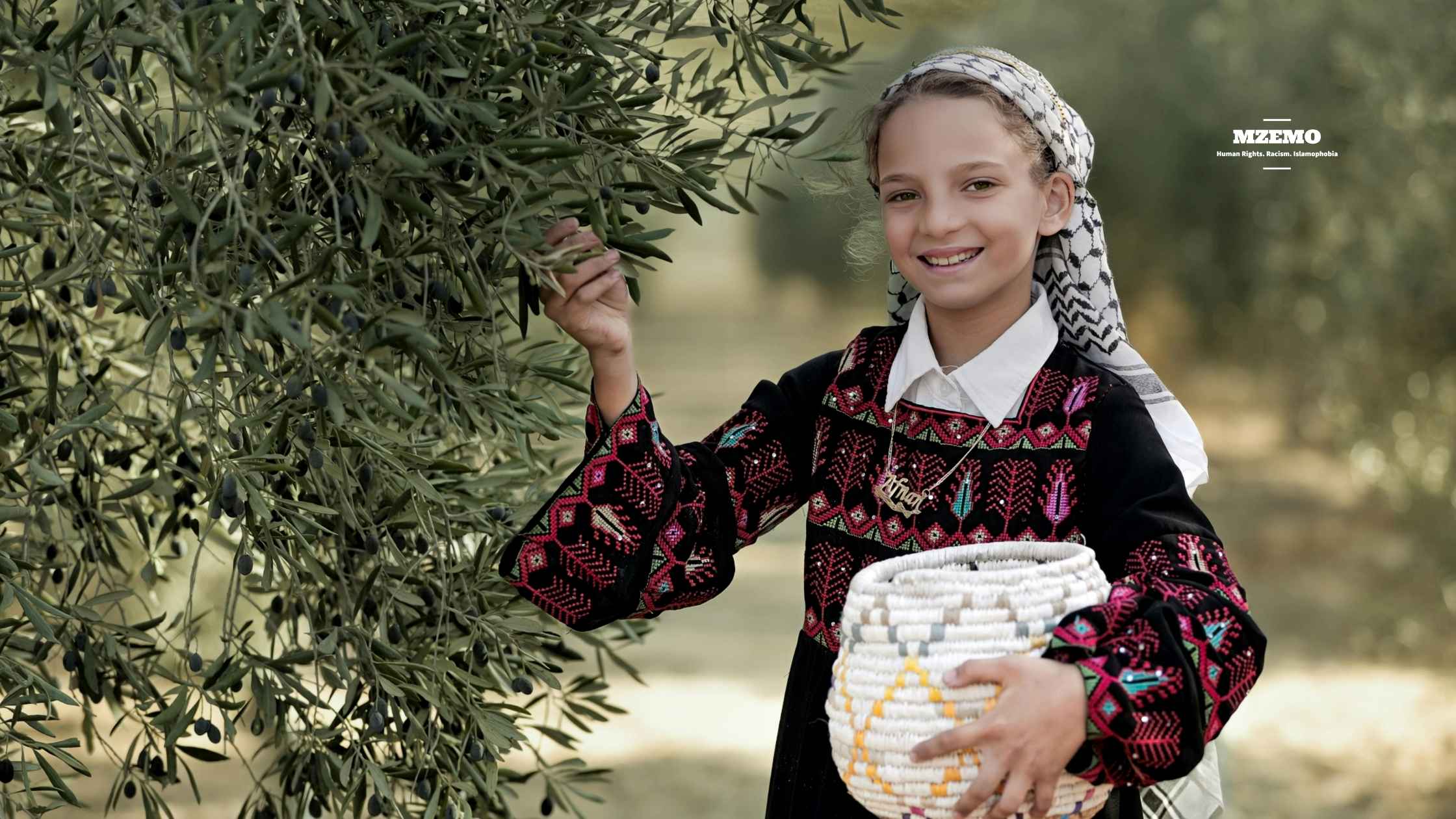
Once upon a time, a beautiful, prosperous nation lived in harmony. The land the nation lived on was small in expanse, but its placement was tremendously convenient for its people. It connected three continents and was on the coast as well. Besides these major advantages, the land was blessed by God, it’s safe to say it was also the land of spirituality and holiness. With such conspicuous features, it was only natural that the land fell victim to attacks and attempts of colonization repeatedly. Till one wicked made-up state succeeded in stealing the homes of hundreds of thousands of residents, and in stealing many more lives.
Alas, this is no fairytale, this is the reality of Palestine. And today, I will lay in front of you the bitter reality of perhaps the most oppressed area in Palestine: the Gaza Strip.
After Gaza managed to bring failure to “Israel”’s attempts of occupying it, the colonial state opted to control entry and exit from Gaza by land, air and sea.
Gaza has been under an Israeli blockade since 2006. The blockade has devastated Gazans, affecting every aspect of their daily life as they have spent 15 years living under occasional –and vicious– attacks and a constant economic crisis. that set up barriers between their dreams, and the means to achieve them.
Writer’s Input
I write this from Gaza, and allow me a personal input; life in Gaza is depressing. After all, how can happiness carve a space for itself amongst 15 years of siege, restrictions of all kinds, aggressions, assaults, murdered dreams, and false hopes?
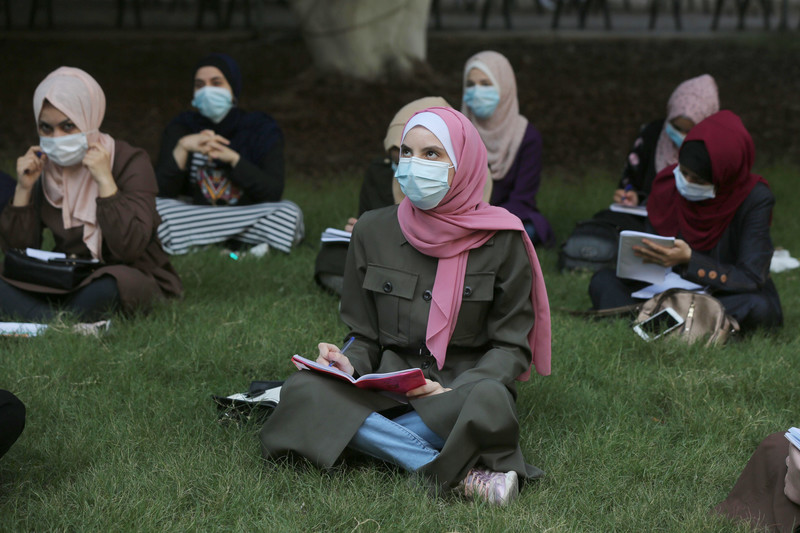
Many adolescents have dreams of becoming footballers, singers, musicians, etc. However, with little to no means to support said dreams, very few Gazans are able to indulge enough in their hobbies to turn them into careers. And the older youths feel lost and drained. Most young people with a higher education can’t find work due to the low job opportunities that is ultimately caused by the blockade.
Lost Childhood
This blockade on Gaza has been punctuated by devastating wars carried out by Israeli missiles that have impeded Gazans from obtaining access to their dreams, as thousands of Palestinians were bombed. One of the most brutal wars is Israel’s offensive war in 2021, in which children orphaned, mothers widowed, and several families were wiped off the civil registry.
So many Gazan children were buried under the rubble with their aspirations due to Israel’s war. So many of them are supposed to graduate from their universities and build a new life. Alas, Israel’s blockade along with wars have crushed all the dreams.
“I Dream”, Gazans’ Dreams Under Israel’s Siege
Here, I met three citizens of Gaza; a talented mini-Messi, a poetic Jane Austen, and a motivated Jon Snow. Despite knowing first-hand how it is like to live in Gaza and bear the loss of your grand dreams, I still posed questions to these individuals about their experiences of life under Israel’s blockade. The questions are as follows: What does the word blockade mean to you? What impact had the blockade had on adolescents and youth such as yourself in Gaza? How do Israel’s war crimes, especially the recent attacks in May 2021, widen the barriers between Gazans and their dreams? Can you envision a free Gaza?
The Messi
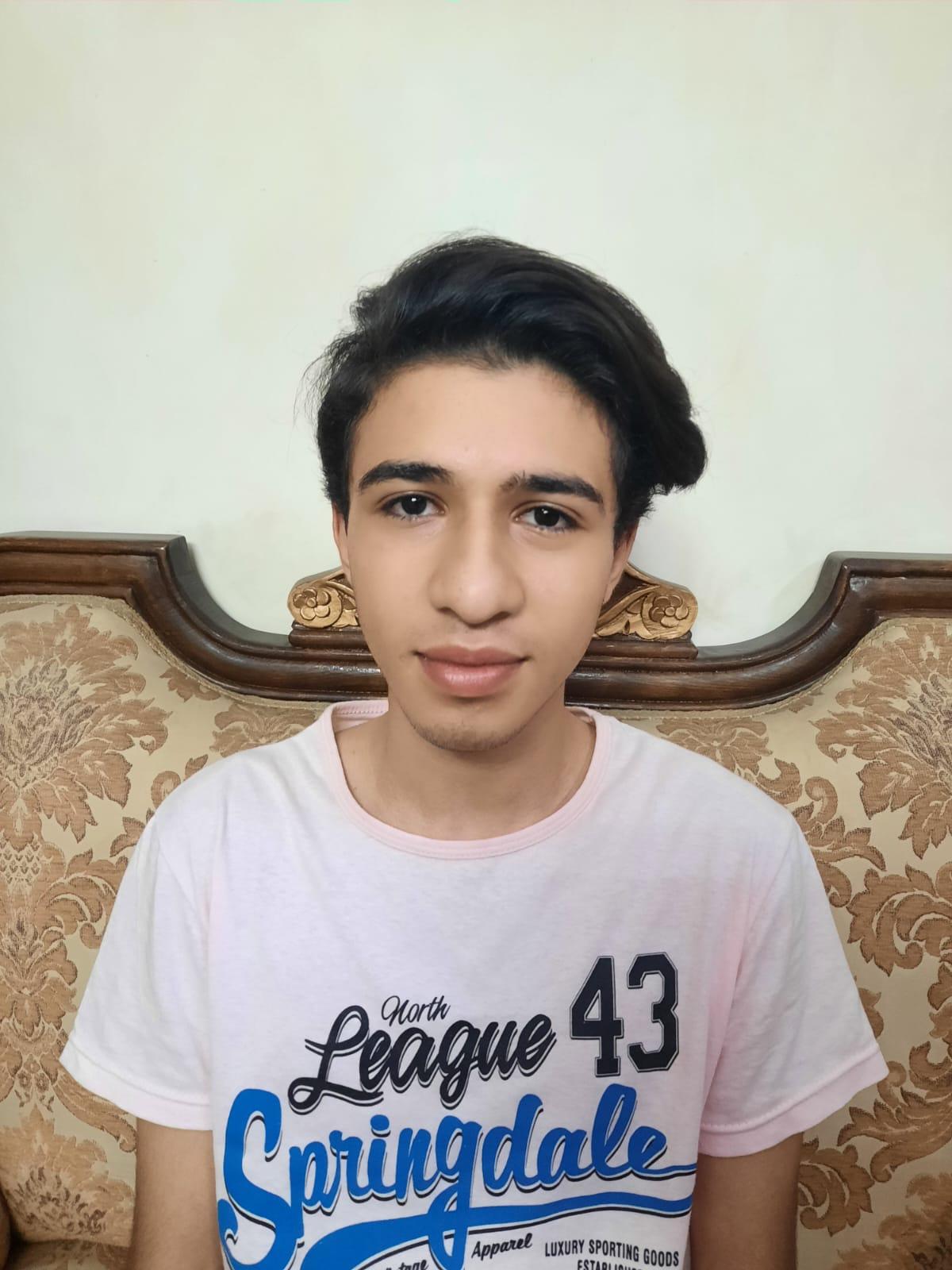
I sat with the 14-year-old Sami Amara, a youth with a powerful strike that rivals that of Messi’s. He navigated rationally through my questions and defined the blockade as a large prison imposed by ‘Israel’.
“The Israeli occupation’s blockade hasn’t affected us as youth but our activities too, trying not to raise our voices and convey our message to the whole world,” Amara further expressed the impact of the blockade.
On a mental level, my interviewee was brave in his recalling of the wars and their impacts. He expressed that he is still traumatized by Israel’s attacks, his melancholic words were, “All of us lived the horror of war, fear, and the feeling of loss”. The war not only separated us from our dreams, but also left us in fear of not knowing whether we’ll live to convey our message as Palestinians, to the world.”
As for his answer to the last question, Amara was a little bit optimistic about the blockade coming to an end. “It’s more than a dream and we’ll achieve it one day. We will be able to participate in international forums. We will be able to convey our message and talk about our suffering. One day, we’ll lead normal lives. We will be happy and feel safe.” He ended.
The Jane Austen
My second interviewee is a rather timid, and soft-spoken one. She was feeling too shy and I opted not to take a picture of her in order not to make her uncomfortable. She is the 13-year-old Gazan girl Mays Saed. She loves drawing and reading. Success in Tawjihi –last year of high school in Palestine– and having a small bookshop are her ambitions. “The blockade is a suffocating siege, like a monster that sticks its claws into people’s chests, tearing them and their dreams apart.” She eloquently defined the blockade.
When asked about the impact of Israel’s blockade, she listed numerous things, such as the increasing unemployment among Gazans, and the deprivation of youth of their dreams. My interviewee thinks that the latter made adolescents such as her “age way before their time.” She also added, “For how the blockade and Israel’s attacks on Gaza affect us, many of us wait our whole lives to achieve even a fragment of our dreams, but alas, even our efforts turn to dust.”
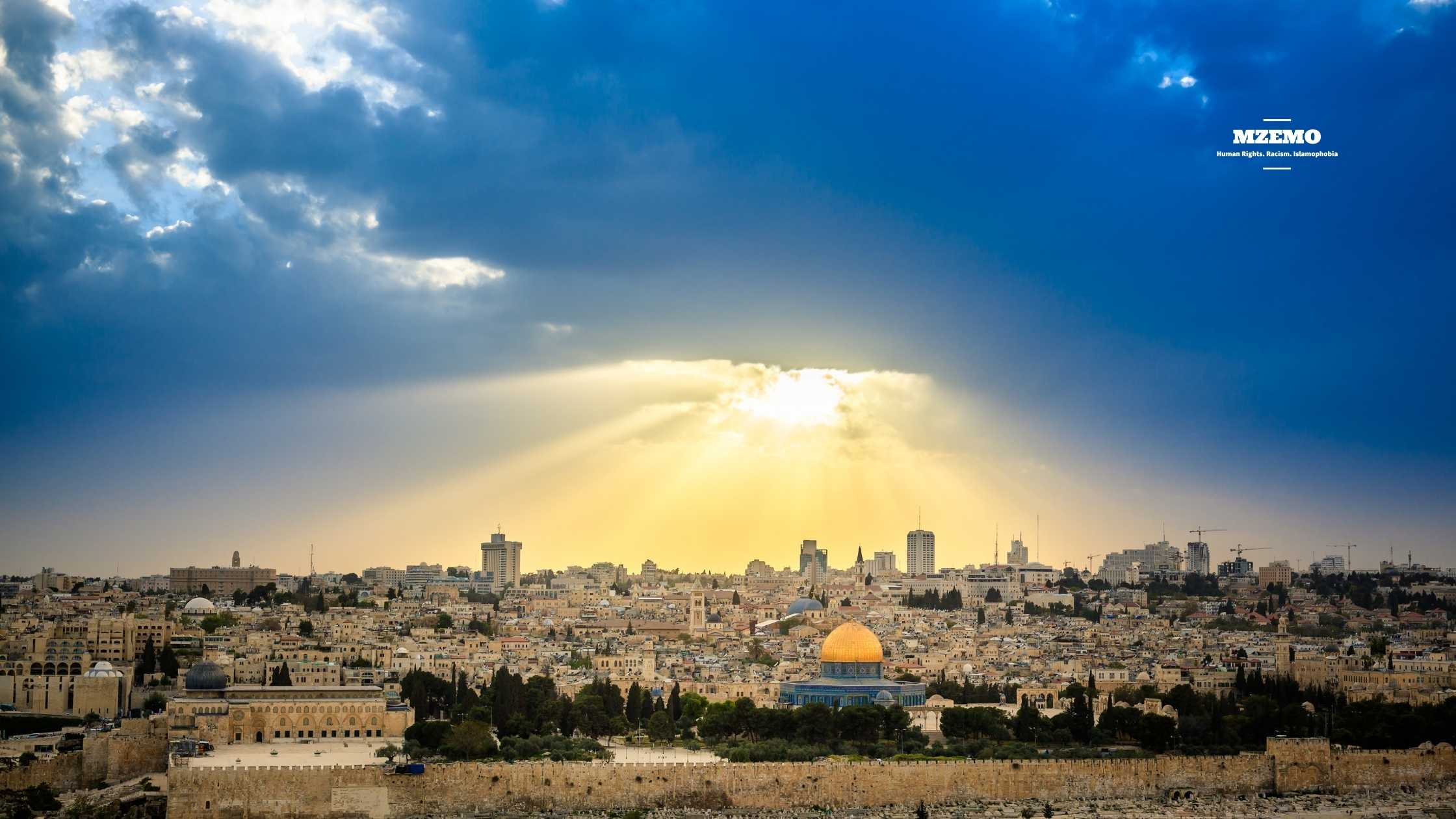
As for her thoughts on a “free Gaza”, she said, “We all –common people, traders, children, will be over the moon. So many elderly people will finally achieve their dream of praying at Al-Aqsa Mosque before passing away. The economy will be reignited. The unemployment rate will be reduced. And I? I will finally spread my wings to fly high in the vast sky of freedom.”
The Jon Snow
Jon Snow is one of the most supportive foreign journalists of Palestine. His courageous coverage of the brutal 2014 attack on Gaza made many Palestinians love him, and my third interviewee is one of them.
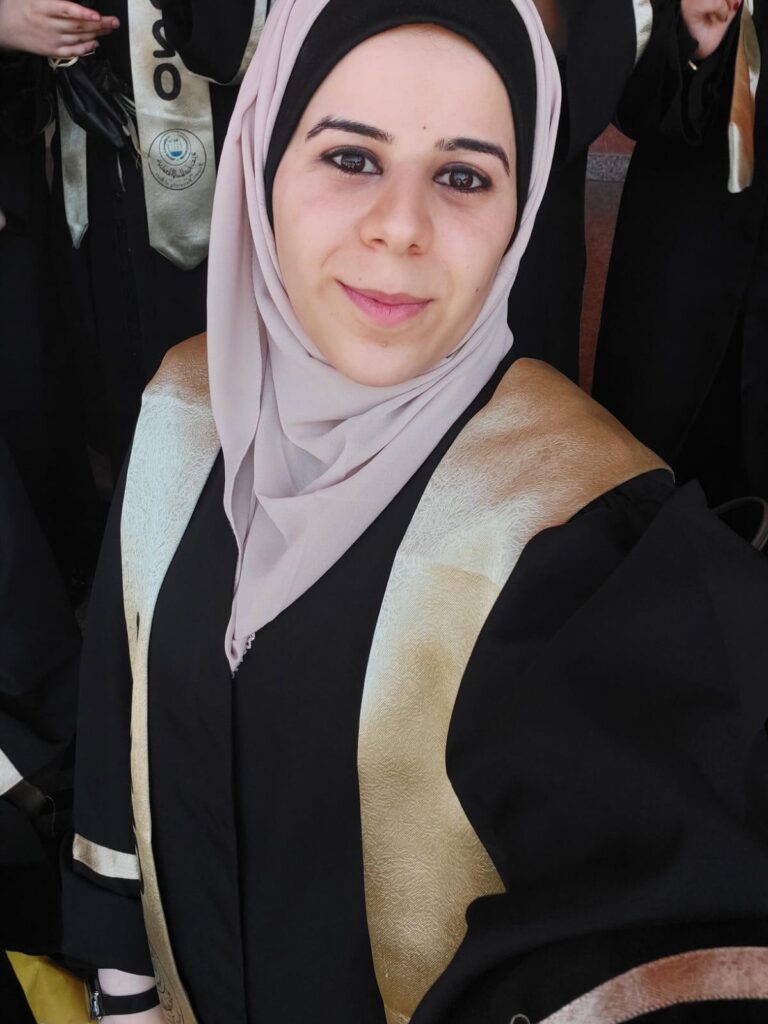
The blockade doesn’t only affect those who were born when it happened, its affects extends to those who were born before it. This is Enas, 24, a graduate of the Islamic University of Gaza. She works as a news writer. She’s a dear colleague of mine, and we were having a lovely conversation until I asked her what “blockade” meant to her. With a look of sorrow accompanied by a sigh, she answered, “Israel’s blockade of Gaza has turned Gaza into the world’s largest open-air prison. We are like caged birds, creatures that have the illusion of flying freely, but still are restricted in reality.”
When asked about the impact of the blockade, she confirmed that the conditions in Gaza are restricted, telling me that if we lived in an unrestricted area, she would “feel connected to the world. I’d be free to go wherever I want and do whatever I want. I would get a master’s degree in Literature. This is what I really want to do in my life, but I can’t do it here in Gaza. We don’t have such a program.”
Dejectedly, she told me that no one comprehends what war means unless they experience it. Enas wants to travel, but she is afraid that Israel may launch an attack again on Gaza, and her tripedition stops her every time, opting to stay with her family instead. “If the Israeli occupation’s blockade ends, I will, no doubt, visit Al-Aqsa Mosque in occupied Jerusalem.” she concluded.
Till When?
I was lucky to interview optimistic Gazans with a rearing soul, but so many have had their souls broken, so many think that we’re going to stay trapped like wingless birds forever, never to fly; not even in our suffocating cage. And how could they not be pessimistic, when the world continues to turn a blind eye to Gaza and its suffering?
A surgeon can sometimes read a battlefield from the condition of wounds it leaves behind. In Gaza, doctors have described bodies unimaginably pierced by tiny metal fragments that cause far greater damage than the skin first reveals. Unfortunately, similar injuries are now being reported in Lebanon. Although the place has changed, the pattern is becoming familiar.
These are small entry wounds, causing deep internal destruction. While civilians are being pulled from rubble, hospitals are overwhelmed, and Israel calls it “security.” Israel’s ongoing genocide in Gaza has already shown the world what happens when a civilian population is heavily bombed, starved, displaced, and left without a functioning health system.
Lebanon is now witnessing a face of Israel that is not hidden to anyone, as the assault carries many of the same signatures. Although not the same history, geography, or logic, Israel is destroying the conditions of ordinary life and targeting civilian lives as it has been doing in Gaza for years.
The Tungsten Cubes Linking Gaza and Lebanon
One of the most alarming links between Gaza and Lebanon is the use of weapons that release tiny tungsten cubes. These small metal cubes were already seen in Gaza injuries, and these are not just ordinary metal cube fires.
Human Rights Watch also documented similar fragments in Gaza in its 2009 report named “Precisely Wrong.” It found tiny metal cubes, about 3mm on each side, in victims’ bodies and numerous other strike sites. When they brought them into the laboratory, they found that it was tungsten, with traces of nickel and iron. These are usually fired using a Spike Missile.
The real cruelty of this kind of fragmentation is that it is not always visible at first glance. For instance, a person may have small wounds on the outside while the inside of the body is torn apart. These dense metal fragments can rip through organs, blood vessels, nerves, and bone. Especially for children, the elderly, and the people already weakened by hunger or displacement, survival becomes even harder.
Gaza’s Genocide as a Warning
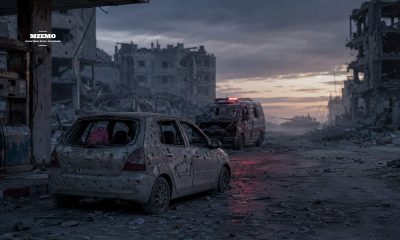
The heinous genocide in Gaza has already shown the full horror of Israel’s cruel methods. Palestinians have been martyred in staggering numbers, entire neighborhoods have been flattened, and families have been buried under concrete.
The suffering did not end with the so-called “ceasefire language.” Even on May 10, 2026, Israeli strikes killed numerous innocent Palestinians. In this context, Gaza’s health officials have highlighted that more than 850 Palestinians have been killed since the ceasefire that was announced in October 2025.
When it comes to the humanitarian figures, the World Food Programme has reported that 1.6 million people, around 77% of Gaza’s population, are facing acute food insecurity. It also includes 100,000 children and around 37,000 pregnant and breastfeeding women. These are not just background statistics but a daily reality of a population being forced to survive without enough food, medicine, shelter, or safety.
Moreover, hospitals in Gaza reflect the same story. Gaza’s entire medical system has been brutally attacked, besieged, deprived of fuel, and overwhelmed by mass injuries. Doctors have performed amputations in absolutely impossible circumstances. Patients have lain on rubble-led floors while premature babies, cancer and dialysis patients, and trauma victims have all been broken by siege and bombardment.
Lebanon Is Seeing the Same Pattern
Unfortunately, Lebanon is now being dragged into the same machinery of destruction. More than 2,700 people had been killed in Lebanon since March 2026, with more than 1.2 million displaced. Israel also struck Beirut even after a ceasefire had been declared, marking a dangerous escalation and exposing how fragile such ceasefires become when Israel continues to reserve the right to bomb.
The strikes have not been limited to empty fields or isolated military positions. On May 9, an Israeli strike on the southern Lebanese town of Saksakiyeh killed at least seven innocent people, including a child, and wounded 15 others. Emergency responders were seen searching through the wreckage.
In addition to that, Israeli airstrikes in southern Lebanon killed people in Toura and Kfar Chouba, including a paramedic, while residents of villages in Tyre province had received evacuation warnings.
Ceasefire Without Safety
The word “ceasefire” has become painfully empty for many Palestinians and Lebanese civilians. In Gaza, a ceasefire did not stop the genocide, including killing, starvation, or fear. While in Lebanon, a ceasefire has not stopped Israeli strikes, displacement, or the expansion of insecurity.
The United Nations warned Israeli strikes in Lebanon may breach the ceasefire, while Lebanese authorities said nearly 2,500 people had already been killed by late April amid heavy damage to civilian infrastructure.
However, the great imbalance of destruction remains central. Gaza has been turned into rubble. South Lebanon is now facing repeated bombardment, village evacuations, damaged infrastructure, and mass displacement. The same vocabulary appears again and again: “targets,” “militants,” “security,” “precision.” Yet beneath that language are innocent families, children, doctors, drivers, farmers, shopkeepers, and rescue workers.
Shockingly, 47 women and girls are being killed in Gaza every single day. A recent UN report mentioned more than 38,000 women slaughtered by Israel during its heinous genocide. Previously, in 2024, the health ministry in Gaza estimated that 70% of those killed in the war were women and children.
Moreover, the impact on Gaza’s healthcare sector is so severe that death figures are hard to evaluate in real terms. This demonstrates the severity of the gender-based violence that Gaza’s residents are enduring, even after the so-called “ceasefire” in 2026.
Impact of Israel’s Genocide on Women and Girls
The UN Women’s report also documents almost 19,000 injured women and girls who have been permanently disabled from their injuries. The Head of Humanitarian Action at UN Women said: “This is the highest percentage in any conflict to date and the highest percentage of women killed in any conflict ever recorded.”
Several medical professionals who have practiced within the Gaza Strip have reported that most of the breastfeeding mothers have not been able to provide breastmilk for their child due to malnutrition, the loss of a loved one, or lack of medical care.
By early 2026, the official figures from the Ministry of Health in Gaza estimate more than 50,000 women have been killed, but this is most likely an underestimation due to the number of people left under rubble.
There is also credible evidence of sexual violence during the genocide. For instance, in a statement issued in 2024, the United Nations’ Special Representative regarding sexual violence during genocide called for an objective investigation of “credible allegations of sexual assault” of Palestinians in detention, including females being detained by the Israelis.
Maternal Health and Obstetric Care
Pregnant women and new mothers in Gaza are facing a severe maternal healthcare crisis. Hospital infrastructure continues to be bombed by Israeli airstrikes, leaving fewer resources available for providing maternal care. Maternal healthcare resources have also been severely limited, as well as the ability to respond to maternal emergencies.
Women who are giving birth to children are being exposed to an increased risk of maternal death. They are giving birth at healthcare centres that have been partially abolished and are unable to provide surgical intervention. Moreover, some hospitals that are still left lack basic tools such as anaesthesia. The World Health Organisation has been reporting that disruption to the delivery of healthcare and access to medical supplies is directly related to the peak hostilities in northern Gaza.
The UNFPA refers to the Gaza Strip as the most dangerous place in the world for a woman to give birth, due to the increase in the rate of infant mortality. It is reported that an average of 15 women give birth to children outside the hospital per week with no assistance, and if a woman can give birth in a hospital:
C-sections were being performed without anaesthesia in many places, as reported by MSF staff from field hospitals.
There was an increase in maternal deaths due to hospital closures because of a lack of electricity, surgical services, and staff.
Women’s Right to Food, Water, and Shelter in Gaza
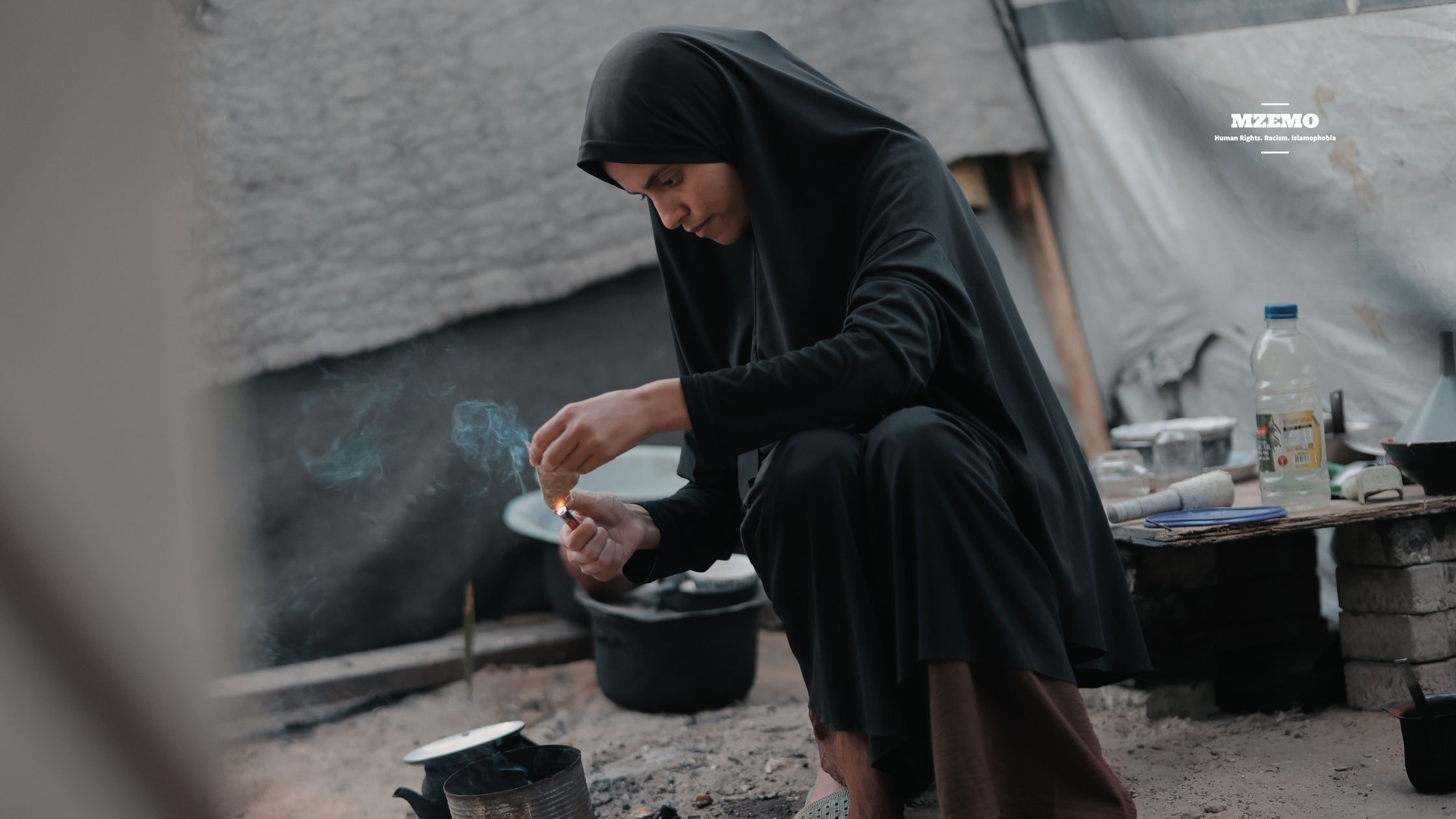
The sieges and destruction of the infrastructure create immense problems for women in particular. Women and men have been forced into shelters with abysmal sanitation. Both UNFPA and UN Women have reported the lack of sanitary products, privacy, and safe water for washing in many displacement sites. These are not insignificant aspects, as for protracted displacement, lack of sanitation and hygiene infrastructure leads to illnesses, poor health, and increased vulnerability.
Additionally, numerous impacts have also occurred due to food insecurity. Pregnant and lactating women have been among the first affected by severe malnutrition. Nearly 790,000 womenand girls are living with crisis and catastrophic levels of food insecurity, according to UN Women.
Psychological services are also lacking since most people in Gaza suffer from trauma, according to the World Health Organisation (WHO). Women who have lost their husbands and multiple members of their families are experiencing major problems with their mental health.
Data Does Not Reveal the Suffering and Trauma of Gaza Women
A young Palestinian girl, Mona, described her mother and sister dying instantaneously due to a bomb, and she found “pieces of their bodies“. She reported herself being completely numb, and stories such as hers occurred throughout Gaza. Hind Rajab, a 5-year-old Palestinian girl, was shot 335 times by an Israeli tank. There are a lot of horrific stories of Gaza women.
In a nutshell, women’s rights in Gaza, broadly construed, have been assaulted not just by violence but by the destruction of mechanisms of health care, legal, and other services. This is the starting point for any objective assessment of this unprecedented genocide. It must be stopped before the atrocities of Israel and its allies start to engulf the entire world.
The situation in Sudan is now more than just another news story. The conflict, which broke out in April 2023, is now in its fourth year and has left tens of thousands dead, more than 14 million people displaced (nearly a quarter of the population), and pushed the country to the brink of famine. But beyond Sudan’s borders, the war is barely making headlines.
What started as an internal power struggle between two generals has descended into a bloody impasse, rending communities, decimating hospitals, and weaponizing food. Behind the conflict, there’s a bigger story: how this overlooked war is revealing the ugly divisions in the Muslim world. Rather than solidarity, we witness vested interests, selective muteness, and an idealised concept of Muslim unity replaced by geopolitics.
Sudan War 2026: What’s Happening?
The Sudanese war is a battle between two armies:
General Abdel Fattah al-Burhan’s Sudanese Armed Forces (SAF)
General Mohamed Hamdan Dagalo’s Rapid Support Forces (RSF), also known as “Hemedti.”
The RSF controls most of Darfur and Kordofan, and has solidified its control in most of Khartoum and its surroundings. Contrarily, the SAF controls the north and some of the east, and recently began counterattacks in Omdurman. Both sides are far from victory and the peace table. Humanitarian assistance is being looted and stolen. Furthermore, rape is being reported at a “catastrophic” rate.
There are more than 4.4 million refugees in neighbouring nations like Chad, South Sudan, and Egypt.
Over 21 million people are in need of humanitarian aid because of famine or malnutrition in areas such as El Fasher and Kadugli.
Hospitals and humanitarian assistance are also heavily affected by the conflict with the World Health Organization (WHO) reporting over 200 hospital attacks during the war.
What Caused the Civil War in Sudan?
There are three primary causes behind this unfortunate crisis as follows:
Competition and Conflict among Factions
The military forces in Sudan removed President Omar al-Bashir from power and established a transitional government council made up of two opposing armies, as mentioned earlier. The leaders of these two forces colluded to delay power to a civilian government in 2021, staging a coup.
Political Instability after Regime Change
A short-lived democracy ensued after the revolution of 2019. There were no leaders, parties were torn, and the international community was silent. When Bashir was pushed aside, institutions were filled with armed groups with guns and money.
Economic and Regional Inequalities
Sudan has a long history of disparities. There have been instances of discrimination and attacks on regions, such as Darfur. The poor areas suffered from inflation and a resource war, which ultimately divided Sudan.
Sudan has many resources, such as gold in Darfur and a beautiful Nile Valley. RSF had support in Darfur, whereas SAF in the north and east, as previously highlighted.
Who’s Financing the Conflict?
The other question is who finances the war in Sudan. This is a mixture of domestic and international sources. Funding sources include:
Natural resource funding: The RSF owns many of the gold mines that give it enough resources to fight.
Regional Powers: Some states are secretly helping SAF against the massive forces of RSF.
In short, the RSF is suspiciously linked with the United Arab Emirates, which is allegedly involved in arms and gold smuggling in Darfur. However, the UAE denies military aid, but is being sued by Sudan in the International Court of Justice. The RSF has mining profits and a government of the occupied territory. On the other hand, SAF has Egypt, the Nile, and the border. The legitimate government has the backing of Saudi Arabia and others.
Sudan and the Muslim World in Crisis
The Muslim world has been facing a multi-faceted crisis for the past two years that has similar patterns. There has been international intervention on a scale, wars for resources, failed or failing states, and the international community is divided to tackle the crises. Rather than consensus, there is disunity and division.
The nature of these crises is different, but the common thread is that there is no unity among Muslim-majority countries and organisations.
Israel is currently involved in genocidal activities like bombing and starving Gaza. The agreement between Lebanon and Israel was supposed to be kept, yet Lebanon remains vulnerable to attacks and is displaced from reconstruction.
Iran is recovering from the war with Israel and the US. It is suffering economically from sanctions, attacks, and trade issues.
Yemen and Syria continue to suffer from war, while Pakistan and Bangladesh have experienced political upheaval.
However, the Organisation of Islamic Cooperation has been unable to respond significantly to any of these events.
The Way Forward
Peace involves putting an end to combat and the cessation of fighting between opponents and allowing them to embrace reconciliation. The international community must adopt a new approach to the problem that would involve fewer arms and increased humanitarian aid.
Gaza and Sudan represent a case of uneven consensus among the Muslims. It is therefore the need of the hour to tackle all the challenges with the strong and practical notion of the Muslim Brotherhood.