Connect with us

Featured

A Clip on the Beauty of Islam

Published

on

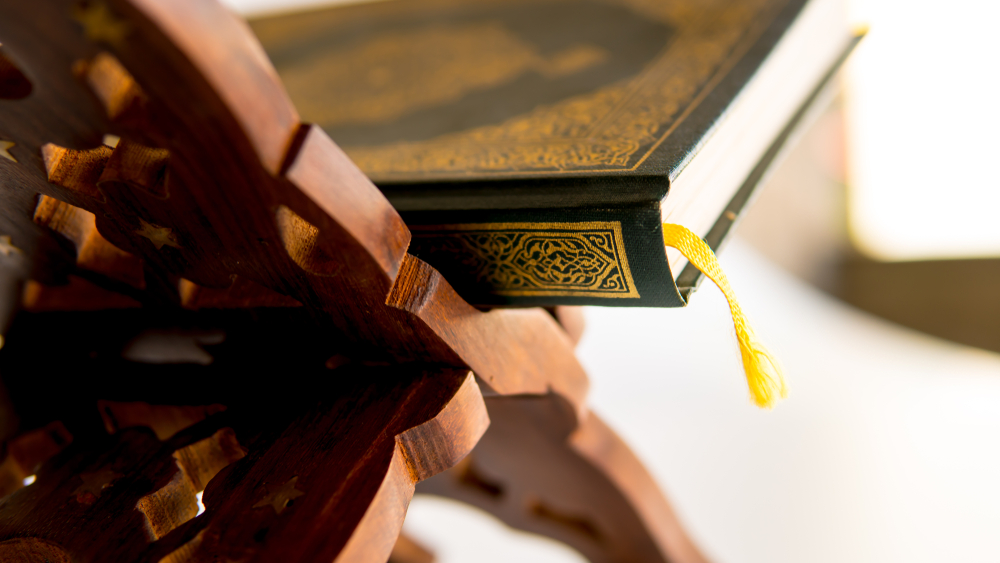
A picture of Holy Quran

The reputation of Islam has been unpleasant and surrounded by many negative points of view, and all the bad judgments are considered a result of the actions of a few. But it is more appropriate if we step into the actual and peaceful life that emerged from Islam.

Also, Read

A Brief Introduction to Islam

Islam is the last divine religion revealed to and propagated by the final God Prophets, Prophet Muhammad (peace be upon him). The meaning of  ‘Islam’ as an Arabic word centers on peace and willing acceptance which are the core of Islam. Thus, Islam means peaceful acceptance of the commands of Allah (the Arabic name of God), the Creator, through absolute believing in Him and His Messenger and obeying them. Islam is a comprehensive system that regulates the different aspects of a person’s life. It answers all of humankind’s eternal wonders. Why do I exist?

What is the point of living? Is this all there is?  By offering logic and reasonable explanation to the existential questions and expounds on the goals of life and the Afterlife. Therefore, its the second-largest religion in the world with over 1.9 billion followers all over the world. And like Christianity, Islam is a transnational religion meaning that Muslims are living in every country in the world, and many countries are majority Muslim. 

The Five Pillars of Islam

 To understand what animates the Muslim spirit, it’s best to think about the five pillars of Islam which is an aspiration that most Muslims around the world have. The first pillar is Shahada or the recitation of faith, there is no God but Allah and Muhammad is his prophet. The second pillar is Salat or ritual prayer five times a day heading in the direction of Mecca, the holiest of Muslim sites. The third pillar is Zakat or charitable giving to the poor, a certain percentage of your income given for philanthropy. The fourth pillar is fasting Ramadan, a holy month whose date changes based on a lunar calendar, which means developing self-discipline through fasting. The fifth pillar is Hajj or the aspiration to undertake a pilgrimage to Mecca at least once in your life if your health and you can afford its expenses.

Quran has sufficient convincing answers to solve all your life questions

The greatness of God and the marvel of his creation is explained in the Quran, a book like a no-other book, which contains the last revealed words of God. The Holy Quran deals with all subjects that concern individuals, and it leads you to the answers to all the questions you seek for life. It covers all topics related to wisdom, transactions, worship, doctrine, justice…etc., and its top matter is the relationship between God and His creatures. Therefore, the Quran is considered the source and reference for the actions and beliefs of Muslims.

Islam is the gate to Inner peace, happiness, and the freedom from anxiety and pain

 Many people have depression and anxiety and have no peace, so to gain peace, they try to numb themselves away from reality by taking wrong actions. But Islam shows individuals how to lead a conscientious life by drawing close to God and remaining cognizant of their final accountability in front of the one and only God. God says those who truly find faith; find something they could not find in a club or any mistaken entertainment industry. Quran describes that those who truly came to believe and didn’t disguise their truth or their faith with wrongdoing, are the people that deserve peace and will have it inside of themselves.

Islam is a religion of mercy

 God (Allah) addresses Muhammad and his message in the Quran saying: “And We have not sent you, except as a mercy to the worlds” 21:107. The religion of Islam is a religion of mercy, blessing, and benevolence, and urged for the benefit ‎of humanity, and it has honored every human being and considered them as a caliph of God on earth. Islam prohibited Muslims from hurting and doing wrong to themselves, or any other creature or surrounding, yet act with high standards of morality. Besides forbidding ‎all that causes darkness, injustice, ‎prostitution, mistreatment, and violation of sanctities, ‎Islam encourages charity.

In Islam, you can be in touch and communicate with God easily all the time

A privilege for Muslims is they can ask God for anything anytime, and there is no need to ask a priest to ask God for good. Prophet Muhammad said “Our Lord, the blessed, the superior, says, “Is there anyone who invokes Me (demand anything from Me), that I may respond to his invocation; Is there anyone who asks Me for something that I may give (it to) him; Is there anyone who asks My forgiveness that I may forgive him?,” Sahih al-Bukhari 6321.

Equality in Islam

The message of Islam is for the entire human race. Islam unites the entire human race under one banner without any kind of discrimination. And that is because humans are respected for being human and not for any other reason, and do not distinguish between two races, two groups of people, or two colors.

Moreover, Islam stated women and men are equal in status and prestige, and nothing detracts a woman because she is female. Islam provides women with care and attention and treats them with honor, whether she is a daughter , wife , sisters, or a mother. It is safe to say that Islam has given a unique confirmation of the rights of women more than it does for men.

For more Click

Continue Reading
Click to comment

Leave a Reply

Your email address will not be published. Required fields are marked *

Featured

The Greater Israel Project: Gaza’s Genocide and Expansionist Designs

Published

on

The-Greater-Israel-Project-How-Settlements-Annexation-and-Gazas-Destruction-Reveal

Israel does not need to announce a “Greater Israel” project formally, but its heinous actions are already acting as a harbinger of that. It is visible in the bombed neighborhoods of Gaza and the expanding settlements of the West Bank. Moreover, it is conspicuous after observing the suffocating control of East Jerusalem, and the graves, homes, farms, roads, and villages that Palestinians keep losing piece by piece.

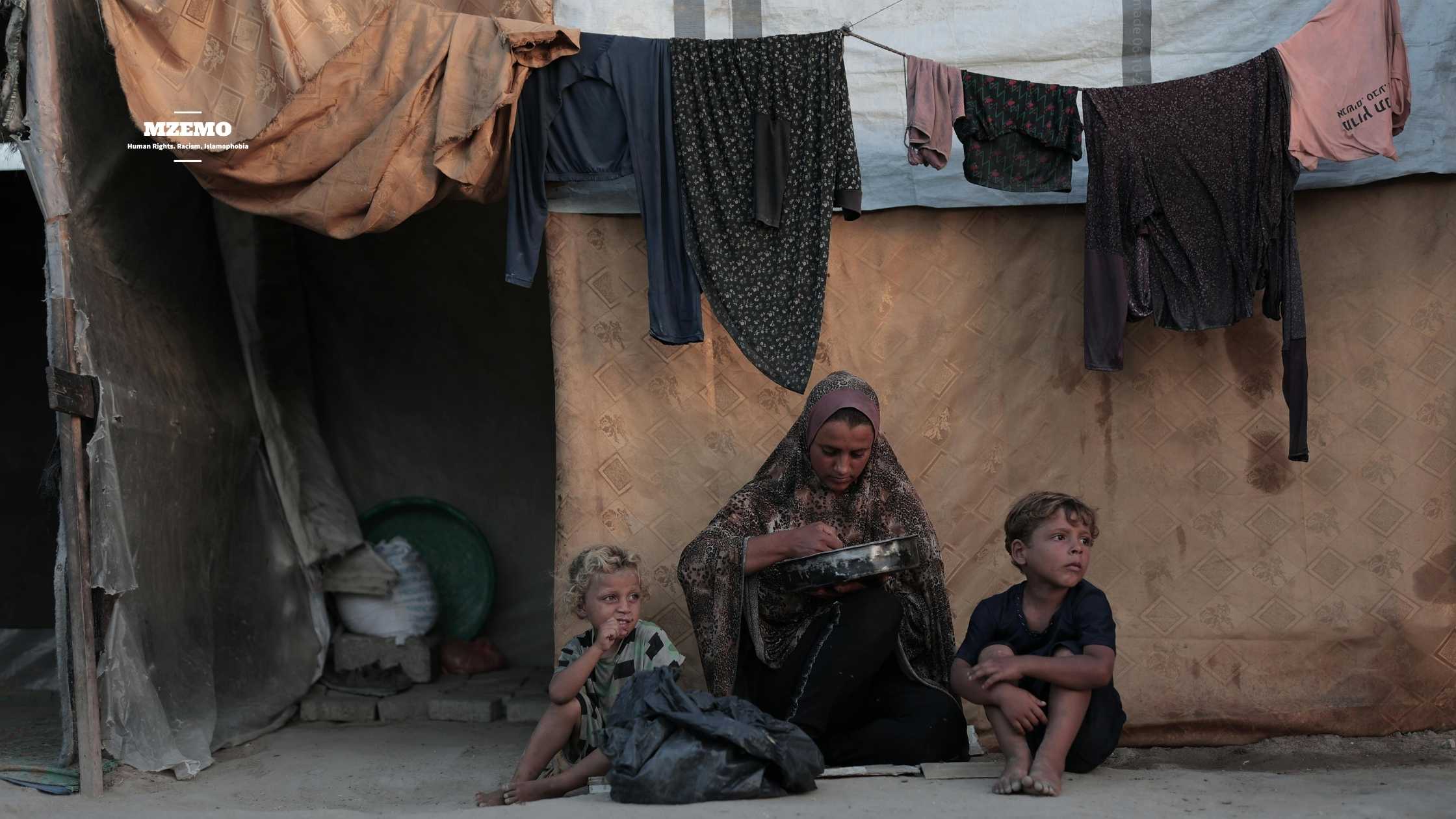
This is not just an abstract map or a political theory. Creation of a Greater Israel is part of Israel’s strategic plans. It is a checkpoint that controls a morning commute, a settlement road that cuts through land, and like a demolition order on a family home. It is a military raid in a refugee camp, and a child born in an abysmal tent. It is the father whose body is forced out of his own grave because settlers claim the land.

When observed together, Gaza, the West Bank, Jerusalem, Lebanon, and the Iranian war are all part of an expanding regime plan.

What “Greater Israel” Looks Like Today

The phrase “Greater Israel” is often connected to the dreams of permanent Israeli sovereignty over all historic Palestine, and even beyond it. But the danger today is not only in speeches or old maps. It is in policy.

The phrase “Greater Israel” is not just limited to Israel and Palestine but even far beyond it. It is to engulf Lebanon, parts of Syria, Iraq, Iran, Saudi Arabia, Egypt, Jordan, and more.

In this context, modern expansion does not always arrive through one dramatic declaration. It comes through:

  • Settlement approvals
  • Land seizures
  • Military zones
  • Settler-only roads
  • Home demolitions
  • Forced displacement
  • Restrictions around holy sites
  • The fragmentation of Palestinian towns
  • Genocide

The language may change, as Israeli leaders may speak of “security,” “sovereignty,” “buffer zones,” or “biblical land.” But the result is completely aligned with the idea of Greater Israel, no matter how many countries have to be demolished.

Gaza’s Genocide and the Logic of Erasure

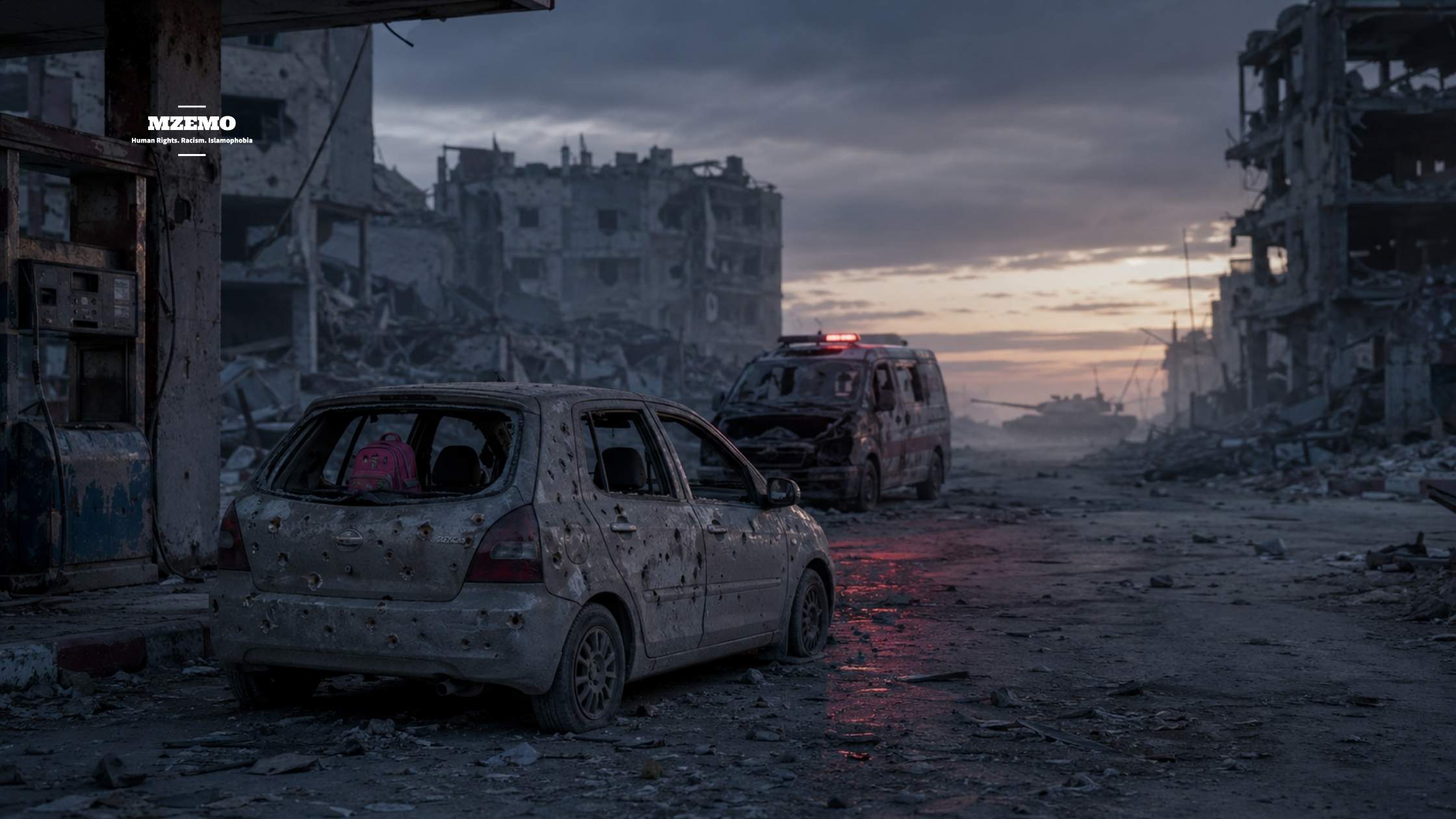
Gaza is the most brutal example of this absurd logic. Israel’s Gaza genocide has not only martyred Palestinians; it has attacked the foundations of Palestinian life itself. Homes, schools, hospitals, mosques, universities, roads, water systems, aid routes, and entire neighborhoods have been reduced to ruins.

In this context, Amnesty International concluded in December 2024 that Israel had seriously committed genocide against Palestinians in Gaza. It cited killings, serious bodily and mental harm, mass displacement, destruction of vital infrastructure, obstruction of aid, and conditions of life calculated to bring about physical destruction.

This matters because genocide is not only measured through death counts. It is also measured through what is made impossible, such as safe birth, clean water, medical care, education, burial, return, shelter, and ordinary family life.

In Gaza, Israel has turned survival into a daily negotiation with hunger, rubble, disease, fear, and displacement.

The West Bank Is Being Annexed Without a Formal Announcement

While Gaza is bombed and starved by Israel, the West Bank is being absorbed through illegal settlements. In March 2026, the UN Human Rights Office said Israel had accelerated unlawful settlement expansion and annexation across the occupied West Bank, including East Jerusalem, forcibly displacing over 36,000 Palestinians amid rising violence by Israeli forces and settlers.

Additionally, Amnesty International warned in February 2026 that Israeli authorities had launched unlawful measures designed to dispossess Palestinians and make annexation of the West Bank “an irreversible reality.” Recent UN findings also noted that nearly 64,000 housing units had been advanced in East Jerusalem and the West Bank. At the same time, the UN warned of a campaign to gain control of Palestinian land with minimal Palestinian presence.

Eventually, piece by piece, the land is being reorganized around Israeli permanence and Palestinian uncertainty.

Jerusalem: The Crown of the Project

East Jerusalem is central to the Greater Israel vision because it carries history, religion, politics, and symbolism. Israel captured East Jerusalem illegally in 1967 and later annexed it, a move widely rejected internationally. Palestinians see East Jerusalem as the capital of their future state.

Yet Palestinian life in the city is steadily squeezed through home demolitions, residency restrictions, settler encroachment, police control, and repeated provocations around al-Aqsa Mosque. Jerusalem Day marches through Palestinian neighborhoods are not innocent celebrations. They are performances of domination in a city where Palestinians are treated as obstacles to someone else’s sovereignty.

For Muslims around the globe, al-Aqsa is not a political prop, but a highly sacred ground. For Palestinians, Jerusalem is not a slogan, but home. Israel’s control over the city is therefore not only territorial. It is psychological and spiritual at the same time.

When it comes to the legal picture, in July 2024, the International Court of Justice said Israel’s continued presence in the occupied Palestinian territory is unlawful and that Israel must end its occupation as rapidly as possible. The court also said Israel should stop settlement activity and evacuate settlers from the occupied territory. But who will enforce these regulations? The real issue is the absence of law and the relentless support of the United States to Israel on the global stage and in the UN through its veto power.

Final Thoughts

In conclusion, if the world keeps treating each Israeli crime as a separate incident, it will miss the larger design. In this context, Palestine is not being lost in one blow. It is being taken piece by piece while the world is watching!

Continue Reading

Featured

Jerusalem Day March: How Israeli Nationalists Turned Palestinian Jerusalem Into a Stage of Hate

Published

on

Jerusalem-Day-March

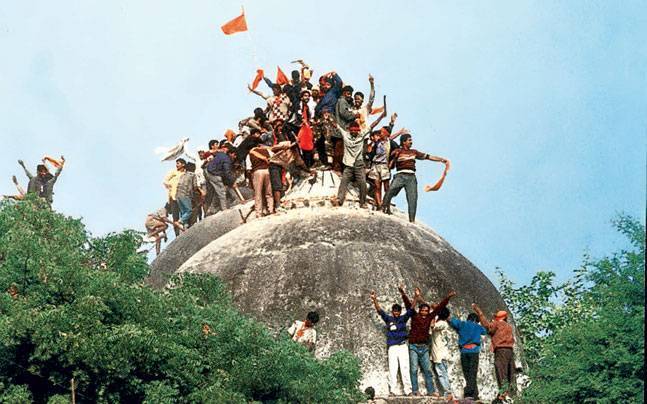
Jerusalem Day is described as a day of celebration for the Israeli people. On the other hand, for Palestinians in occupied East Jerusalem, it feels like a yearly reminder that their streets, homes, and holy places can be turned into a stage for Israeli domination.

On May 14, 2026, thousands of people marched through Jerusalem’s Old City. It is a celebration of Israel’s capture of East Jerusalem in the 1967 war. During the procession, marchers expressed their heinous sentiments with slogans like “Death to Arabs” and “May your villages burn.” So, this was not simply a parade but a message carried through the occupied city.

Islamophobia and Genocide Spoken in the Open

The chants were not a small side issue. They were the heart of what made the march so ugly.

Death to Arabs” is a call of extreme hatred against a people. “May your villages burn” carries an even darker meaning for Palestinians, whose modern history is filled with destroyed villages, forced displacement, refugee camps, demolished homes, and land seizures.

A slogan, “Gaza is a graveyard,” was also heard numerous times during the march. That line is especially cruel while Gaza is still living through genocide, mass displacement, starvation, destroyed hospitals, and entire neighborhoods reduced to rubble.

For Palestinians, these words are not noise, but the public expression of the same mentality that treats Palestinian life as disposable, Palestinian land as available, and Palestinian grief as something to mock.

Al-Aqsa and the Politics of Provocation

The most dangerous part of this march was the provocation around the al-Aqsa Mosque compound. It is undoubtedly one of Islam’s holiest sites and a central symbol of Palestinian identity.

Israeli National Security Minister Itamar Ben-Gvir visited the compound during Jerusalem Day and displayed an Israeli flag. His heinous move challenged human rights and dignity.

This Is Not a One-Day Problem

This march was not unusual for the Palestinians whose lives have been at stake since the occupation and complete annihilation of Gaza. Jerusalem Day marches have repeatedly been associated with racist chants, harassment, and violence.

The march also fits into a wider pattern in East Jerusalem. Just two days after the 2026 march, the Palestinians in al-Bustan, in Silwan, were being forced to demolish their own homes to avoid heavy municipal fees, as part of a project linked to the “King’s Gardenplan. More than 57 homes had already been destroyed, with more scheduled for demolition.

From Jerusalem to Gaza: The Same Mentality

The Jerusalem Day march and Israel’s genocide in Gaza are not the same event, but they come from the same mentality: the belief that Muslims can be controlled, displaced, mocked, or erased without any accountability.

In Gaza, that mentality appears through bombs, starvation, destroyed hospitals, and mass displacement. While in East Jerusalem, it appears through flags in the Muslim Quarter, racist chants, al-Aqsa provocations, home demolitions, and the forced shrinking of Palestinian life.

The human cost of these atrocities appears in simple scenes:

  • A shopkeeper locking his store before the march arrives
  • A child hearing crowds chant against Muslims
  • A family avoiding the Old City because the streets feel unsafe
  • Worshippers seeing al-Aqsa turned into a site of provocation
  • Residents watching security forces protecting marchers instead of Palestinians

A Better Future Requires Ending Atrocities

It is pertinent to say clearly that the problem is not Jewish identity. The problem is Israel’s illegal occupation, Zionist supremacy, and state-backed nationalist domination.

For Muslims, Palestinians, and all people of conscience, al-Aqsa and Jerusalem cannot be defended with seasonal anger alone. They need sustained legal, diplomatic, political, and economic pressure against the occupation.

Final Thoughts

The 2026 Jerusalem Day march exposed the blatant lie of a “united” Jerusalem. How can a city be united with the illegal occupants? Israel clearly captured the sacred city of Jerusalem. A holy city is not honored by chants of death or provocations at al-Aqsa.

Israel’s genocide in Gaza is a clear indication of what these chants would look like in reality. They actually mean every single word of these slogans. Burning the villages means actually burning innocent people to ashes.

Jerusalem will not be free until Palestinians can walk its streets without fear, Muslims can worship at al-Aqsa without provocation, and no child has to hear a crowd call for their people to die.

Continue Reading

Featured

Same Weapons, Same Wounds: How Israel’s Genocide In Gaza Is Reappearing in Lebanon

Published

on

Same-Weapons-Same-Wounds-How-Israels-Genocide-on-Gaza-Is-Reappearing-in-Lebanon

A surgeon can sometimes read a battlefield from the condition of wounds it leaves behind. In Gaza, doctors have described bodies unimaginably pierced by tiny metal fragments that cause far greater damage than the skin first reveals. Unfortunately, similar injuries are now being reported in Lebanon. Although the place has changed, the pattern is becoming familiar.

These are small entry wounds, causing deep internal destruction. While civilians are being pulled from rubble, hospitals are overwhelmed, and Israel calls it “security.” Israel’s ongoing genocide in Gaza has already shown the world what happens when a civilian population is heavily bombed, starved, displaced, and left without a functioning health system.

Lebanon is now witnessing a face of Israel that is not hidden to anyone, as the assault carries many of the same signatures. Although not the same history, geography, or logic, Israel is destroying the conditions of ordinary life and targeting civilian lives as it has been doing in Gaza for years.

The Tungsten Cubes Linking Gaza and Lebanon

One of the most alarming links between Gaza and Lebanon is the use of weapons that release tiny tungsten cubes. These small metal cubes were already seen in Gaza injuries, and these are not just ordinary metal cube fires.

Human Rights Watch also documented similar fragments in Gaza in its 2009 report named “Precisely Wrong.” It found tiny metal cubes, about 3mm on each side, in victims’ bodies and numerous other strike sites. When they brought them into the laboratory, they found that it was tungsten, with traces of nickel and iron. These are usually fired using a Spike Missile.

The real cruelty of this kind of fragmentation is that it is not always visible at first glance. For instance, a person may have small wounds on the outside while the inside of the body is torn apart. These dense metal fragments can rip through organs, blood vessels, nerves, and bone. Especially for children, the elderly, and the people already weakened by hunger or displacement, survival becomes even harder.

Gaza’s Genocide as a Warning

The heinous genocide in Gaza has already shown the full horror of Israel’s cruel methods. Palestinians have been martyred in staggering numbers, entire neighborhoods have been flattened, and families have been buried under concrete.

The suffering did not end with the so-called “ceasefire language.” Even on May 10, 2026, Israeli strikes killed numerous innocent Palestinians. In this context, Gaza’s health officials have highlighted that more than 850 Palestinians have been killed since the ceasefire that was announced in October 2025.

When it comes to the humanitarian figures, the World Food Programme has reported that 1.6 million people, around 77% of Gaza’s population, are facing acute food insecurity. It also includes 100,000 children and around 37,000 pregnant and breastfeeding women. These are not just background statistics but a daily reality of a population being forced to survive without enough food, medicine, shelter, or safety.

Moreover, hospitals in Gaza reflect the same story. Gaza’s entire medical system has been brutally attacked, besieged, deprived of fuel, and overwhelmed by mass injuries. Doctors have performed amputations in absolutely impossible circumstances. Patients have lain on rubble-led floors while premature babies, cancer and dialysis patients, and trauma victims have all been broken by siege and bombardment.

Lebanon Is Seeing the Same Pattern

Unfortunately, Lebanon is now being dragged into the same machinery of destruction. More than 2,700 people had been killed in Lebanon since March 2026, with more than 1.2 million displaced. Israel also struck Beirut even after a ceasefire had been declared, marking a dangerous escalation and exposing how fragile such ceasefires become when Israel continues to reserve the right to bomb.

The strikes have not been limited to empty fields or isolated military positions. On May 9, an Israeli strike on the southern Lebanese town of Saksakiyeh killed at least seven innocent people, including a child, and wounded 15 others. Emergency responders were seen searching through the wreckage.

In addition to that, Israeli airstrikes in southern Lebanon killed people in Toura and Kfar Chouba, including a paramedic, while residents of villages in Tyre province had received evacuation warnings.

Ceasefire Without Safety

The word “ceasefire” has become painfully empty for many Palestinians and Lebanese civilians. In Gaza, a ceasefire did not stop the genocide, including killing, starvation, or fear. While in Lebanon, a ceasefire has not stopped Israeli strikes, displacement, or the expansion of insecurity.

The United Nations warned Israeli strikes in Lebanon may breach the ceasefire, while Lebanese authorities said nearly 2,500 people had already been killed by late April amid heavy damage to civilian infrastructure.

However, the great imbalance of destruction remains central. Gaza has been turned into rubble. South Lebanon is now facing repeated bombardment, village evacuations, damaged infrastructure, and mass displacement. The same vocabulary appears again and again: “targets,” “militants,” “security,” “precision.” Yet beneath that language are innocent families, children, doctors, drivers, farmers, shopkeepers, and rescue workers.

Continue Reading
Advertisement

Trending