Featured
The End of Remote Work: Will Employees No Longer Work From Home?


With the flaring COVID cases, a global health pandemic transformed the way work is done. Homes become new offices, and dining tables become the new workspaces But, now, when the pandemic is seemingly inching towards its end, will it also means an end to remote work?
Is This the end of Remote Work?
Remote work was not a brand-new concept. Though the pandemic skyrocketed the virtual working trends, even before 2020, over 6% of the workforce in the US operated remotely.
But, the remote work culture brought about by the COVID pandemic also shifted the work culture. It made work more inclusive, flexible, and diverse. Mothers who could not commit to eight hours in the office can now log in from home and meet their targets. Specially labeled individuals can now join the workforce from the comfort of their homes.
Not too long ago, work-from-home was touted as the future of work. However, today it is seemingly presented as a thing of the past.
In the United States, Apple has asked its employees to return to the offices for at least three days a week. Apple’s reason: the work-from-office format will help the workforce reconnect with the team and meet new colleagues.
It’s a fair point, and Apple is definitely not alone in this change. Tesla, the world’s biggest e-vehicle company, has now mandated its employees to return to work for at least 40 hours in the office, which makes up five eight-hour work days. Netflix, Goldman Sachs, and many Unicorns are following the lead.
However, after being forced to return to offices, workers at AT&T have started a petition to make the work-from-home policy permanent. Apple employees, too, aren’t happy about the proposed hybrid setup.
But why are companies circling back to in-office setup?
Why Are Companies Mendating Return to Office?
While flexibility and diversity are important, employee productivity is what fuels businesses. But, while working from home works well for individual contributions, teamwork and collaborative projects have suffered.
Bussines are seeing the losses. That’s why they are recalling the employees to offices. In India, for example, 75%-100% of workers have already returned to offices in over 35% of the organizations. Tech, telecom, and consulting sectors have seen the highest rate of return.
But how are employees coping with the change?

Many who complained about blurring lines between professional and personal lives are happy. But, the vast majority do not like the idea of onsite work setups.
Once the person has tasted the comfort of working from home, circling back to the old ways can be difficult. For instance, a survey conducted in April 2022 found that about 64% of workers would prefer to quit if asked to return to work full-time. Plus, 52% would consider taking a pay cut.
Not long before, the great resignation was on the boom. Workers knew they had a fluid job market to leverage. But the Russia-Ukraine war, global energy and food crisis, and the looming recession have changed a lot of things.
The Effect of Mass Layoff and Hiring Freezes
With economies preparing to battle a recession, some of the biggest companies have announced a hiring freeze. Tech-based companies are hit the worst. Many tech giants have announced layoffs or hiring freezes, including:
- Google: At the beginning of 2022, the company declared a recruiting slowdown and a two-week pause on hiring in July.
- Coin base: In June, the company imposed a recruiting freeze. A few weeks later, it laid off over 1,100 workers.
- Microsoft: Starting by reducing hiring, the Unicorns also started letting one of its employees in July.
- Meta (formerly Facebook): The company reduced recruiting of new engineers by 30%. Whereas internal reports highlight that the CEO, Mark Zuckerberg, is also encouraging the staff to consider quitting.
- Twitter: What began with withdrawing job offers, the company laid off 30% of its talent acquisition team in June
And many startups and SMEs have also followed the lead.
With the layoff and lack of recruits, the work pressure on employees is increasing. At Google, for example, Sundar Pichai, CEO of Google, asked its employees to work with “more hunger.” In an anonymous interview by Tech.Co, one of Google’s employees, said,
“The communication has been rude, threatening people to make sure we hit numbers.”
What we are staring at is a fast-closing job market. Under such circumstances, employees are now forced to return to their desks. But, for workers, it means less bargaining power.
If not Remote, then What is the Future of Work?
Fully-remote work culture is dying, for sure. But a complete onsite or work-from-office culture is also not thriving. Even the employers of the world’s most prominent organizations understand that a negotiation is inevitable. But, if not remote or entirely onsite, what will be the future of work?
Hybrid Work Model!
While companies are ready to welcome all their employees back to offices, in the long haul, if businesses want to hire the best talent, they’ll have to meet the employees halfway. Employees today prefer flexible working. Even 87% of US workers say they will pick work from home if given a choice.
Therefore, the business will have to come up with hybrid work models. This means allowing employees to work from home and offices alternatively. Some experts believe even co-location can also become the new norm.
The co-location will enable employees to alternate between different locations across the country while ensuring that at least a portion of the team can work from the offices. Companies like Uber, JP Morgan Chase, Disney, and Ernst & Young have already adopted the model.
So, to answer our question if remote work is dying:
Whether companies like it or not, flexible, remote, and hybrid working is the future.


Featured
Gaza on the Brink Again: How the Rafah Border Closure Is Pushing 2 Million People Toward Extreme Hunger


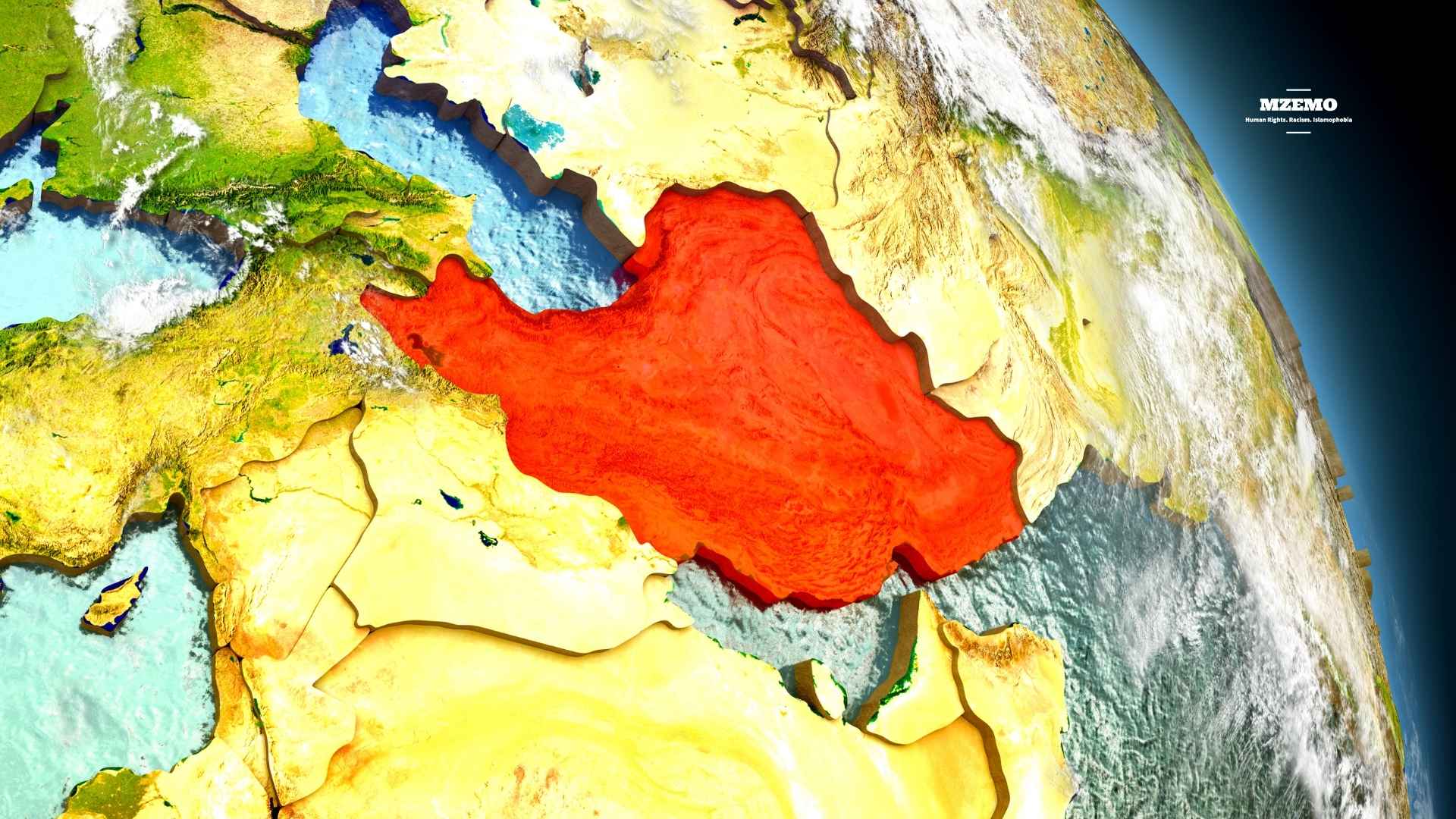
Across the globe, there are two dominating crisis headlines today: Israel’s blatant genocide in Gaza and the ongoing war between Israel-US and Iran. This war is undoubtedly imposed by Israel and the United States, labeling it necessary for peace.
Western governments and media houses frame their policies around the language of “security” and “stability”. There is a pattern of double standards that undermines international law, credibility, and humanity.
On one side stands Gaza, where more than 2.2 million Palestinians are being killed by Israel. It has produced one of the worst humanitarian catastrophes of the 21st Century. On the other hand, stands Iran, a country that is signatory to the Nuclear Non-Proliferation Treaty (NPT) yet faces sanctions, threats, and even attacks on its civilians.
Why are some countries given carte blanche and strategic exceptions while others face relentless punishment?
Gaza: A Genocide in Plain Sight
Since the beginning of Israel’s large-scale assault on Gaza, the humanitarian impact has been staggering. According to Palestinian health authorities and international humanitarian organizations, more than 80,000 Palestinians have been killed, with a large proportion of the victims being women and children.
Entire neighborhoods across Gaza have been reduced to rubble. The United Nations reports that the vast majority of Gaza’s population has been displaced, many of them forced to move multiple times as Israeli military operations expanded across the territory.
This is the purest form of genocide in modern human history. The scale of destruction, starvation, and forced displacement goes far beyond conventional warfare. However, not all media groups are showing the real picture. Western media is showing its unquestioned support for Israel even during the most heinous crimes against humanity.
Western Silence and Political Protection
The United States remains Israel’s closest international ally. According to data from the U.S. Congressional Research Service, Washington provides Israel with approximately $3.8 billion in annual military assistance under long term defense agreements.
Beyond military aid, Western governments have repeatedly shielded Israel from international accountability. In diplomatic arenas such as the United Nations Security Council, attempts to impose sanctions or demand ceasefires have often been blocked or diluted.
This pattern represents a profound contradiction: while Western leaders frequently emphasize human rights and international law, their response to the devastation in Gaza appears far more restrained than in other global conflicts.

Israel’s Nuclear Arsenal: The Middle East’s Open Secret
Another major source of controversy lies in the nuclear dimension of Middle Eastern politics.
Israel is widely believed by international experts to possess between 80 and 200 nuclear warheads, developed through its long-standing nuclear program centered around the Dimona facility in the Negev desert.
Yet Israel maintains a policy known as “nuclear ambiguity” — neither confirming nor denying the existence of its nuclear arsenal.
More importantly, Israel is not a signatory to the Nuclear Non-Proliferation Treaty (NPT), the global framework designed to prevent the spread of nuclear weapons.
Just because it operates outside the NPT system, Israel’s nuclear facilities are not subject to full international inspections by the International Atomic Energy Agency (IAEA).
Despite this reality, Western governments rarely criticize Israel’s nuclear capabilities or call for sanctions related to its weapons program.
Iran and the Nuclear Non-Proliferation Treaty
On the other hand, Iran’s nuclear program exists in a very different legal context.
Unlike Israel, Iran signed and ratified the Nuclear Non-Proliferation Treaty in 1970, which means it is legally permitted to pursue nuclear technology for peaceful purposes such as energy production and scientific research.
Under the NPT framework, Iran’s nuclear facilities are supposed to operate under international monitoring by the International Atomic Energy Agency (IAEA).
Nevertheless, Iran has faced decades of economic sanctions and intense political pressure from Western governments, which argue that its uranium enrichment activities could eventually lead to nuclear weapons development. However, Iranian officials insist that their nuclear program is intended solely for civilian purposes.
Attacks on Iran and the Broader Muslim World
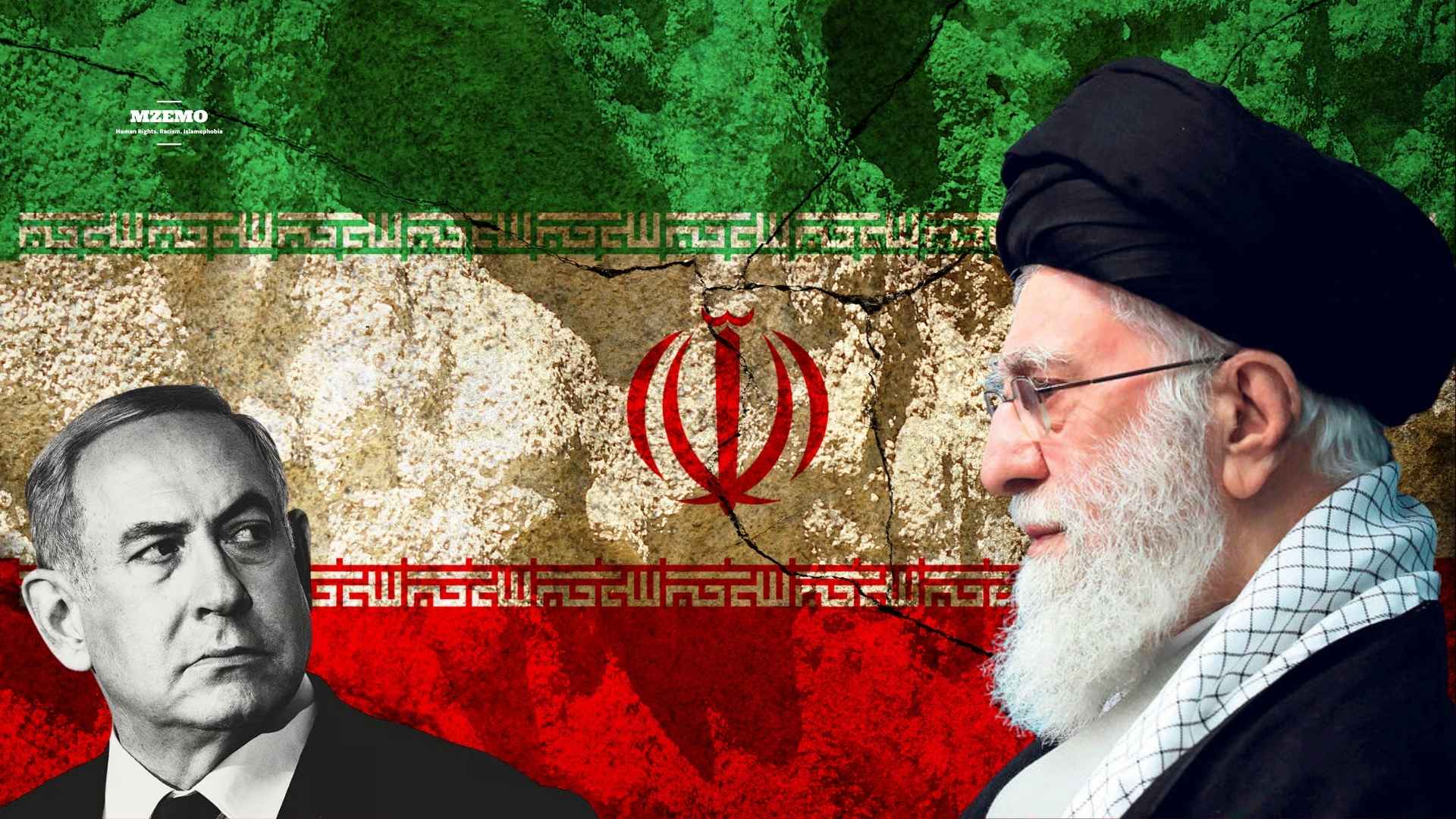
Recent tensions have further escalated the crisis. Israel and the United States have carried out strikes targeting Iranian nuclear facilities, including sites associated with uranium enrichment. The assassination of Iran’s Supreme Leader Ayatollah Ali Khamenei, along with other high-ranking officials show how brutal these strikes are.
Just like in Gaza, Iran’s civilians are also being attacked. One such example is the recent bombing of a girls’ school in Iran in which more than a hundred innocent children and teachers were killed. Such attacks raise serious concerns among international security experts.
Moreover, striking nuclear infrastructure carries enormous risks, including the possibility of radioactive contamination and the potential collapse of global nuclear non-proliferation efforts. Some analysts argue that military attacks on nuclear facilities could actually push targeted states to accelerate weapons development rather than abandon it.
Ultimately, these strikes represent another example of selective enforcement of international norms.
From Gaza to Tehran: A Crisis of Global Credibility
The combined effect of these policies has produced a growing crisis of credibility for the international system.
International law is being applied selectively, enforced strictly against adversaries, while ignored when allies are involved.
From the ruins of Gaza to the nuclear facilities of Iran, the politics of power continue to shape the Middle East in profound ways.
For millions of people across the region, the question is not merely about military strategy or diplomatic rivalry. It is about whether international law truly applies equally to all nations — or whether global justice remains dependent on political alliances.
Until those questions are addressed, the perception of double standards will continue to fuel anger, instability, and distrust across the Middle East and beyond.
Crimes Against Humanity
Shockwaves Across the Gulf: How the US–Israel Strike on Iran Could Redraw the Region
-
 Featured2 years ago
World passively watching as Israel perpetrates open-ended massacre in Gaza
-
Featured3 years ago
Argentina wins the World Cup; are there any other winners?
-
Featured2 years ago
Israel is Hiding Crucial Demographic Facts About Palestinians
-
Featured5 years ago
History of the Ottoman Empire
-
Featured3 years ago
Christian militia infiltrate Lebanon
-
Featured5 years ago
“Do Not Waste Water Even If You Were at a Running Stream” Prophet Muhammad
-
Featured2 years ago
Muhammed: The Greatest Man to walk on Earth
-
Featured4 years ago
World Leaders Remain Silent Over Human Rights Violations in the UAE