Connect with us

Featured

Updates of The Conflict in Syria?‏

Published

on

The war in Syria has been raging for five years. A crisis that began as a local popular uprising turned into a conflict in which players are both inside and outside the country. It has become so difficult to follow.

The American-Russian truce

The truce made by the Russians and the Americans collapsed despite the determination to find a solution to the conflict that has been going on for more than five years.

Over time, the protest movement that started as a shield has turned into a complex conflict, with many players between Syrians and foreigners, each with its own goals and role, at a time when civilians are paying the highest bill for this war.

The result is more than 300,000 dead, thousands missing, millions displaced at home, and refugees abroad. Not to mention massive destruction and a collapsing economy.

What is the role of the Syrian forces?

In contrast to the regime’s forces, several multidirectional armed factions, mostly Islamist, some jihadist, and almost all supported by outside parties.

The Islamic State is exploiting these divisions within the established opposition and controlled large areas of the country.

To counter the expansion of the group, an international coalition set up to conduct airstrikes on specific targets, led by the United States, involving Western powers including France, Middle Eastern actors such as Jordan, and the Kurds.

Where is the conflict now on the ground? Who’s with who? Who against whom? What is Russia’s strategy? What about the international community’s fight against the Islamic State?

The Turkish intervenes in Syria

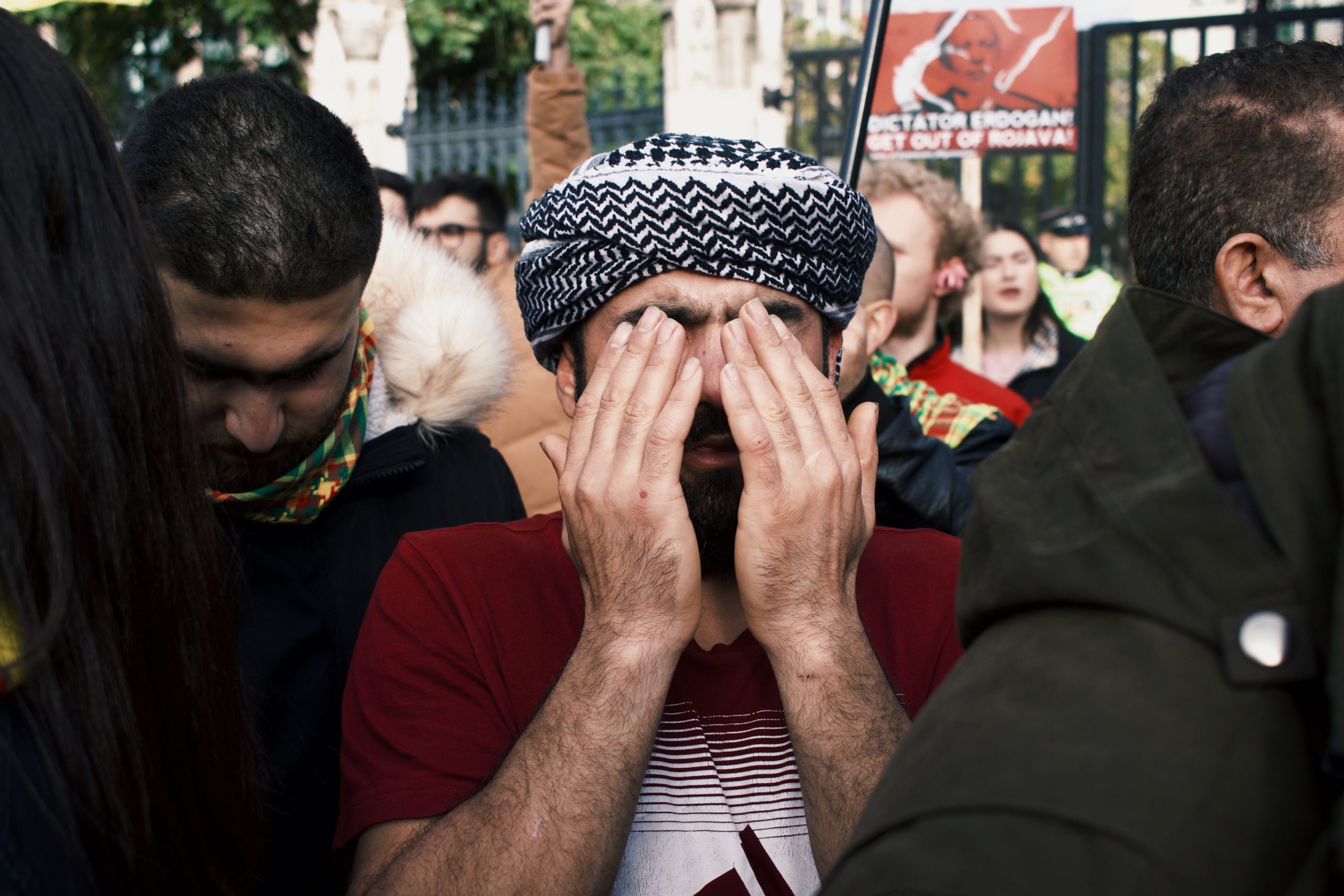
Ankara has officially committed to fighting the Islamic State in Syria through Operation Euphrates Shield. Turkey’s real goal is to stop the Syrian Kurds taking over more territory.

Turkey announced that the opposition factions it supported would continue to advance south.

“As part of Operation Euphrates Shield, 900 km2 was cleared. We can expand this area to 5,000 km2″. Turkish President Recep Tayyip Erdogan said.

Ankara relies on groups such as the Zinke and Sultan Murad Brigades, which rely mainly on Turkmen, an ethnic group of Sunni Muslims close to Turkey, and other opposition factions close to the Muslim Brotherhood such as Jayesh al-Islam.

Kurds Situation

What are the goals of the Kurds?

The Kurds occupy northeastern Syria. Since the start of the Syrian conflict, the Kurdish Democratic Union (KDP), the Syrian branch of the Kurdistan Workers ‘ Party (PKK), which Ankara classifies as a terrorist faction, has been defending the area against any attack, whether by the regime or armed opposition factions.

Since the withdrawal of Syrian regime forces from their territory, the Kurds have been able to regain the independency of their areas. This is what the Damascus government has long rejected in the past.

Given what happened in the city of Haskaah, when fierce fighting broke out between regime and Kurdish factions as they tried to take control of government buildings

On the other hand, fighting the jihadists, the Kurds have managed to control much of the territory and are about to link their three provinces. Afrin, Kobani (Ayn al-Arab), and Jarablus, which has upset Ankara, do not want to create an autonomous Kurdish region in northern Syria near its borders.

Why does Russia support the Kurds?

The Kurds managed to play with two superpowers to make progress towards their goals. They managed to get the Islamic State out of Manbij, despite the fact that the city was outside their areas. And managed to maintain the Azaz crossing where they received Russian support.

According to Fabrice Blanche,

“Putin considers Kurdish nationalism to be the only element capable of bringing about change in the Middle East, essentially weakening Turkey.”

They are able to be effective border guards, to monitor the northern border line through which fighters, jihadists and ammunition enter, thus energizing Syrian and Russian efforts to retake their positions.

Why does the United States support the Kurds?

Washington sees the Kurds as the best ally on the ground against IS, as the Americans have so far failed to rely on opposing factions.

Squad 13 and the Hamza Brigades, supported by Washington at one point, were eliminated by Jabhat al-Nusra, which took control of the Tao missiles that Washington had provided to the opposing factions.

The Israeli conflict with Syria

Some believe that the fall of Assad will weaken Iran, Israel’s number one enemy, but the arrival of Islamists to rule is worrying.

Israel wants to protect the Golan, the Syrian region it annexed in 1981. Since the start of the Syrian conflict, missiles have been dropped from the Syrian interior on the Golan, without the possibility of identifying the shooter, whether the armed opposition or the regime and every time Israel responded by bombing positions in Syria.

Continue Reading
Click to comment

Leave a Reply

Your email address will not be published. Required fields are marked *

Featured

Gaza Flotilla Activists Face Extreme Israeli Abuse as the World Watches the Blockade’s Brutality

Published

on

Credit-Courtesy-Gulcin-Bekar

The Global Sumud Flotilla, which was made up of 40 vessels, tried to sail towards Gaza with much-needed humanitarian aid and a direct challenge to Israel’s blockade. Unfortunately, Israeli forces intercepted the boats in international waters and detained around 430 activists.

It is not a story of a blocked aid mission but a collection of facts revolving around intense abuse, humiliation, anger, and a brutal reminder of what Gaza’s blockade really means. For the people of Gaza, the flotilla is a symbol of hope, but for Israel, it is being perceived as a threat to its heinous genocidal mission.

A Hope Against the Siege

For decades, Gaza’s people have lived under an intense blockade that restricts movement, controls access to goods, separates families, and turns humanitarian relief into a political bargaining tool. Since Israel’s genocide in Gaza intensified, the siege has become even deadlier.

Hunger, destroyed hospitals, mass displacement, disease, and extreme shortages of fuel and medicine now shape daily life. This is why flotilla mattered, but the question that the world is asking is legitimate: Why should food, medicine, and solidarity be treated as crimes?

The flotilla, as a hope for the people of Gaza, who are suffering from famine and diseases, was intercepted by Israel about 250 miles or roughly 400 km off Gaza’s coast. These aid vessels were still far from Gaza when Israeli forces illegally captured them from international waters.

Analysts are highlighting that these flotilla activists, who volunteered from more than 40 countries, were not entering an Israeli city or attacking any military base. In fact, they were sailing through open waters to help innocent people who were dying of extreme hunger and bombardment.

Extreme Abuse by Israel

After the release of some of the detainees, they described inhumane treatment that had never been imagined before. South African activists highlighted that they were electrically shocked, denied water, food, and toilets, and were kept in abysmal conditions.

Moreover, most of the activists said that they were sexually assaulted in a very harsh manner. Some other activists also reported extreme beating and humiliation. For example, 15 cases of sexual assault, including rape, have been reported during May 2026.

Ben-Gvir Turned Humiliation into Spectacle

The most shameful moment came from Israeli minister Itamar Ben-Gvir. Even the government of France banned him from entering French territory after he taunted zip-tied detainees and waved an Israeli flag over them. France’s foreign minister called his actions “unspeakable,” and Poland also imposed a five-year ban.

He also shared footage of restrained activists, triggering international outrage and calls for broader European sanctions.

This was not hidden mistreatment accidentally exposed. It was deliberately performed, and the minister chose to stand over bound detainees and turn their humiliation into a political message.

When a genocidal state official proudly films powerless detainees, cruelty is no longer a secret, but a policy theatre.

Airport Violence Added Another Layer

It did not end with unlawful detention and punishment, as another episode of extreme humiliation was shown at the airport. At the Bilbao Airport, after some activists returned from Israeli detention, police harshly beat them. Videos showed some police officers brutally beating and dragging humanitarian activists.

This was just a glimpse of how Israel treats people who come to help humanity. They were maltreated in such an inhumane way to make them an example for the world. Anyone who comes to Gaza to help people will either be killed or detained in death-like prisons.

In this scenario, words are not enough as Palestinians remain heavily trapped, and those trying to reach them are harshly beaten, detained, deported, or killed. Condemnation must turn into legal action, sanctions, arms restrictions, diplomatic costs, and pressure to end the genocide.

The World Saw the Blockade’s Face

Israel may deny everything, but the world knows about its genocidal policies far better than ever before. It may deport activists and call the flotilla a provocation, but this episode revealed something the world should not unsee.

Even some activists from Brazil and Spain are still detained by Israel, and they are being punished in unprecedented ways. In this regard, Amnesty International also reported several injuries to these flotilla activists during detention.

After observing all this, one thing is certain: Israel is trying to eliminate Palestine from the world map and make every effort to stop necessary aid from reaching Gaza. Nobody can imagine the instances of cruelty by Israel in the 21st century. Even the International Court of Justice has urged this prolonged genocide to be stopped as soon as possible; otherwise, life in Gaza is under extreme threat.

Gaza’s isolation is being enforced with extreme cruelty. This time, the world did not have to imagine it. It is already watching!

Continue Reading

Featured

Gaza’s Disease Crisis: How Hunger and Siege are Burning Children’s Skin

Published

on

Gazas-Disease-Crisis-How-Hunger-Filth-and-Siege-Are-Burning-Childrens-Skin

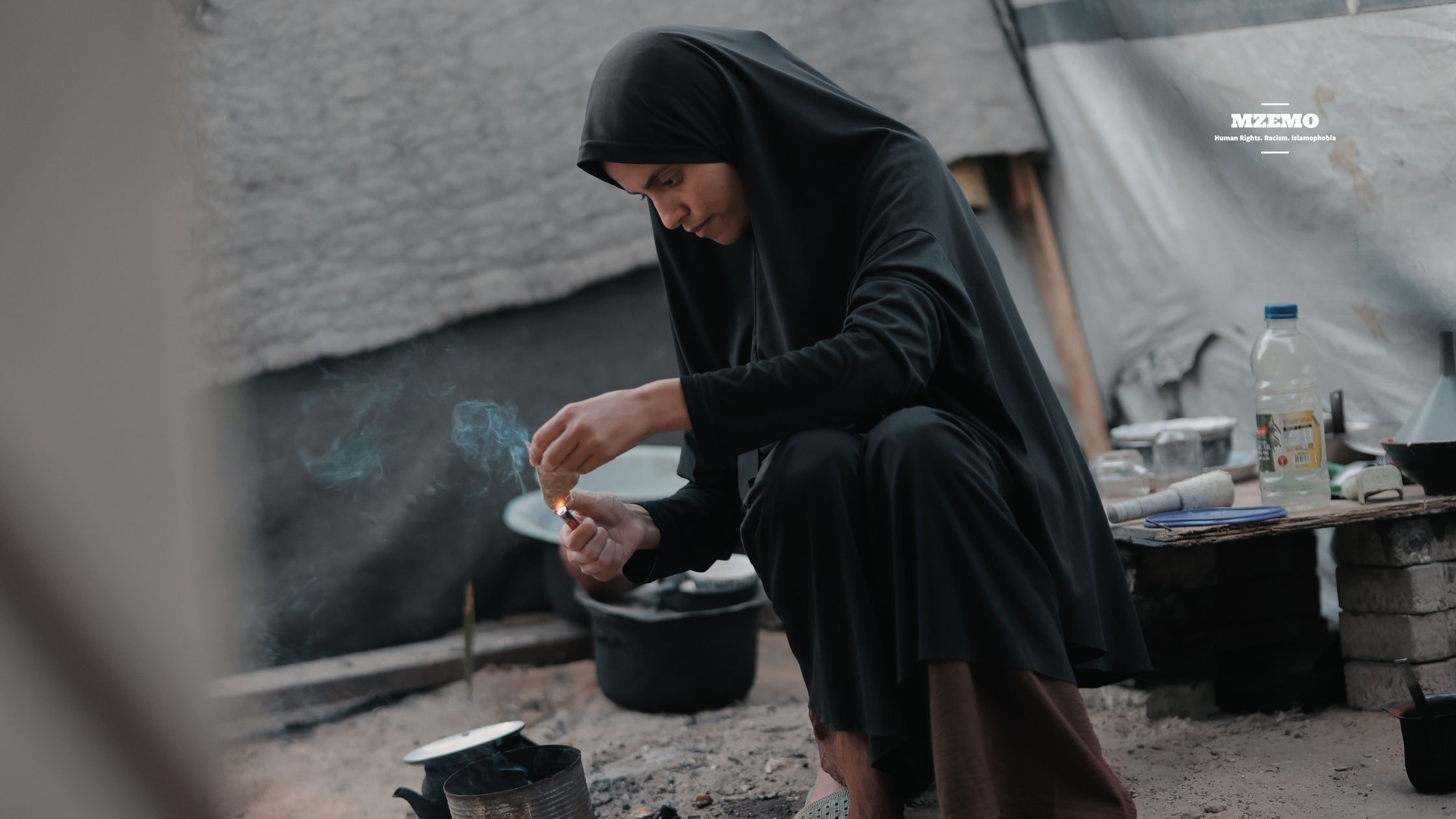
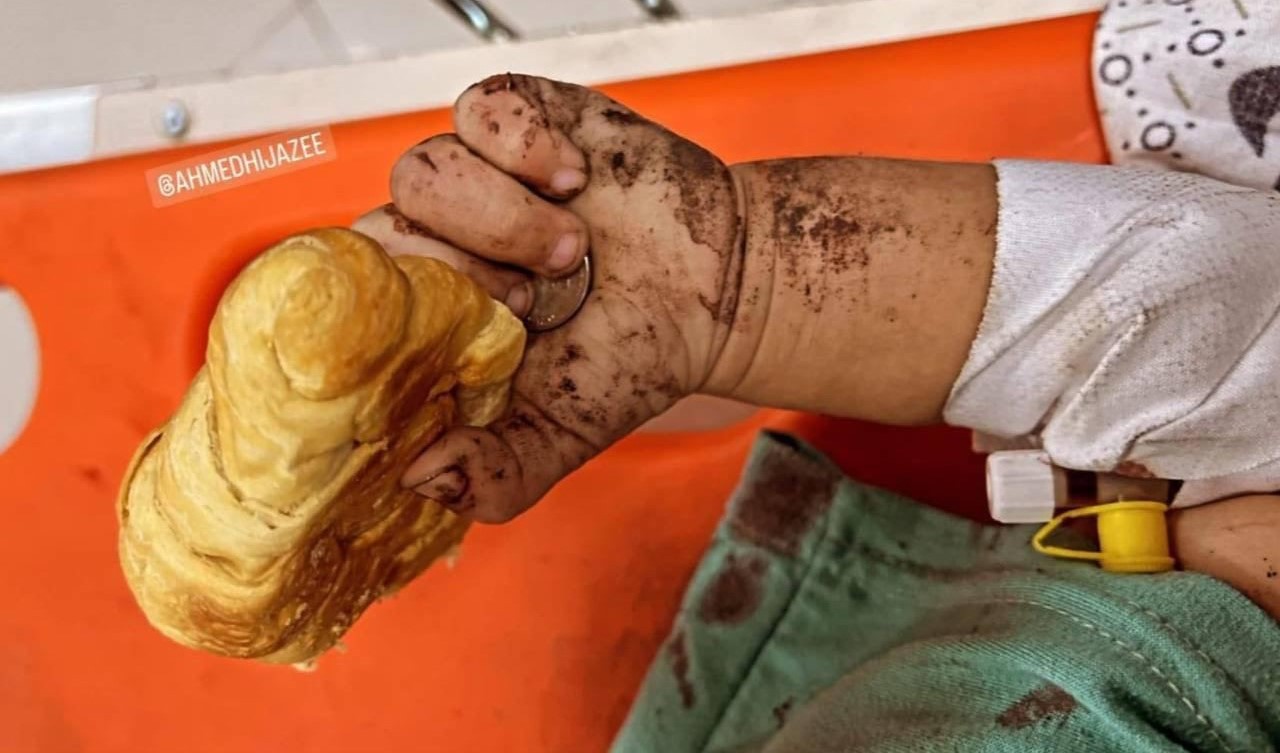
In Gaza, children’s skin is now the harbinger of uninhabitable conditions and a brutal siege. Painful rashes, infections, scabies, sores, and wounds are spreading throughout Gaza. This is mainly due to overcrowded camps where families have a shortage of water, food, medicine, and almost no safe space left to live.

Credible reports also highlight that children in Gaza are suffering from severe, burn-like rashes as skin diseases surge in most displacement camps. Although adults are suffering from these diseases too, the crisis is hitting children the hardest because they have less immunity.

Moreover, healthcare services have collapsed, shelters are overcrowded, and families are unable to access necessities like water, soap, medicine, or even proper nutrition. In fact, it is not a natural health crisis, but a manifestation of what happens when bombing, blockade, hunger, sewage collapse, waste piles, insects, heat, and medical shortages are enforced.

Ultimately, Gaza’s innocent children are not only surviving genocide, but also unprecedented diseases that the genocide is leaving behind.

An Unusual Rash That Tells a Bigger Story

A skin infection may sound insignificant compared with air strikes and famine, but in Gaza, it is not small.

A painful rash on a properly nourished child with clean water, soap, and a clinic nearby can be treated adequately. But a deadly rash on a malnourished, famine-driven child in a hot tent, surrounded by sewage, insects, and garbage, can become a painful and dangerous infection. Parents are watching their children with bleeding skin, while hospitals are obliterated and no longer exist.

Skin diseases are spreading throughout Gaza’s camps. As summers are approaching, healthcare workers fear more deadly consequences than in 2024, when at least 150,000 people suffered from severe skin diseases.

Hunger Weakens Children Before Disease Arrives

Undoubtedly, hunger makes every illness worse. Malnourished children have weaker immune systems, slower healing, and less ability to fight infections.

The IPC projected that nearly 71,000 children under five in Gaza would be acutely malnourished between April 2025 and March 2026, including 14,100 severe cases.

Moreover, it is estimated that nearly 17,000 pregnant and breastfeeding women would need treatment for acute malnutrition. That means thousands of children are facing disease with bodies already weakened by starvation.

Sewage, Waste and Insects Are Feeding the Crisis

Gaza’s damaged sanitation system is also driving the spread of severe diseases. OCHA reported that only 16 of Gaza’s 73 sewage pumping stations were operational. About 40,000 cubic metres of sewage per day were being discharged into the sea, residential areas, and groundwater.

This is not only an environmental disaster but a direct assault on people’s health. Sewage contaminates living areas, spreads bacteria, attracts insects, and makes basic hygiene almost impossible.

In addition to sewage, solid waste is another danger. OCHA also reported that about 470,000 cubic metres of waste had accumulated in southern Gaza alone, creating severe congestion and raising fire and health risks as summer heat builds.

UNRWA has also reported increases in ectoparasitic diseases such as scabies, while poor water, sanitation, and hygiene conditions continue to drive infestations and infections.

For displaced families, this means tents beside garbage, children sleeping near insects, and parents trying to wash wounds with water that may itself be unsafe.

Israel Is Turning Camps into Disease Traps

Heat makes everything worse. It increases sweating and irritation, promotes insect breeding, accelerates waste decay, and turns tents into suffocating spaces where people cannot rest, recover, or stay clean.

In normal conditions, summer requires more water, more hygiene, and better shelter. Gaza has the opposite: less water, fewer hygiene supplies, overcrowded camps, and a shattered health system.

Palestinian families also have the right to clean clothes, safe toilets, shaded shelter, and medical care. Unfortunately, they have none of these. At first, a child’s skin becomes irritated by heat, then infected by scratching, then worsened by dirt, flies, and untreated wounds. What begins as discomfort becomes another layer of human suffering.

Firstly, Israel pushed the people of Gaza towards abysmal displacement camps after bombing the entire strip. Then it deliberately stopped water, food, and all basic human necessities from reaching those people. In fact, it is the worst form of genocide the world has ever witnessed.

Healthcare Cannot Keep Up

Gaza’s remaining doctors are facing multiple crises at once, including burns, amputations, trauma, dehydration, infections, maternal emergencies, and disease outbreaks.

The World Health Organization reported that by August 2025, 34 of Gaza’s 36 hospitals had been damaged and only 18 were partially functioning. It also said only 39 percent of Gaza’s primary healthcare facilities were functioning.

Moreover, treatment for injured Gaza children has been threatened by Israeli restrictions on supplies and aid organizations.

Now, the need of the hour is to provide clean water, hygiene kits, antibiotics, antifungal medicines, antiseptics, and dermatology treatments at first. There should also be fuel for sewage systems, waste-removal equipment, safer shelters, adequate food supplies, and nutrition support for innocent children and mothers.

In a nutshell, these surging deadly diseases are a warning the world should not ignore. When hunger, heat, blockade, and genocide are allowed to continue, disease becomes another weapon against childhood. These wounds are not only some medical symptoms, but the proof of a system that has made survival extremely painful.

Continue Reading

Featured

The Greater Israel Project: Gaza’s Genocide and Expansionist Designs

Published

on

The-Greater-Israel-Project-How-Settlements-Annexation-and-Gazas-Destruction-Reveal

Israel does not need to announce a “Greater Israel” project formally, but its heinous actions are already acting as a harbinger of that. It is visible in the bombed neighborhoods of Gaza and the expanding settlements of the West Bank. Moreover, it is conspicuous after observing the suffocating control of East Jerusalem, and the graves, homes, farms, roads, and villages that Palestinians keep losing piece by piece.

This is not just an abstract map or a political theory. Creation of a Greater Israel is part of Israel’s strategic plans. It is a checkpoint that controls a morning commute, a settlement road that cuts through land, and like a demolition order on a family home. It is a military raid in a refugee camp, and a child born in an abysmal tent. It is the father whose body is forced out of his own grave because settlers claim the land.

When observed together, Gaza, the West Bank, Jerusalem, Lebanon, and the Iranian war are all part of an expanding regime plan.

What “Greater Israel” Looks Like Today

The phrase “Greater Israel” is often connected to the dreams of permanent Israeli sovereignty over all historic Palestine, and even beyond it. But the danger today is not only in speeches or old maps. It is in policy.

The phrase “Greater Israel” is not just limited to Israel and Palestine but even far beyond it. It is to engulf Lebanon, parts of Syria, Iraq, Iran, Saudi Arabia, Egypt, Jordan, and more.

In this context, modern expansion does not always arrive through one dramatic declaration. It comes through:

  • Settlement approvals
  • Land seizures
  • Military zones
  • Settler-only roads
  • Home demolitions
  • Forced displacement
  • Restrictions around holy sites
  • The fragmentation of Palestinian towns
  • Genocide

The language may change, as Israeli leaders may speak of “security,” “sovereignty,” “buffer zones,” or “biblical land.” But the result is completely aligned with the idea of Greater Israel, no matter how many countries have to be demolished.

Gaza’s Genocide and the Logic of Erasure

Gaza is the most brutal example of this absurd logic. Israel’s Gaza genocide has not only martyred Palestinians; it has attacked the foundations of Palestinian life itself. Homes, schools, hospitals, mosques, universities, roads, water systems, aid routes, and entire neighborhoods have been reduced to ruins.

In this context, Amnesty International concluded in December 2024 that Israel had seriously committed genocide against Palestinians in Gaza. It cited killings, serious bodily and mental harm, mass displacement, destruction of vital infrastructure, obstruction of aid, and conditions of life calculated to bring about physical destruction.

This matters because genocide is not only measured through death counts. It is also measured through what is made impossible, such as safe birth, clean water, medical care, education, burial, return, shelter, and ordinary family life.

In Gaza, Israel has turned survival into a daily negotiation with hunger, rubble, disease, fear, and displacement.

The West Bank Is Being Annexed Without a Formal Announcement

While Gaza is bombed and starved by Israel, the West Bank is being absorbed through illegal settlements. In March 2026, the UN Human Rights Office said Israel had accelerated unlawful settlement expansion and annexation across the occupied West Bank, including East Jerusalem, forcibly displacing over 36,000 Palestinians amid rising violence by Israeli forces and settlers.

Additionally, Amnesty International warned in February 2026 that Israeli authorities had launched unlawful measures designed to dispossess Palestinians and make annexation of the West Bank “an irreversible reality.” Recent UN findings also noted that nearly 64,000 housing units had been advanced in East Jerusalem and the West Bank. At the same time, the UN warned of a campaign to gain control of Palestinian land with minimal Palestinian presence.

Eventually, piece by piece, the land is being reorganized around Israeli permanence and Palestinian uncertainty.

Jerusalem: The Crown of the Project

East Jerusalem is central to the Greater Israel vision because it carries history, religion, politics, and symbolism. Israel captured East Jerusalem illegally in 1967 and later annexed it, a move widely rejected internationally. Palestinians see East Jerusalem as the capital of their future state.

Yet Palestinian life in the city is steadily squeezed through home demolitions, residency restrictions, settler encroachment, police control, and repeated provocations around al-Aqsa Mosque. Jerusalem Day marches through Palestinian neighborhoods are not innocent celebrations. They are performances of domination in a city where Palestinians are treated as obstacles to someone else’s sovereignty.

For Muslims around the globe, al-Aqsa is not a political prop, but a highly sacred ground. For Palestinians, Jerusalem is not a slogan, but home. Israel’s control over the city is therefore not only territorial. It is psychological and spiritual at the same time.

When it comes to the legal picture, in July 2024, the International Court of Justice said Israel’s continued presence in the occupied Palestinian territory is unlawful and that Israel must end its occupation as rapidly as possible. The court also said Israel should stop settlement activity and evacuate settlers from the occupied territory. But who will enforce these regulations? The real issue is the absence of law and the relentless support of the United States to Israel on the global stage and in the UN through its veto power.

Final Thoughts

In conclusion, if the world keeps treating each Israeli crime as a separate incident, it will miss the larger design. In this context, Palestine is not being lost in one blow. It is being taken piece by piece while the world is watching!

Continue Reading
Advertisement

Trending