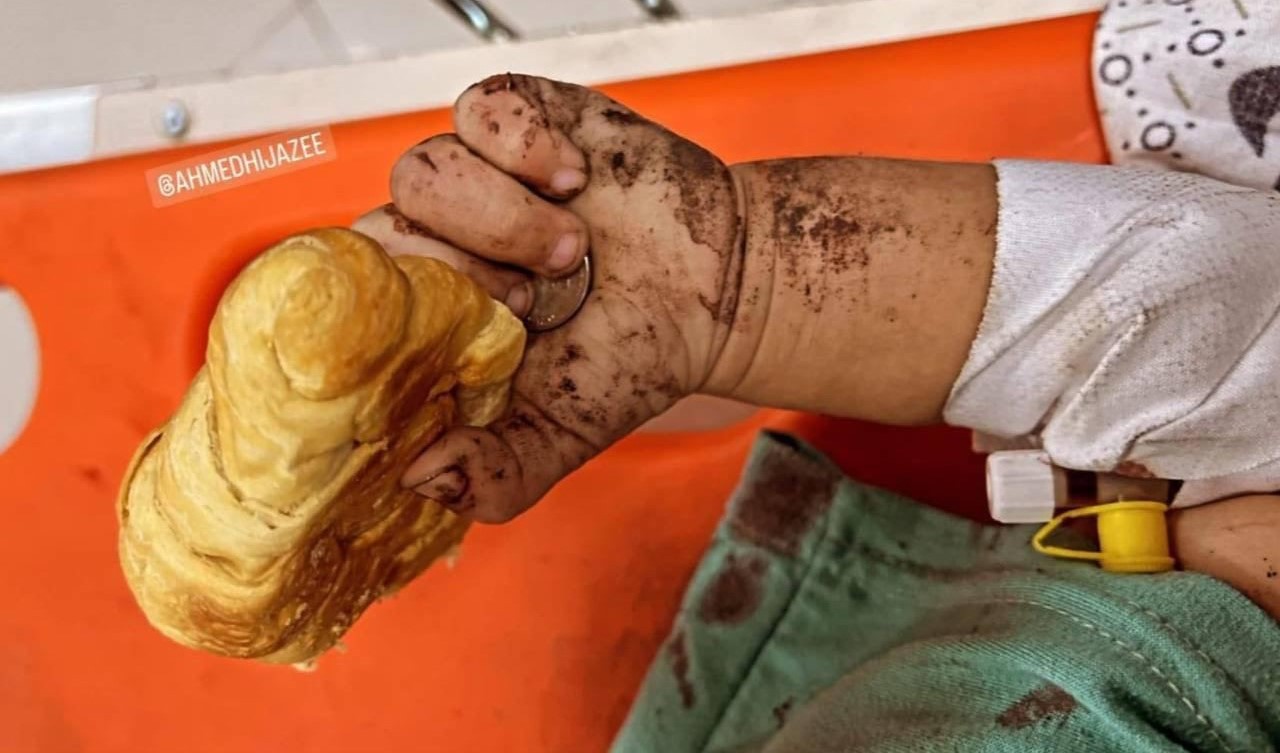
Gaza’s future is being discussed in rooms far from the people still living inside its ruins. At the United Nations General Assembly in New York this year, diplomats spoke about recovery, reconstruction, governance, aid, security, and statehood. Plans were presented, statements were issued, and powerful governments tried to shape what comes after Israel’s genocide in Gaza.
Yet Palestinians in Gaza remain trapped between destroyed homes, restricted movement, unreliable aid, and the fear that international promises will become another layer of control. The question is not whether the world can announce another plan. The question is whether Palestinians will be allowed to rebuild their own future with freedom and dignity.
A Recovery Plan With Big Numbers
On the sidelines of UNGA, Trump’s Board of Peace presented a six-month Gaza recovery plan worth $2.45 billion. The proposal includes 66 programmes covering infrastructure, economic recovery, human development, digital systems, legal affairs, peace and security.
Although the numbers sound large, Gaza’s destruction is far larger. The plan estimates physical damage at $35.2 billion, while full recovery and reconstruction may require about $71.4 billion over the next decade. That gap alone shows how limited a short-term package can be.
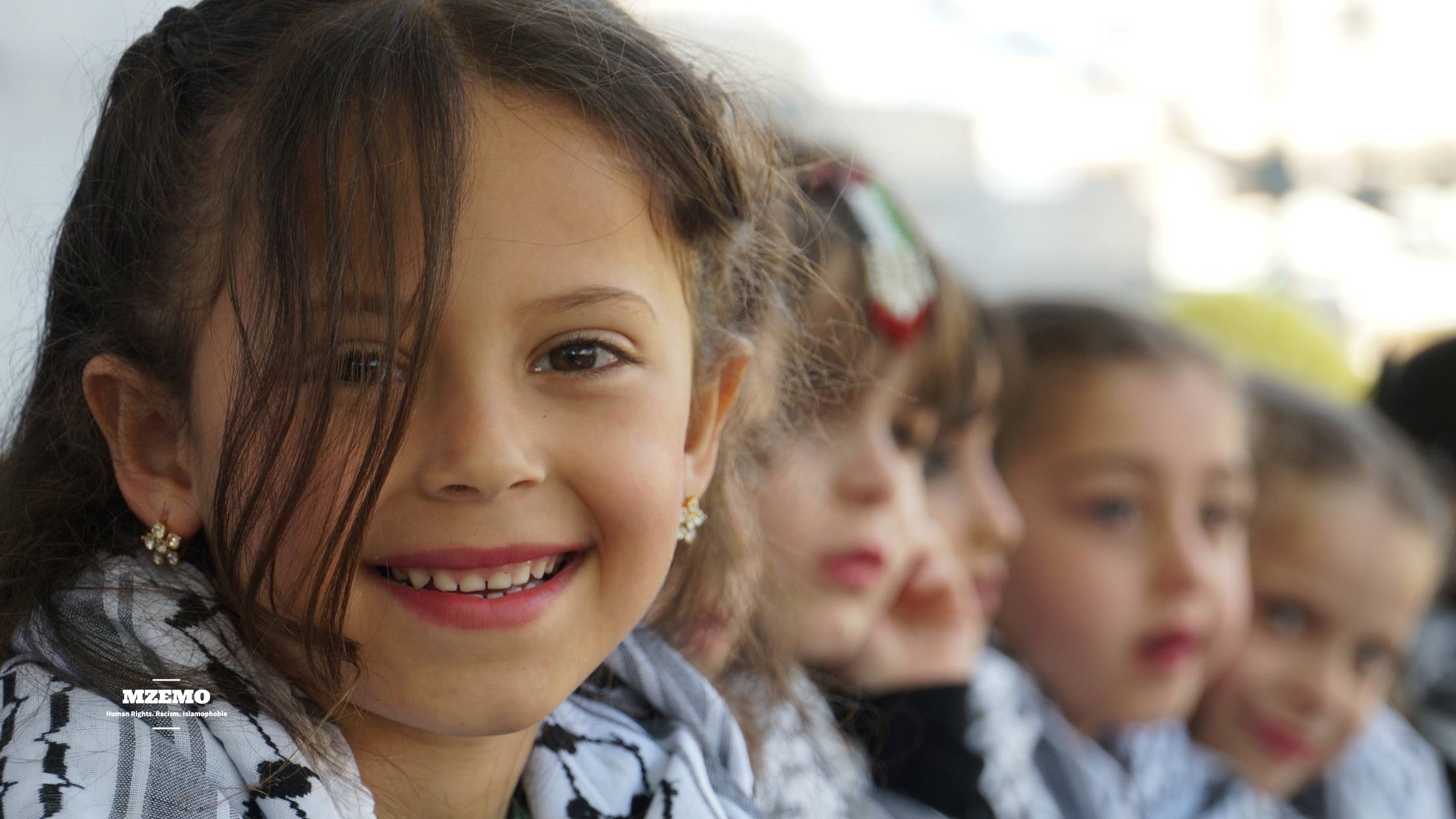
More importantly, Gaza is not only short of money. In fact, it is short of freedom. Roads cannot be repaired without machinery. Hospitals cannot function without fuel, medicine, and safe supply routes. Likewise, schools cannot reopen properly when children are displaced, teachers are living in tents, and families fear another heinous Israeli attack.
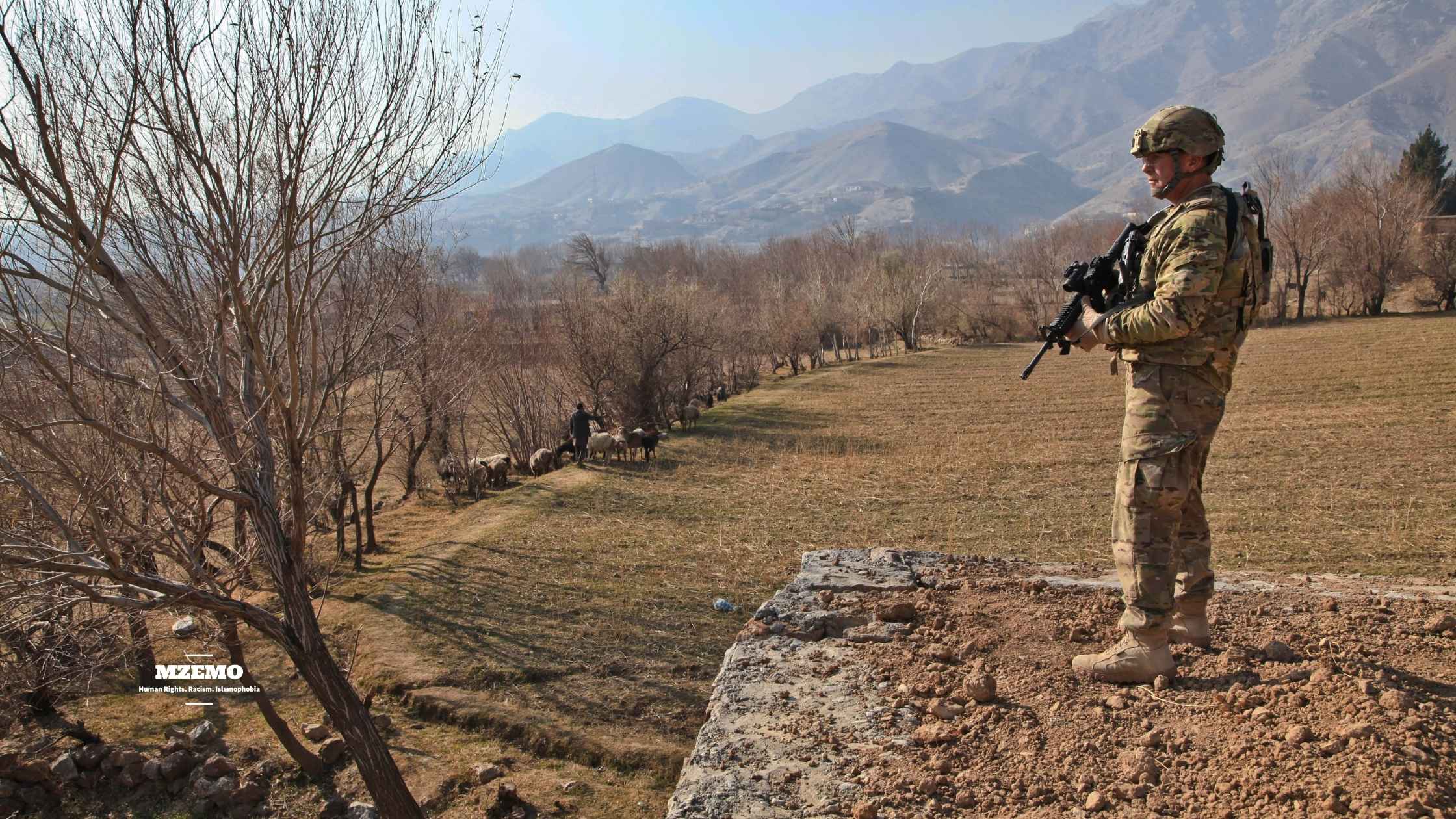
A recovery plan cannot work if Gaza remains under genocide, siege, military pressure, and political uncertainty.
International Support Still Faces Israel’s Control
Foreign ministers from numerous Islamic countries, including Qatar, Egypt, Jordan, the UAE, Indonesia, Pakistan, Türkiye and Saudi Arabia also met in New York during UNGA and expressed concern over Gaza’s ongoing genocide and suffering. They extended their support for the recovery efforts but also called on Israel to fulfil its commitments, including safe aid access, early recovery supplies and rehabilitation of critical infrastructure.
These statements show that major Arab and Muslim countries want Gaza’s genocide kept on the global agenda. It also links recovery with Palestinian self-determination and statehood.
However, statements cannot rebuild Gaza if Israel still controls the practical conditions of life illegally.
Netanyahu’s Election Shadow
These UNGA discussions are taking place as Israel heads towards its October 27, 2026 election. Netanyahu is again campaigning as Israel’s protector, using familiar security language despite the failures exposed by October 7 and the global backlash over Gaza genocide.
This matters a lot because Israeli elections often turn Palestinian life into campaign material. Gaza’s reconstruction, Israeli withdrawal, humanitarian access and Palestinian governance can all be delayed or hardened when politicians compete to appear tougher.
At the UN, Netanyahu defended Israel while many delegates walked out. He framed Israel’s genocides as a fight across several fronts, trying to shift attention from Palestinian civilians to Israel’s security narrative. But the destruction of Gaza cannot be hidden behind campaign language. Israel’s genocide has left Palestinians without homes, hospitals, schools, safety, and normal life that is apparent.
Gaza Is Not a Bargaining Chip
Gaza is now tied to a wider Middle East struggle involving Israel, Iran, Lebanon, Yemen, Red Sea routes, US strategy, Arab normalisation, and Gulf diplomacy. Powerful states treat Gaza as one file in a regional settlement.
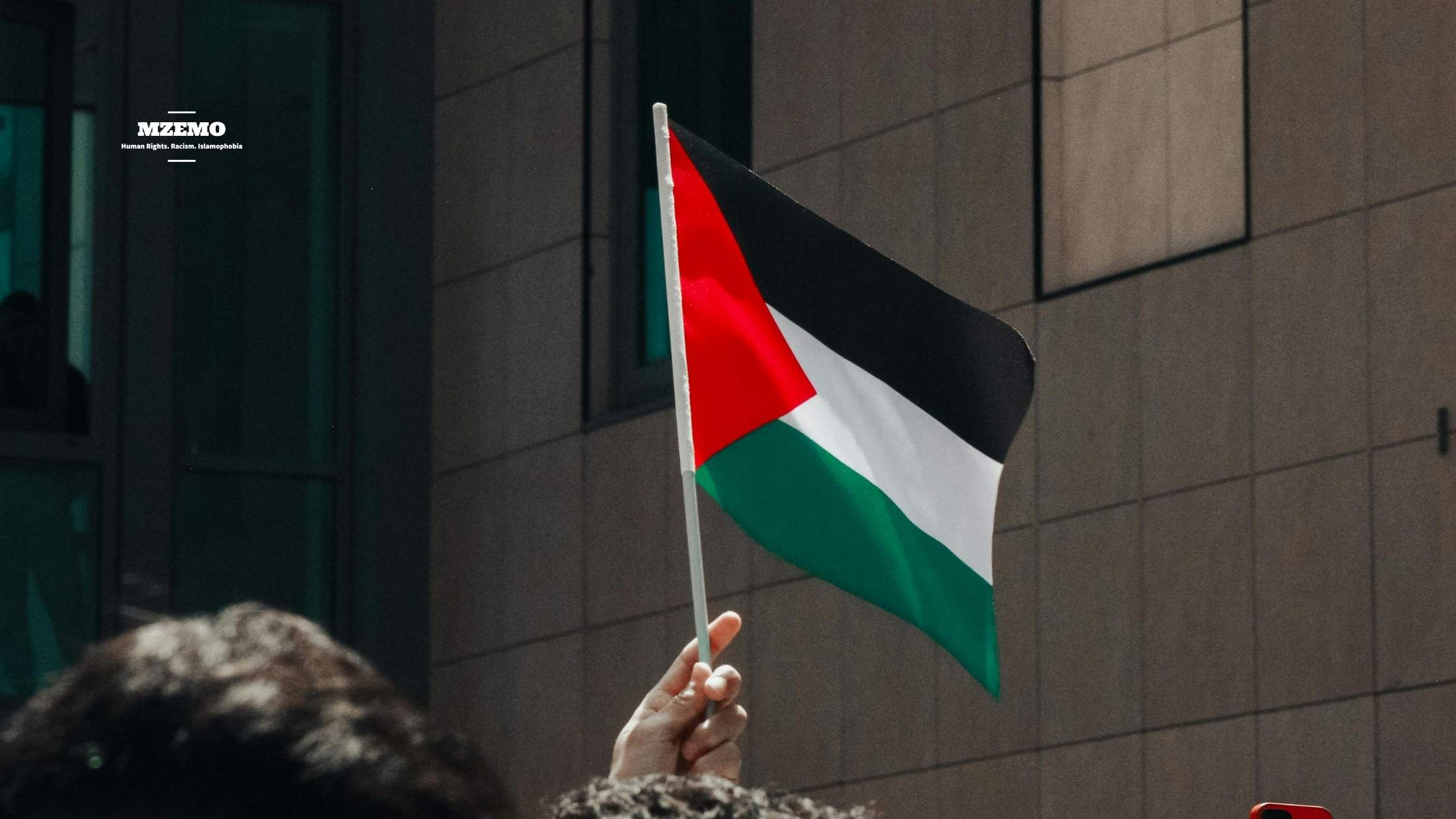
But in reality, Palestinians are not bargaining chips. They are the people whose land was destroyed, children were killed, homes were turned into rubble, and the future is being discussed without enough Palestinian power in the room.
Recovery or Control?
There is a significant difference between rebuilding Gaza and managing Gaza.
Rebuilding means restoring homes, hospitals, schools, water, electricity, jobs, movement, and Palestinian political rights. While managing means controlling aid, delaying materials, conditioning governance, and keeping Palestinians dependent on permission.
The Board of Peace plan may become useful if it opens the way to real reconstruction, Palestinian unity and freedom. But if it rebuilds selected projects while Israel keeps control, it risks becoming another mechanism for managing Palestinians inside a destroyed territory.
In fact, Gaza does not need to be treated forever as a humanitarian project. It needs to be rebuilt as part of a free Palestine.
In a nutshell, UNGA speeches, recovery funds and international statements will matter only if they lead to Palestinian return, reconstruction, self-determination and safety. Gaza’s future cannot be built in New York alone. It must be built by Palestinians, in Palestine, with freedom at the centre.