The United Nations Relief and Works Agency for Palestine Refugees in the Near East (UNRWA) was established to provide humanitarian support to the people of Palestine, especially in Gaza. However, this life-saving agency does not need to announce its collapse for Palestinian refugees to feel it. A clinic can shorten its critical hours, a school can lose teachers, and a family can suffer unimaginably due to the shortage of food, shelter, and life-saving medication.
On 30 June 2026, UN Secretary General António Guterres warned that this critical UN agency was approaching a “breaking point”. This is due to a funding gap of $100 million and restrictions by Israel. Due to this unfortunate happening, UNRWA had already reduced service hours by twenty percent. Moreover, they had cut local salaries and left 15% of international posts vacant. In 2025 alone, it received just $829 million against stated needs of $3.3 billion.
An Agency Created Because Displacement Was Never Resolved
UNRWA was established in 1949 after about 700,000 Palestinians were driven from or fled their homes during the Nakba. It was meant to provide much-needed humanitarian relief while the refugee question awaited a reliable solution. More than 75 years later, that solution has not arrived.
In fact, around 5.9 million Palestinians are registered with the agency across Gaza, the occupied West Bank, including East Jerusalem, Jordan, Lebanon, and Syria. UNRWA employs about 30,000 Palestinians and provides education, primary healthcare, relief, and emergency assistance. It is not a small charity that can be replaced by redirecting a few aid trucks. It is a regional humanitarian public-service system built over generations.
Its long existence is sometimes used against it, as though the agency created the refugee crisis. In fact, UNRWA remains because the Palestinian statehood issue remains unresolved. Closing it would only remove services, while the original injustice would continue.
Gaza Would Feel the Collapse First
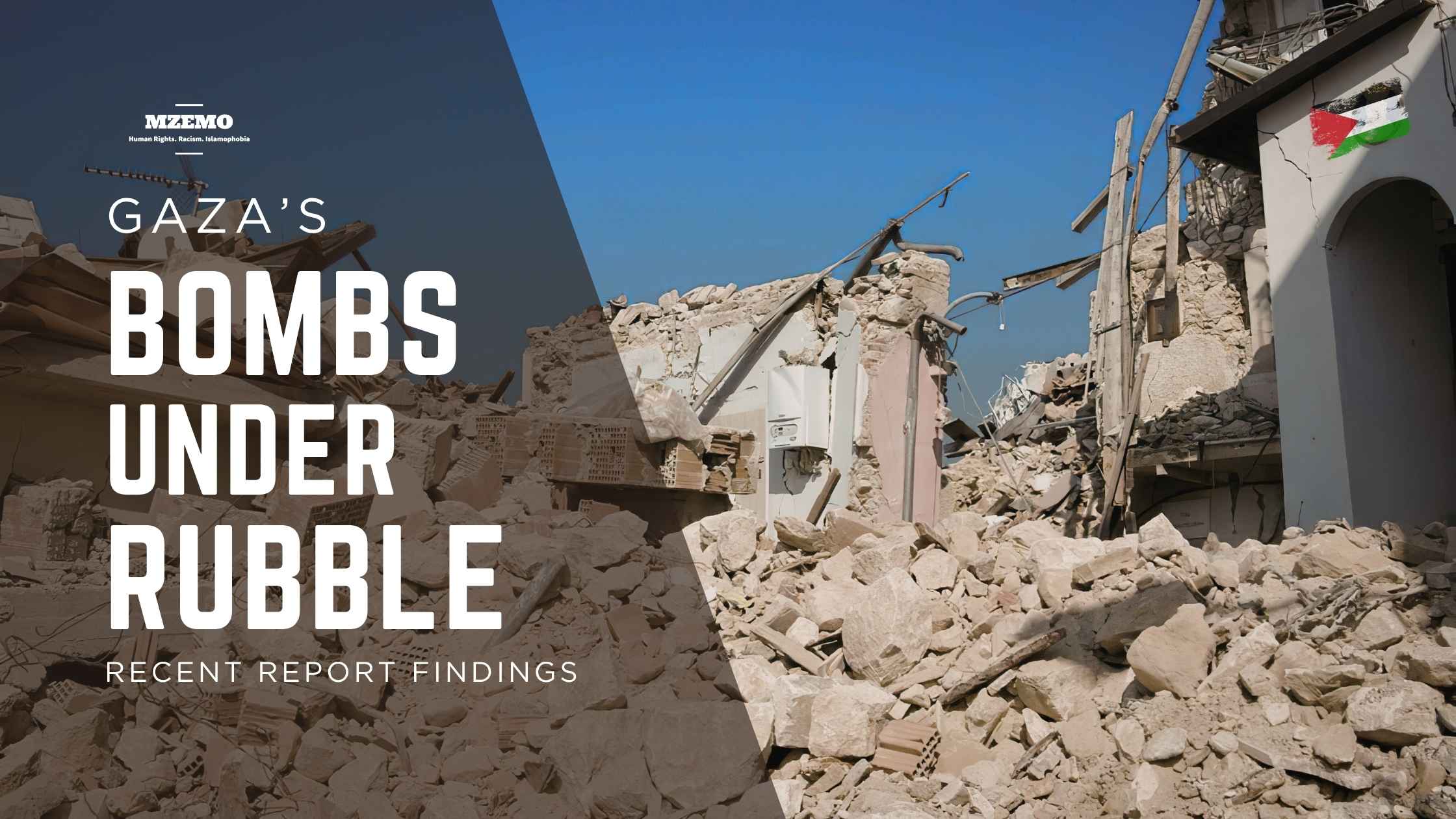
Especially in Gaza, UNRWA has operated schools, clinics, warehouses, and distribution systems for decades. Its local staff know the limited communities they serve. During the genocide, its buildings became shelters, and its employees continued working while displaced and grieving.
So, if the agency breaks down, Gaza would lose far more than just food distribution. Primary healthcare would shrink. Vaccination, maternal care, and treatment for chronic illness would be largely interrupted. Sanitation and shelter support would weaken. Other humanitarian organizations would be expected to absorb an enormous caseload without UNRWA’s staff, facilities or local network.
Moreover, education would suffer just as deeply. UN officials warned that more than 660,000 children in Gaza could lose access to schooling if UNRWA collapsed. After years of bombing, displacement, and trauma, removing the main institution capable of rebuilding education would deepen the destruction of an entire innocent generation.
The Crisis Would Spread Across the Region
UNRWA is often discussed as though it exists only in Gaza. Its collapse would also be felt in Jordan, Lebanon, Syria, and the occupied West Bank.
When it comes to Lebanon, many Palestinian refugees face severe poverty and restrictions on employment. In Syria, years of internal and proxy wars have damaged camps and public services. On the other hand, in Jordan and the West Bank, UNRWA schools and clinics support large communities. Host governments would face extreme pressure to absorb hundreds of programs, yet most lack the money or capacity to do so.
Although international charities could take over isolated projects, they could not quickly reproduce a network operating across five territories. The likely result would be fragmented healthcare, overcrowded schools, lost jobs, and deeper instability.
A Financial Crisis Made Political
UNRWA’s funding problems cannot be separated from the campaign against the agency by Israel and its allies.
Israel accused several employees of involvement in the attacks of 7 October 2023. The UN investigated this matter as well. These allegations against individuals were used to attack an agency employing tens of thousands and serving millions. Several donors suspended funding; most later resumed it, but the financial damage remained.
To add fuel to the fire, Israel also passed legislation restricting UNRWA, barred official contact with it, and moved against its East Jerusalem presence. Unfortunately, in January 2026, Israeli bulldozers demolished buildings inside the agency’s East Jerusalem compound after the site had been seized. Resultantly, the UN condemned the demolition as a violation of international law.
Who Would Replace UNRWA?
Israel has notoriously said that other organizations can assume UNRWA’s work. However, what are the guarantees that the other organization wouldn’t be banned or completely obliterated in the name of revenge? No credible plan has shown how this could happen at the required scale.
When it comes to other humanitarian agencies, they have specialized mandates, but none combines UNRWA’s schools, clinics, registration systems, warehouses and Palestinian workforce. NGOs can provide emergency help, but they cannot instantly operate a regional education and healthcare system. Most importantly, the UN Security Council has called UNRWA the backbone of the humanitarian response in Gaza and warned against attempts to dismantle it.
If UNRWA disappeared, innocent civilians would suffer the most. Food, healthcare, schooling, shelter, and sanitation would still have to be provided. Ultimately, Palestinian families would bear the immediate consequences.
Closing UNRWA Would Not Close the Refugee Question
In a nutshell, UNRWA is not a substitute for Palestinian freedom, return, compensation, or statehood. It cannot negotiate a political settlement. Its schools and clinics manage the consequences of displacement rather than resolving its cause.
UNRWA may have been created as a temporary institution, but Palestinian exile was never temporary. If the agency finally breaks, the refugees will not vanish. Their needs will become more severe, the entire system more strained, and the region less stable.
The world would not have ended the Palestinian refugee crisis. It would simply have abandoned the people still living through it.