Connect with us

Featured

Gaza Death Toll Passes 70,000: What This Number Really Hides

Published

on

Gaza-Death-Toll-Passes-70000

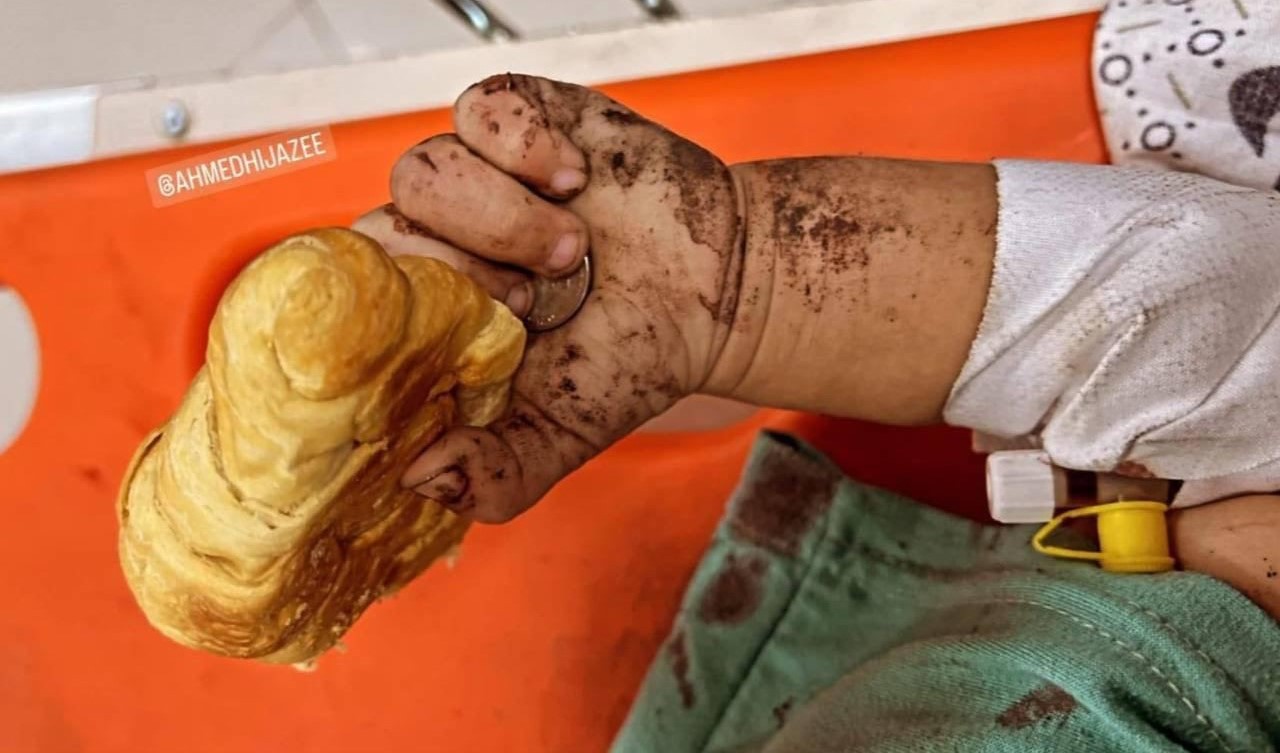
Gaza’s recorded death toll has crossed 70,000, but this news vanished quickly from global headlines. No outrage, calls for accountability, or urgent meetings. Undoubtedly, it is just another statistic in a world that has grown disturbingly comfortable with Gaza’s suffering.

However, this enormous figure hides more than it reveals. It captures only the bodies that reached hospitals, only the victims who could be counted, and only the dead whose names still had someone left alive to write them down. Shockingly, the real number of Palestinians killed over the past two years is far higher and far more devastating.

More Than a Number

The 70,000 deaths reported by Gaza’s Ministry of Health reflect what medical teams managed to document. This documentation was done amid bombed hospitals, collapsed neighbourhoods, and suffocating siege conditions. In fact, many clinics can no longer report data at all. Communication networks fail for weeks, ambulances run without fuel and there is no unified system left to track the dead.

Officials inside Gaza quietly admit that thousands more remain uncounted, and several people are still missing. Entire families are gone and erased in silence, while their bodies never reach hospitals, nor do they appear on any list.

Buried Under Rubble

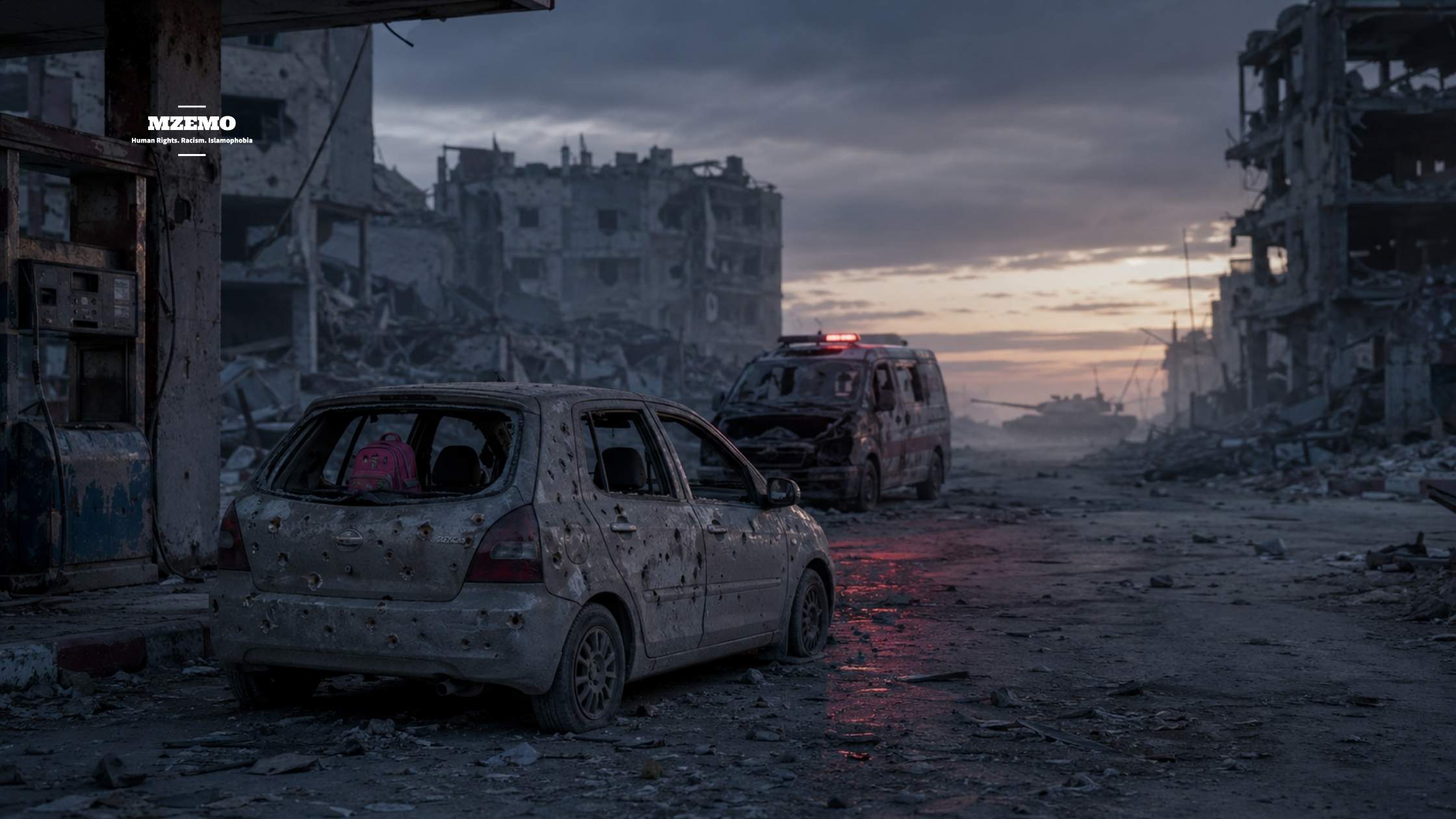
Many neighbourhoods hit in the early months of the war were never cleared. Without heavy machinery and fuel, Gaza’s civil defence teams could not remove collapsed buildings. Months later, people still report the smell of bodies beneath the concrete. Parents search for children, and siblings look for brothers and sisters. Some families wander through ruins hoping for a sign, a scrap of clothing, anything.

When a whole household is killed, no one remains to report them missing. Those deaths are often omitted from charts, reports, and official statements. They become invisible casualties of a very visible war.

The Guardian recently showed images of areas where no recovery teams have been able to enter for more than a year, leaving countless victims entombed beneath the debris.

Deaths That Never Make the Lists

The official death count focuses on those killed by direct strikes. However, many Palestinians died slowly from wounds that went untreated, hunger that could not be eased, and illnesses that turned fatal because medications were blocked.

Children weakened by malnutrition are more susceptible to winter infections. Older people die from a lack of heart medicine. Cancer patients fade away after the treatment centers were destroyed, and infants die because incubators have no fuel.

None of these deaths is counted in the toll issued to the world.

Humanitarian groups estimate that indirect deaths, caused by hunger, exposure, disease, and medical collapse, may rival or exceed the direct casualties. Without functioning hospitals, the true breadth of loss is impossible to measure.

Children Who Never Had a Chance

More children have been killed in Gaza since 2023 than in all global conflicts of the past decade combined. UNICEF’s teams warn that an entire generation has been scarred beyond anything previously documented.

Some children were found without identification. Others were buried as “unknown child.” Many survived initial strikes but died from dehydration or infection days later, unrecorded.

A number does not capture their faces, their potential, or the silent futures stolen from them.

The Disappeared: Lives Erased With No Witnesses

One tragedy unique to Gaza is the complete erasure of multi-generational families, including grandparents, parents, and children, all killed together. When every witness is gone, deaths slip through the cracks of documentation. There is no relative left to notify authorities, no one to retrieve remains, no one to confirm the names of the dead.

A local journalist described it simply: “Some families have been removed from the world. There is no one left to say they existed.”

Hospitals and civil registries have been bombed. Computer servers were destroyed. Archives burned, and even when officials try to record deaths, they work with incomplete, inconsistent data.

The infrastructure of memory, the ability to store a name, a file, a certificate, is gone. This destruction is not accidental. By erasing documentation systems, the true scale of killing becomes unverifiable, allowing those responsible to deny, minimise, or dispute the numbers.

The Real Toll Could Be Above 100,000

Independent analysts examining satellite images, mass graves, recovery patterns, and excess mortality trends believe the real death toll may already surpass 100,000.

That would make Gaza one of the deadliest conflicts of the 21st century, per capita, yet global coverage and political response remain shockingly muted.

Why the World Stopped Reacting

There is a disturbing desensitization at play. Global audiences have seen so many images of Gaza’s ruins that the mind shuts down. Large numbers feel abstract. Political alliances overshadow moral clarity, while governments avoid calling the situation by its true name.

“This silence protects those responsible and abandons those suffering.”

Every Number Is a Name

Each of the more than 70,000 is a person, a story, a life, a dream, a family. The official count tells only a portion of Gaza’s tragedy. The unseen dead, the unrecorded, the unnamed must also be remembered.

This war has broken Gaza’s population, its infrastructure, and its ability to document its own pain. The world must not let the victims disappear into statistical shadows.

Recognizing the full scale of loss is not just a matter of accuracy. It is an act of dignity, a demand for justice, and a reminder that behind every number is a life that mattered.
Continue Reading
Click to comment

Leave a Reply

Your email address will not be published. Required fields are marked *

Featured

The Global South vs the Global North: Gaza and the New World Divide

Published

on

The-Global-South-vs-the-Global-North-Gaza-and-the-New-World-Divide

Gaza has done something few conflicts in human history have managed to do. It has stripped away diplomatic language and exposed the harsh realities of how the world is really divided. This is not between those who speak of peace and those who do not, but between those who demand accountability and those who manage power.

In a series of events, what is unfolding is not simply a regional conflict. Palestine, especially Gaza, has become a global referendum on international law, human rights, and whose suffering counts. In that surprising referendum, the Global South and the Global North have largely voted differently.

A Divide Older Than Gaza

The terms “Global South” and “Global North” are often used loosely, but in the context of Gaza, their meaning has sharpened. The Global North broadly includes the United States, most European states, and close allies that dominate global finance, weapons markets, and diplomatic institutions. On the other hand, the Global South encompasses much of Asia, Africa, Latin America, and the Muslim world. These are the regions shaped by colonial rule, foreign intervention, and long struggles for sovereignty.

This history matters, as for many states in the Global South, Gaza is not an abstract security dilemma. It resembles patterns they recognise, such as occupation, siege, mass displacement, and civilian punishment justified in the language of order.

Gaza at the United Nations: Voting Lines Drawn

Nowhere has the divide been clearer than at the United Nations. Since late 2023, multiple UN General Assembly resolutions have called for an immediate humanitarian ceasefire in Gaza.

On 27 October 2023, a UN General Assembly resolution demanding a ceasefire passed with 120 votes in favour. Most of Asia, Africa, and Latin America supported it. The United States, Israel, and a small group of allies opposed it, while many European states abstained.

This voting pattern repeated itself in subsequent resolutions, exposing a consistent alignment rather than isolated disagreement. For the Global South, these votes were not symbolic. They were declarations that international law must apply universally. For much of the Global North, abstention and opposition reflected strategic caution.

Why the Global South Reads Gaza Differently

The Global South’s response to Gaza is rooted in experience. Many of its states were born from anti-colonial struggles. Occupation, forced displacement, and collective punishment are not theoretical concepts over there.

South Africa’s decision to bring a genocide case against Israel at the International Court of Justice captured this perspective. The case did not emerge from ideology, but from legal reasoning grounded in the Genocide Convention.

The ICJ’s provisional measures, issued in January 2024, ordered Israel to prevent acts that could fall under the convention and to allow humanitarian assistance. While the ruling did not halt the war, it validated concerns raised primarily by Global South states.

The Global North Is Not Monolithic

The Global North is not a single voice. Ireland, Spain, and Norway recognised the State of Palestine in May 2024, citing the humanitarian catastrophe in Gaza and the failure of existing approaches.

These recognitions reflected mounting domestic pressure and frustration with endless diplomatic paralysis. Yet recognition did not translate into immediate protection for civilians. Arms transfers, intelligence cooperation, and diplomatic shielding at the UN largely continued, and power, not rhetoric, remained decisive.

International Law Under Strain

Gaza has become a stress test for international law itself. The legal framework exists, such as the Geneva Conventions, that prohibit collective punishment. The Genocide Convention obligates states to prevent harm, not merely condemn it.

What the Global South has highlighted is not the absence of law, but its selective application. When enforcement depends on political alignment, the law loses legitimacy.

Ultimately, this perception is accelerating a broader diplomatic shift, with many states openly questioning whether the so-called rules-based order serves everyone equally.

Language, Media, and Narrative Power

Another fault line lies in language. Moreover, much Western discourse frames Gaza primarily through security. Global South media and officials more often frame it through occupation, siege, and civilian protection.

This difference is not accidental. Language shapes legitimacy, but calling mass displacement a security necessity carries different implications than calling it collective punishment.

Study finds that narrative divergence increasingly mirrors voting behaviour and diplomatic alignment.

Economic and Diplomatic Consequences

The divide over Gaza is already producing consequences. Several Global South countries have downgraded diplomatic engagement, pursued legal avenues, or strengthened South-South cooperation. Cultural and academic boycotts have spread beyond traditional activist spaces.

Gaza did not create these shifts, but it has accelerated them. Trust in Western mediation has eroded, particularly where military aid continues alongside humanitarian rhetoric.

What This Divide Means for Palestinians

For Palestinians, the global split is not theoretical. It shapes access to aid, prospects for accountability, and diplomatic protection.

Where the Global South pushes for enforcement, pressure grows. Where the Global North hesitates, impunity deepens. Gaza’s civilians live inside this imbalance.

In a nutshell, Gaza has forced the world to reveal itself. The Global South has largely insisted that law must matter, even when enforcement is difficult. Much of the Global North has responded with caution, balance, and delay.

For Palestinians, the answer is not academic, but measured in lives, homes, and the right to exist with dignity.

Continue Reading

Europe

Europe’s Gaza Dilemma: Public Outrage vs Political Inaction

Published

on

Europes-Gaza-Dilemma

The world has witnessed that Europe has not been silent about Gaza. Specifically, it has been loud in the streets, visible in most public squares, and relentless in protests. However, when measured by concrete political outcomes, there is a gloomy picture. Europe’s political response remains restrained, delayed, and deeply inconsistent.

This mega contradiction between public outrage and institutional inaction has become one of the clearest global fault lines exposed by the genocide in Gaza. Ultimately, this is not a story of ignorance. European governments aptly know what is happening, and it is a story of choices.

A Continent Protesting a Genocide

Since late 2023, Europe has witnessed some of the largest pro-Palestine demonstrations in decades. In London alone, police estimates placed individual marches at 300,000 to 500,000 participants, with some organisers claiming even higher numbers. Paris, Berlin, Madrid, Dublin, Brussels, Copenhagen, and Rome have seen repeated mass mobilisations, often weekly.

According to reports, these protests have been sustained rather than episodic, drawing in trade unions, student groups, faith organisations, health professionals, and Jewish anti-occupation groups alongside Muslim and Arab communities.

The demands have been remarkably consistent, including an immediate ceasefire, an end to arms sales to Israel, accountability under international law, and unhindered humanitarian access to Gaza.

The Political Record: Statements Without Consequences

Despite this pressure, European policy has barely shifted. While EU leaders have issued repeated calls for restraint and humanitarian pauses, no EU-wide arms embargo has been imposed. Trade relations with Israel under the EU-Israel Association Agreement remain intact.

It is analyzed that in early 2024, several EU member states continued arms exports to Israel even as civilian casualties in Gaza climbed past 30,000, with legal experts warning that such transfers could violate domestic and international law obligations.

Ireland and Spain pushed for a review of the EU-Israel agreement, citing human rights clauses. The proposal stalled amid opposition from other member states.

Europe Is Not United

Europe’s inaction is partly the result of internal division. Germany, Austria, and several Eastern European states have defended Israel diplomatically, framing the war almost exclusively through a security lens. Others, including Ireland, Spain, Belgium, and Norway, have taken a more openly critical stance.

In May 2024, Ireland, Spain, and Norway formally recognised the State of Palestine. The Guardian reported that the move reflected mounting domestic pressure and a recognition that the status quo had become indefensible. Yet recognition, while symbolically important, did not alter conditions on the ground in Gaza.

Criminalising Solidarity

As public anger grew, so did state efforts to manage, and sometimes suppress it. Across Europe, Gaza-related protests have faced restrictions, bans, and aggressive policing.

In Germany, authorities banned several pro-Palestine demonstrations citing public order concerns. In the UK, activists were arrested under public order laws during marches.

This has raised uncomfortable questions about free expression when dissent challenges foreign policy alliances.

Gaza as Europe’s Moral Stress Test

Beyond Gaza itself, Europe’s response is being watched closely across the Global South. At the United Nations, voting patterns have highlighted a widening divide between Western powers and much of Asia, Africa, and Latin America.

Many countries view Europe’s selective application of international law as forceful in Ukraine and hesitant in Gaza. It serves as evidence of double standards that undermine the credibility of the so-called rules-based order.

This perception matters as it reshapes diplomatic alliances, weakens Europe’s moral authority, and accelerates a shift toward a more fragmented global system.

Why Outrage Has Not Yet Forced Action

Foreign policy remains insulated from public opinion in ways domestic policy is not. Arms contracts, intelligence cooperation, and geopolitical alignment with the United States all constrain European decision-making.

History shows that sustained public pressure can eventually force change, but rarely quickly. In the case of Gaza, European governments have so far calculated that maintaining strategic relationships carries less political cost than confronting Israel meaningfully.

What Would Real Action Look Like

A credible European response would include numerous concrete steps. These may include suspension of arms exports, enforcement of human rights clauses in trade agreements, support for international legal accountability, and pressure to lift the siege on Gaza.

These measures remain politically possible, as they are not legally radical. What is lacking is not a mechanism, but will.

In a nutshell, Europe’s streets have spoken clearly for Palestine. Its institutions have not answered with equal clarity. The result is a widening gap between values proclaimed and actions taken.

Gaza has become more than a humanitarian catastrophe. It is a mirror reflecting Europe’s priorities, and its limits. History will not judge Europe by the size of its protests alone, but by whether outrage was allowed to harden into policy, or fade into managed silence.

Continue Reading

Featured

The Political Chessboard: Israel, Egypt, Hamas, and International Powers

Published

on

The-Political-Chessboard-Israel-Egypt-Hamas-and-International-Powers

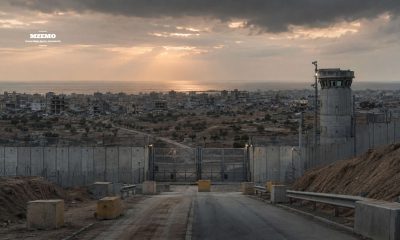
Although Gaza is still under a so-called “ceasefire”, nothing about Gaza feels like peace. The bombs are quieter, yet the pressure is heavier. Resultantly, the Rafah border remains a battleground without bullets, shaped by political deals, blocked negotiations, and shifting alliances. In a series of events, every country involved says it wants stability, while none of them agree on what that stability should look like. However, Palestinians are not invited into the rooms where their future is being discussed.

This is the political chessboard of Gaza. In fact, a map of power where every move is made above the heads of the people who live with the consequences.

Israel’s Strategy: Control Without Responsibility

Israel’s long-term goal has become increasingly clear. It is to maintain control over Gaza’s borders, movement, and political structure while avoiding the burden of direct governance. The reopening of the Rafah crossing only for exit, not entry, is part of this design. A one-way gate would encourage Palestinian displacement without Israel having to declare it openly.

Reports published by international outlets reveal proposals that would place Gaza under a new administrative framework that excludes Palestinian political actors and leaves Israel with indirect control.

Inside Israel, political pressure from far-right ministers shapes much of its Gaza policy. They demand harsher restrictions, deeper buffer zones, and tighter control of who enters and exits the strip. The argument is always the same: “security.” The reality is more aligned with demographic engineering and territorial fragmentation.

Egypt’s Red Line: No Resettlement in Sinai

Egypt rejects any attempt to push Palestinians into Sinai. Cairo has repeated this stance publicly and privately, warning that any forced movement of Gazans into Egyptian territory would destabilize the region and undermine Egypt’s sovereignty.

Egyptian officials understand that once Palestinians cross into Sinai in large numbers, they may never return. Egypt refuses to become the “alternative homeland.” This is why the Rafah crossing remains tightly controlled from the Egyptian side as well. Egypt views the crossing as leverage, a card it will not surrender lightly.

Hamas: Squeezed but Not Erased

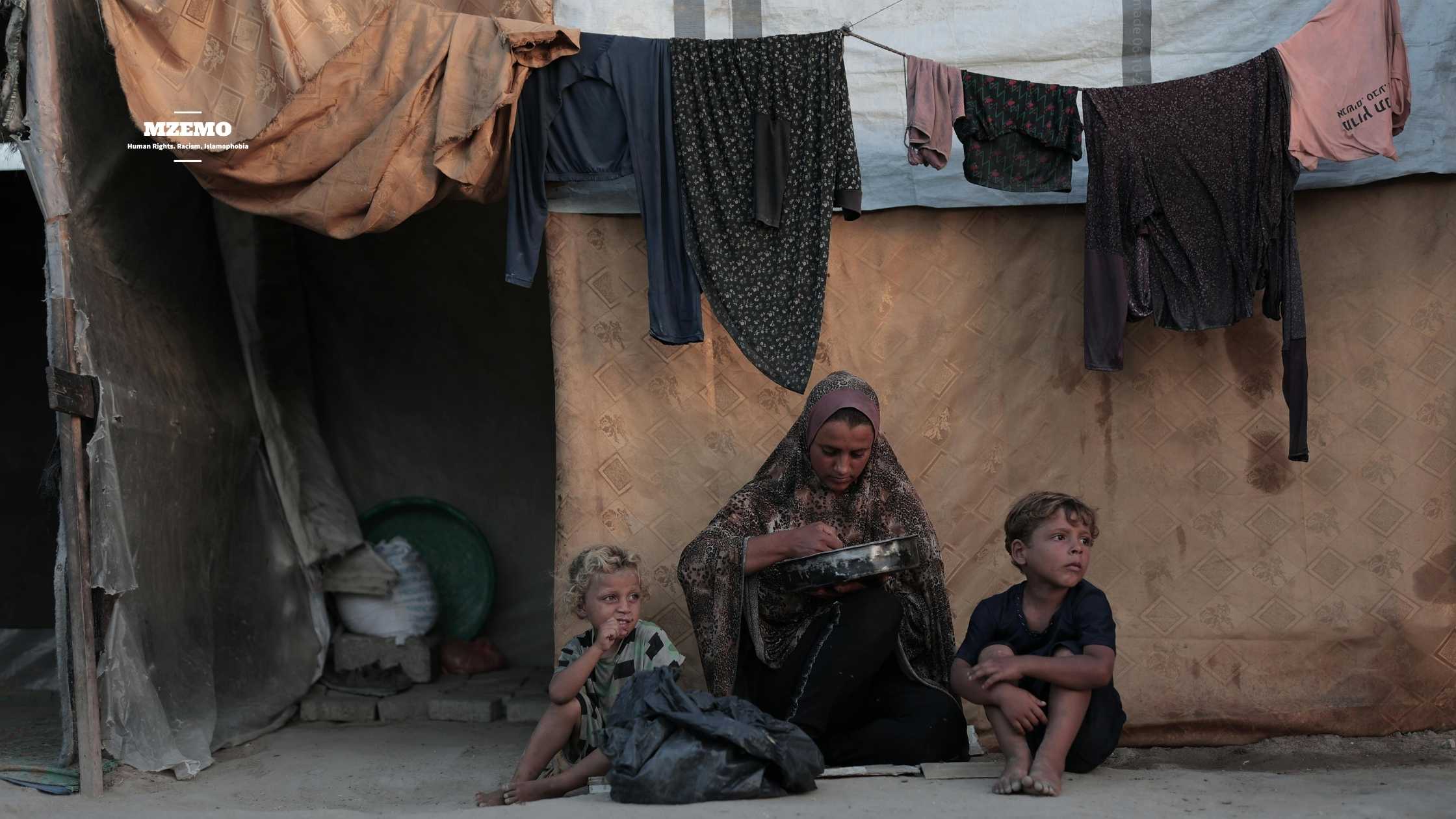
Two years of war have left Hamas militarily weakened and politically isolated. Large parts of its governance structure were destroyed, and the population it once administered is now scattered across tent camps and ruined cities.

Yet Hamas remains a key player because it holds the hostage file and still commands loyalty among the masses. Attempts by Israel, the U.S., and other regional actors to design Gaza’s political future without Hamas have created a vacuum. There is no clear replacement, no unified Palestinian authority ready to take control, and no roadmap that includes the people who live in Gaza.

The United States: Containing the Conflict, Not Resolving It

The United States frames its Gaza involvement as a humanitarian and diplomatic effort. However, its strategy is aimed at managing the conflict, not ending it.

Washington continues military support to Israel while pushing for a Gaza administration that minimizes Hamas’s influence. The U.S.-backed idea of a “Board of Peace” or international governance model places foreign powers over Palestinian territory, effectively sidelining Palestinian representation.

This contradiction, supporting Israel militarily while calling for humanitarian relief, has shaped U.S. policy since the first days of the war. It has also prevented any long-term political solution from taking shape.

Qatar: The Broker Between Opposites

Qatar plays a unique role on this chessboard. It mediates hostage exchanges, communicates with Hamas, and finances humanitarian operations. Israel criticizes Qatar, yet depends on it. The U.S. works through Qatar despite political discomfort, and Hamas relies on Qatar’s mediation to remain relevant.

In every negotiation since 2023, Qatar has been the only actor able to speak to all sides. Its influence comes not from military power, but from its ability to keep channels open when everyone else closes theirs.

Europe: Loud Words, Quiet Actions

European governments issue statements condemning civilian suffering, demanding accountability, and calling for more aid. However, Europe remains deeply divided.

Countries like Spain, Belgium, and Ireland push for stronger action. Others, including France and Germany, avoid measures that would pressure Israel. The EU’s economic partnerships with Israel remain intact. Security cooperation continues, and statements do not become consequences.

As a result, Europe’s diplomatic voice carries moral weight but limited political impact.

The Broader Arab World: Anger Without Strategy

Arab leaders face enormous public pressure to act for Gaza, but their responses have been largely symbolic. Economic agreements, security deals, and regional partnerships constrain stronger positions.

Saudi Arabia remains cautious as it balances global alliances. The UAE prioritizes economic stability. Jordan manages population pressure and border security. None of these states has presented a unified plan for Gaza’s future. The absence of an Arab strategy leaves the political field open for external powers.

Rafah: A Border Crossing That Reveals Everything

The Rafah crossing is not just a gate, but the clearest symbol of Gaza’s political reality.

  • Israel wants it controlled in a way that encourages displacement.
  • Egypt refuses to open it for mass entry.
  • The U.S. wants a managed framework.
  • Qatar uses it as a negotiation point.
  • Hamas sees it as a lifeline.

And Palestinians see it as the difference between survival and suffocation. Every decision about Rafah is a political move in this larger chess game.

A Homeland Negotiated Without Its People

Gaza’s political future is being shaped in Washington, Cairo, Tel Aviv, Doha, Brussels, and Riyadh. But neither in Gaza City nor in Rafah. Palestinians have no seat at the table where their homeland is being redesigned.

This is the real tragedy of Gaza’s political crisis. Occupation continues not only through military force, but through diplomatic exclusion. Every foreign plan that excludes Palestinian voices deepens instability and prolongs suffering.

The world cannot speak of stability while silencing the people who live with the consequences.

Until Palestinians are central to decisions about their land, every negotiation, border reopening, governance proposal, or ceasefire will be nothing more than another move in a game they never agreed to play.

Continue Reading
Advertisement

Trending