Connect with us

Featured

Annexing the West Bank While Gaza Bleeds

Published

on

Annexing-the-West-Bank-While-Gaza-Bleeds

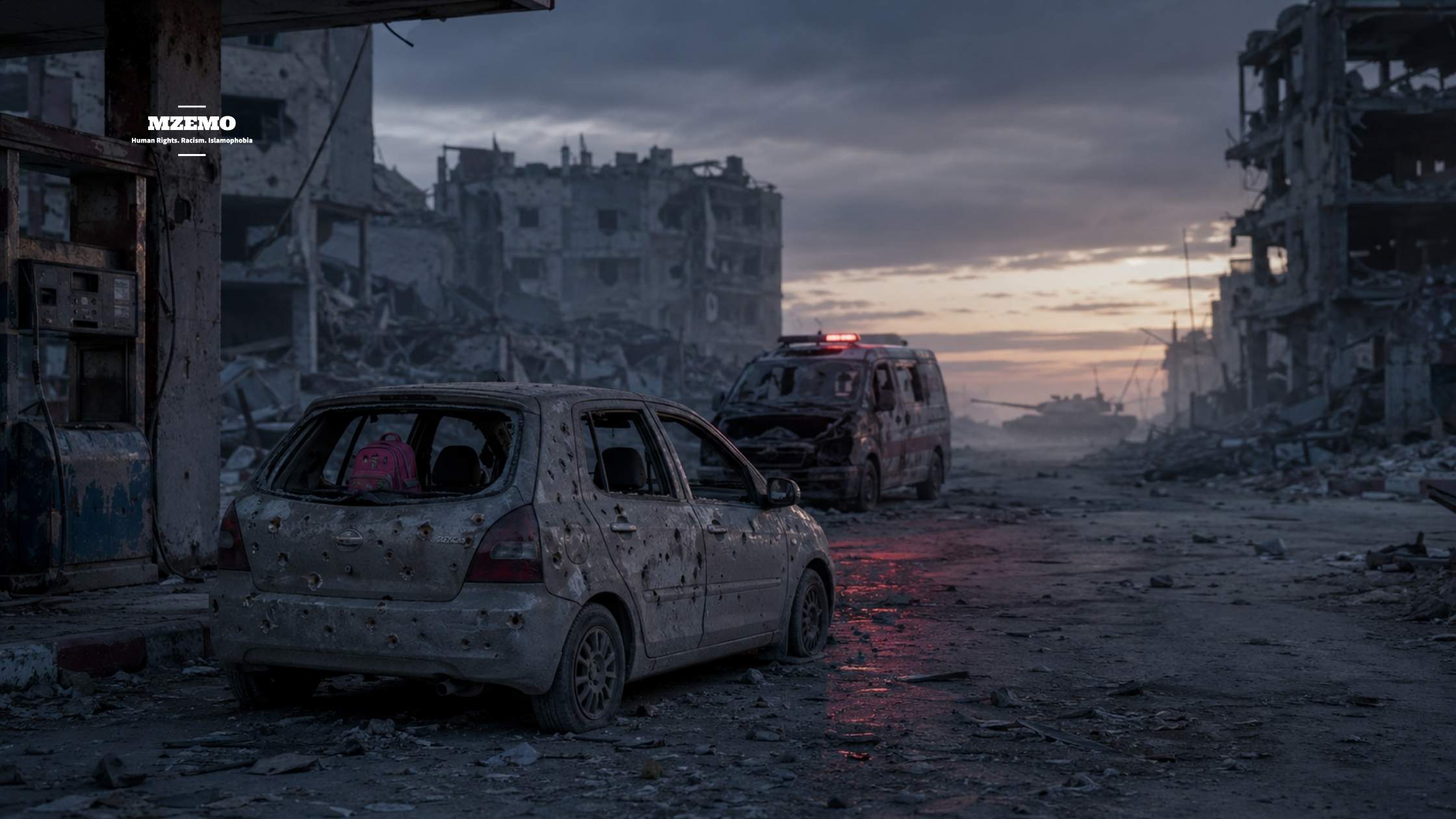
Gaza’s skyline has vanished under intense smoke, while its streets, once filled with life, now echo with silence and grief. Amid this devastation, Israel has chosen to open another front, and this time not with missiles, but with geography. The Knesset, Israel’s parliament, has recently advanced two bills that aim to formally annex large parts of the occupied West Bank. It is an act of political conquest, while on the other hand, Gaza’s children are buried under rubble.

This is not a coincidence but a continuity. As Gaza suffers from genocide, Israel is redrawing borders to make that erasure permanent.

A Legislative Land Grab

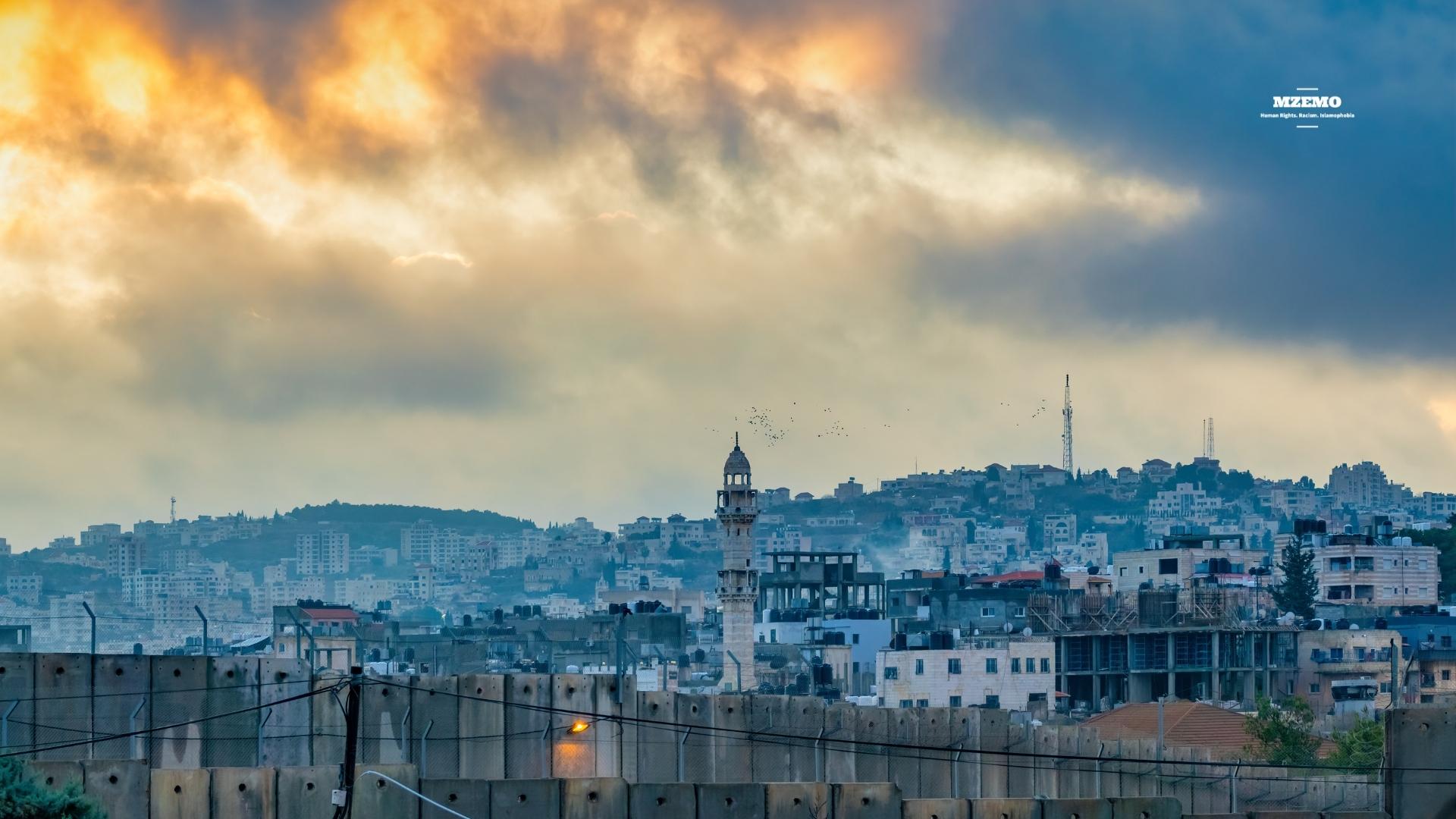
Recently, Israel’s parliament approved the first readings of two annexation bills. The first extends Israeli civil law to all West Bank settlements, which is a territory occupied since 1967 and recognized internationally as Palestinian land. When it comes to the second bill, it targets Ma’ale Adumim, a massive settlement east of Jerusalem that splits the West Bank in half, severing its north from its south.

Although the votes were close, with one passing 25–24 and the other 31–9, their meaning was profound. As per the reports, both bills were introduced while U.S. Vice President JD Vance was visiting Israel, symbolizing open defiance of Washington’s diplomacy. Prime Minister Benjamin Netanyahu hesitated to endorse them publicly, but pressure from his far-right allies, led by Bezalel Smotrich and Itamar Ben-Gvir, is relentless. Their ideology is clear: no Palestine, no partition, and hence no peace.

Gaza’s Agony: A Genocide in Real Time

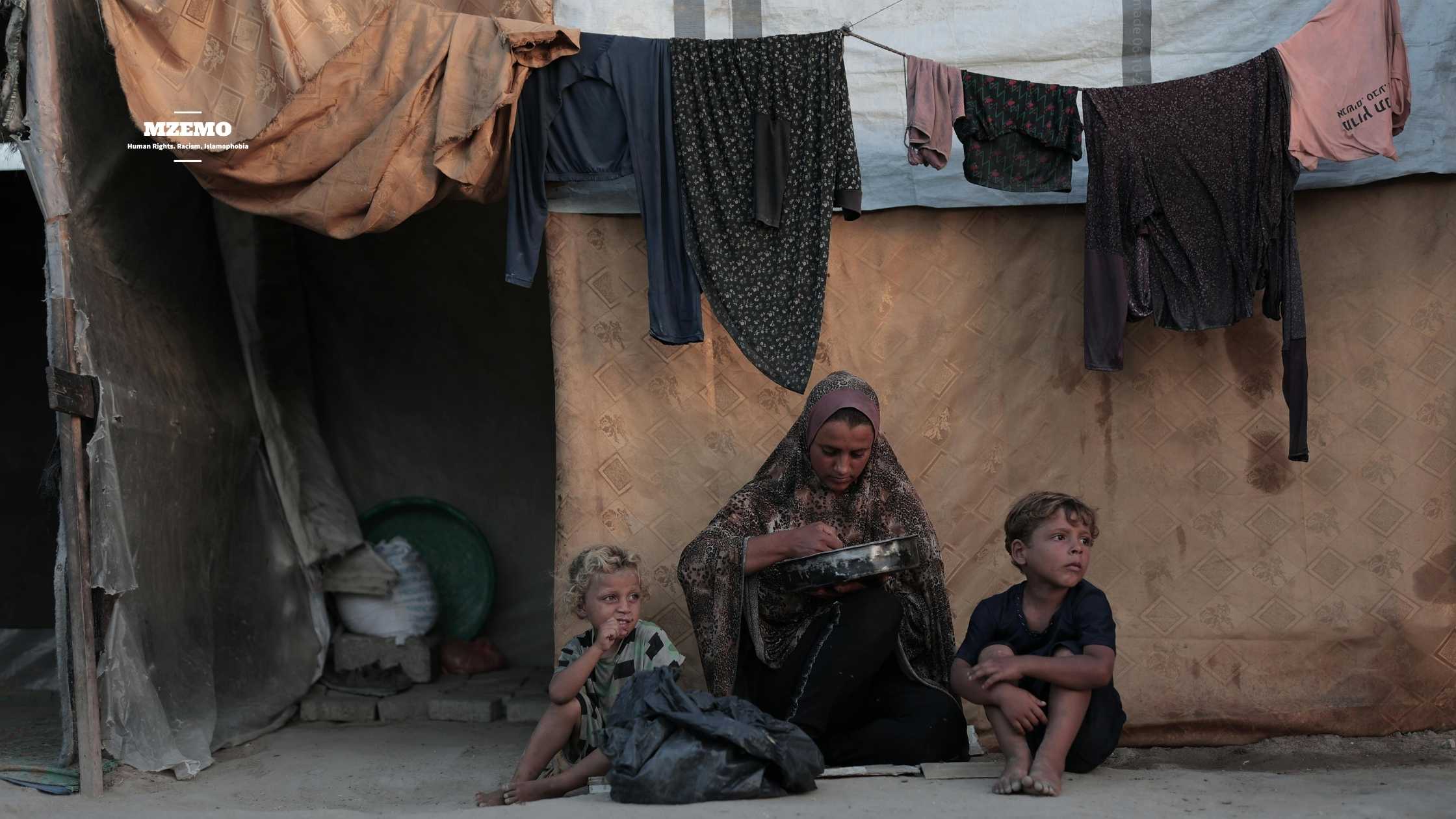
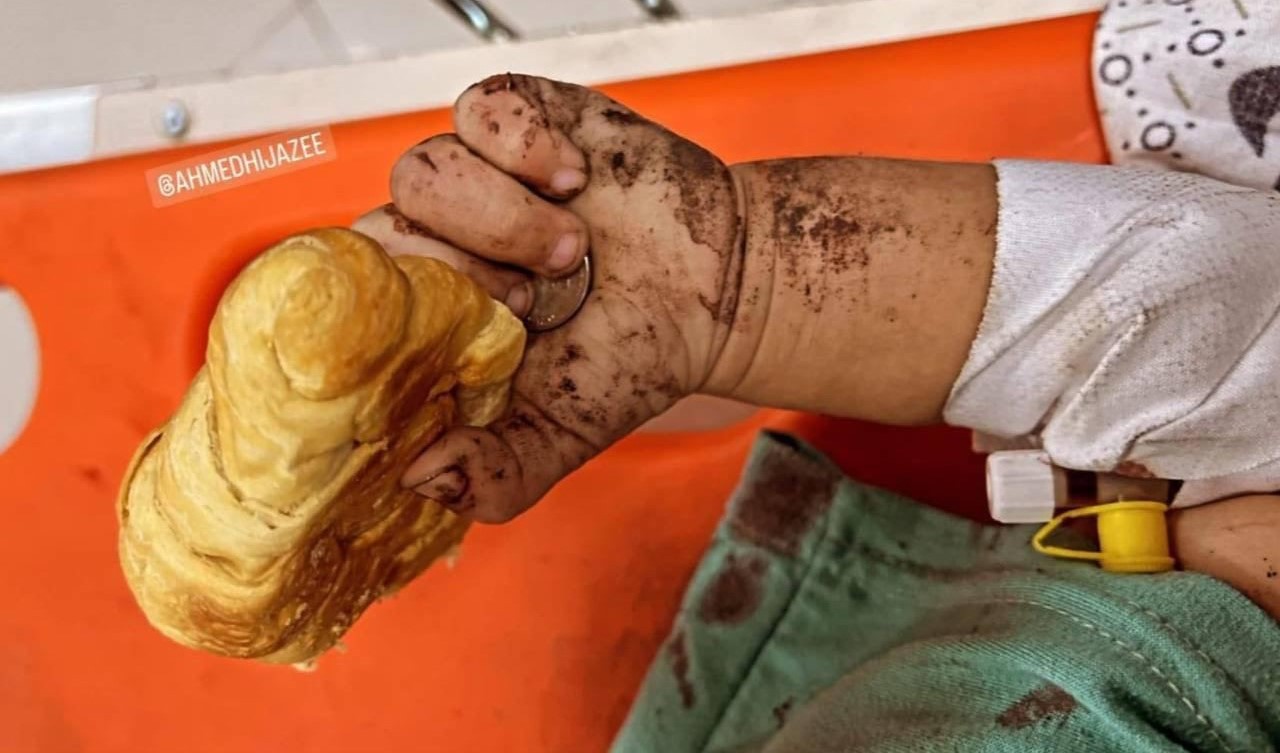
While politicians in Jerusalem debate annexation, Gaza’s population fights to survive. The UN Commission of Inquiry has declared Israel’s actions in Gaza a genocide, which is a deliberate, systematic, and aimed effort at destroying a people. Till now, more than 67,000 Palestinians have died. Thousands have been displaced, and entire neighborhoods lie flattened. Hospitals function without power while aid convoys are bombed before reaching the hungry.

The International Court of Justice ordered Israel in January 2024 to prevent acts of genocide and ensure humanitarian access. None of those orders was respected. Moreover, the siege tightened, and starvation was made a weapon. Against this backdrop, annexation of the West Bank reads not as policy, but as a strategy that seems to be the second half of a single campaign to erase Palestine from existence.

Illegality Beyond Dispute

When International Law is brought into the limelight, Israel’s annexation efforts are null and void. Even the ICJ’s 2024 advisory opinion confirmed that Israel’s occupation and settlement expansion violate the Fourth Geneva Convention. The United Nations has repeatedly reaffirmed that any attempt to acquire land by force is illegal. States are required not to recognize or assist such measures.

Yet, Israel continues to act with impunity. Roads, checkpoints, and segregated zones have already turned the West Bank into an archipelago of isolated enclaves. The annexation of Ma’ale Adumim would cement that reality, rendering a future Palestinian state geographically impossible. As it was observed,

“Israel no longer hides its intent, and the map of occupation is clearly being turned into a map of sovereignty.”

Washington’s response has been familiar: sharp words, soft hands. Vice President Vance called the Knesset vote an “insult,” with a warning that it endangered the fragile Gaza ceasefire framework. Yet, U.S. military aid, which is nearly $3.8 billion annually, continues without condition. American arms still supply Israeli jets, and U.S. vetoes still block UN resolutions calling for accountability.

This pattern of contradiction has defined U.S.-Israel relations for decades, including public condemnation and private protection. Israel acts knowing that Washington’s rebukes will never reach the language of sanctions. It is diplomacy without deterrence, and therefore, carte blanche.

The Ceasefire Framework

As Gaza starves, diplomats continue to negotiate the truce. According to reports, the ceasefire plan includes a phased release of Israeli hostages, the freeing of about 2,000 Palestinian prisoners, and gradual Israeli troop withdrawals from urban centers. However, each new bulldozer digging into West Bank soil makes these efforts meaningless.

How can peace talks survive when one side expands the very occupation at their root? How can trust grow when homes are demolished under the shadow of negotiation tents? Consequently, the annexation vote mocks every word written in ceasefire communiqués.

What Lies Ahead

Inside Israel, Netanyahu faces a dangerous balancing act. His far-right allies threaten to topple his coalition if he slows annexation. Western allies warn of isolation if he proceeds. The prime minister’s hesitation is tactical, not moral. Whether annexation happens now or later, the machinery of occupation keeps grinding forward.

Internationally, legal pressure is rising but somehow easing, especially after the announcement of the so-called “truce”. The UN Human Rights Council urges accountability, while the European governments debate sanctions against settlers and arms-export suspensions. However, power still shields Israel from the consequences of law. The ICJ’s rulings carry moral weight, yet enforcement remains elusive. Until action matches outrage, international law will remain a promise unfulfilled.

Annexation during genocide is the moment when the world’s excuses run out. Law, morality, and history converge here. If the international community turns away again, the phrase “never again” will lose its meaning forever. And in the dust of Gaza and the stones of the West Bank, humanity itself will stand accused.

Continue Reading
Click to comment

Leave a Reply

Your email address will not be published. Required fields are marked *

Featured

Gaza on the Brink Again: How the Rafah Border Closure Is Pushing 2 Million People Toward Extreme Hunger

Published

on

Source: Reuters

Although the world is more focused on the ongoing Israel-Iran War, a lot of severe genocidal acts are underway as a backdrop in Gaza. The 2.2 million people who are living in the Gaza Strip in abysmal conditions are just surviving, day after day.

Amidst the war, Israel again closed the Rafah border crossing after it was reopened just a month ago. It is undoubtedly a heinous attack on the innocent civilians of Gaza. Gaza’s only direct gateway to Egypt has once again pushed the enclave toward a severe humanitarian catastrophe.

Israel was allowing just a limited number of aid supplies into Gaza before the Rafah closure, but this genocidal act has completely stopped every humanitarian effort. As a result, the crisis of food shortages, medical collapse, and worsening hunger is getting extreme.

Rafah Crossing: Gaza’s Last Remaining Humanitarian Lifeline

The Rafah crossing has long been Gaza’s most critical humanitarian corridor. Unlike other crossings that are controlled by Israel, Rafah connects Gaza directly to Egypt and the wider Muslim world.

The Rafah crossing serves through:

  • Entry of humanitarian aid, including food, medicine, and fuel
  • Evacuation of wounded and critically ill patients
  • Entry of doctors, journalists, and international humanitarian workers

Gaza’s population is heavily dependent on imported supplies. The enclave produces less than 20% of the food it consumes, making border access essential for survival.

Before the latest closure, aid agencies estimated that 500 to 600 humanitarian aid trucks per day were needed to meet Gaza’s basic needs. In reality, only a fraction of that number has been able to enter.

Ultimately, when Rafah shuts down, Gaza’s already fragile humanitarian system quickly begins to collapse.

Gaza’s Growing Hunger Crisis

Food insecurity in Gaza has reached alarming levels.

The United Nations has warned that hundreds of thousands of people are now facing severe hunger, and food insecurity is reaching its highest levels. Humanitarian agencies report that many families have already reduced their daily meals to one per day or less.

Key indicators illustrating the scale of the crisis are as follows:

  • Over 80% of Gaza’s population relies on humanitarian food aid
  • Nearly a million Palestinians face catastrophic food insecurity
  • Food prices in local markets have surged dramatically due to shortages

Basic staples such as flour, rice, cooking oil, and sugar are becoming increasingly difficult to find. When supplies do appear in markets, prices are often far beyond what ordinary families can afford.

But now, as the aid is completely blocked, the survival of these families is uncertain.

Hospitals on the Edge of Collapse

Before the Rafah closure, critical patients were admitted to Egypt’s hospitals for better medical care. However, since its abrupt closure, medical officials warn that hospitals – a few remaining ones – across the territory are facing critical shortages of medicine, surgical equipment, and fuel needed to power generators.

Key health statistics revealing the severity of the situation are as follows:

  • More than half of Gaza’s hospitals are no longer operational.
  • Thousands of patients require urgent evacuation for treatment abroad.
  • Fuel shortages threaten intensive care units and dialysis centers.

Doctors report that shortages of antibiotics, anesthesia, and surgical materials are forcing hospitals to delay or cancel life-saving procedures.

Moreover, Electricity is another point of contention. Gaza’s power grid has been heavily damaged, meaning hospitals rely almost entirely on diesel generators. Without regular fuel deliveries, critical medical services could stop altogether.

The Role of the Regional Escalation

The latest humanitarian crisis in Gaza is unfolding against the backdrop of a wider regional confrontation involving Israel, the United States, and Iran.

Military tensions between these countries have intensified dramatically, raising fears of a broader Middle Eastern war. As security concerns rise, Israel has tightened its illegal control over Gaza’s borders, including restrictions affecting humanitarian aid routes.

In practice, these security measures primarily impact civilians living in Gaza, who are already struggling with displacement, economic collapse, and widespread destruction of infrastructure.

The result is that Palestinians in Gaza are once again paying the highest price for geopolitical conflicts that extend far beyond their territory.

The Genocide and Growing Global Criticism

The entire world is appalled by the scale of genocide and devastation in Gaza by Israel, with the unravelling support of the US.

The International Court of Justice, the United Nations, and other international organizations have declared it a genocide.

Critics argue that the widespread destruction of civilian infrastructure, mass displacement, and restrictions on food and aid amount to a form of collective punishment prohibited under international humanitarian law.

At the same time, many Western governments continue to provide Israel with political and military support, framing its actions as legitimate self-defense.

For many observers across the Muslim world and the Global South, this response highlights what they see as a profound double standard in the enforcement of international law.

A Population Pushed to the Edge

For Palestinians in Gaza, the closure of Rafah is not simply a political development, but an existential crisis.

Every closed crossing means no aid trucks, medical evacuations, and absolutely no opportunities for relief. Each restriction deepens the humanitarian emergency facing a population already enduring one of the most severe crises in modern history.

With Gaza’s borders sealed and humanitarian access restricted, the enclave’s two million residents remain trapped in a territory where survival increasingly depends on decisions made by distant political and military figures.

This is not so bothersome for the people living outside Palestine, but one must feel the pain that they are living through. How can we survive without food, water, and medical supplies for days and even years? How can we see our children, elders, and women die of hunger, thirst, and bombs? The world must take action before it’s too late!

Continue Reading

Featured

From Gaza to Tehran: The Politics of Power Behind Western Double Standards

Published

on

Iran-Israel War

Across the globe, there are two dominating crisis headlines today: Israel’s blatant genocide in Gaza and the ongoing war between Israel-US and Iran. This war is undoubtedly imposed by Israel and the United States, labeling it necessary for peace.

Western governments and media houses frame their policies around the language of “security” and “stability”. There is a pattern of double standards that undermines international law, credibility, and humanity.

On one side stands Gaza, where more than 2.2 million Palestinians are being killed by Israel. It has produced one of the worst humanitarian catastrophes of the 21st Century. On the other hand, stands Iran, a country that is signatory to the Nuclear Non-Proliferation Treaty (NPT) yet faces sanctions, threats, and even attacks on its civilians.

Why are some countries given carte blanche and strategic exceptions while others face relentless punishment?

Gaza: A Genocide in Plain Sight

Since the beginning of Israel’s large-scale assault on Gaza, the humanitarian impact has been staggering. According to Palestinian health authorities and international humanitarian organizations, more than 80,000 Palestinians have been killed, with a large proportion of the victims being women and children.

Entire neighborhoods across Gaza have been reduced to rubble. The United Nations reports that the vast majority of Gaza’s population has been displaced, many of them forced to move multiple times as Israeli military operations expanded across the territory.

This is the purest form of genocide in modern human history. The scale of destruction, starvation, and forced displacement goes far beyond conventional warfare. However, not all media groups are showing the real picture. Western media is showing its unquestioned support for Israel even during the most heinous crimes against humanity.

Western Silence and Political Protection

The United States remains Israel’s closest international ally. According to data from the U.S. Congressional Research Service, Washington provides Israel with approximately $3.8 billion in annual military assistance under long term defense agreements.

Beyond military aid, Western governments have repeatedly shielded Israel from international accountability. In diplomatic arenas such as the United Nations Security Council, attempts to impose sanctions or demand ceasefires have often been blocked or diluted.

This pattern represents a profound contradiction: while Western leaders frequently emphasize human rights and international law, their response to the devastation in Gaza appears far more restrained than in other global conflicts.

Source: TRT World

Israel’s Nuclear Arsenal: The Middle East’s Open Secret

Another major source of controversy lies in the nuclear dimension of Middle Eastern politics.

Israel is widely believed by international experts to possess between 80 and 200 nuclear warheads, developed through its long-standing nuclear program centered around the Dimona facility in the Negev desert.

Yet Israel maintains a policy known as “nuclear ambiguity” — neither confirming nor denying the existence of its nuclear arsenal.

More importantly, Israel is not a signatory to the Nuclear Non-Proliferation Treaty (NPT), the global framework designed to prevent the spread of nuclear weapons.

Just because it operates outside the NPT system, Israel’s nuclear facilities are not subject to full international inspections by the International Atomic Energy Agency (IAEA).

Despite this reality, Western governments rarely criticize Israel’s nuclear capabilities or call for sanctions related to its weapons program.

Iran and the Nuclear Non-Proliferation Treaty

On the other hand, Iran’s nuclear program exists in a very different legal context.

Unlike Israel, Iran signed and ratified the Nuclear Non-Proliferation Treaty in 1970, which means it is legally permitted to pursue nuclear technology for peaceful purposes such as energy production and scientific research.

Under the NPT framework, Iran’s nuclear facilities are supposed to operate under international monitoring by the International Atomic Energy Agency (IAEA).

Nevertheless, Iran has faced decades of economic sanctions and intense political pressure from Western governments, which argue that its uranium enrichment activities could eventually lead to nuclear weapons development. However, Iranian officials insist that their nuclear program is intended solely for civilian purposes.

Attacks on Iran and the Broader Muslim World

Recent tensions have further escalated the crisis. Israel and the United States have carried out strikes targeting Iranian nuclear facilities, including sites associated with uranium enrichment. The assassination of Iran’s Supreme Leader Ayatollah Ali Khamenei, along with other high-ranking officials show how brutal these strikes are.

Just like in Gaza, Iran’s civilians are also being attacked. One such example is the recent bombing of a girls’ school in Iran in which more than a hundred innocent children and teachers were killed.  Such attacks raise serious concerns among international security experts.

Moreover, striking nuclear infrastructure carries enormous risks, including the possibility of radioactive contamination and the potential collapse of global nuclear non-proliferation efforts. Some analysts argue that military attacks on nuclear facilities could actually push targeted states to accelerate weapons development rather than abandon it.

Ultimately, these strikes represent another example of selective enforcement of international norms.

From Gaza to Tehran: A Crisis of Global Credibility

The combined effect of these policies has produced a growing crisis of credibility for the international system.

International law is being applied selectively, enforced strictly against adversaries, while ignored when allies are involved.

From the ruins of Gaza to the nuclear facilities of Iran, the politics of power continue to shape the Middle East in profound ways.

For millions of people across the region, the question is not merely about military strategy or diplomatic rivalry. It is about whether international law truly applies equally to all nations — or whether global justice remains dependent on political alliances.

Until those questions are addressed, the perception of double standards will continue to fuel anger, instability, and distrust across the Middle East and beyond.

Continue Reading

Crimes Against Humanity

Shockwaves Across the Gulf: How the US–Israel Strike on Iran Could Redraw the Region

Published

on

Shockwaves-Across-the-Gulf-How-the-US–Israel-Strike-on-Iran-Could-Redraw-the-Region

The clouds of a full-scale war are hovering over the Middle East amidst the Gaza genocide. The US-Israel unprovoked strike on Iran has sent political, military, and economic shockwaves across the region. Ultimately, it pushed the region into one of its most dangerous moments in decades. What Washington and Tel Aviv describe as a “preemptive defensive operation” is a direct assault on national sovereignty. It has become a dramatic escalation that risks engulfing the Guld in prolonged instability.

During the early hours of 28 February 2026, coordinated American and Israeli air operations struck multiple targets inside Iran, including military infrastructure as well as a couple of girls’ schools. Within hours, Iranian state media confirmed the death of Supreme Leader Ayatollah Ali Khamenei, along with senior security officials. Hundreds of coordinated strikes were carried out in the opening phase by Israel and the United States against Iran.

Washington termed the operation as necessary to neutralize an imminent threat. Israel also justified it as eliminating what it calls an “existential danger.” However, these attacks are unprovoked acts of aggression and severe violations of international law.

A Leadership Assassination with Structural Consequences

The attack on Iran’s Supreme Leader was not a usual casualty. Ayatollah Khamenei had led the Islamic Republic for over 35 years, shaping its strategic doctrine, regional alliances, and military posture. Removing such a figure represents a direct strike at the political and religious core of the Muslim states.

Decapitation strategies like targeting top leadership in the name of deterrence carry profound consequences. They do not end conflicts but often intensify them. Resultantly, Iran announced a 40-day national mourning period and vowed retaliation. Senior officials signaled that the response would extend beyond symbolic gestures.

Iran’s Retaliation and Gulf Vulnerability

Retaliatorily, Iran launched missile and drone strikes toward Israeli territory and toward strategic locations in states hosting US military infrastructure. Gulf capitals responded with emergency security consultations, temporary airspace closures, and heightened defense readiness.

The Gulf’s dilemma is acute as numerous Gulf countries host the US bases. While these facilities are described as stabilizing forces, they simultaneously transform host nations into potential targets during escalation cycles.

The Strait of Hormuz, through which roughly 20 percent of global oil supply transits, became an immediate focal point of concern. Even limited disruptions threaten global energy markets. This sustained instability could push oil prices sharply upward, intensifying economic strain worldwide.

Gaza: The Overlooked Consequence

The escalation comes while Gaza remains devastated by months of genocide. Humanitarian agencies have repeatedly warned of extreme infrastructure collapse, medical shortages, and displacement levels affecting the entire population. Large portions of Gaza’s housing stock and essential services have been destroyed or severely damaged.

Heightened regional conflict often leads to tightened border controls and reduced humanitarian access, justified by security concerns. Aid corridors become entangled in broader military calculations.

This shift in focus carries real consequences. When diplomatic bandwidth is redirected toward containing a wider war, reconstruction plans, ceasefire monitoring, and accountability processes in Gaza may stall.

Thus, the connection is evident – escalation elsewhere reduces urgency for justice in Palestine.

Economic and Strategic Fallout

The economic reverberations are already visible. Energy markets are getting volatile, and regional investors are recalibrating exposure to Middle Eastern assets.

Conflict in the Gulf does not remain confined to the battlefield. It translates into global price pressures, supply chain disruptions, and political uncertainty.

Strategically, the precedent of targeting a sitting supreme leader introduces a new threshold. It signals that regime leadership itself is no longer beyond direct military targeting. Such normalization raises questions about future conflicts and global stability norms.

The Muslim World at a Crossroads

Public anger across Muslim-majority countries has intensified. Protests, political debates, and social mobilization reflect deep concern about sovereignty and double standards in global governance.

This moment tests whether regional powers will push collectively for de-escalation and accountability or remain constrained by strategic alliances.

What Comes Next?

Several scenarios are emerging:

  1. Controlled retaliation followed by backchannel diplomacy.
  2. Escalation cycles involving proxy actors across multiple fronts.
  3. Strategic realignment in which new regional blocs consolidate in response to perceived aggression.

The direction will depend not only on Tehran and Washington, but on Gulf capitals, Beijing, Moscow, and European governments navigating between confrontation and containment.

A Dangerous Threshold

The US–Israel strike on Iran marks a decisive turning point. By targeting Iran’s Supreme Leader, the conflict crossed a political and psychological threshold that reshapes regional calculations, as it was a “Red Line” that had been crossed.

Whether framed as defensive or aggressive, the outcome is the same: the Gulf is more exposed, Gaza’s crisis risks being overshadowed, and the Muslim world faces renewed instability. History shows that wars justified as preventive often expand beyond their stated objectives. The coming weeks will determine whether diplomacy reenters the equation, or whether the Middle East moves into a prolonged era of open confrontation.

Continue Reading
Advertisement

Trending