Connect with us

Featured

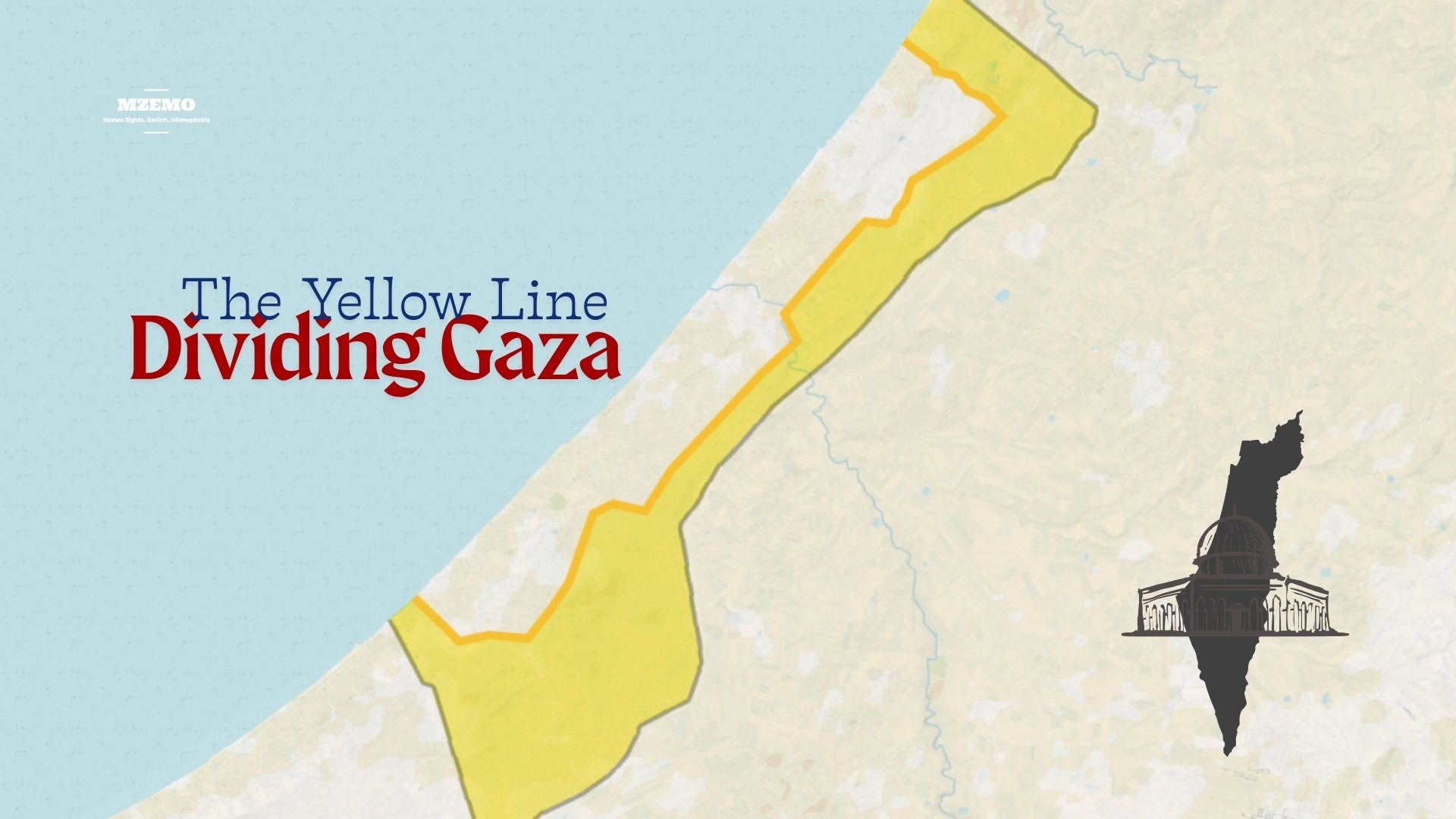
The Yellow Line Dividing Gaza: A New Reality of Control and Displacement

Published

on

The-Yellow-Line-Dividing-Gaza

In today’s Gaza, displacement is no longer only the result of bombardment, but has acquired a shape, a direction, and a newly defined boundary. Palestinians increasingly speak of a “Yellow Line,” which is neither a formally declared border nor a line on an internationally recognized map. In fact, it is a line that determines where people can live, move, receive already allocated aid, or rebuild with whatever resources they have.

Ultimately, this new line is being enforced by force, fear, and a vague policy. Like many other lines drawn over Palestinian lives before, this one is changing Gaza in unprecedented ways that may outlast the bombs. So, this is not merely a military deployment line but a complete architecture of control over innocent lives.

A Line That Exists Without Recognition

The Yellow Line does not appear in peace treaties or UN resolutions. Yet it functions as a de facto internal border, fragmenting Gaza into zones of access and exclusion. Crossing it is not a legal process but a gamble that is shaped by checkpoints, shifting orders, military presence, and the constant threat of violence.

There are yellow blocks placed in numerous areas deep inside Gaza that are considered the Yellow Line. They should not be crossed by the civilians at any cost. Even Israel’s army has placed those blocks even far deeper than the intended yellow line to further narrow the strip.

Historically, such lines have rarely remained temporary. From buffer zones to “security corridors,” informal military boundaries tend to harden over time, quietly transforming emergency measures into permanent realities. Gaza’s Yellow Line follows a familiar pattern of a spatial division created under the language of security, but experienced by civilians as confinement.

Displacement as a Managed Outcome

Since late 2023, Gaza has seen one of the largest and fastest civilian displacements in modern history. Entire neighborhoods were emptied through evacuation orders that offered no real destination of safety. Families moved south, then were told to move again. Tents replaced homes, while classrooms replaced bedrooms.

According to the United Nations, many of these evacuations lacked the minimum conditions required under international humanitarian law, such as adequate shelter, food, water, or medical care. In March 2025, the UN warned that forced evacuations in Gaza were being carried out without ensuring civilian protection, raising serious legal concerns.

The Yellow Line turns displacement from a wartime emergency into an organized condition. Once a family crosses it, return becomes uncertain. Homes north of the line are damaged, inaccessible, or designated as off-limits. Over time, “temporary” displacement begins to look permanent.

Fragmenting Survival Itself

With a population of more than 2 million, Gaza is one of the most densely populated places on earth. Dividing it internally is not a neutral act. The Yellow Line fractures:

  • Healthcare access, separating patients from hospitals and specialists
  • Food systems, cutting farmers off from land and markets
  • Water and sanitation repair, limiting municipal movement
  • Family networks, forcing long-term separation

Aid delivery is also shaped by these invisible borders. Humanitarian convoys move where they are permitted, not where need is greatest. Distribution points cluster in limited zones, creating dangerous overcrowding and leaving entire areas underserved.

As per recent reports, over 200 humanitarian organizations warned that Israeli restrictions threatened to paralyze aid operations in Gaza, even as civilian needs remained catastrophic.

Hunger, Access, and the Illusion of Improvement

In late 2025, the Integrated Food Security Phase Classification (IPC) announced that Gaza was no longer officially classified as “in famine,” following limited improvements in aid access. Some media framed this as progress.

However, the same report warned that acute hunger remained widespread, with tens of thousands still facing catastrophic food insecurity, and any improvement was conditional on continued access.

This matters because it reveals a deeper truth that Gaza’s humanitarian conditions are not driven by scarcity alone, but by access. When lines open, hunger recedes. When they close, it returns. The Yellow Line thus becomes a tool not just of movement control, but of nutritional survival.

Security for Whom?

Israeli officials describe internal control lines as necessary for security and demilitarization. Yet for Gaza’s civilians, overwhelmingly Muslim, overwhelmingly non-combatant, security is experienced very differently.

Security does not mean safety from violence. It means knowing where you are allowed to exist.

For a displaced Palestinian family, the Yellow Line answers brutal daily questions:

  • Can we go back to our home?
  • Can we retrieve documents or belongings?
  • Can a sick relative cross to reach a hospital?
  • Can we rebuild, or will we be displaced again?

These are not abstract policy concerns, but are some real questions of dignity.

A Border Without Consent

What makes the Yellow Line especially dangerous is its normalization. When lines of control persist, they reshape expectations. Children grow up assuming they cannot cross certain areas. Aid agencies plan around restrictions, and temporary shelters become semi-permanent camps.

This is how borders are born, not through declarations, but through repetition.

Human rights organizations such as B’Tselem have documented how forced displacement and movement restrictions in Gaza function as tools of domination rather than protection.

Undoing a Line Like This

History shows that such lines can be undone, but only when power is confronted, not accommodated. That requires:

  • Guaranteed freedom of movement under international monitoring
  • Unrestricted humanitarian access
  • Reconstruction without political conditions
  • Accountability for forced displacement

Without these, the Yellow Line risks becoming yet another permanent scar on Palestinian geography.

In a nutshell, for Gaza’s displaced families, the Yellow Line is not an abstract military concept. It is the space between memory and return, and between having a home and being allowed to reach it.

If the world allows this line to solidify, unquestioned and unchallenged, it will not merely be dividing Gaza. It will redefine what displacement means in the 21st century. Moreover, it will no longer be a tragedy to be resolved, but a condition to be managed. For Palestinians, that is not security, but an erasure by design and implementation.

Featured

Released but Never Free: How Israel’s Repeated Arrests Keep Palestinian Prisoners Living in Fear

Published

on

Released-but-Never-Free-How-Israels-Repeated-Arrests-Keep-Palestinian-Prisoners-Living-in-Fear

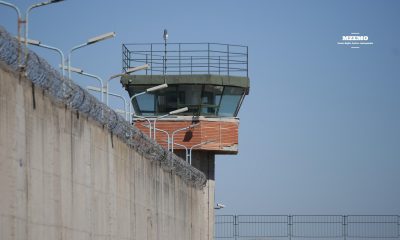
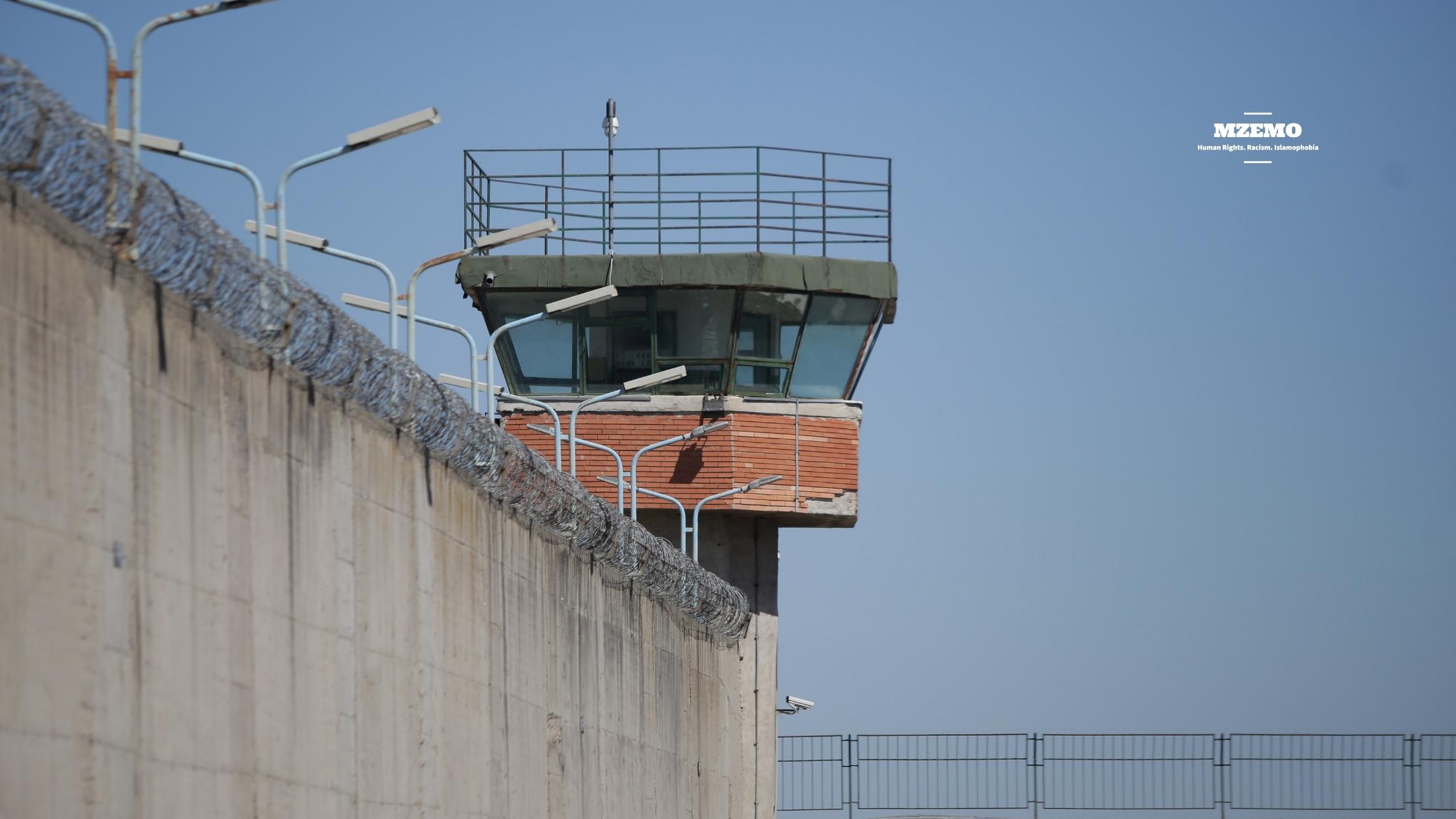
For many Palestinians released from Israeli prisons, returning home does not mean the end of detention. Eventually, Israeli soldiers can return at night, intelligence officers can demand another fake interrogation, and families have little assurance that their loved ones will remain at home. Former prisoners in the occupied West Bank describe lives organized around the possibility of being arrested again and again.

Their accounts reveal an extremely disturbing contradiction due to heinous Israeli plans to torture Palestinians. Israel’s military and security services continue to illegally arrest or summon some of the same people they arrested before. Thus, the consequences extend far beyond the time spent in custody, affecting innocent Palestinian families, employment, and the most ordinary aspects of daily life.

Six Rearrests After a Prisoner Exchange

For instance, Ahmed Abed, a 43-year-old Palestinian whose name was changed for his safety, was released in January 2025 after spending 22 years in an Israeli prison. Since then, he says Israeli forces have arrested him six times and summoned him for questioning on five occasions.

In an authentic publication, Abed also described repeated home raids, threats, and being marched blindfolded and handcuffed by Israeli forces. He said that he was beaten and denied food and water during detention by the ISF.

In fact, his family now prepares for another possible raid whenever Israeli soldiers enter the area. Even relatives and neighbors have become anxious about attracting military attention.

Not just this, but the disruption extends into his professional life. Despite earning university qualifications while imprisoned, he says employers have avoided hiring him because of his repeated arrests. He relies on irregular work and has reduced contact with relatives, fearing that his presence might expose them to further questioning.

Ultimately, his experience illustrates how repeated detention can restrict a person’s freedom without keeping them continuously behind bars.

When Israeli Raids Tear Families Apart

In Tulkarm, another Palestinian family experienced how freedom can end without warning by Israel.

An individual, Bakr Khreiwesh, returned home during an October 2025 prisoner exchange. However, Israeli intelligence agencies repeatedly summoned him afterward.

He also said that the Israeli officers threatened the family’s landlord, forcing them to leave their rented accommodation.

On August 21, 2026, Israeli soldiers raided their home and arrested Khreiwesh again. He was subsequently placed under an absurd “administrative detention”, which allows imprisonment without an ordinary criminal trial.

More than 80 former prisoners released through exchange agreements had experienced rearrest, harassment, or interrogation.

The consequences reach several areas of family life, including:

  • Employment: Repeated detentions can eventually cost Palestinians their jobs and leave families without stable incomes.
  • Family security: Children and relatives experience frightening home raids, illegal searches, and prolonged uncertainty.
  • Housing: Threats, financial hardship, and imprisonment make it extremely difficult to maintain secure accommodation.
  • Social relationships: Former detainees avoid gatherings and public activities to reduce the risk of further confrontation.

Even when these Israeli detentions last only a few hours, families can live with their consequences for decades.

Nearly 26,000 Arrests Across the Occupied West Bank

The experiences of released Palestinian prisoners are unfolding amid extensive Israeli military operations throughout the occupied West Bank, including East Jerusalem.

According to credible reports, more than 26,000 illegal arrest incidents were made between October 2023 and October 2026. The figure includes Palestinians subsequently released and arrested repeatedly, rather than representing the number currently imprisoned.

Israeli forces conduct illegal operations in homes, villages, towns and refugee camps, while Palestinians also face detention at military checkpoints.

Some people are questioned for hours before being released, while others are held for longer periods or transferred into the Israeli prison system.

In fact, the continuing arrest campaigns are creating a widespread atmosphere of fear.

For former Palestinian prisoners, even attending family gatherings, travelling to work, or participating in community activities can become a source of extreme anxiety.

Administrative Detention: Imprisonment Without Criminal Charges

Israel’s extensive and illegal use of “administrative detention” adds another dimension to the ongoing genocide.

Under this system, the Israeli military can imprison Palestinians without filing any criminal charges or conducting a conventional trial. Detention orders can be renewed, while detainees and their lawyers are denied access to any evidence.

In November, Amnesty International reported that more than 3,101 Palestinians were being held under administrative detention as of October 2026.

Moreover, it also highlighted the arrest of Palestinian farmers and community organizers, including Ghassan Najjar, who had faced repeated threats connected to his peaceful activism in the occupied West Bank.

On the other hand, Israel maintains that administrative detention is a preventive measure intended to address security threats, while the reality is far different and more apparent. However, global human-rights organizations have largely criticized its extensive use and the difficulties innocent Palestinians face in challenging detention orders.

Under Article 78 of the Fourth Geneva Convention, imprisonment in occupied territory must be justified by imperative security reasons and accompanied by safeguards, including the right to appeal and periodic review.

Therefore, repeated short-term arrests and administrative detention are illegal practices. Undoubtedly, both raise serious human-rights concerns when Palestinian’s face detention without meaningful safeguards or clear, justified grounds.

Unfortunately, children grow up witnessing Israeli soldiers enter their homes. Families lose income when relatives are repeatedly detained.

Israeli military and intelligence authorities are responsible for these genocidal arrests, raids, and detention decisions. Their conduct deserves scrutiny not only during imprisonment but also when Palestinians have formally regained their freedom.

Continue Reading

Featured

Gaza’s Winter Floods Leave Thousands Without Shelter as Genocide-Damaged Buildings Threaten Collapse

Published

on

Credited to:https://www.aljazeera.com/gallery/2026/11/8/photos-heavy-rains-leave-tens-of-thousands-without-shelter-in-gaza

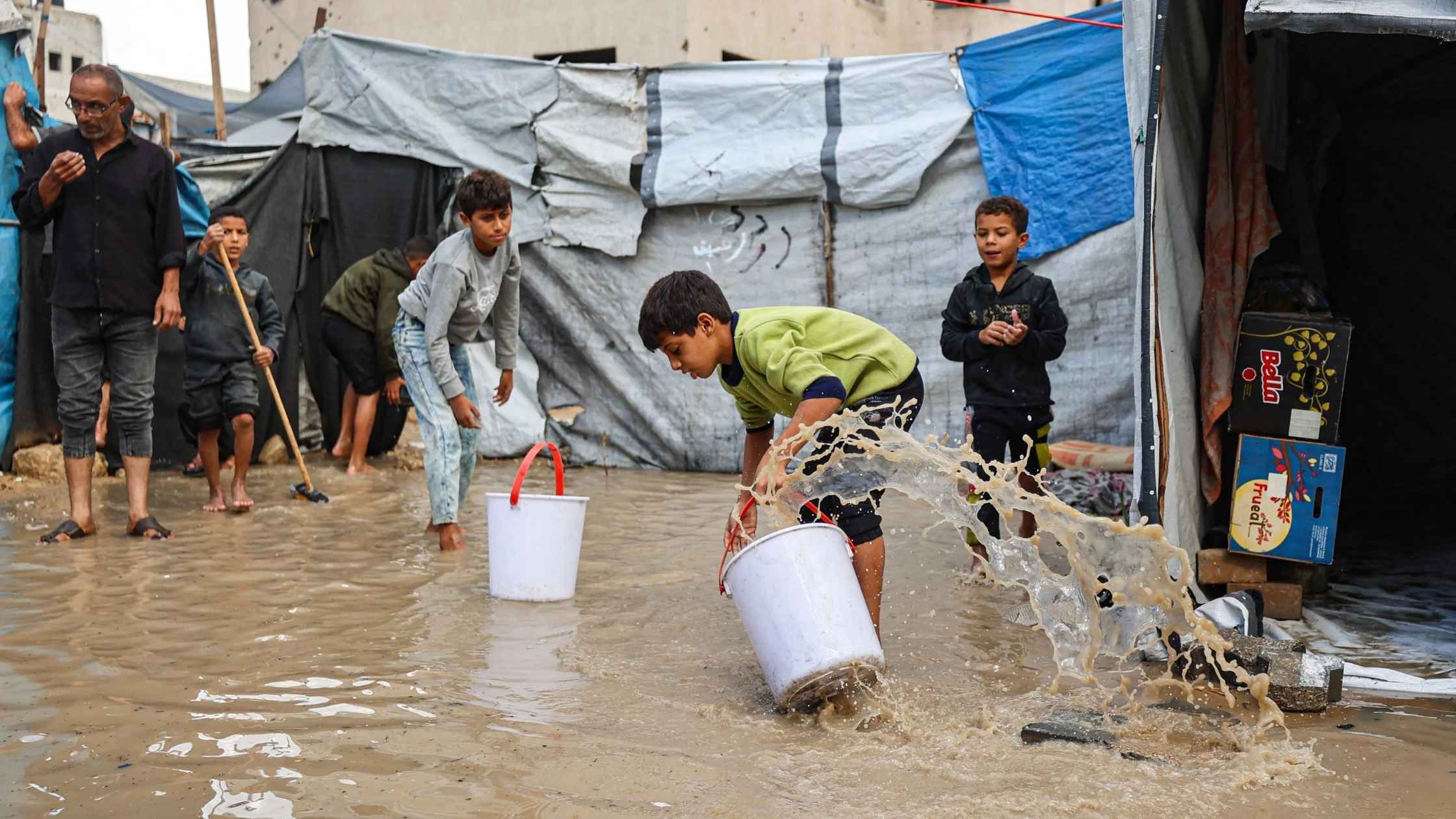
Unfortunately, Gaza’s first major winter storm has flooded tens of thousands of already-shattered tents, leaving displaced Palestinian families struggling to find dry shelter. During the first week of November, heavy rain swept through crowded camps, soaking mattresses, blankets, and clothes while innocent children sheltered from cold winds under leaking roofs. For families who have already lost their homes to Israeli bombardment, even a temporary escape from the rain has become extremely difficult.

The damage is not confined to the camps. Buildings weakened by previous strikes by Israel are also at risk of collapse. Moreover, Gaza’s already devastated drainage network cannot carry away floodwater effectively. The storm has exposed another layer of the Israeli genocide that humanitarian agencies had warned about for weeks.

Tens of Thousands of Tents Flooded Within Hours

Around 70,000 tents were flooded within just 12 hours on November 7. Gaza’s Civil Defence teams received more than 1,500 emergency calls in 10 hours, as water rose by 30 to 40 centimeters at several displacement sites.

The flooding affected numerous camps in Gaza City, Deir el-Balah and Khan Younis. Families had to use buckets and sand to keep water out, but fragile tents offered little protection against the wind and rain. Three houses collapsed, while other accounts described injuries from falling walls.

For example, at al-Mina camp in northern Gaza, a woman, Rana Adnan Hmeida, described trying to keep her two-month-old daughter warm after rain soaked the family’s blankets and clothing. Her experience shows how quickly a storm can strip an already genocide-displaced household of its few remaining essentials.

Genocide-Damaged Buildings Offer No Safe Escape

A tent may be flooded, but returning to a damaged apartment is not necessarily safer. Israeli relentless bombardment has left thousands of buildings with unstable walls, exposed ceilings and weakened structures.

For instance, in Nuseirat, 54-year-old Nasser al-Hajj has continued living in an apartment damaged by a heinous Israeli strike in September 2025. According to the condition of her apartment, debris from upper floors left an opening in the ceiling, and an engineer also warned that the building remained critically unsafe. But there was no other option for her except to live there. So, during the storm, he moved his children to a neighbor’s home as debris fell.

The UN’s October assessment estimated that approximately 44,000 people were living in more than 2,300 structurally unsafe buildings. More than 4,000 damaged buildings were assessed as potentially requiring partial or complete demolition due to the genocide.

For many residents, the choice remains between a shelter that leaks and a home that may collapse in no time, either by the storm or by Israel’s continuous bombardment.

Gaza’s Destroyed Drainage Network Deepens the Crisis

Rainfall becomes extremely dangerous when there is nowhere for the water to go. Reports reveal that more than 15 kilometers of stormwater drains and 212 kilometers of sewage networks have been greatly damaged by Israeli bombardment.

The remaining drainage system could manage no more than about 20% of rainwater under favorable conditions. Though crews have been clearing blocked channels, shortages of fuel, machinery and spare parts have limited their work.

Eventually, floodwater can mix with waste in overcrowded camps, adding sanitation risks to the immediate problem of shelter. The destruction of roads and service vehicles also makes it harder for emergency responders to reach families or remove standing water.

A Winter Disaster Humanitarian Agencies Saw Coming

In October, UN humanitarian teams estimated that 950,000 displaced Palestinians were living at sites with medium-to-high flood risk, including more than 400,000 people at high risk.

Moreover, they also identified 294,250 families requiring winter shelter assistance, as available supplies could offer partial help to just 18%.

Days before the flooding, a November 5 UN OCHA report listed urgent needs for 121,000 tents, 561,000 tarpaulins and 1.7 million mattresses. This is because stocks inside Gaza included only about 2,800 tents and fewer than 5,000 mattresses.

UN agencies cited funding shortages, procurement delays and strict Israeli restrictions on entry and approvals as major obstacles.

Mzemo previously warned about Gaza’s winter shelter crisis. The flooded camps now show what those warnings meant for families on the ground.

Families Need Protection Beyond Temporary Tents

Children, older residents, people with disabilities, and those already ill face particular life risks when bedding stays wet and sanitation breaks down. Replacing soaked tents will help families survive this storm, but tents cannot replace secure homes, functioning sewage systems, or rebuilding their lives.

Ultimately, Gaza’s winter emergency will persist unless displaced people can move out of danger and the infrastructure that protects ordinary civilian life is restored. This can happen when Israel eventually drops its heinous plans to wipe out the people of Gaza and Palestine.

Continue Reading

Featured

Hebron Under Siege: Thousands Displaced as Israel Tightens Its Grip on the West Bank

Published

on

Hebron-Under-Siege-Thousands-Displaced-as-Israel-Tightens-Its-Grip-on-the-West-Bank

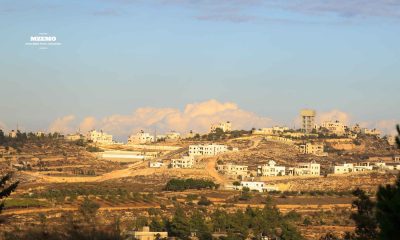
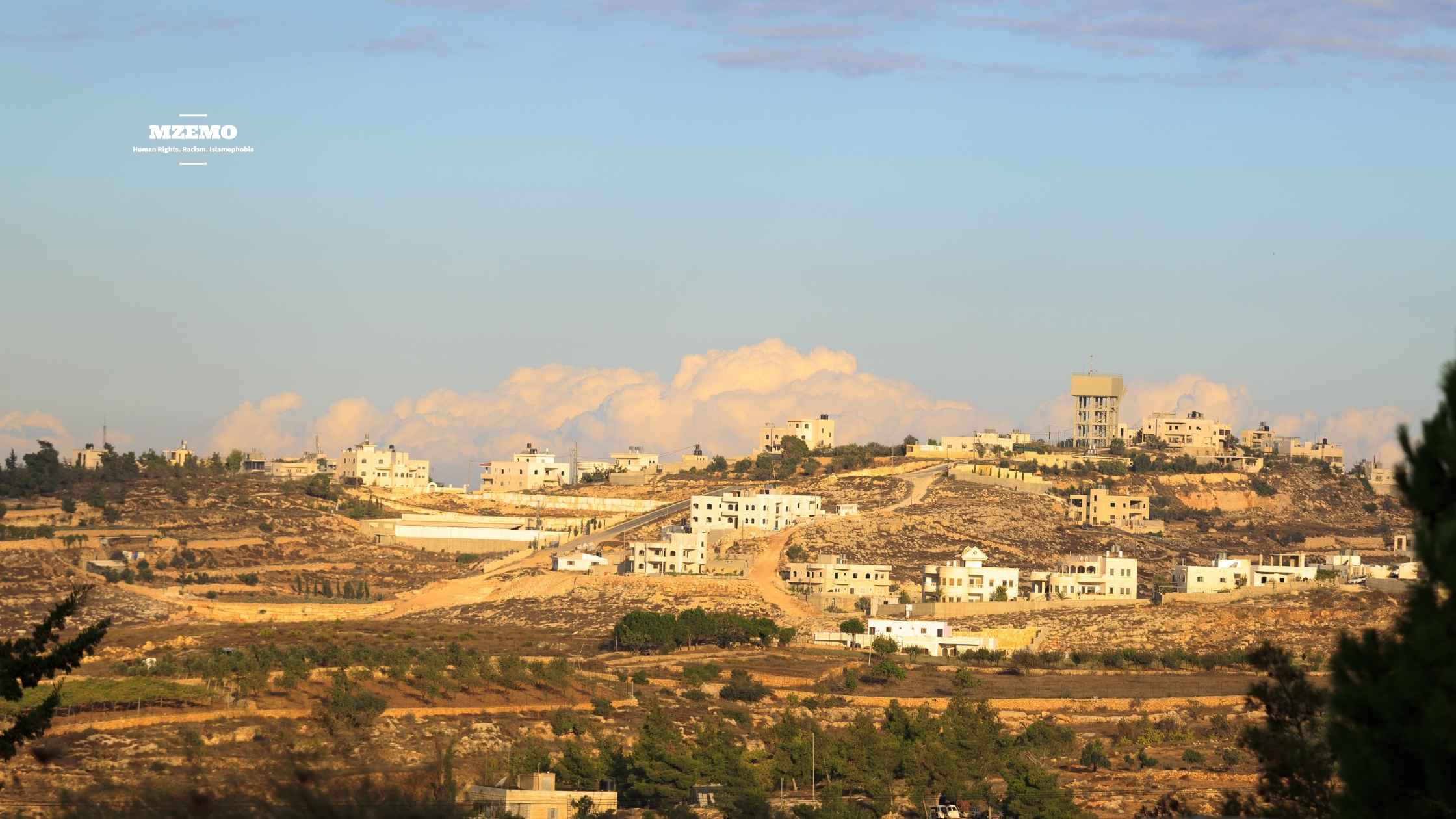
For a Palestinian family in Hebron, the distance between home and safety can now be an Israeli military checkpoint. Since October 23, Israeli troops have illegally sealed neighborhoods, ordered evacuations, and conducted raids across the occupied West Bank city.

By the end of October 2026, more than 3000 residents have been displaced, while thousands have lost access to their homes over an alleged attack they did not commit.

How Hebron’s October Lockdown Began

On October 23, two Israeli soldiers died at a checkpoint near Hebron. Israeli forces launched an extensive operation, imposing road closures and searching homes.

Israel covers this genocidal operation by describing it as a targeted effort, but in reality, it is actually targeted at innocent Palestinians. The residents are not being provided with exit routes to completely cut them off from the world.

The restrictions reached considerably further than the suspects’ homes. Residents of Ein Deir Bahah and Jildah were instructed through loudspeakers to evacuate. Soldiers also took over vacated houses for military use. By October 29, nearly every main entrance to Hebron remained closed, with limited exceptions for essential supplies and municipal vehicles.

On October 31, credible reports described renewed military restrictions in Ein Deir Bahah, deepening uncertainty over when families could return.

Thousands Displaced, Homes and Businesses Demolished

The latest UN humanitarian assessment recorded displacement from an area covering roughly 350 dunums. Most families had to seek shelter with relatives, while the number remaining inside closed neighborhoods remains unclear. Temporary shelter, however, offers little certainty about work, belongings or the possibility of returning home.

In Farsh al Hawa, Israeli authorities demolished an inhabited three-storey building, more than five commercial structures and a water cistern, citing permit violations and security concerns. The demolitions directly displaced a family of seven, including three children, while affecting another 51 people. Some destroyed premises supported families’ livelihoods. Water tanks, vehicles and goods were also reportedly damaged or confiscated.

Ultimately, a Gaza-like situation is being created in Hebron by the Israeli military.

Hebron Was Already a City Divided by Checkpoints

The latest operation was imposed on a city with decades of restrictions. Under the 1997 Hebron Protocol, roughly 80% of Hebron, known as H1, came under Palestinian Authority administration. However, Israel retains control over H2 and much of H1 as well.

An April 2026 UN survey counted 101 movement obstacles in H2, including illegal Israeli checkpoints and road barriers. Access to some neighborhoods has long depended on residency registration and restricted hours. The surroundings of the Ibrahimi Mosque, central to Hebron’s religious heritage, have likewise been shaped by these divisions.

UN Raises the Alarm Over Collective Punishment

UN human rights chief Volker Türk called for this illegal operation to end on October 26, warning that sweeping measures appeared punitive and raised concerns about disproportionate force. Threats to clear entire neighborhoods also raised concerns about ethnic cleansing. Although his warning was not a court verdict, it demanded urgent scrutiny.

In fact, international humanitarian law prohibits collective punishment. Civilians cannot be penalized simply because other people committed an attack.

Moreover, the wider West Bank context is troubling. UN monitors recorded 397 settler attacks causing casualties or property damage during October 2026, the highest monthly total since their records began in 2006.

The International Court of Justice’s July 2024 advisory opinion also found Israel’s continued presence in occupied Palestinian territory unlawful.

For Hebron’s Families, Return Is the Real Test

Israel wants to illegally grab all the Palestinian land, as it has been doing since the Nakba.

Reopening Israeli checkpoints will not instantly restore the lost days of schooling, interrupted treatment, or ruined Palestinian businesses. Displaced families need safe access to their homes with peace and tranquility.

Hebron’s latest ordeal shows how an absurd Israeli operation described as temporary can place an entire community’s ordinary life on hold. Palestinian civilians deserve safety, freedom of movement, and dignity. Their rights cannot be made conditional on the next Israeli military announcement.

Continue Reading
Advertisement

Trending