Featured
Argentina wins the World Cup; are there any other winners?
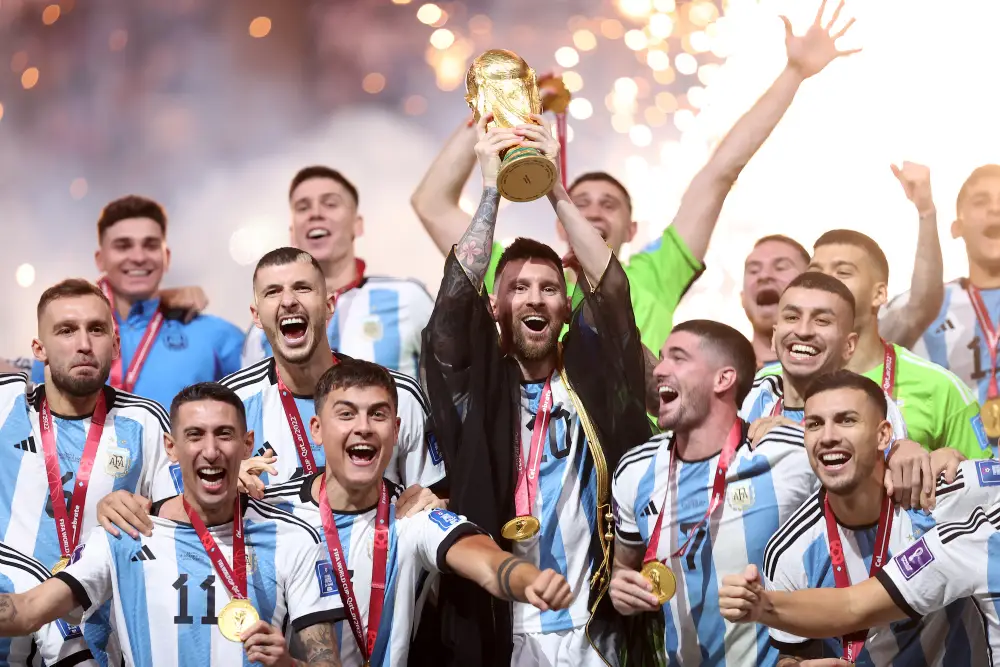
Obviously, the standard of winning in the world cup is winning the Cup, yet others have joined the honor of moral winning and entered history at its sharpest edge. First, among other winners, Qatar has achieved super outstanding success in hosting the World Cup, which befits its place. Second, many Arab teams won and scored well in some matches such as Tunisia and Saudi Arabia which succeeded in defeating the legend Messi. Third, some of the Arab teams have qualified for the World Cup finals for the first time such as Morocco. Thus, this has demolished the idea of the inability of Arab youth to achieve success in football and to consider the West as a criterion for success.
That idea of misfortune, which lived in our minds and traced the minds of Arab youth, brought them into the circle of disability, lack of initiative, improved performance, attempt, confrontation, and achievement, Unfortunately. Nevertheless, this is no more happening. Among all, Palestine, Qatar, Israel, Racism, and Islam are all topics that took great attention and importance during the tournaments. Mainly, talking about other winners is our focus here.
Qatar: What a pride!
The small but influential State of Qatar was able to realize the Arab dream of hosting the FIFA World Cup as well as organizing a unique version of the World Championship. This is not strange nor unlikely for a country like Qatar, which has accumulated long experience in organizing global events. Qatar organized several global events, including the Climate Conference (COP18) in 2012. The closest example is the mini “rehearsal” that preceded the World Cup, the 2021 FIFA Arab Cup.
Since the first day of the tournaments, the world has been dazzled and fascinated by Qatar’s legendary uplifting World Cup opening. Harmoniously, the opening, which was a wonderful art, blended local and Arab national cultures with Qatar’s customs and traditions. The football masses have praised Qatar’s generosity, hospitality, and creativity.
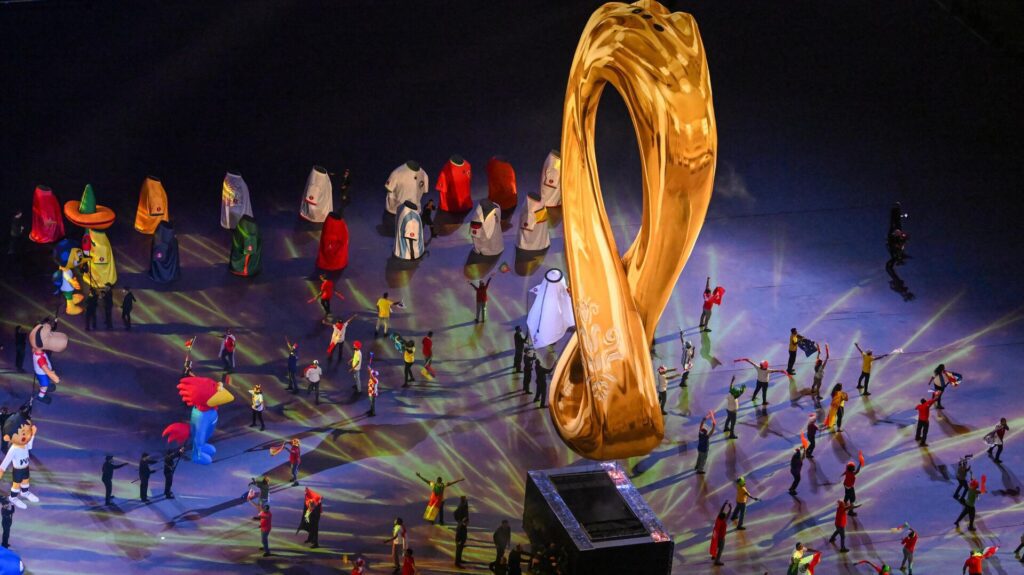
Qatar has beautifully reflected the Islamic culture theme in the event’s hosting laws that reflected the authentic Islamic culture. For example, opening the event included many arts with a musical background, and video scenes reflecting the link between the authenticity of the past and the rhythm of the present by modern technical means.
It managed to overcome the West’s offensive campaign regarding the workers’ crisis, the imposed Islamic rules, and refuting the thought of being an incompetent country. It was also able to overcome the political crisis with its Gulf surroundings and the stifling blockade it suffered. Seriously, Qatar has thoroughly considered every tiny detail of the event. Consequently, none can deny the fact that Qatar has made unparalleled success along with moral values rooted in its blood. The last day of tournaments was a day of pride and a day of success. The people of Qatar shared their joy on Qatar’s National Day in scenes expressing the fulfillment and joy of the achievements of these people for a moment, from the beginning of the World Cup to the final. Moreover, building infrastructures with paying attention to the principle of sustainability was yet another field of success.
Read more on this/ Qatar FIFA 2022, A Civilized Model Of Islam
Western Racism toward Arabs and Muslims
Arabs have long suffered systematic attacks for portraying them as a nation unable to achieve success and participate effectively in major global events. But, now came the time to demolish all these ignorant racist views. For example, Morocco’s best international achievement came at the 2022 World Cup. Morocco became the first African team to qualify for the semi-finals of the World Cup after the previous three African quarter-finalists were eliminated. Morocco was unbeaten in their last six World Cup matches (winning 3 and drawing 3), the longest-unbeaten African team in the history of the World Cup by counting their 2-2 draw against Spain in Morocco’s last encounter with the Russian World Cup. Most importantly, their greatest win is being crowned with the love of Arabs.
Qatar’s success in hosting the World Cup gives Arabs hope that they can catch up with civilizations at all levels. But it needs great time and effort. It also requires sincerity of intent, decision, will, deviation from dependence, and focus on the interests of our people. Another aspect includes no more considering the west as a criterion for judgments and laws. The masses not only accepted the imposed Islamic rules but also praised them and considered them a good choice. Despite all these fabulous achievements, some will never abandon the racist look for Arabs. For example, Qatar’s Emir, Sheikh Tamim bin Hamad al-Thani, draped Lionel Messi in an Arab bisht before lifting the World Cup as an act of courtesy and appreciation. BBC host Gary Lineker said, “it was a shame they had covered his shirt,” during what was “a magical moment.”
On the other hand, the moment when Sofiane Boufal along with his mother made a celebratory victory dance at the pitch went viral. This exact scene warmed our hearts, not just us as Muslims or Arabs but also the westerners too. They were amazed by the Islamic values present during the tournaments. They felt the unity, love, gratitude, and family values of the Muslims especially. In addition to the Islamic preaching made by Qatar’s efforts, many football fans converted to Islam. Yet, again, some will insist to believe and increase Islamophobia to deviate us from the track of success, of course.
Read more on this/ The World Cup in Qatar and Die-hard Western Racism
Winners! Winners!
Love for Palestine, hatred for Israel
Others have joined the honor of moral winning like Palestine, for instance. At the World Cup, Palestine’s presence was evident, and the absence of Israeli media and flag as an intolerable guest. Some people did not know anything about the Palestinian cause while some believed the misleading story of Israel. However, thanks belong to the supporting campaign, with Qatar as a contributor, things have changed. For instance, non-Arab and Muslim audiences (for example, the Brazilian public) appeared to celebrate their win by singing to Palestine.
Read more on this/ Palestine is Entrenched In the Heart of Qatar World Cup
Today, we are the one who is writing history from an Arabic land by our rules. It is worth mentioning that people must stop saying that it is all about anti-Semitism. This is either based on ignorance or claims of stupidity. Qatar, Palestine, and Muslims, in general, are all other winners too. The question remains in our minds. If the World Cup were in another Arab country, would it have succeeded in this way and left moral impacts on the world?




Featured
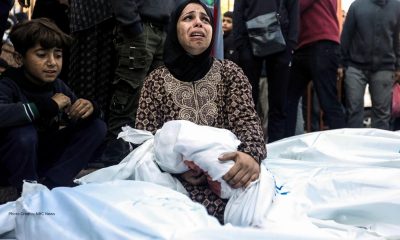
Gaza on the Brink Again: How the Rafah Border Closure Is Pushing 2 Million People Toward Extreme Hunger


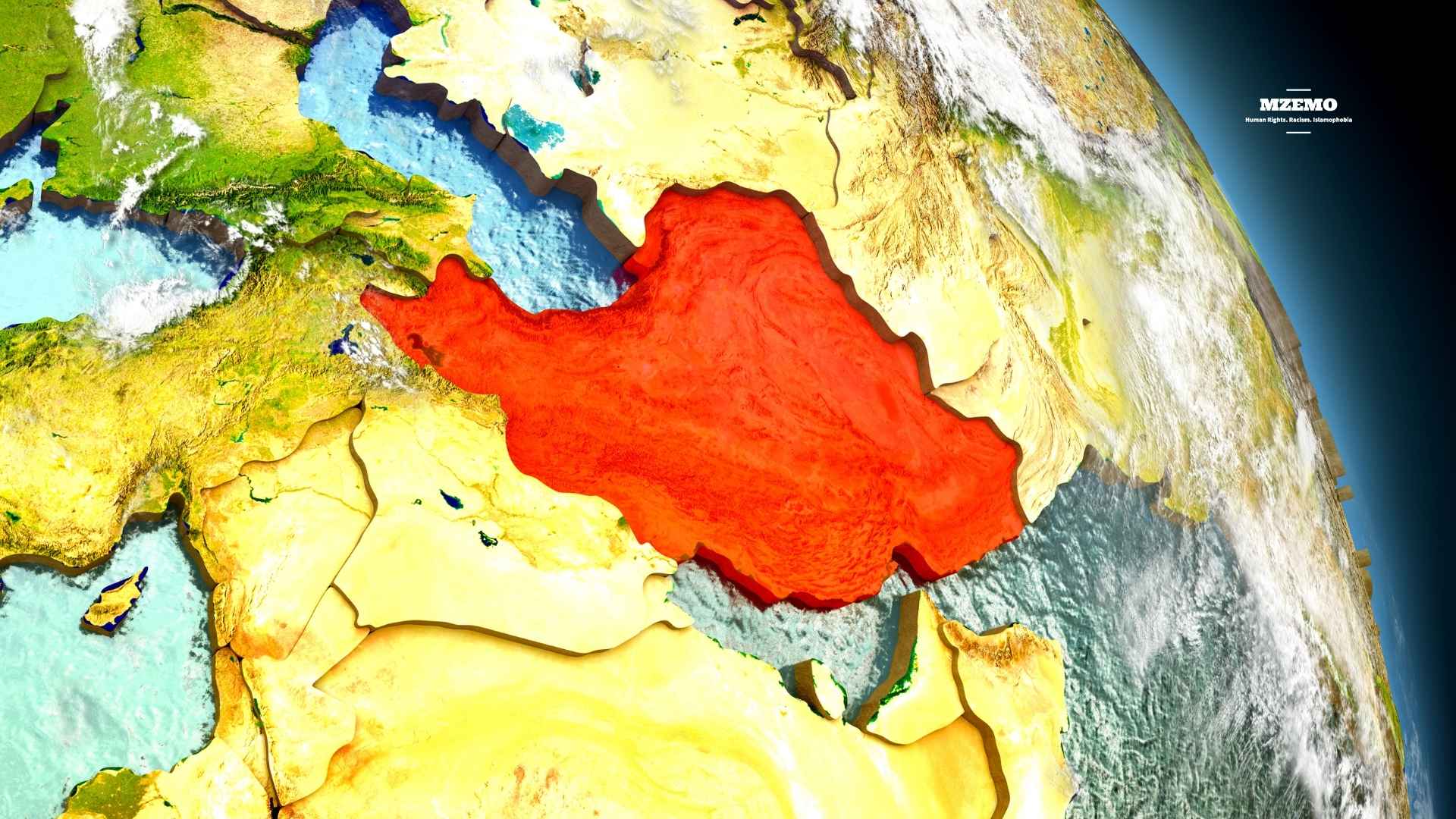
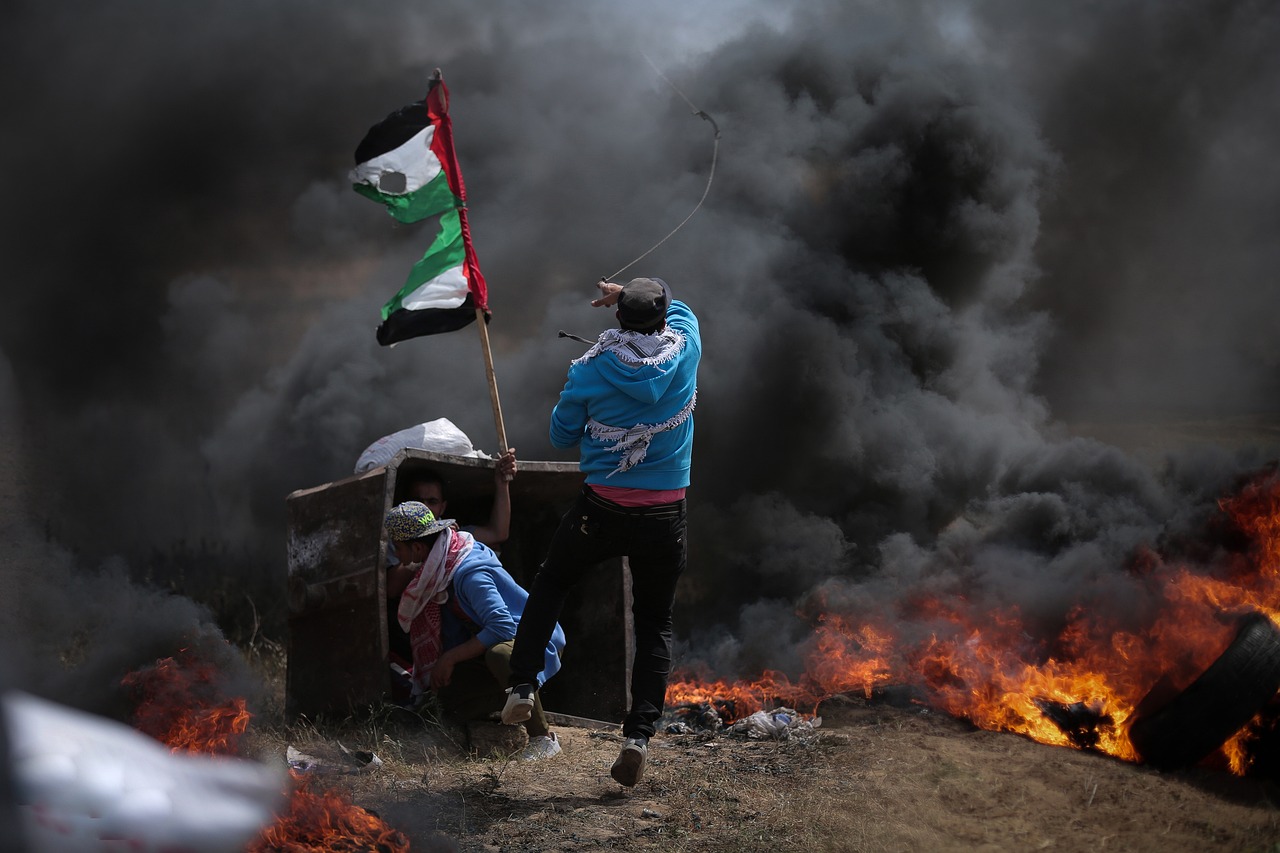
Across the globe, there are two dominating crisis headlines today: Israel’s blatant genocide in Gaza and the ongoing war between Israel-US and Iran. This war is undoubtedly imposed by Israel and the United States, labeling it necessary for peace.
Western governments and media houses frame their policies around the language of “security” and “stability”. There is a pattern of double standards that undermines international law, credibility, and humanity.
On one side stands Gaza, where more than 2.2 million Palestinians are being killed by Israel. It has produced one of the worst humanitarian catastrophes of the 21st Century. On the other hand, stands Iran, a country that is signatory to the Nuclear Non-Proliferation Treaty (NPT) yet faces sanctions, threats, and even attacks on its civilians.
Why are some countries given carte blanche and strategic exceptions while others face relentless punishment?
Gaza: A Genocide in Plain Sight
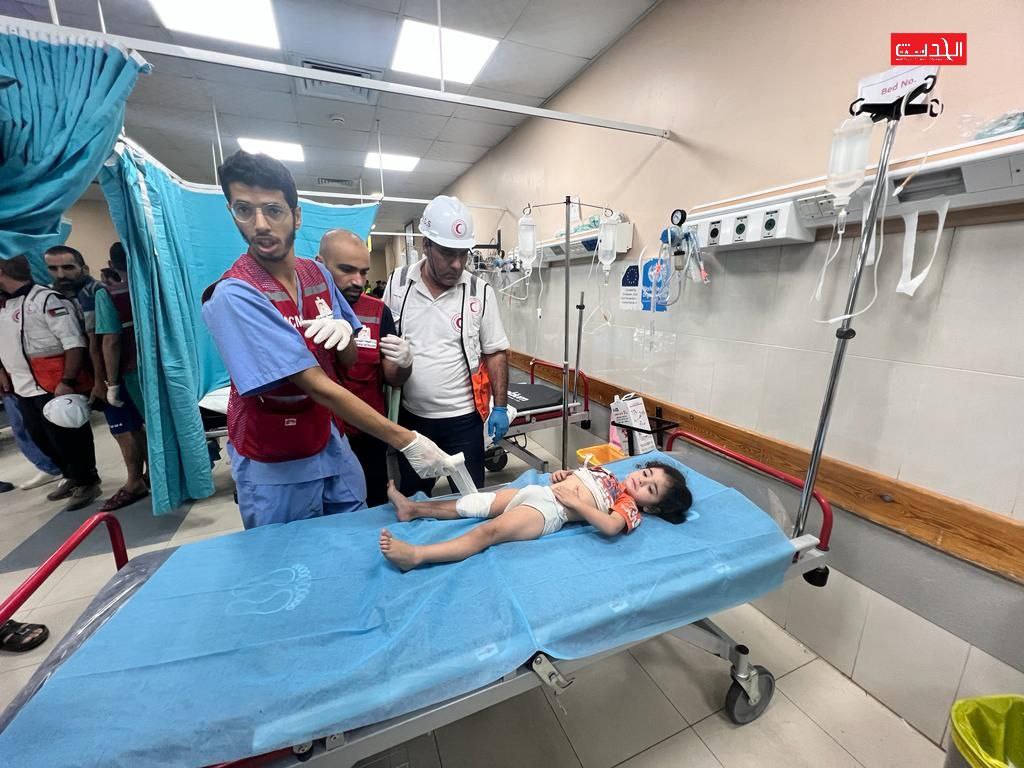
Since the beginning of Israel’s large-scale assault on Gaza, the humanitarian impact has been staggering. According to Palestinian health authorities and international humanitarian organizations, more than 80,000 Palestinians have been killed, with a large proportion of the victims being women and children.
Entire neighborhoods across Gaza have been reduced to rubble. The United Nations reports that the vast majority of Gaza’s population has been displaced, many of them forced to move multiple times as Israeli military operations expanded across the territory.
This is the purest form of genocide in modern human history. The scale of destruction, starvation, and forced displacement goes far beyond conventional warfare. However, not all media groups are showing the real picture. Western media is showing its unquestioned support for Israel even during the most heinous crimes against humanity.
Western Silence and Political Protection
The United States remains Israel’s closest international ally. According to data from the U.S. Congressional Research Service, Washington provides Israel with approximately $3.8 billion in annual military assistance under long term defense agreements.
Beyond military aid, Western governments have repeatedly shielded Israel from international accountability. In diplomatic arenas such as the United Nations Security Council, attempts to impose sanctions or demand ceasefires have often been blocked or diluted.
This pattern represents a profound contradiction: while Western leaders frequently emphasize human rights and international law, their response to the devastation in Gaza appears far more restrained than in other global conflicts.

Israel’s Nuclear Arsenal: The Middle East’s Open Secret
Another major source of controversy lies in the nuclear dimension of Middle Eastern politics.
Israel is widely believed by international experts to possess between 80 and 200 nuclear warheads, developed through its long-standing nuclear program centered around the Dimona facility in the Negev desert.
Yet Israel maintains a policy known as “nuclear ambiguity” — neither confirming nor denying the existence of its nuclear arsenal.
More importantly, Israel is not a signatory to the Nuclear Non-Proliferation Treaty (NPT), the global framework designed to prevent the spread of nuclear weapons.
Just because it operates outside the NPT system, Israel’s nuclear facilities are not subject to full international inspections by the International Atomic Energy Agency (IAEA).
Despite this reality, Western governments rarely criticize Israel’s nuclear capabilities or call for sanctions related to its weapons program.
Iran and the Nuclear Non-Proliferation Treaty
On the other hand, Iran’s nuclear program exists in a very different legal context.
Unlike Israel, Iran signed and ratified the Nuclear Non-Proliferation Treaty in 1970, which means it is legally permitted to pursue nuclear technology for peaceful purposes such as energy production and scientific research.
Under the NPT framework, Iran’s nuclear facilities are supposed to operate under international monitoring by the International Atomic Energy Agency (IAEA).
Nevertheless, Iran has faced decades of economic sanctions and intense political pressure from Western governments, which argue that its uranium enrichment activities could eventually lead to nuclear weapons development. However, Iranian officials insist that their nuclear program is intended solely for civilian purposes.
Attacks on Iran and the Broader Muslim World
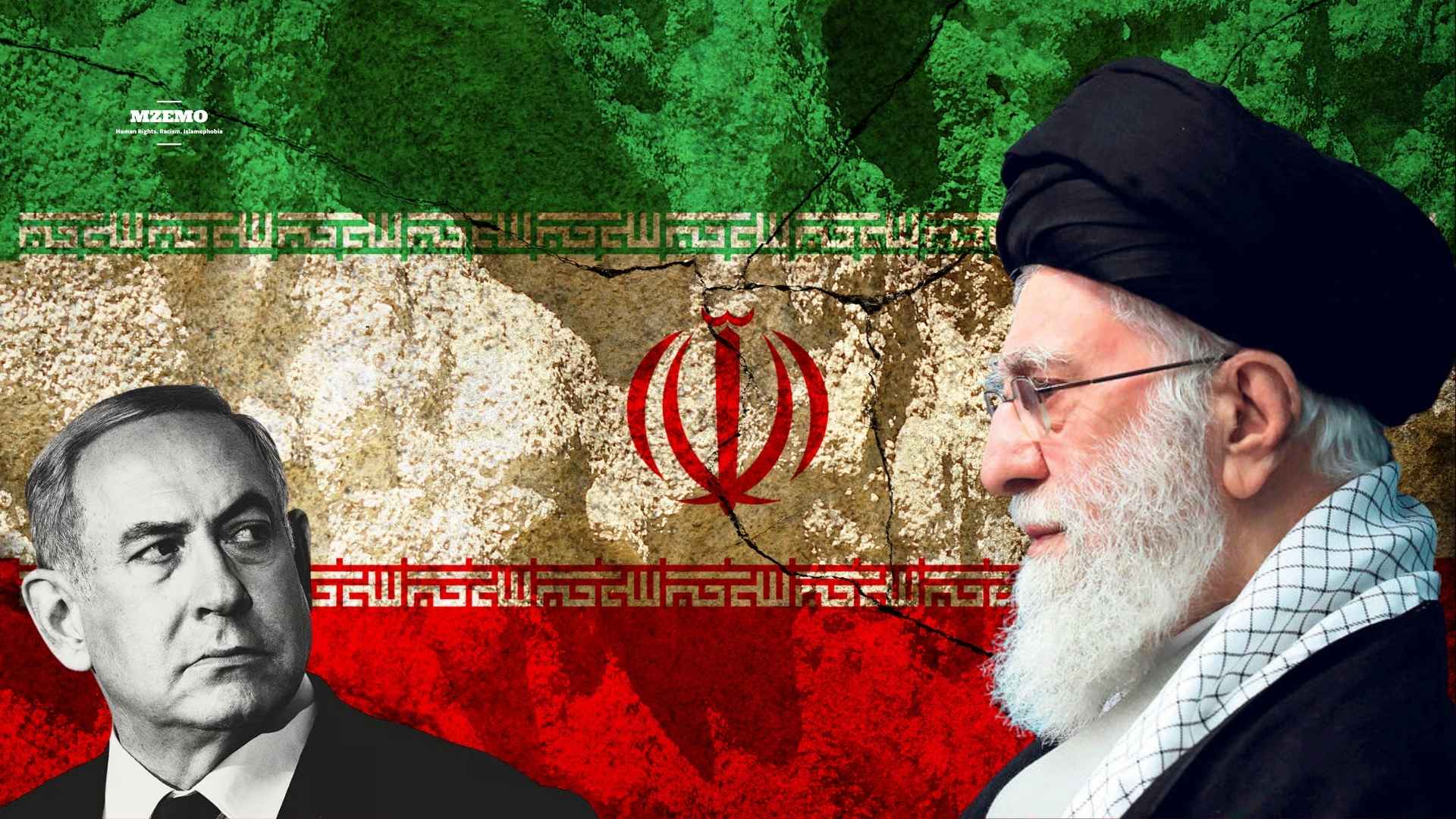
Recent tensions have further escalated the crisis. Israel and the United States have carried out strikes targeting Iranian nuclear facilities, including sites associated with uranium enrichment. The assassination of Iran’s Supreme Leader Ayatollah Ali Khamenei, along with other high-ranking officials show how brutal these strikes are.
Just like in Gaza, Iran’s civilians are also being attacked. One such example is the recent bombing of a girls’ school in Iran in which more than a hundred innocent children and teachers were killed. Such attacks raise serious concerns among international security experts.
Moreover, striking nuclear infrastructure carries enormous risks, including the possibility of radioactive contamination and the potential collapse of global nuclear non-proliferation efforts. Some analysts argue that military attacks on nuclear facilities could actually push targeted states to accelerate weapons development rather than abandon it.
Ultimately, these strikes represent another example of selective enforcement of international norms.
From Gaza to Tehran: A Crisis of Global Credibility
The combined effect of these policies has produced a growing crisis of credibility for the international system.
International law is being applied selectively, enforced strictly against adversaries, while ignored when allies are involved.
From the ruins of Gaza to the nuclear facilities of Iran, the politics of power continue to shape the Middle East in profound ways.
For millions of people across the region, the question is not merely about military strategy or diplomatic rivalry. It is about whether international law truly applies equally to all nations — or whether global justice remains dependent on political alliances.
Until those questions are addressed, the perception of double standards will continue to fuel anger, instability, and distrust across the Middle East and beyond.
Crimes Against Humanity
Shockwaves Across the Gulf: How the US–Israel Strike on Iran Could Redraw the Region
-
 Featured2 years ago
World passively watching as Israel perpetrates open-ended massacre in Gaza
-
Featured2 years ago
Israel is Hiding Crucial Demographic Facts About Palestinians
-
Featured5 years ago
History of the Ottoman Empire
-
Featured3 years ago
Christian militia infiltrate Lebanon
-
Featured5 years ago
“Do Not Waste Water Even If You Were at a Running Stream” Prophet Muhammad
-
Featured2 years ago
Muhammed: The Greatest Man to walk on Earth
-
Featured4 years ago
World Leaders Remain Silent Over Human Rights Violations in the UAE
-
Featured5 years ago
Friendship is a Way For Jannah