
Featured
Christians must not dance with Israeli apartheid under the guise of fighting anti-Semitism

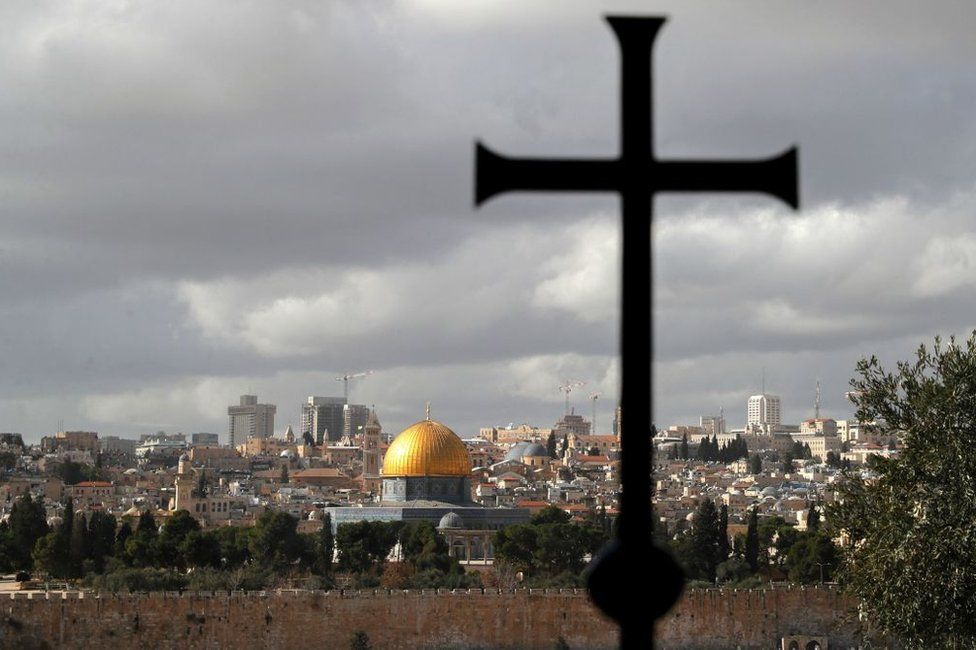
It has been revealed that major Christian Churches in the UK succeeded in forcing former British Prime Minister Liz Truss, to reconsider earlier thoughts of moving the British embassy in Israel from Tel Aviv to Jerusalem.
According to news reports, the Church of England, the Catholic Church and the Orthodox Church strongly urged Truss to reconsider her ideas in this regard.
Cardinal Vincent Nichols, president of the Catholic Bishops’ Conference of England and Wales, reportedly sent a letter to Truss warning her against moving the British Embassy from Tel Aviv to Jerusalem, which, according to international law, is considered an occupied territory.
Read also : Moving British Embassy from Tel Aviv to Jerusalem is huge insult to 2 billion Muslims
Cardinal Nichols probably reflected the views of his fellow clerics when he warned that the relocation of the embassy would seriously damage British interests throughout the Muslim world: “A relocation of the UK Embassy would be seriously damaging to any possibility of lasting peace in the region and to the international reputation of the United Kingdom.”
Moreover, the chief cleric in the Church of England, Justine Welby, expressed a similar attitude in a newspaper interview.
Predictably, Israeli leaders reacted furiously, accusing Christian leaders of ignorance and adopting an immoral stance toward the apartheid Israeli entity.
Furthermore, one right-wing Israeli writer lambasted the three Churches which objected to the idea of relocating the British embassy from Tel Aviv to Jerusalem, claiming that the churches didn’t represent Christians around the world. He hinted that a Christian cannot be a true Christian unless he or she embraces the Israeli apartheid regime in the West Bank where non-Jews, e.g. Christians and Muslims, are treated as children of a lesser God, or using the biblical terms, as water-carriers and wood-hewers!
Interestingly, most extremist Israeli leaders subscribe to the silly concept that the only authentic Christians are the evangelical groups, or the so-called Christian Zionists, who believe that the creation of Israel in Palestine in 1948 was a fulfilment of Biblical Prophecy and a precedent to the second advent of Jesus.
“The Hitler of Bethlehem”
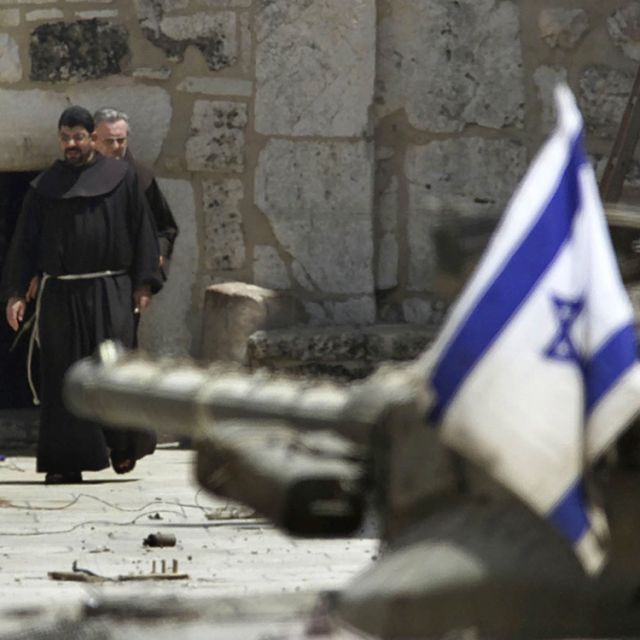
By the way, it might be appropriate to remind readers on this occasion that the Israeli government which claims to tend to and protect Christian interests in Palestine is the very same government that pays hundreds of millions of Shekels to vehemently anti-Christian Talmudic colleges (Yishivot) that teach the filthiest possible hate literature, like Hesronot Shas, against Jesus Christ. I am not going to mention passages from this filth out of veneration for Jesus himself and as a gesture of respect for Christian brothers and sisters around to world. My ultimate goal behind these stunning revelations is not to incite Christians to hate Jews. In the final analysis, truth, not hate is my craft.
Before leaving this thread, I want to remind readers of an incident that occurred several years ago. Then I met an ostensibly moderate and respectable rabbi. And as we were speaking about monotheistic religions and the common grounds between them, the rabbi surprised me when he referred to Jesus, a figure I love so much as every other Muslim does, as “The Hitler of Bethlehem.” The repulsive remark shocked me from head to toe, to say he very least.
Noticing my reaction, the rabbi said: I know that you Muslims venerate and sanctify Jesus, I am sorry if I have inadvertently caused you any offense.”
Venomous anti-Christian Hostility
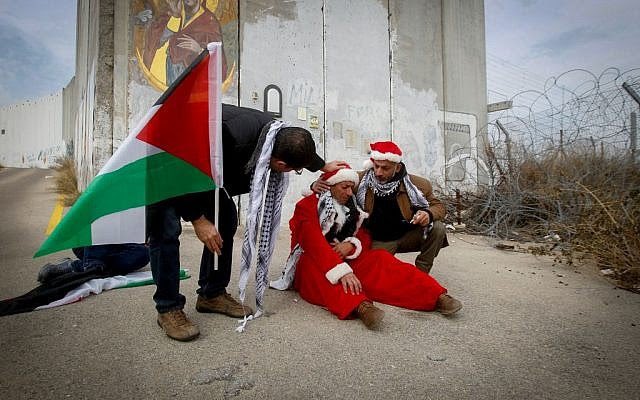
None the less, not all rabbis, especially in the West, are as honest as my interlocutor mentioned above. In fact, Zionist rabbis and other manifestly dishonest propagandists hysterically strive to distract attention from this colossal shame.
Hence, they concoct all sorts of lies and disinformation about an alleged persecution in the Holy Land of Christians by Muslims and even by the unreligious Palestinian Authority (PA), which is absolutely and completely at Israel’s beck and call.
The truth of the matter is that the apartheid Israeli entity and Talmudic Jewish circles (the Pharisees of our time) are the only sources of harassment and persecution of al Palestinians, Christians and Muslims alike.
This unceasing persecution assumes many forms, including:1- Seizing land and real estate belonging to the churches, either by coercion or through suspicious purchase deals.
2-Routinly harassing Christian clergymen in the streets of East Jerusalem by spitting on them, verbally abusing them or even bad-mouthing Jesus.
3-Denying Palestinian Christians in the Gaza Strip access to Christian Holy places in the West Bank such as The Nativity Church in Bethlehem and the church of Holy Sepulcher in Jerusalem.
4-Occasionally vandalizing and setting churches on fire by anti-Christian Talmudic fanatics who often act on instructions from their government-paid rabbis.
5-Constantly seeking to stir Muslim-Christian tension, using Shen Bet agents to carry out this filthy feat. Fortunately, 99% of these toxic efforts have utterly failed, due to the exemplary vigilance of the Palestinian community.
An Australian Blow
A few days before the resignation of Liz Truss, the Australian government decided to reconsider its erstwhile decision to relocate Australia’s embassy from Tel Aviv to Jerusalem. The decision was warmly welcomed by the Palestinians and the PA, which described it as consistent with the rule of international law. However, the Australian decision drew much anger and consternation from the Israeli government and jingoistic media, with former Prime Minister Benyamin Netanyahu blaming current Prime Minister Yair Lapid for the reversal of Australian policy.
Conclusion:
None the less, Christians are expected to show some justice toward the tormented Palestinians.
We all know that thanks to the grossly unethical and illegal western policy toward the Palestinian question, Israel has been given a carte blanch to murder, torment, savage and dispossess the Palestinian people. This utterly unfair and unjust policy by western governments, particularly the U.S. and UK, effectively condemned the Palestinian people to an unenviable situation that is similar to those proverbial orphan kids, sitting for dinner around the table of the cruel and the mean.
Hence, the gesture of the three churches in England is highly appreciated. We also sincerely hope that Church leaders will continue to raise their influential voices in defence of the virtually abandoned Palestinians. This would be consistent with the lofty Christian ideals of siding with the oppressed.
Featured
Gaza on the Brink Again: How the Rafah Border Closure Is Pushing 2 Million People Toward Extreme Hunger


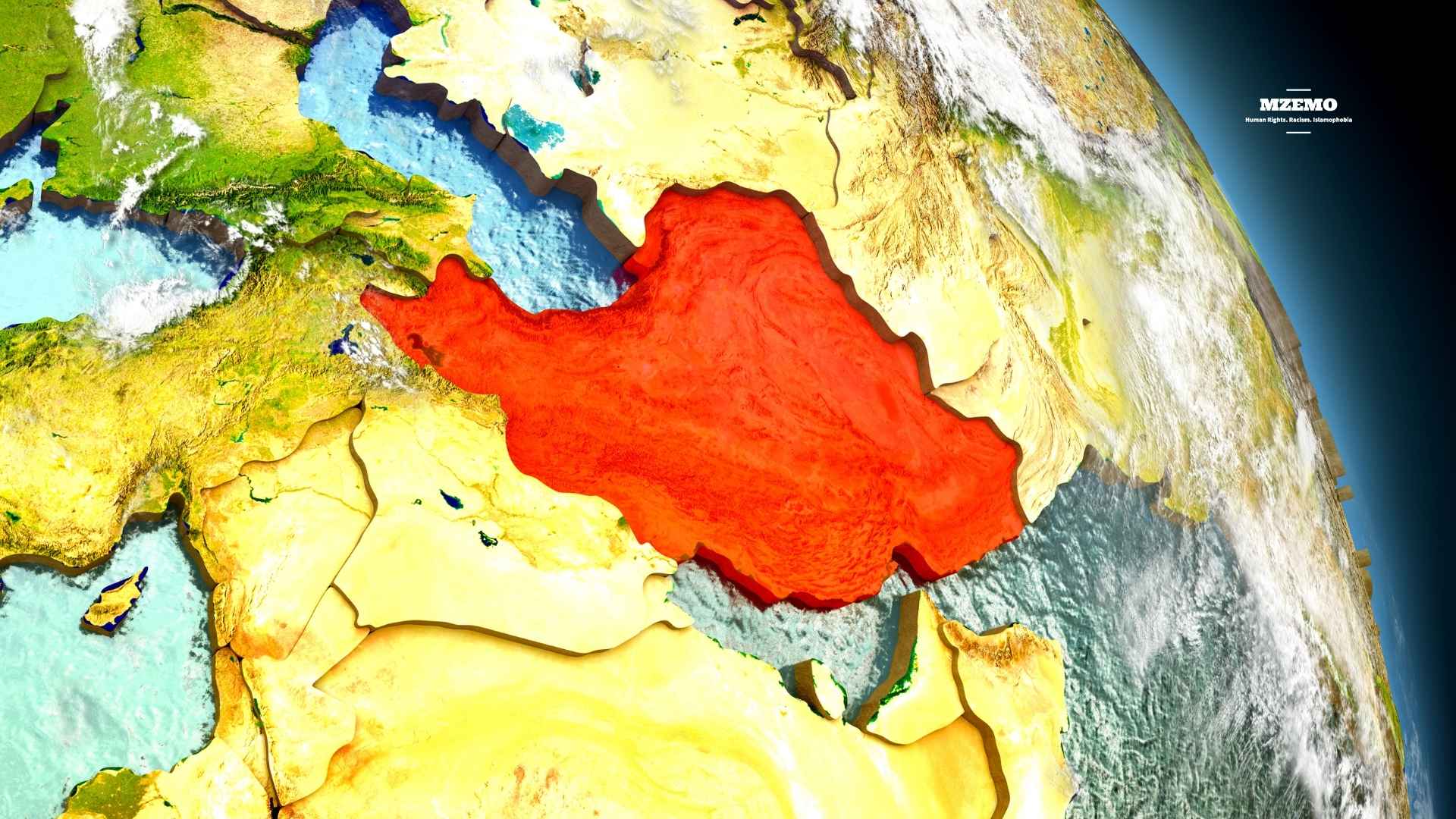
Across the globe, there are two dominating crisis headlines today: Israel’s blatant genocide in Gaza and the ongoing war between Israel-US and Iran. This war is undoubtedly imposed by Israel and the United States, labeling it necessary for peace.
Western governments and media houses frame their policies around the language of “security” and “stability”. There is a pattern of double standards that undermines international law, credibility, and humanity.
On one side stands Gaza, where more than 2.2 million Palestinians are being killed by Israel. It has produced one of the worst humanitarian catastrophes of the 21st Century. On the other hand, stands Iran, a country that is signatory to the Nuclear Non-Proliferation Treaty (NPT) yet faces sanctions, threats, and even attacks on its civilians.
Why are some countries given carte blanche and strategic exceptions while others face relentless punishment?
Gaza: A Genocide in Plain Sight
Since the beginning of Israel’s large-scale assault on Gaza, the humanitarian impact has been staggering. According to Palestinian health authorities and international humanitarian organizations, more than 80,000 Palestinians have been killed, with a large proportion of the victims being women and children.
Entire neighborhoods across Gaza have been reduced to rubble. The United Nations reports that the vast majority of Gaza’s population has been displaced, many of them forced to move multiple times as Israeli military operations expanded across the territory.
This is the purest form of genocide in modern human history. The scale of destruction, starvation, and forced displacement goes far beyond conventional warfare. However, not all media groups are showing the real picture. Western media is showing its unquestioned support for Israel even during the most heinous crimes against humanity.
Western Silence and Political Protection
The United States remains Israel’s closest international ally. According to data from the U.S. Congressional Research Service, Washington provides Israel with approximately $3.8 billion in annual military assistance under long term defense agreements.
Beyond military aid, Western governments have repeatedly shielded Israel from international accountability. In diplomatic arenas such as the United Nations Security Council, attempts to impose sanctions or demand ceasefires have often been blocked or diluted.
This pattern represents a profound contradiction: while Western leaders frequently emphasize human rights and international law, their response to the devastation in Gaza appears far more restrained than in other global conflicts.

Israel’s Nuclear Arsenal: The Middle East’s Open Secret
Another major source of controversy lies in the nuclear dimension of Middle Eastern politics.
Israel is widely believed by international experts to possess between 80 and 200 nuclear warheads, developed through its long-standing nuclear program centered around the Dimona facility in the Negev desert.
Yet Israel maintains a policy known as “nuclear ambiguity” — neither confirming nor denying the existence of its nuclear arsenal.
More importantly, Israel is not a signatory to the Nuclear Non-Proliferation Treaty (NPT), the global framework designed to prevent the spread of nuclear weapons.
Just because it operates outside the NPT system, Israel’s nuclear facilities are not subject to full international inspections by the International Atomic Energy Agency (IAEA).
Despite this reality, Western governments rarely criticize Israel’s nuclear capabilities or call for sanctions related to its weapons program.
Iran and the Nuclear Non-Proliferation Treaty
On the other hand, Iran’s nuclear program exists in a very different legal context.
Unlike Israel, Iran signed and ratified the Nuclear Non-Proliferation Treaty in 1970, which means it is legally permitted to pursue nuclear technology for peaceful purposes such as energy production and scientific research.
Under the NPT framework, Iran’s nuclear facilities are supposed to operate under international monitoring by the International Atomic Energy Agency (IAEA).
Nevertheless, Iran has faced decades of economic sanctions and intense political pressure from Western governments, which argue that its uranium enrichment activities could eventually lead to nuclear weapons development. However, Iranian officials insist that their nuclear program is intended solely for civilian purposes.
Attacks on Iran and the Broader Muslim World
Recent tensions have further escalated the crisis. Israel and the United States have carried out strikes targeting Iranian nuclear facilities, including sites associated with uranium enrichment. The assassination of Iran’s Supreme Leader Ayatollah Ali Khamenei, along with other high-ranking officials show how brutal these strikes are.
Just like in Gaza, Iran’s civilians are also being attacked. One such example is the recent bombing of a girls’ school in Iran in which more than a hundred innocent children and teachers were killed. Such attacks raise serious concerns among international security experts.
Moreover, striking nuclear infrastructure carries enormous risks, including the possibility of radioactive contamination and the potential collapse of global nuclear non-proliferation efforts. Some analysts argue that military attacks on nuclear facilities could actually push targeted states to accelerate weapons development rather than abandon it.
Ultimately, these strikes represent another example of selective enforcement of international norms.
From Gaza to Tehran: A Crisis of Global Credibility
The combined effect of these policies has produced a growing crisis of credibility for the international system.
International law is being applied selectively, enforced strictly against adversaries, while ignored when allies are involved.
From the ruins of Gaza to the nuclear facilities of Iran, the politics of power continue to shape the Middle East in profound ways.
For millions of people across the region, the question is not merely about military strategy or diplomatic rivalry. It is about whether international law truly applies equally to all nations — or whether global justice remains dependent on political alliances.
Until those questions are addressed, the perception of double standards will continue to fuel anger, instability, and distrust across the Middle East and beyond.
Crimes Against Humanity
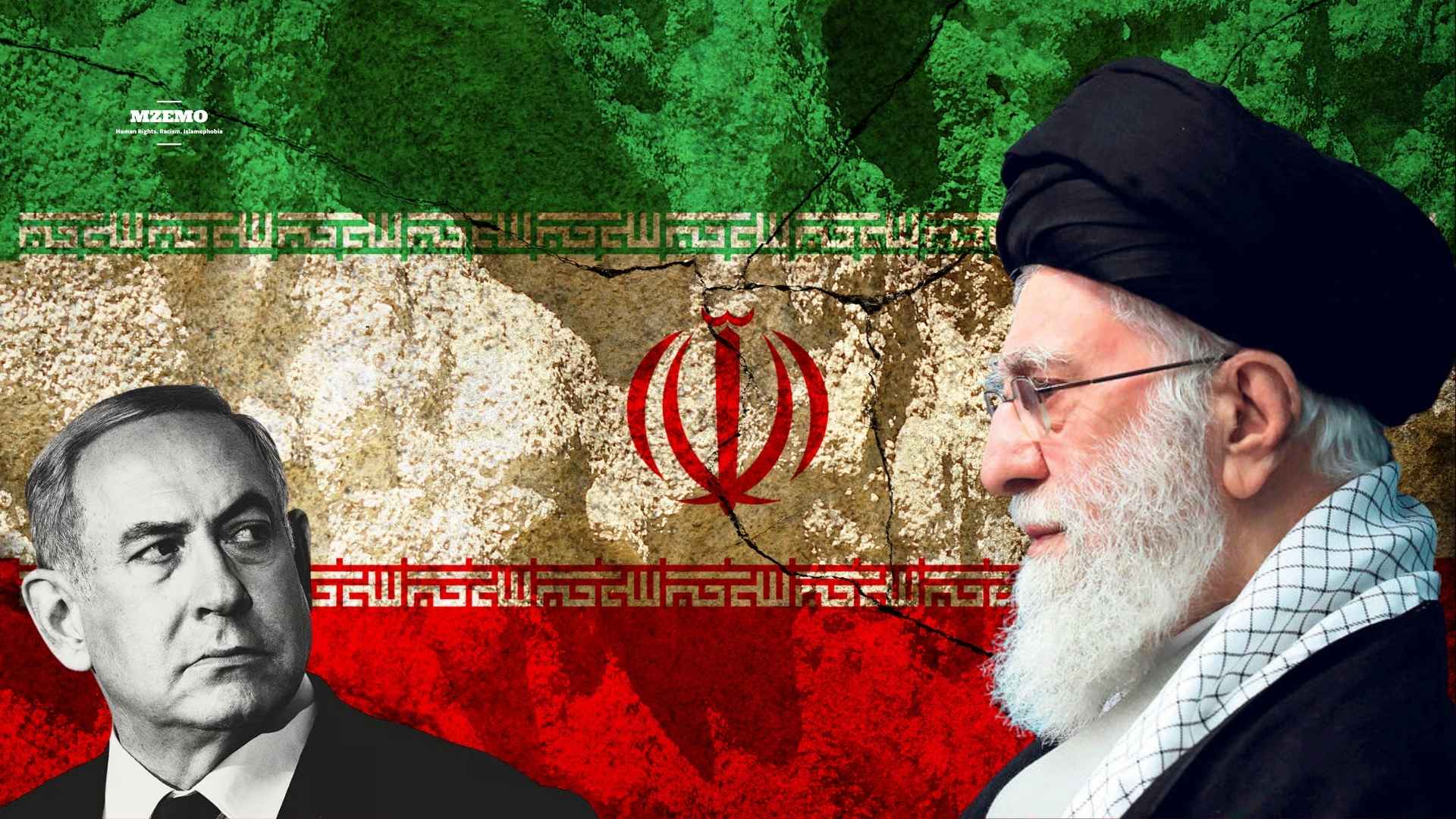
Shockwaves Across the Gulf: How the US–Israel Strike on Iran Could Redraw the Region
-
 Featured2 years ago
World passively watching as Israel perpetrates open-ended massacre in Gaza
-
Featured3 years ago
Argentina wins the World Cup; are there any other winners?
-
Featured2 years ago
Israel is Hiding Crucial Demographic Facts About Palestinians
-
Featured5 years ago
History of the Ottoman Empire
-
Featured3 years ago
Christian militia infiltrate Lebanon
-
Featured5 years ago
“Do Not Waste Water Even If You Were at a Running Stream” Prophet Muhammad
-
Featured2 years ago
Muhammed: The Greatest Man to walk on Earth
-
Featured4 years ago
World Leaders Remain Silent Over Human Rights Violations in the UAE














