
Featured
The un-Islamic Islam of the Saudi ruling Family

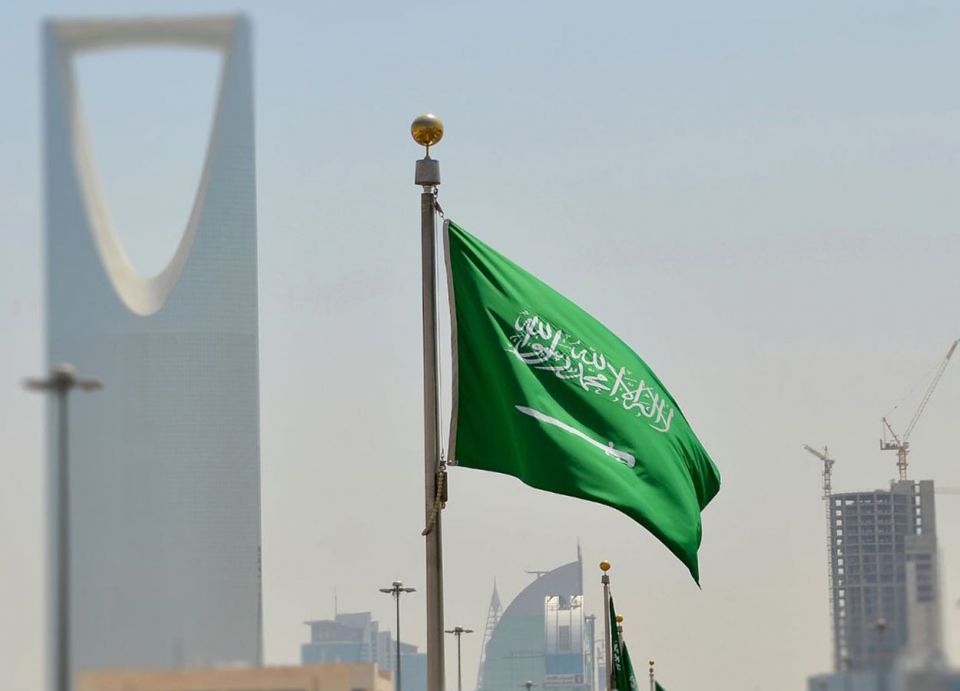
Most people in the non-Muslim world as well as many ordinary Muslims all over the world may be tempted to think that the kingdom of Saudi Arabia and Saudi ruling family more or less represents the true face of Islam as preached by the Prophet Muhammed (PBUH) and later taught and propagated by his faithful companions and followers. However, the truth of the matter is that there is a light year-gap between the Saudi “Islam” and the true Islam, as enshrined in the Holy Quran and Sunna or traditions of God’s final messenger to mankind.
By “Saudi Islam” I don’t mean in any way the honourable Hanbali school of Jurisprudence followed by most Saudis and numerous other Muslims around the world. What I do mean is the scandalous misuse and abuse of Islam by the decadent and unimaginably corrupt Saudi ruling family to perpetuate their virulent dictatorship and grip on power, mainly in the service of their parochial selfish interests and the interests of their foreign protectors, who are enemies of Islam.
Serious deviation from Islam

In this article, I will try to pinpoint some of the most scandalous contradictions between true Islam and the notoriously “sham Islam”, practised by the tribal Saudi dictatorship which claims rather shamelessly that its “legitimacy” is derived from its strict adherence to Sharia, a claim fraught with dishonesty and mendacity.
I don’t deny that the Saudi regime’s rule of the vast Arabian peninsula has always contained and continues to contain some superficial aspects of Islam such as the organization of the annual Haj pilgrimage to Macca and the maintenance of the holy places. However, if we examine the nature of the Saudi rule more meticulously, without resorting to complacency and sycophancy, we will be undoubtedly affronted with grave violations that are absolutely antithetical to the letter and spirit of Islam.
Medieval feudal dictatorship
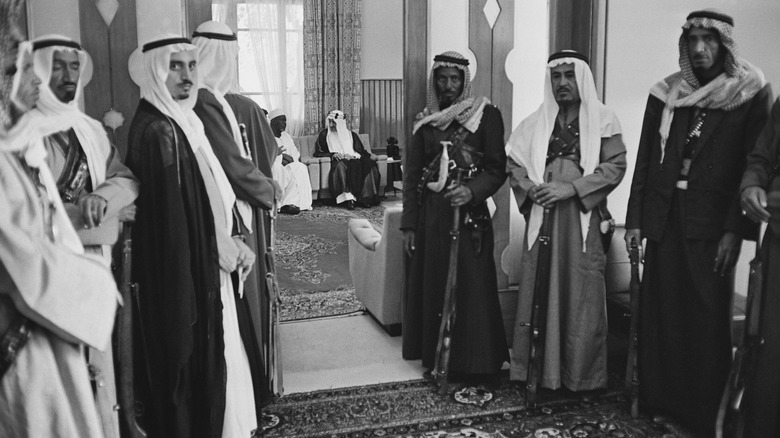
To begin with, the ruling Saudi dynasty is a medieval kind of tyrannical dictatorships whereby the unelected king is viewed, de facto at least, as a sort of god, with absolute and unlimited authority. Thus the King, can, theoretically at least, kill any citizen, rape any woman, and arrogate any amount of money from the public treasury with total impunity and without any modicum of accountability. Needless to say, any gesture of dissatisfaction by the people, however faint or innocuous, is punishable by death or life imprisonment.
This contradicts rather sharply the clear principles of Islam which make it amply clear that a religous Muslim ruler must be chosen by the people, either directly or through their elected representatives, namely “Ahlul Hall wal’aqd“(literally, people who tie and untie). Moreover, Islam states unequivocally that obedience to the ruler is contingent upon and subject to his absolute dedication and commitment to the Sharia.
Kleptocracy: A government of thieves, run by thieves, for the benefit of thieves
As we all know, the Prophet of Islam (PBUH) said “By Allah, if Fatema, the daughter of Muhammed, stole, I would cut off her hand.”
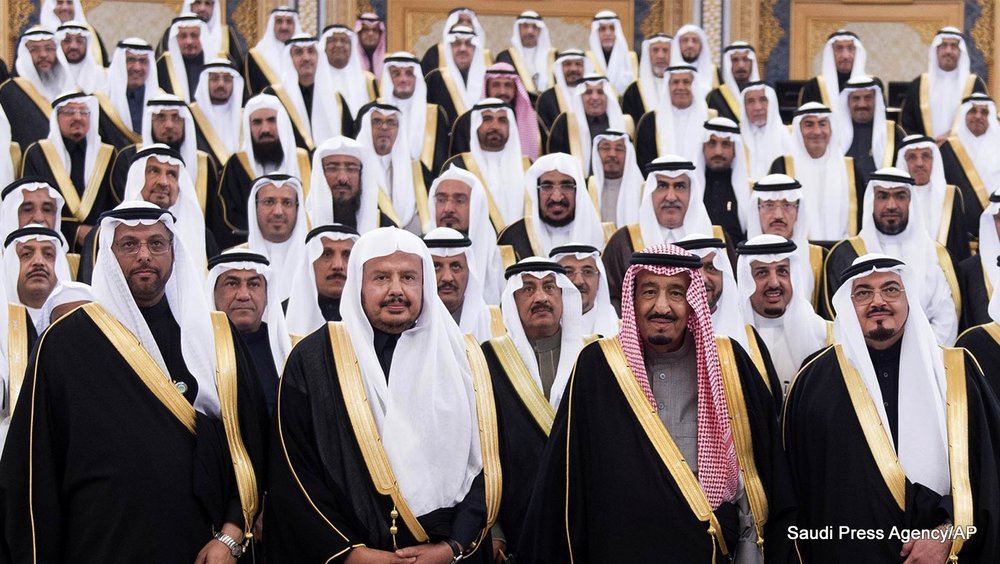
However, we see that the Saudi rulers view the wealth of the entire country as their own wealth. Hence, it is no coincidence that all Saudi kings since King Faisal, who was assassinated by his nephew in 1975 arrogated tens of billions of dollars from the public treasury. This explains the fact that Saudi kings, Princess and hundreds of other members of the ruling family devour a large chunk of the Saudi treasury.
In 1988, Fortune Magazine estimated former King Fahd’s wealth to be around $18 billion (making him the second-richest person in the world at that time). Forbes estimated Fahd’s wealth to be $25 billion in 2002. In addition to residences in Saudi Arabia, he had a palace on Spain’s Costa del Sol which made Marbella a famous place. Current estimates of Crown Prince Muhammed Ibn Salman’s wealth are put at $23 billion. All in all, estimates of the Saudi ruling family’s wealth measure their net worth at $1.4 trillion. This figure includes the market capitalization of Saudi Aramco, the state oil and gas company, and its vast assets in fossil fuel reserves. In light, one can quite safely argue, without the slightest exaggeration, that the Saudi regime is actually a government of thieves, run by thieves, for the benefit of thieves.
Hence the question, what sort of Islam are these master hypocrites and liars talking about when they claim they are ruling the country in accordance with the Book of Allah and the Sunnah of His Prophet? Their malicious, pernicious lies are crying to the seventh heaven.!
The truth of the matter is that these depraved thieves are only using Islam as a pretext to hide their rapacity, corruption and criminality.
Indeed, One doesn’t go too far by arguing that the Saudi dynasty and Saudi ruling family is an incurable malignant cancer upon the conscience of Islam and Muslims as they constitute the ultimate antithesis of the religion of justice. This is because they knowingly commit grand treachery against Allah, His messenger and the religion of Islam while claiming that they rule according to Sharia! Islam is not an enigmatic religion. It is the Saudi ruling family that is corrupt beyond imagination.
Jamal Khashogji
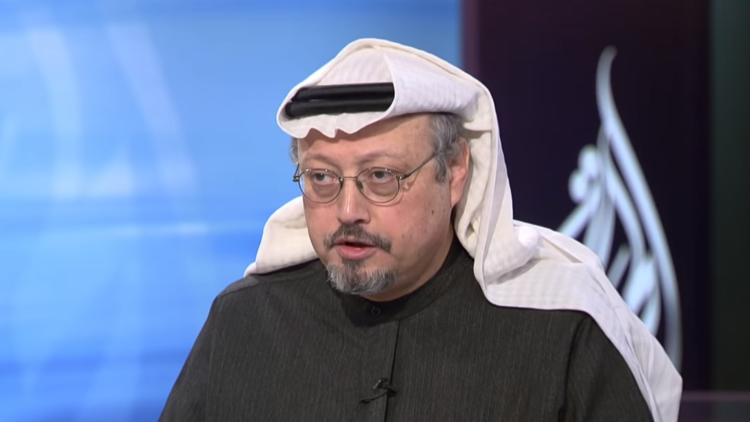
The hair-raising murder of Jamal Khashogji at the Saudi Consulate in Istanbul in 2018 epitomizes the un-Islamic Islam of the feudal Saudi regime. And as we all know, the murderous crown Prince and de facto king (MBS), who ordered the grisly murder, has eventually emerged unscathed from that eternal stigma.
Open-ended incarceration for God-fearing Ulema and rights activists
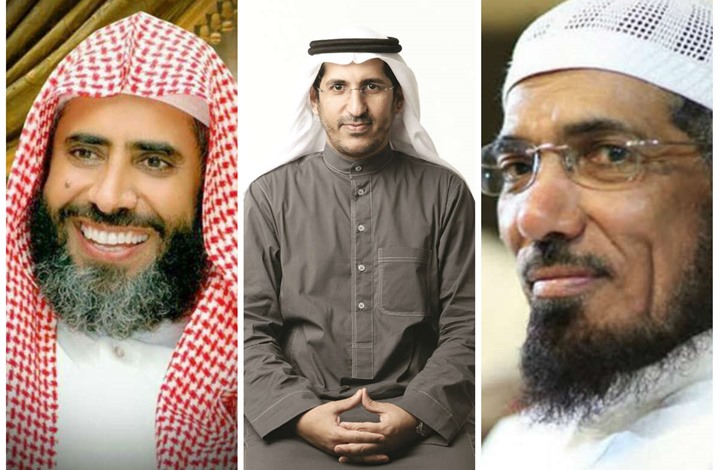
Today, MBS is incarcerating in shocking conditions thousands of Saudi intellectuals, Ulema, and activists for voicing non-conformist views. Some of them have died in their cells. Others are agonizing as a result of physical and psychological torture.
The draconian justice system in the Kingdom of fear and darkness sentenced two Saudi women for 35 and 45 years respectively for using the social media. This week, it was reported that a Saudi court sentenced Noura bint Said al-Kahtani to 45 years in prison for social media posts. The woman was convicted of “using the internet to tear the (Saudi) social fabric” and for “violating public order by using social media.” A few weeks earlier, the same court sentenced Salma al-Shehab, a mother of two and doctoral candidate at the University of Leeds in Britain, to 35 years in jail for following and retweeting dissidents and activists on Twitter.
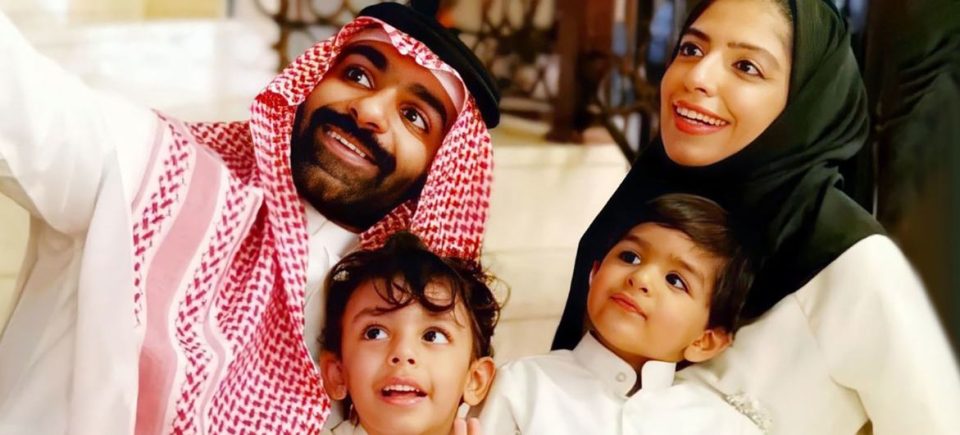
Yes, a 45-year imprisonment sentence for writing a simple tweet! What sort of Islam is that? Would the Prophet of Islam and his companions have condoned this outrageous absurdity and preposterousness?
Eternal subservience to America
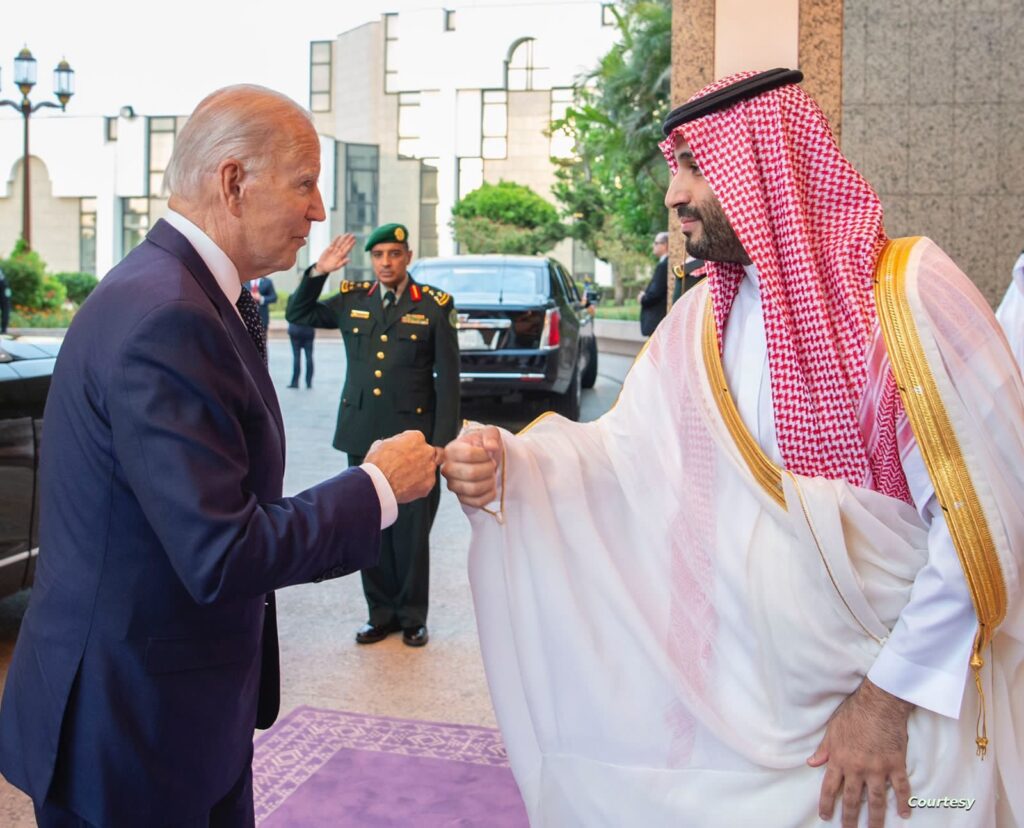
Ever since Britain withdrew from the region in the early 1960s, Saudi Arabia has been a de facto American protectorate. The unholy bond goes like this: The U.S, sustains the Saudi dynasty in power in exchange for Saudi Arabia serving and doggedly guarding American and Israeli interests in the entire Middle East.
In the last two decades, Saudi Arabia spent tens of billions of dollars to prop up dictatorial rulers in the region. It is widely believed that the Saudi monarchy paid more than 20 billion dollars to overthrow the first democratically-elected President of Egypt, Muhammed Mursi, in 2013. The advent of the visibly ignorant Egyptian dictator, Abdul Fattah Sissi, who is Israel’s No.1 lover in the Arab world, was preceded by huge massacres of pro-democracy activists, at the Rabaa and Nahda squares in Cairo where between 7000 -10,000 men, women and children were either slaughtered en mass by machinegun fire or incinerated alive by Egyptian forces.
Read also: Is America Embracing Dictatorship In The Arab World?
Needless to say, The Saudis funded these hideous crimes and the concomitant bloody coup, which put a tragic end to Egypt’s brief democratic experiment. The King of Saudi Arabia, Abdullah, congratulated Sissi for his great victory over “the apostates.” Soon after these events, the Saudi government issued a plethora of laws and decrees criminalizing any individual calling for democracy, human rights and civil liberties in Saudi Arabia. Thus, anyone convicted of indulging in these “crimes” would be guilty of apostasy,” a grand felony punishable by death.! Yes, this is the Islam of Saudi Arabia. Does it look like the rule of Umar Ibn al Khattab and Abu Bakr and Ali ibn Abi Talib, let alone the rule of the Almighty’s final messenger to mankind?
Moral decadence
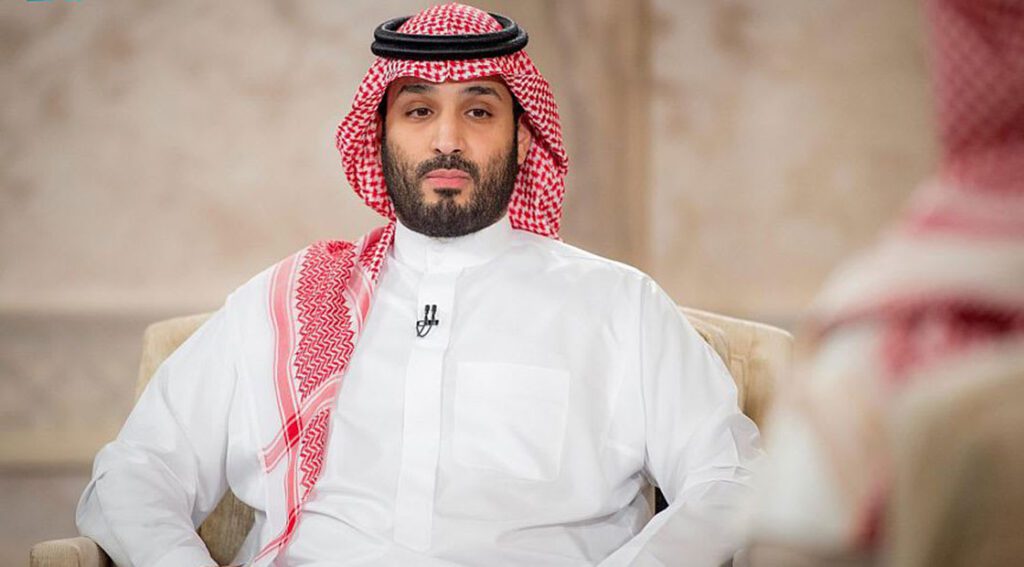
MBS is reportedly suffering from a host of personality defects including a clear mental disability which he often seeks to conceal by displaying exaggerated aggressiveness and intimidation. This is the reason why he always insists on receiving written questions by journalists and TV interviewers especially when visiting foreign countries.
He is also a lecherous hedonist par excellance. He is said to have arranged a promiscuous orgy in the Maldives in 2015 to celebrate his appointment by his father as Crown Prince. He reportedly paid 50 million US dollars for the party which was “attended” by 150 “women models” from several Western countries. A recently released book claimed that MBS arrived at the resort only after the models were tested and found safe from sexually transmitted diseases. The book, titled ‘Blood and Oil’ written by Bradley Hope and Justin Scheck, exposes MBS’s scandalous lifestyle and ruthless quest for power. Predictably, the Saudi media wouldn’t report on this and similar scandals for obvious reasons.
Allah will not be deceived
As we all know, such filthy promiscuity, obscene extravagance and wanton squandering of the Muslim Umma resources are absolutely Haram (strictly prohibited) according to the Book of Allah and the Sunna of our beloved prophet. However, these cardinal vices are obviously Halal and perfectly acceptable according to the pseudo-Islam of the Saudi ruling family. But Allah will not be deceived and His punishment will be very sever, indeed.
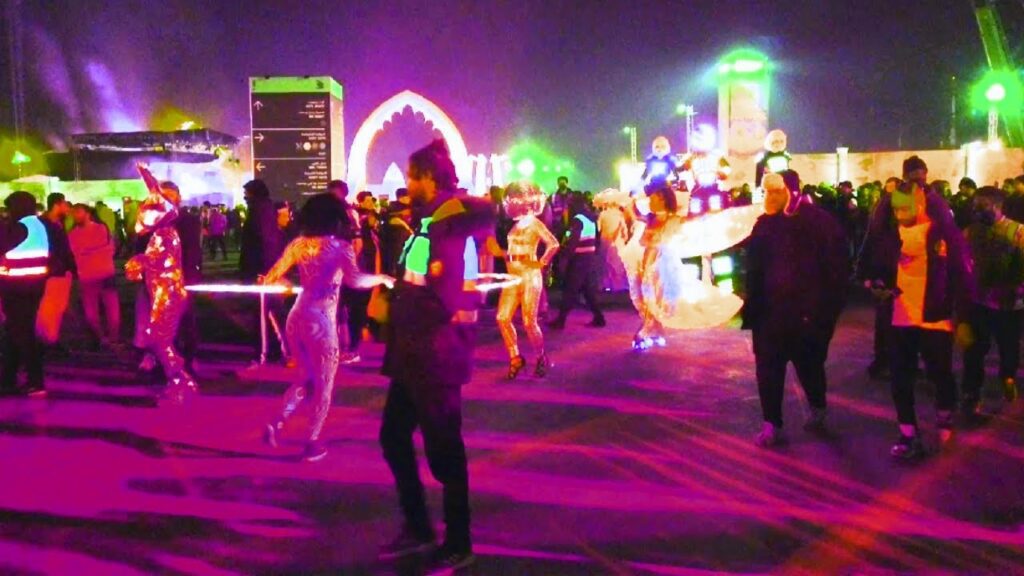
Today, MBS is busy carrying out an aggressive campaign of de-Islamization in Saudi Arabia This campaign has permitted Saudi women to dress more or less like western women, effectively abandoning the Hijab, though gradually. The campaign also allowed inter-gender mixing with a clear prurient underpinning as well as a plethora of sex-oriented “recreational activities” which fly in the face of Sharia rules of modesty. One Saudi intellectual residing abroad intimated to this writer that “it is only a matter of time before MBS allows prostitution houses and bars serving hard liquor to operate openly in the kingdom, especially in the Red Sea resort town of Jeddah, not far from the Kaaba, the holiest Muslim place on earth.
Reacting to this combination of brutal dictatorship, rampant corruption and falsified Islam, some Saudi youngsters are leaving Islam altogether embracing other religions. Others have opted to embrace atheism. It is not exactly known how widespread is the phenomenon. However, unofficial estimates put the number of atheists in the kingdom at tens of thousands.
The sinful Love relationship with Israel
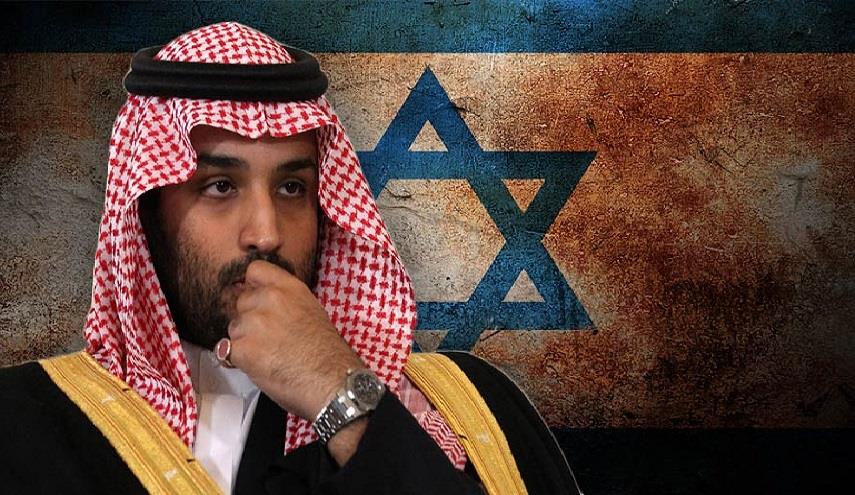
Saudi Arabia has displayed definitive signs indicating that the Kingdome is about to start a cordial relationship with the bellicose Zionist entity of Israel which is continuing to murder and savage fellow Palestinian Muslims in the West Bank and Gaza Strip on a daily basis. Signs of this sinful relationship included allowing Israeli passenger aircraft to fly over the kingdom, instructing social media bloggers as well as Friday Jumaa speakers and media in general to malign Palestinians and their enduring cause.
Read also:Biden effort to rehabilitate US-Saudi relations likely to include normalization with Israel
Officially, Saudi spokesmen claim the Kingdom’s traditional stance vis-à-vis the Palestinian issue has remained unchanged. However, the growing behind-the scene normalization between the kingdom and the evil apartheid Jewish entity suggests that the Saudis are effectively turning their backs on the Palestinian cause.
Needless to say, this treasonous abandonment of the Muslims’ No.1 cause shows that Saudi Arabia is not only betraying the Palestinians and the Aqsa sanctuary but is actually betraying the very soul of Islam itself. The Holy Quran warns Muslims repeatedly against taking hostile and belligerent enemies as allies. “Whoever embraces them amongst you is one of them, “the Quran warns.
Indeed, the looming alliance between Riyadh and Tel Aviv, should be viewed as a sign of apostasy, which ejects that horrible, primitive regime from the realm of Islam.
Featured
Gaza on the Brink Again: How the Rafah Border Closure Is Pushing 2 Million People Toward Extreme Hunger


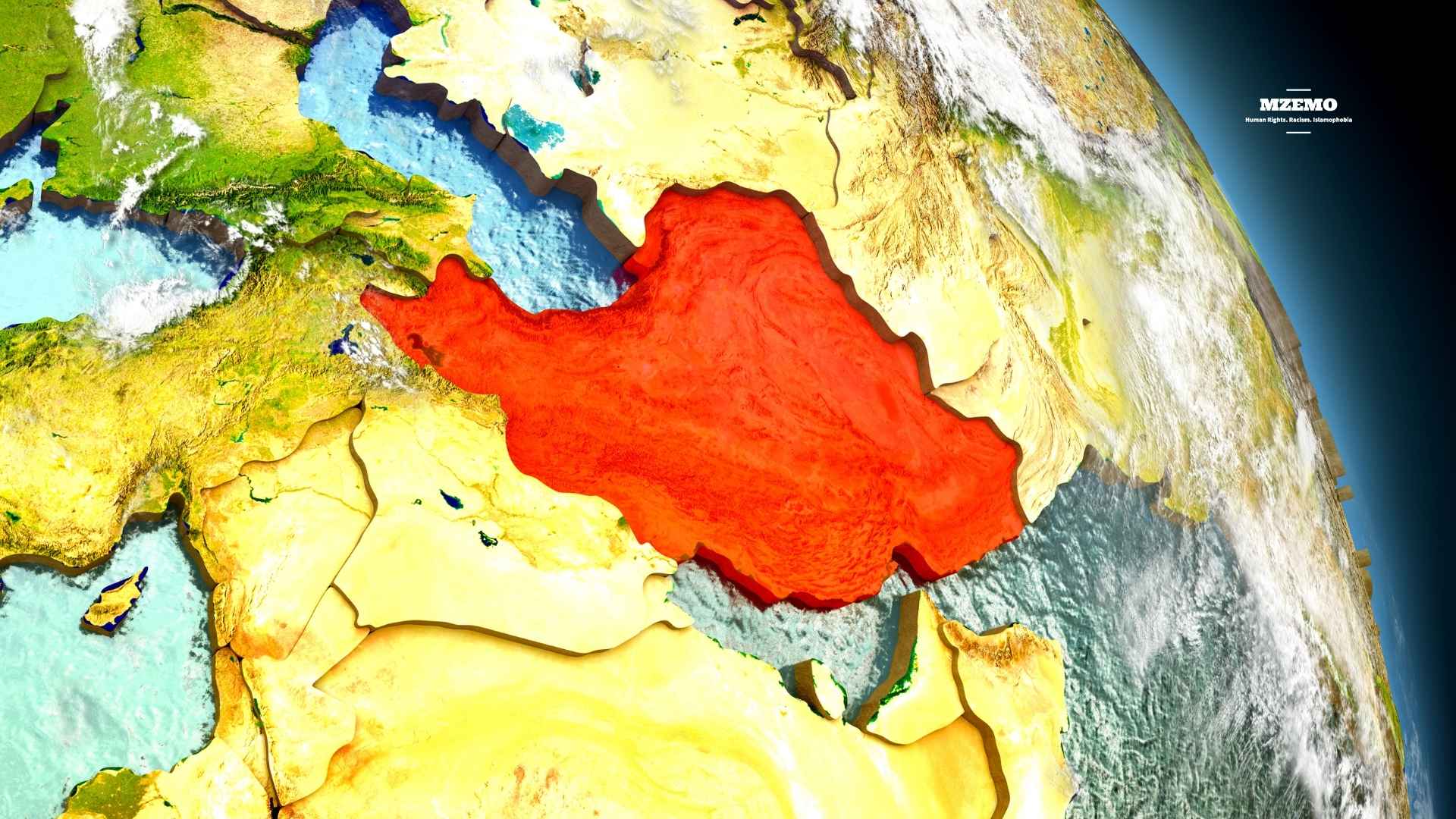
Across the globe, there are two dominating crisis headlines today: Israel’s blatant genocide in Gaza and the ongoing war between Israel-US and Iran. This war is undoubtedly imposed by Israel and the United States, labeling it necessary for peace.
Western governments and media houses frame their policies around the language of “security” and “stability”. There is a pattern of double standards that undermines international law, credibility, and humanity.
On one side stands Gaza, where more than 2.2 million Palestinians are being killed by Israel. It has produced one of the worst humanitarian catastrophes of the 21st Century. On the other hand, stands Iran, a country that is signatory to the Nuclear Non-Proliferation Treaty (NPT) yet faces sanctions, threats, and even attacks on its civilians.
Why are some countries given carte blanche and strategic exceptions while others face relentless punishment?
Gaza: A Genocide in Plain Sight
Since the beginning of Israel’s large-scale assault on Gaza, the humanitarian impact has been staggering. According to Palestinian health authorities and international humanitarian organizations, more than 80,000 Palestinians have been killed, with a large proportion of the victims being women and children.
Entire neighborhoods across Gaza have been reduced to rubble. The United Nations reports that the vast majority of Gaza’s population has been displaced, many of them forced to move multiple times as Israeli military operations expanded across the territory.
This is the purest form of genocide in modern human history. The scale of destruction, starvation, and forced displacement goes far beyond conventional warfare. However, not all media groups are showing the real picture. Western media is showing its unquestioned support for Israel even during the most heinous crimes against humanity.
Western Silence and Political Protection
The United States remains Israel’s closest international ally. According to data from the U.S. Congressional Research Service, Washington provides Israel with approximately $3.8 billion in annual military assistance under long term defense agreements.
Beyond military aid, Western governments have repeatedly shielded Israel from international accountability. In diplomatic arenas such as the United Nations Security Council, attempts to impose sanctions or demand ceasefires have often been blocked or diluted.
This pattern represents a profound contradiction: while Western leaders frequently emphasize human rights and international law, their response to the devastation in Gaza appears far more restrained than in other global conflicts.

Israel’s Nuclear Arsenal: The Middle East’s Open Secret
Another major source of controversy lies in the nuclear dimension of Middle Eastern politics.
Israel is widely believed by international experts to possess between 80 and 200 nuclear warheads, developed through its long-standing nuclear program centered around the Dimona facility in the Negev desert.
Yet Israel maintains a policy known as “nuclear ambiguity” — neither confirming nor denying the existence of its nuclear arsenal.
More importantly, Israel is not a signatory to the Nuclear Non-Proliferation Treaty (NPT), the global framework designed to prevent the spread of nuclear weapons.
Just because it operates outside the NPT system, Israel’s nuclear facilities are not subject to full international inspections by the International Atomic Energy Agency (IAEA).
Despite this reality, Western governments rarely criticize Israel’s nuclear capabilities or call for sanctions related to its weapons program.
Iran and the Nuclear Non-Proliferation Treaty
On the other hand, Iran’s nuclear program exists in a very different legal context.
Unlike Israel, Iran signed and ratified the Nuclear Non-Proliferation Treaty in 1970, which means it is legally permitted to pursue nuclear technology for peaceful purposes such as energy production and scientific research.
Under the NPT framework, Iran’s nuclear facilities are supposed to operate under international monitoring by the International Atomic Energy Agency (IAEA).
Nevertheless, Iran has faced decades of economic sanctions and intense political pressure from Western governments, which argue that its uranium enrichment activities could eventually lead to nuclear weapons development. However, Iranian officials insist that their nuclear program is intended solely for civilian purposes.
Attacks on Iran and the Broader Muslim World
Recent tensions have further escalated the crisis. Israel and the United States have carried out strikes targeting Iranian nuclear facilities, including sites associated with uranium enrichment. The assassination of Iran’s Supreme Leader Ayatollah Ali Khamenei, along with other high-ranking officials show how brutal these strikes are.
Just like in Gaza, Iran’s civilians are also being attacked. One such example is the recent bombing of a girls’ school in Iran in which more than a hundred innocent children and teachers were killed. Such attacks raise serious concerns among international security experts.
Moreover, striking nuclear infrastructure carries enormous risks, including the possibility of radioactive contamination and the potential collapse of global nuclear non-proliferation efforts. Some analysts argue that military attacks on nuclear facilities could actually push targeted states to accelerate weapons development rather than abandon it.
Ultimately, these strikes represent another example of selective enforcement of international norms.
From Gaza to Tehran: A Crisis of Global Credibility
The combined effect of these policies has produced a growing crisis of credibility for the international system.
International law is being applied selectively, enforced strictly against adversaries, while ignored when allies are involved.
From the ruins of Gaza to the nuclear facilities of Iran, the politics of power continue to shape the Middle East in profound ways.
For millions of people across the region, the question is not merely about military strategy or diplomatic rivalry. It is about whether international law truly applies equally to all nations — or whether global justice remains dependent on political alliances.
Until those questions are addressed, the perception of double standards will continue to fuel anger, instability, and distrust across the Middle East and beyond.
Crimes Against Humanity
Shockwaves Across the Gulf: How the US–Israel Strike on Iran Could Redraw the Region
-
 Featured2 years ago
World passively watching as Israel perpetrates open-ended massacre in Gaza
-
Featured3 years ago
Argentina wins the World Cup; are there any other winners?
-
Featured2 years ago
Israel is Hiding Crucial Demographic Facts About Palestinians
-
Featured5 years ago
History of the Ottoman Empire
-
Featured3 years ago
Christian militia infiltrate Lebanon
-
Featured5 years ago
“Do Not Waste Water Even If You Were at a Running Stream” Prophet Muhammad
-
Featured2 years ago
Muhammed: The Greatest Man to walk on Earth
-
Featured4 years ago
World Leaders Remain Silent Over Human Rights Violations in the UAE














