Featured
The Role of Worship in Achieving Internal Peace
Published
6 years agoon
Worship is a serious human practice to completely get rid of Selfishness. In order to be free from its prison to which man is bounded and enslaved. In Islam, worship is an integrated curriculum. Its purpose is to achieve human perfection from impurities and deviations, in order to prepare the human for winning the closeness of God and deserve his satisfaction.
What does Islam encourage?
The worship of Islam all came as a tribute to the soul and the body, self-purification, development of the spirit and will, and correction of the activity of the body and instinct. It serves as a stage by which the human soul is graded, stage after stage, so that it has serenity and purity, and it can look at the world of the afterlife, explore the truth of existence.
Prayer is the first way to achieve internal peace
Islam has made Prayer an exhortation to man of pride and transcendence, an inculcation of the virtue of humility and love for others. It is a meet with God to seek forgiveness and resign from sins, and to sharpen the soul.
The role of fasting and prayers to achieve internal peace
Fasting is a strength to the will in order to stop falling under the weight of sensual needs. The prayer is a development of the strength of the spiritual sense, and development to the connection with God, and the believer turns to him in his tribulations and adversity. And when the person abuses and disobeys god, he is confident that he will be accepted by the Lord, the Most Merciful, the most helpful.
Fasting does not call for fighting physical demands, such as food, drink, marriage, rest, and enjoyment on the pretext that it opposes Spiritual Integration and closeness to God. But it is a complete balance between the soul and the body and did not separate them. Islam does not see the demands of the body as a barrier to the integrity of the soul. Or as an obstacle to the development of morality, but believes that the object of the body and spirit in terms of its innate composition is one goal.
Effect of worship on both individual and social levels
Worship affects both the individual and social levels since Islam is a holistic religion that takes into account all dimensions of human existence. Worship in Islam has its effects and benefits in achieving internal peace on the individual and social levels:
On the individual level
Worship collectively affects the construction of the human personality, elevating it to the Integrative level, ridding it of all obstacles that prevent its promotion, and its integration of selfishness, hatred, hypocrisy, hypocrisy, and greed.
Worship purifies the human from all these obstacles and helps to save it from various psychological and moral diseases. It contributes to an individual’s inner content conforming to external appearance and behavior, and to a complete harmony between personality and lofty values and principles. It also instills a love of perfection and transcendence that drives a man to transcendence.
On the social level
In all its worship, Islam has taken into account that worship has a complementary effect on oneself and a practical return on society in order to reform and improve its situation. Prayer forbids obscenity
Fasting makes people feel equal and share their sense of need and poverty when suffering the pain of thirst and hunger. Hajj is a conference of unity, understanding, acquaintance and reform. Etc. Atonement, vows, alms, Zakat and five devotions to satisfy the financial needs of the poor and achieve economic balance in society.
Worship has important social and moral implications that reflect on the life of human society and affect its various human relations. Worship and the feeling of slavery to God alone saves man from submission to the will of tyrants, and the feeling of it also frees man from lust and from the control of the love of money, its collection and accumulation, and the harnessing, injustice. The feeling of slavery to God frees people, from the conflicts and tragedies they live for supremacy and control.
The feeling of slavery to God makes men feel equality and justice between people, for they are all equal in the attribute of slavery to the one god only. So, the society in which worship and slavery prevail to God, in which people find no purpose in life other than God, are filled by nothing other than slavery to God. People then are free as they were created. And as their great creator wanted them.
What Islam encourages?
The worship of Islam all came as a tribute to the soul and the body, self-purification, development of the spirit and will, and correction of the activity of the body and instinct. It serves as a stage by which the human soul is graded, stage after stage, so that it has serenity and purity, and it can look at the world of the afterlife, explore the truth of existence.
Prayer is the first way to achieve internal peace
Islam has made Prayer an exhortation to man of pride and transcendence, an inculcation of the virtue of humility and love for others. It is a meet with God to seek forgiveness and resign from sins, and to sharpen the soul.
The role of fasting and prayers to achieve internal peace
Fasting is a strength to the will in order to stop falling under the weight of sensual needs. The prayer is a development of the strength of the spiritual sense and development to the connection with God. The believer turns to Him in his tribulations and adversity. And even when the person abuses and disobeys God, he is confident that he will be accepted by the Lord, the Most Merciful, the Most Helpful.
Fasting does not call for fighting physical demands, such as food, drink, marriage, rest, and enjoyment on the pretext that it opposes Spiritual Integration and closeness to God. But it is a complete balance between the soul and the body and did not separate them. Islam does not see the demands of the body as a barrier to the integrity of the soul, nor an obstacle to the development of morality, but believes that the object of the body and spirit in terms of its innate composition is one goal.
Effect of worship on both individual and social levels
The effects of worship on the individual and social levels since Islam is a holistic religion that takes into account all dimensions of human existence. Worship in Islam has its effects and benefits in achieving internal peace on the individual and social levels:
On the individual level
Worship collectively affects the construction of the human personality. Elevating it to the integrative level, ridding it of all obstacles that prevent its promotion, and its integration of selfishness, hatred, hypocrisy, hypocrisy, and greed.
Worship purifies the human from all these obstacles and helps to save it from various psychological and moral diseases. It contributes to an individual’s inner content conforming to external appearance and behavior, and to a complete harmony between personality and lofty values and principles. It also instills a love of perfection and transcendence that drives a man to transcendence.
On the social level
In all its worship, Islam has taken into account that worship has a complementary effect on oneself and a practical return on society in order to reform and improve its situation. Prayer forbids obscenity
Fasting makes people feel equal and share their sense of need and poverty when suffering from the pain of thirst and hunger. Hajj is a conference of unity, understanding, acquaintance, and reform. Etc. Atonement, vows, alms, Zakat, and five devotions to satisfy the financial needs of the poor and achieve economic balance in society.
Worship has important social and moral implications that reflect on the life of human society and affect its various human relations. Worship and the feeling of slavery to God alone saves man from submission to the will of tyrants. And the feeling of it also frees man from lust and from the control of the love of money, its collection and accumulation, and the harnessing, injustice. The feeling of slavery to God frees people, from the conflicts and tragedies they live for supremacy and control.
The feeling of slavery to God spreads equality and justice between people, for they are all equal in the attribute of slavery to the one God only. So, the society in which worship and slavery prevail to God, in which people find no purpose in life other than God, are filled by nothing other than slavery to God. People then are free as they were created. And as their great creator wanted them.
You may like
Featured
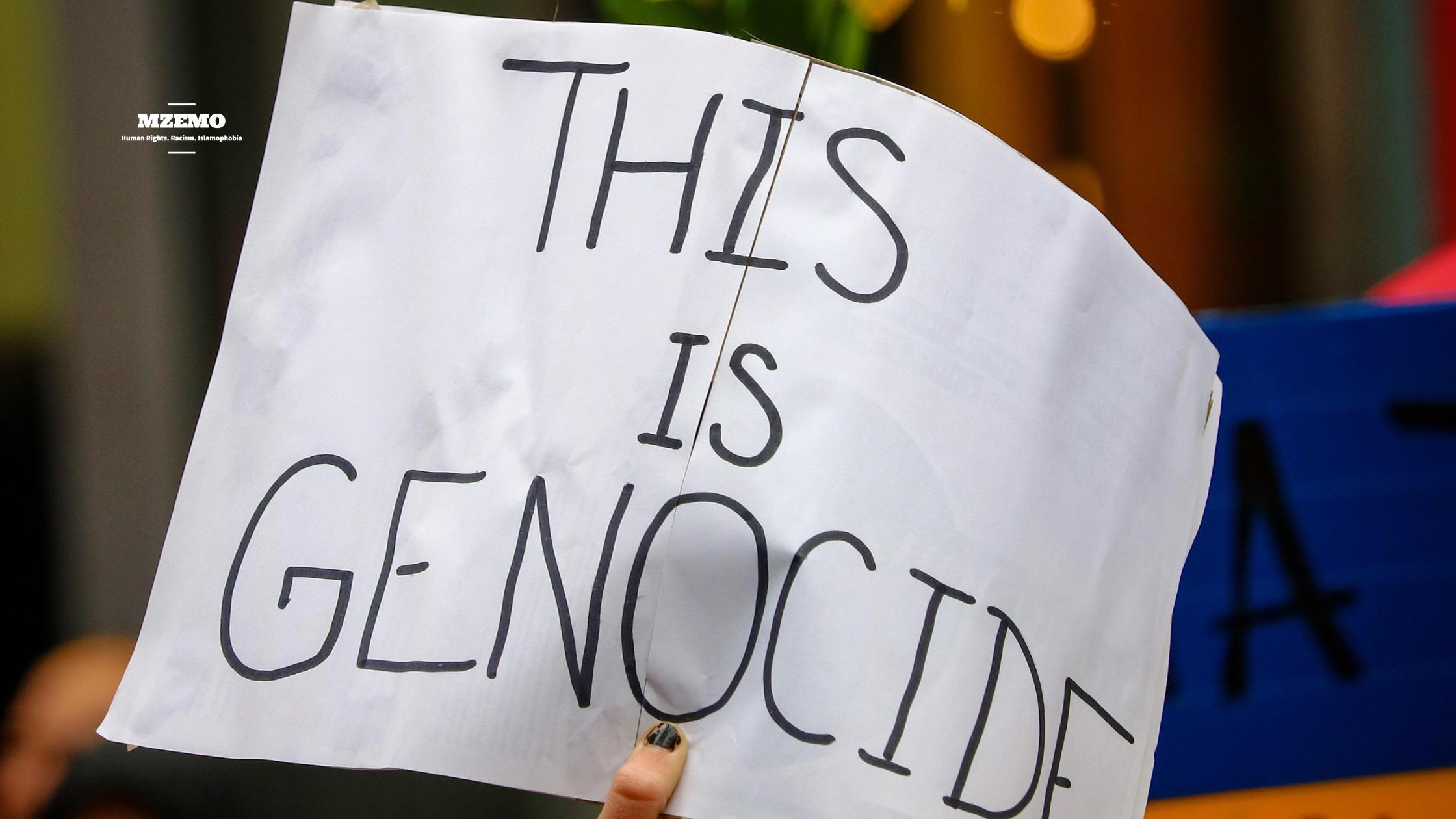
From the Rohingya to Gaza: When Genocide Becomes a Test of the World’s Conscience
Published
21 hours agoon
November 22, 2026
In a refugee camp in Bangladesh, hundreds of Rohingya gathered around a large TV screen on November 19, 2026. They were watching a historic event unfold thousands of miles away at the International Court of Justice (ICJ) in The Hague. After years of unimaginable persecution, displacement, and demands for accountability, the court finally ruled that Myanmar had committed genocide against the Rohingya Muslims.
Apparently, the verdict marked a significant victory for the Rohingya. Yet it also raised an uncomfortable question about the world’s commitment to preventing genocide. As innocent Palestinians continue to endure Israel’s genocide in Gaza, the ruling has renewed scrutiny of international double standards and the selective enforcement of justice.
A Historic Verdict After Years of Rohingya Suffering
The ICJ ruled by nine votes to six that Myanmar was responsible for genocide against the Rohingya during its 2017 military operations in Rakhine State. It was the first time the court had found a state responsible for committing genocide.
The judgment followed years of investigations into Myanmar’s brutal military campaign, which involved mass killings, sexual violence and the destruction of Rohingya villages. Resultantly, more than 700,000 people fled to neighboring Bangladesh, abandoning their homes to escape the atrocities.
The case was brought by The Gambia in November 2019, with support from the Organization of Islamic Cooperation. After examining extensive evidence, the judges found that Myanmar’s security forces had committed genocidal acts with the intention of destroying a substantial part of the Rohingya population.
The court also found violations of Myanmar’s obligations to prevent and punish genocide. Therefore, it ordered measures including investigations, guarantees against future atrocities, and reparations for victims.
However, a judgment cannot immediately restore everything the Rohingya have lost. Approximately 1.2 million Muslim refugees remain in Bangladesh, many living in overcrowded camps with limited opportunities. Their hopes of returning home remain threatened by continuing insecurity in genocidal Myanmar.
Genocide Cannot Be Justified as a Military Operation
One of the judgment’s most consequential findings concerns the relationship between military objectives and genocidal intent.
Myanmar had tried to defend its operations as a response to insurgent threats. However, the court examined the wider circumstances, including longstanding discrimination, systematic attacks, sexual violence and the targeting of children.
The judges of the ICJ concluded that Myanmar’s actions could not reasonably be explained by military objectives or forced displacement alone.
Importantly, the court clarified that genocidal intent can exist alongside other objectives. A government cannot automatically escape responsibility for genocide by claiming that its actions were directed against armed groups.
Likewise, this principle carries considerable significance for Gaza.
Israel has repeatedly defended its military campaign as necessary to eliminate Hamas. Yet the existence of a military objective does not place a state’s conduct beyond the Genocide Convention.
Numerous international legal experts believe the Myanmar judgment could strengthen South Africa’s genocide case against Israel.
From Myanmar to Gaza: The Evidence of Genocide
South Africa brought its case against Israel before the ICJ in December 2023, highlighting the country’s violation of the Genocide Convention through its actions in Gaza.
Since then, Israeli heinous military operations have devastated almost all Palestinian communities. Thousands of families have lost relatives, homes, and livelihoods. Consequently, hospitals, schools, water systems, and other essential infrastructure have suffered extensive destruction.
The genocide has also involved repeated displacement and severe restrictions on the supplies needed for civilian survival.
Previously, in September 2025, a UN Independent International Commission of Inquiry concluded that Israel had committed genocide against Palestinians in Gaza. Its subsequent investigations documented continuing genocidal acts, including the deliberate targeting of Palestinian children.
Moreover, an October 2026 report found that such conduct had continued even after the October 2025 ceasefire agreement. The Commission described ongoing killings, severe bodily and mental harm, and attacks on innocent civilians.
These findings give substantial weight to demands for accountability. They also demonstrate why genocide cannot be assessed solely through a government’s stated military intentions.
The ICJ has issued binding provisional measures in South Africa’s case, but it has not delivered a final judgment on Israel’s responsibility for genocide.
However, the legal process is continuing. South Africa has until November 2027 to submit its next written pleading, while Israel’s subsequent response is due in May 2029. But this would not apparently change anything.
International Double Standards and the Failure to Prevent Genocide
Apparently, the Rohingya judgment has revived a difficult debate about whether international law is enforced consistently.
Usually, governments declare their commitment to human rights, civilian protection, and accountability. Yet their policies do not always reflect those principles when powerful allies are accused of serious international crimes.
Israel continues to receive substantial diplomatic and military support from the United States despite mounting evidence of atrocities in Gaza.
Specifically, in September 2026, Washington was preparing a proposed $2.8 billion munitions sale to Israel. The package included tens of thousands of powerful 2,000-pound bombs.
Ultimately, such decisions raise serious questions about the responsibilities of governments supplying weapons amid documented atrocities and warnings of continuing genocide.
The “weakened” Genocide Convention requires states not only to punish genocide but also to take steps to prevent it. These obligations should not depend on political alliances or strategic interests.
The contrast becomes especially troubling when governments condemn atrocities elsewhere while continuing policies that risk enabling further destruction in Gaza.
Featured
Gaza’s Babies Are Dying as Winter and Genocide Rage On
Published
1 week agoon
November 15, 2026
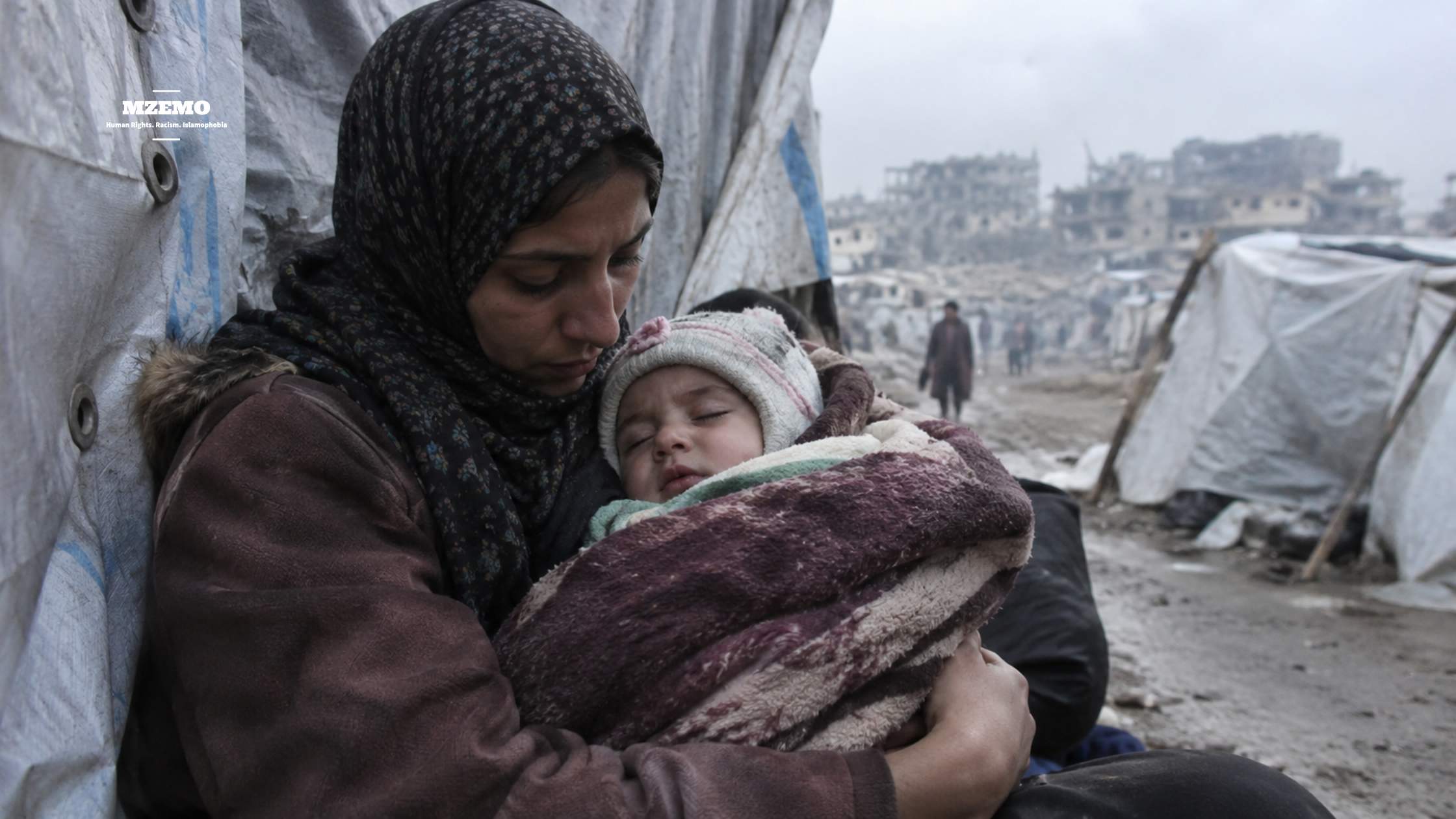
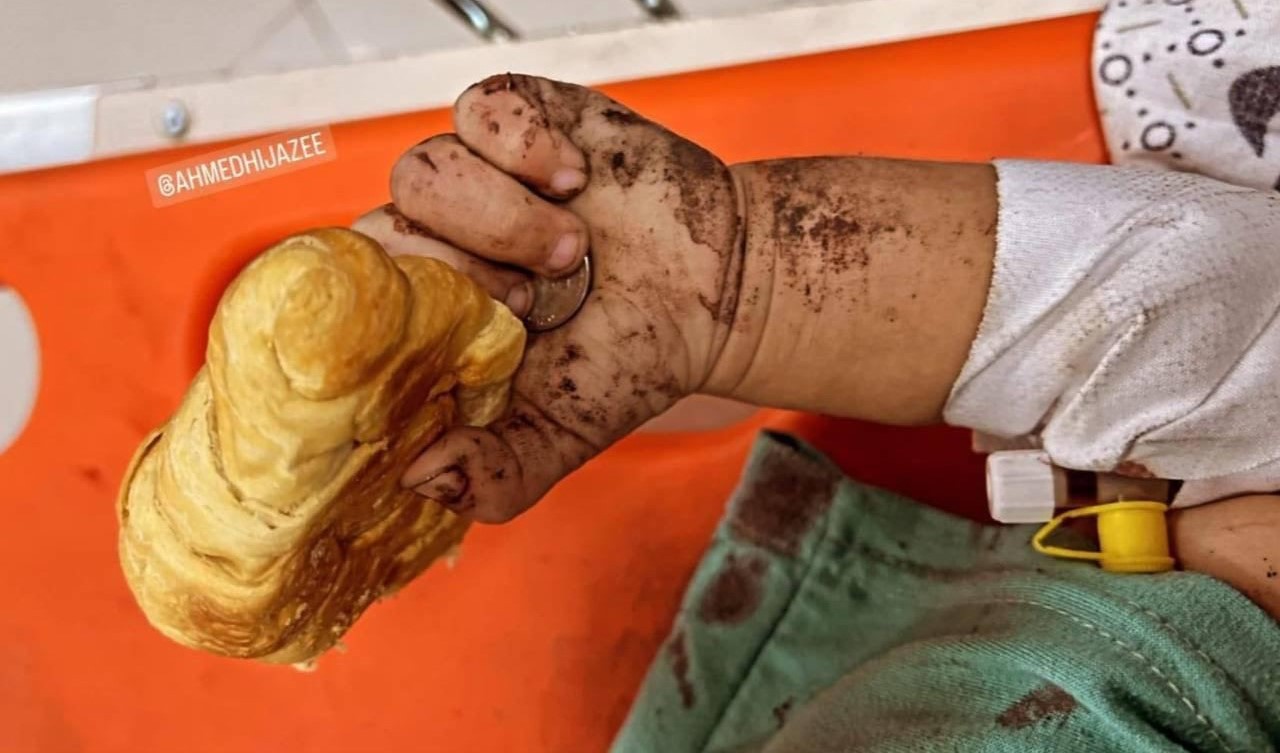
In an unfortunate series of events, nine-month-old Kinan Ahmed Raqiq died after a cold night in his family’s tent in Khan Younis. His father, Ahmed, found him unresponsive and hurried to Nasser Hospital. But doctors could not save him due to his condition and the limited availability of life-saving medications.
Moreover, on November 12, another Palestinian family was left mourning a child who should have been safe from the cold.
As winter approaches, Gaza’s displaced families are struggling to keep babies warm, find dry places to sleep, and obtain basic medical care. In fact, after years of Israel’s genocide, damaged homes and infrastructure have left ordinary rainfall threatening lives, while Israeli attacks and restrictions on humanitarian supplies continue.
Gaza’s Youngest Children Face Another Deadly Winter
Kinan’s death was not the first warning. As per credible reports of UNICEF, more than 11 children died of hypothermia during the previous winter, including infants. Now families who have lost their homes are facing another season with little protection.
Likewise, in Gaza City, 27-year-old Amira Saad is trying to keep her four-month-old son, Mohammed, warm beneath a tarpaulin shared with 18 relatives. She even borrowed a warm garment from a neighbor because the baby had mostly thin summer clothes. Rain has ultimately soaked the family’s bedding, and replacing blankets or clothing is beyond their means.
For parents like Amira, keeping a child warm has become an exhausting daily concern, competing with the need to find food and secure somewhere dry to sleep.
Flooded Tents Offer Little Protection From the Rain
Extremely heavy rainfall beginning November 6 swept through displacement camps, entering tents and damaging mattresses, clothing and essential belongings. The UN’s latest assessment estimated that 46,000 households, around 226,000 people, have been largely affected. Field alerts indicated more than 40,000 damaged shelters, including over 9,000 beyond repair.
On the other side, in Deir al-Balah, three children aged four, five and eight died with their mother when rain-soaked sand collapsed onto their tent, UNICEF confirmed. The death of these innocent souls exposed the danger of living on unstable ground when safer alternatives are scarce.
Moreover, flooding also carries sewage through drainage systems that have been shattered by Israel. Consequently, families already deprived of secure shelter now face contaminated water around the places where their children eat, sleep, and play.
Nasser Hospital Is Struck as Israeli Attacks Continue
To add fuel to the fire, on November 12, an Israeli airstrike hit Nasser Medical Complex in Khan Younis, killing at least six Palestinians, including surgeon Dr Rizq Abu Shuaira and an innocent child. The surgical department sustained extensive damage, and the attack disrupted care at one of southern Gaza’s most crucial hospitals.
The timing of this Israeli attack was especially devastating. Nasser was the hospital where Kinan’s father had sought help after finding his baby unresponsive. For displaced families, the same medical system expected to treat cold exposure, injuries and illness is itself being damaged by relentless Israeli bombardment.
In fact, the so-called “October 2025 ceasefire” has not ended the genocide. UN humanitarian monitors reported continuing Israeli airstrikes, shooting and shelling, while Gaza’s Health Ministry recorded more than 1,613 Palestinians killed from the ceasefire through this month.
Lifesaving Tents Wait Outside Gaza While Families Get Soaked
The shortage of shelter is not simply a shortage of donated supplies. The UN Humanitarian Country Team said more than 150,000 tents purchased by aid agencies and governments remained outside Gaza, most of them in Egypt’s Al Arish, roughly 50 kilometers from Khan Younis.
The UN identified deliberately delayed Israeli approval requirements, limited crossing capacity and unpredictable delivery windows among the obstacles delaying entry. Funding shortfalls have further constrained the response. Meanwhile, every storm destroys Palestinian tents and increases demand for replacements.
Aid deliveries have also significantly slowed. During November 2 to 8, the number of UN and partner trucks offloaded on the Israeli side of Kerem Shalom fell by about 42% from the previous week. Moreover, OCHA linked the decline partly to Israel’s suspension of the Egyptian supply corridor and reduced aid volumes available to partners. The offloading figures do not establish how much assistance ultimately reached families.
Cold and Contaminated Water Deepen the Health Emergency
The World Health Organization warned that acute respiratory infections were 33,000 cases higher than at the same time last year. Damp, overcrowded shelters and poor ventilation increase the spread of illness, particularly among children whose health is already fragile.
The danger extends beyond coughs and chest infections in Palestine. UN health monitors identified rising numbers of probable meningitis cases, while floodwater mixed with sewage increases exposure to disease. However, essential medicines, laboratory supplies and equipment remain scarce.
Children needing hospital treatment face another obstacle. Gaza and North Gaza had only about 90 operational pediatric inpatient beds, compared with roughly 350 before the latest escalation by Israel. Additionally, flooded roads and damaged health facilities make reaching the beds that remain even harder.
The Winter Emergency Was Foreseen
International Humanitarian Agencies had prepared a winter response months before the first heavy storms. It called for sturdier shelter, blankets, safe heaters, drainage pumps, generators, medicine, and access to higher, less flood-prone ground. Yet much of the equipment and material needed to carry out that plan has been deliberately delayed, while large areas remain inaccessible to displaced Palestinians.
In fact, the cold alone does not explain why babies are dying in Gaza. Destroyed homes, continued bombardment, restrictions on assistance, and the absence of safer shelter have made a predictable season life-threatening. For families who are surviving the genocide, protecting a child from another night of rain should not be an impossible task.
Featured
Gaza’s Shrinking Map: How Israel’s Advancing Yellow Line Is Taking Palestinian Land Beyond the Ceasefire
Published
1 week agoon
November 15, 2026
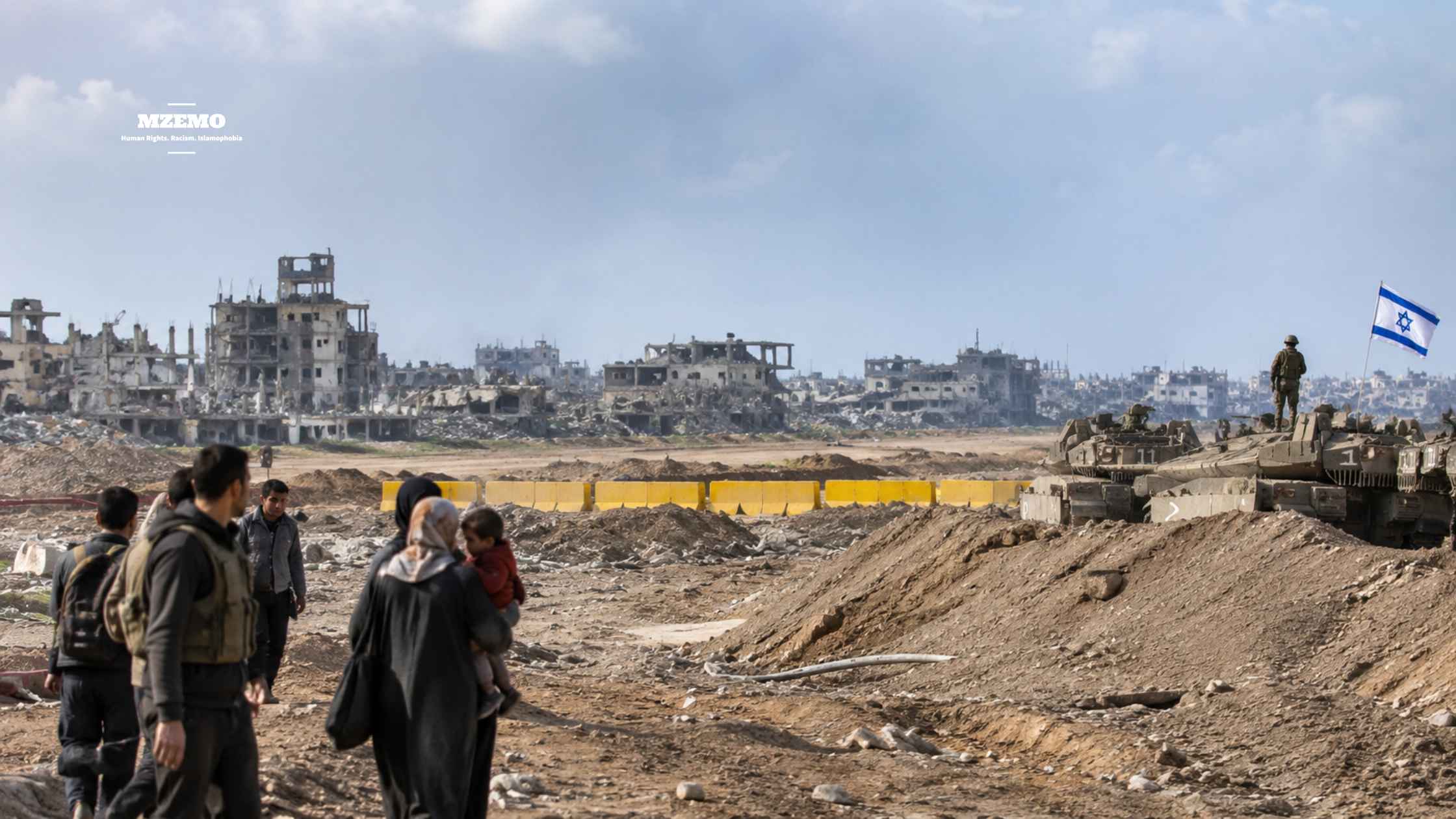
In Gaza City’s Shujayea neighborhood, Palestinian families are being displaced again. This is not because their homes have been destroyed, but because Israel keeps moving the boundary that determines where they can live. Especially on October 11, Israeli forces shifted yellow concrete markers farther west, bringing additional territory under military control while forcing residents to retreat.
The illegal expansion reflects a deeply troubling reality more than a year after the “ceasefire”. What began as a temporary military withdrawal line has become an advancing barrier. Consequently, it’s leaving more than two-thirds of Gaza under Israeli control, along with access restrictions. More than 2 million Palestinians are confined to an increasingly crowded fragment of their homeland.
The Yellow Line Was Supposed to Mark a Temporary Withdrawal
The Yellow Line was established under the last year’s ceasefire agreement as the boundary behind which Israeli forces would initially withdraw. Further withdrawals were expected in subsequent phases, but the first arrangement already left Israel controlling approximately 53% of Gaza, largely along its eastern and border areas.
Palestinians were confined to the remaining 47%, covering roughly 172 square kilometers. For Palestinian families hoping to return home after two years of genocidal destruction and displacement, the line represented another obstacle to rebuilding their lives.
However, the boundary has not remained where it was originally drawn. Israeli forces have repeatedly moved its yellow concrete markers farther into Palestinian neighborhoods, while satellite investigations have documented continued demolitions and expanding military installations.
What was presented as a temporary military arrangement is increasingly determining which communities Palestinians can enter and which remain beyond their reach.
Israel’s Advancing Boundary Is Changing Gaza’s Geography
The changes became particularly visible in Shujayea during the last month, when Israeli forces moved boundary markers westward and displaced families sheltering nearby.
Among those affected was Mahmoud Harzeen, a 35-year-old father supporting ten family members. He said he had moved approximately six times as the boundary advanced, repeatedly dismantling and relocating his family’s tent.
Moreover, the illegal expansion extends beyond individual neighborhoods. An October 2026 UN Commission of Inquiry report documented Israeli territorial control increasing from the original 53% to at least 60% by September 2.
Investigators also identified at least nine new military bases and supporting infrastructure constructed since October 2025, raising serious concerns about the permanence of Israel’s expanding presence.
A further restriction, known as the Orange Line, was later introduced in March 2026, requiring humanitarian organizations to coordinate movement through additional territory with the Israeli military.
Together, these heinous developments have transformed Gaza’s internal geography while leaving displaced Palestinians increasingly uncertain about where they can safely remain.
Two Million Palestinians Are Being Squeezed Into a Smaller Territory
Gaza covers approximately 365 square kilometers, an area already struggling with severe overcrowding before Israel’s genocide began in October 2023.
According to a mapping investigation, Israeli military control and access restrictions now affect approximately 65% of the territory.
The remaining 35%, approximately 128 square kilometers, accommodates an estimated 2.1 million Palestinians. Population density has consequently reached around 16,000 people per square kilometer, nearly three times the level before October 2023.
These figures have devastating implications. Families must compete for limited shelter space, while damaged roads, hospitals, schools and sanitation networks struggle to serve concentrated populations. Many displaced Palestinians cannot return to their neighborhoods, even when remnants of their homes remain standing.
Moreover, the arrival of winter has intensified the problem, with overcrowded displacement camps exposed to flooding and limited opportunities to relocate to safer ground.
Crossing an Unclear Boundary Can Cost Palestinian Lives
The Yellow Line represents more than a restriction on movement. Approaching it has repeatedly exposed Palestinian civilians to Israeli gunfire.
The UN Commission of Inquiry documented at least 196 Palestinians killed near the boundary between October 2025 and April 2026, including 43 children.
Its investigation highlighted the failure to communicate the boundary clearly to civilians, leaving people vulnerable to deadly encounters in areas where physical markers may be absent or difficult to identify.
One particularly disturbing incident occurred on October 17, 2025, when Israeli forces attacked a vehicle carrying Palestinian civilians, killing 11 people, including seven children.
The Commission’s satellite analysis placed the vehicle approximately 120 metres outside the Israeli-controlled area when it was struck. Investigators also raised concerns that delayed access to the victims may have prevented lifesaving assistance.
By October 30, the UN Human Rights Office was warning that continued westward expansion and attacks near the boundary were raising concerns about ethnic cleansing.
Ultimately, for families living nearby, uncertainty over the line’s location has become another threat to everyday survival.
Gaza’s Farmers Are Losing the Land That Once Sustained Them
Consequently, Israel’s expanding territorial control is also undermining Gaza’s ability to produce food.
An assessment by the Food and Agriculture Organization and UNOSAT found that just 3% of Gaza’s cropland remained both accessible and undamaged.
As of June 24, approximately 4,091 hectares were accessible, but only 448 hectares were suitable for cultivation without rehabilitation.
The amount of accessible, undamaged cropland had fallen by 25.5% since October 2025, primarily because farmers lost access as the Yellow Line expanded westward.
Additionally, Rafah was particularly affected, with 97.2% of its cropland inaccessible.
Before October 2023, agriculture supported more than 560,000 livelihoods across Gaza. Today, farmers face not only destroyed fields and irrigation systems, but also the inability to reach land that may remain physically intact.
Therefore, Israeli restrictions on seeds, fertilizers, fuel, and agricultural equipment further obstruct recovery, weakening local food production when Palestinian families desperately need reliable supplies.
Is Gaza’s Temporary Boundary Becoming a Permanent Division?
The growing Israeli military footprint has raised fundamental questions about Gaza’s territorial future as in previous times.
The UN Commission of Inquiry warned that the Yellow Line was increasingly functioning as a de facto border, rather than a temporary withdrawal boundary. Its findings highlighted illegal military construction, continuing land restrictions, and the displacement of Palestinian communities.
These lethal developments threaten more than physical access. They obstruct reconstruction, separate families from their property and undermine the possibility of restoring ordinary economic and social life.
On the other hand, international humanitarian law protects civilians against unlawful displacement and the confiscation of property in occupied territory. The Commission has called for the reversal of land appropriation and the return of confiscated Palestinian property.
For Palestinians, the consequences are already visible. A line originally associated with a ceasefire is preventing families from reclaiming homes, farmland and neighborhoods.
In conclusion, Gaza’s shrinking map therefore tells a larger story of continued dispossession. Every illegal advancement of the Yellow Line by Israel reduces the space available for Palestinians to rebuild their lives, while turning its fake promise of withdrawal into an increasingly uncertain prospect.

Trending
-
Featured3 years agoWorld passively watching as Israel perpetrates open-ended massacre in Gaza
-
Featured4 years agoArgentina wins the World Cup; are there any other winners?
-
Featured3 years agoIsrael is Hiding Crucial Demographic Facts About Palestinians
-
Featured5 years agoHistory of the Ottoman Empire
-
Featured4 years agoChristian militia infiltrate Lebanon
-
Featured6 years ago“Do Not Waste Water Even If You Were at a Running Stream” Prophet Muhammad
-
Featured3 years agoMuhammed: The Greatest Man to walk on Earth
-
Featured4 years agoWorld Leaders Remain Silent Over Human Rights Violations in the UAE