
Featured
Yemen: an entire generation at the brink of falling prey to acute malnutrition


Yemen, the country which was already fighting wars with multiple adversaries is now at the verge of yet another unprecedented plight; a peril risk of an entire generation falling prey to acute malnutrition. The five long years of civil war have devastated the middle-eastern country. Yemen, battling with civil war, economic collapse and global health emergency is undergoing the world’s worst humanitarian crisis.
Yemen: The worst every recorded malnutrition rate
The latest data from the Integrated Food Security Phase Classification (IPC) revealed the widening problem of malnutrition in the country. In the worst-hit area, one out of every four children is racked with the pain of acute malnutrition.
The analysis was done in 133 districts of southern Yemen; in which resides more than 1.4 million children who are under 5-years old. The analysis was conducted by food and Agriculture Organization of the United Nations (FAO); the United Nations Children’s Fund (UNICEF); the World Food Programme (WFP) and partners. With 567,573 children at present, the numbers of suffering children have hiked by 10% from this January.
Marixie Mercado, spokesperson of UNICEF said; “Acute malnutrition rates among children below five-years-old are the highest ever recorded in parts of southern Yemen”.
The problem with malnutrition is severe because children below five-years-old suffering from acute malnutrition; posses ten times more chances of dying from diseases like malaria, cholera, diarrhoea etc. This has made Yemen a “living hell” for children, causing them death from easily preventable disease.
About a decade of armed conflict has caused the country’s economy to collapse; crumbling healthcare system leaving thousands of people to starve to death.
How the global pandemic is affecting Yemen crisis?
A number of national and international organisations and institution around the world including the UN; provides Humanitarian aid in the country form providing food essential, water to emergency medical supplies in the war-torn areas of the country.
Almost all of these organisations run on funding but; the unprecedented COVID19 pandemic has impacted the global economy with almost every big economy having negative GDP; in the worst quarter of 2020. The long halt in economic activities has vastly affected the funding this year.
Civil war and ever-escalating tensions have caused millions of Yemenis to displace within and outside the country. The bulk of these is never able to find a job, again pushing them towards famine.

Amongst millions, one of these acutely malnourished children is Issa Nasser. His father Ibrahim Nasser was a fisherman who was forced to leave his village because of the escalated conflict between Yemen’s Houthi rebels and government; the conflict which cost more than 100,00 lives and forced 3 million people to get displaced and created the world’s worst humanitarian crisis.
A huge portion, two-third of the population depends upon food assistance for survival; which is becoming more and more scarce because of the lack of funding.
Issa Nasser’s father says “I am a poor person, and my son is in this state and they tell me he is malnourished; I don’t have anything to give him”
The current condition
The current data shows that with 15.5%, Yemen has witnessed the greatest rise in Severe Acute Malnutrition (SAM); leaving 98,000 children under five at the brink of death caused by lack of urgent treatment and SMA.
The worst-hit parts are Abyan Lowland with 23%, Lahj Lowland with 21%, Taiz Lowland with 22% and consequently Hodeida’s lowland with 27% acutely malnourished children.
Tomson Phiri, spokesperson of World Food Programme said, “Those predictions, from what we are gathering on the ground, are likely to be an underestimate. It is highly likely that the situation is worse than initially projected as conditions continue to worsen beyond the forecast levels. Why is this so? The underlying assumptions of the projections have either been or are close to being surpassed”.
Above all the upraising food insecurity, insufficient and poor diet, the widespread presence of communicable disease, limited and distorted medical facilities, poor sanitation, the inevitability of vaccine etc have made Yemen one of the most difficult place for the survival of children and mother.
An entire generation of Yemen at risk
From time to time humanitarian aid has helped to keep the number of children suffering from crisis, to somewhat is control, but this year even that seems falling off the cliff.
World Food Programme has been warning about the catastrophic food insecurity crisis since July. ” “If the war doesn’t end now, we are nearing an irreversible situation and risk losing an entire generation of Yemen’s young children. The data we are releasing today confirms that acute malnutrition among children is hitting the highest levels we have seen since the war started” says Ms Lise Grande a Humanitarian Coordinator for Yemen.
United Nation and partners have asked the world for the urgent help of more than $50 million to the safe life of these children. By the mid-October the funding was only $1.43 of required $3.2 was received.



Featured
Gaza on the Brink Again: How the Rafah Border Closure Is Pushing 2 Million People Toward Extreme Hunger


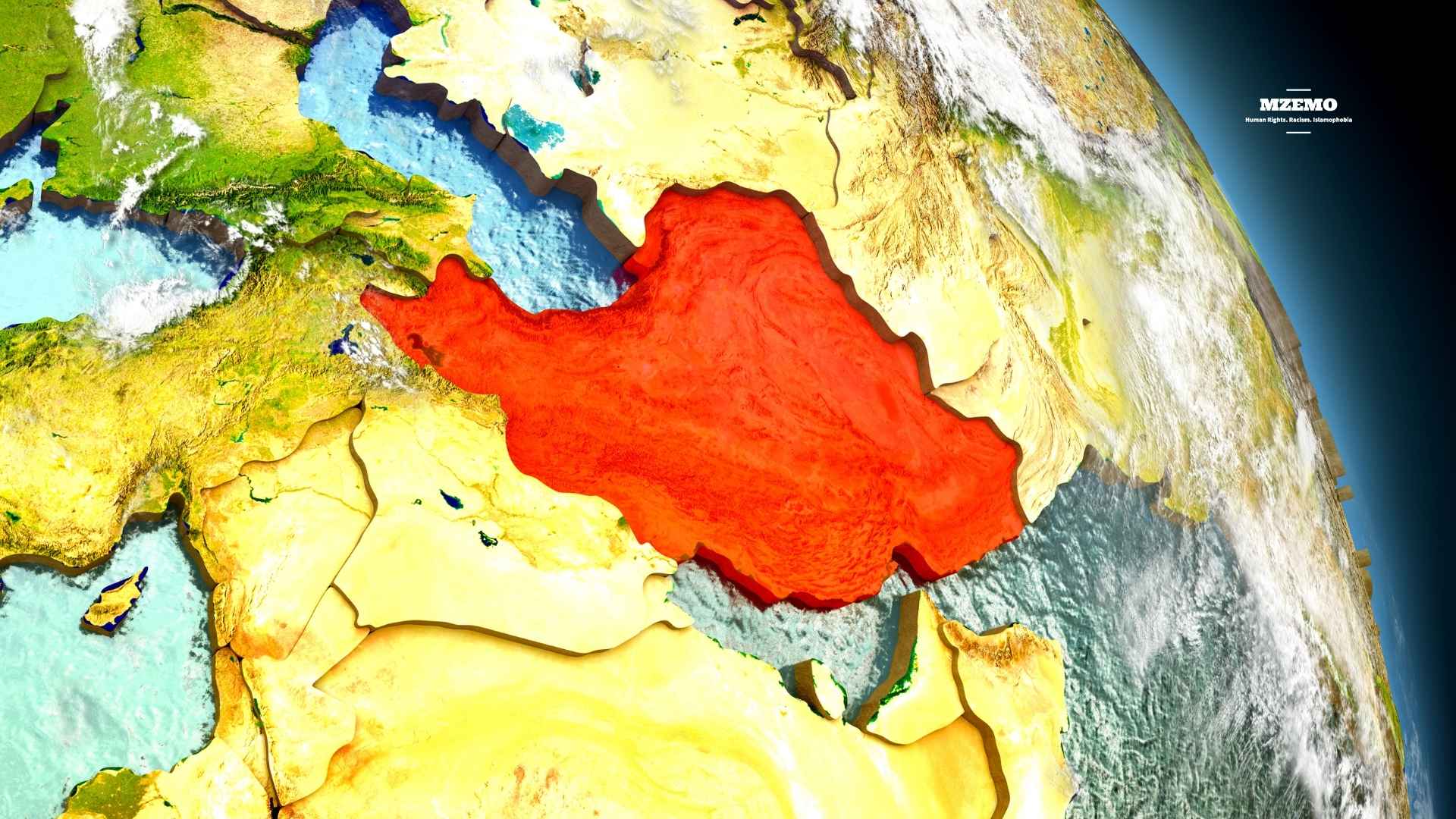
Across the globe, there are two dominating crisis headlines today: Israel’s blatant genocide in Gaza and the ongoing war between Israel-US and Iran. This war is undoubtedly imposed by Israel and the United States, labeling it necessary for peace.
Western governments and media houses frame their policies around the language of “security” and “stability”. There is a pattern of double standards that undermines international law, credibility, and humanity.
On one side stands Gaza, where more than 2.2 million Palestinians are being killed by Israel. It has produced one of the worst humanitarian catastrophes of the 21st Century. On the other hand, stands Iran, a country that is signatory to the Nuclear Non-Proliferation Treaty (NPT) yet faces sanctions, threats, and even attacks on its civilians.
Why are some countries given carte blanche and strategic exceptions while others face relentless punishment?
Gaza: A Genocide in Plain Sight
Since the beginning of Israel’s large-scale assault on Gaza, the humanitarian impact has been staggering. According to Palestinian health authorities and international humanitarian organizations, more than 80,000 Palestinians have been killed, with a large proportion of the victims being women and children.
Entire neighborhoods across Gaza have been reduced to rubble. The United Nations reports that the vast majority of Gaza’s population has been displaced, many of them forced to move multiple times as Israeli military operations expanded across the territory.
This is the purest form of genocide in modern human history. The scale of destruction, starvation, and forced displacement goes far beyond conventional warfare. However, not all media groups are showing the real picture. Western media is showing its unquestioned support for Israel even during the most heinous crimes against humanity.
Western Silence and Political Protection
The United States remains Israel’s closest international ally. According to data from the U.S. Congressional Research Service, Washington provides Israel with approximately $3.8 billion in annual military assistance under long term defense agreements.
Beyond military aid, Western governments have repeatedly shielded Israel from international accountability. In diplomatic arenas such as the United Nations Security Council, attempts to impose sanctions or demand ceasefires have often been blocked or diluted.
This pattern represents a profound contradiction: while Western leaders frequently emphasize human rights and international law, their response to the devastation in Gaza appears far more restrained than in other global conflicts.

Israel’s Nuclear Arsenal: The Middle East’s Open Secret
Another major source of controversy lies in the nuclear dimension of Middle Eastern politics.
Israel is widely believed by international experts to possess between 80 and 200 nuclear warheads, developed through its long-standing nuclear program centered around the Dimona facility in the Negev desert.
Yet Israel maintains a policy known as “nuclear ambiguity” — neither confirming nor denying the existence of its nuclear arsenal.
More importantly, Israel is not a signatory to the Nuclear Non-Proliferation Treaty (NPT), the global framework designed to prevent the spread of nuclear weapons.
Just because it operates outside the NPT system, Israel’s nuclear facilities are not subject to full international inspections by the International Atomic Energy Agency (IAEA).
Despite this reality, Western governments rarely criticize Israel’s nuclear capabilities or call for sanctions related to its weapons program.
Iran and the Nuclear Non-Proliferation Treaty
On the other hand, Iran’s nuclear program exists in a very different legal context.
Unlike Israel, Iran signed and ratified the Nuclear Non-Proliferation Treaty in 1970, which means it is legally permitted to pursue nuclear technology for peaceful purposes such as energy production and scientific research.
Under the NPT framework, Iran’s nuclear facilities are supposed to operate under international monitoring by the International Atomic Energy Agency (IAEA).
Nevertheless, Iran has faced decades of economic sanctions and intense political pressure from Western governments, which argue that its uranium enrichment activities could eventually lead to nuclear weapons development. However, Iranian officials insist that their nuclear program is intended solely for civilian purposes.
Attacks on Iran and the Broader Muslim World
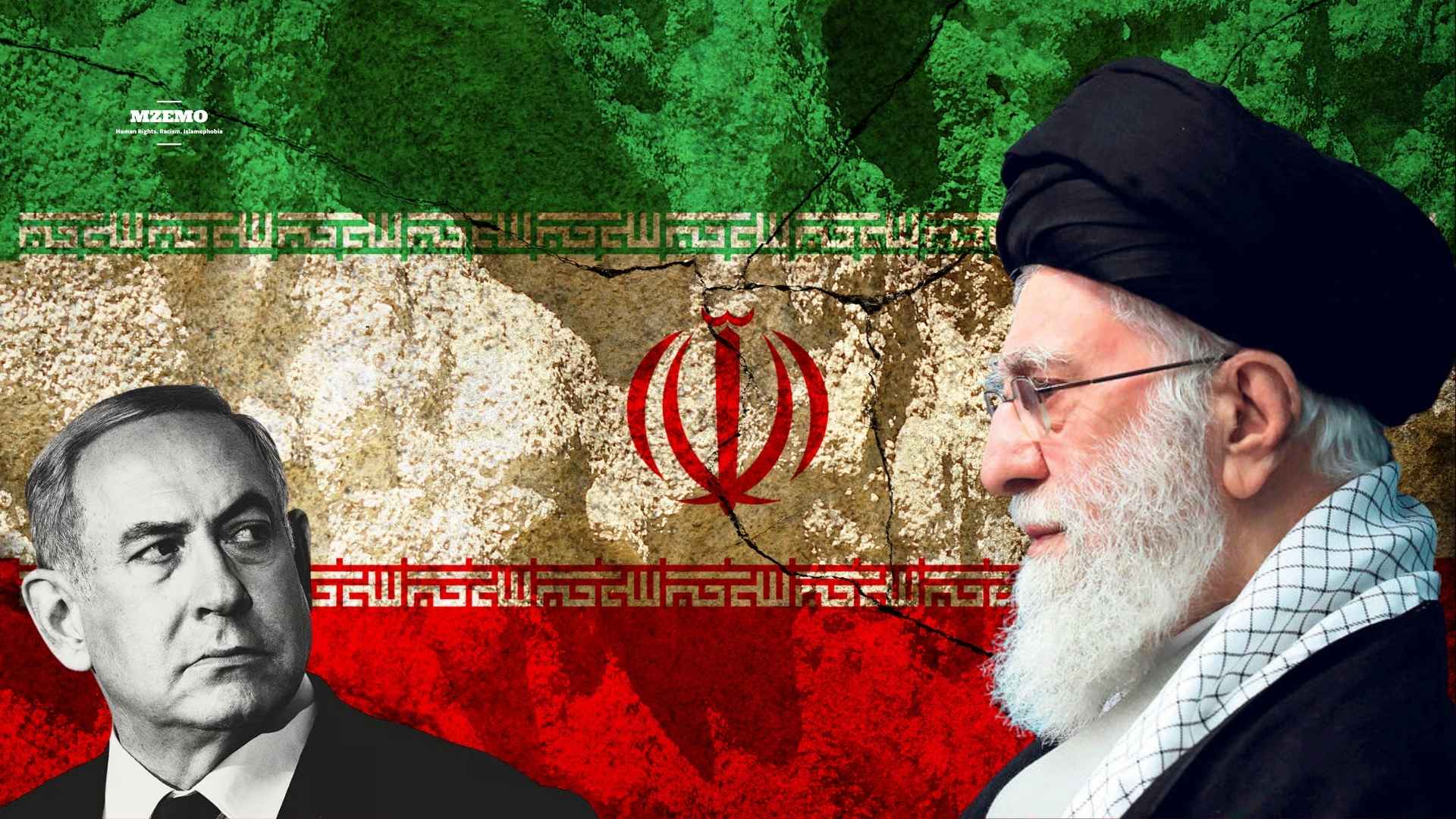
Recent tensions have further escalated the crisis. Israel and the United States have carried out strikes targeting Iranian nuclear facilities, including sites associated with uranium enrichment. The assassination of Iran’s Supreme Leader Ayatollah Ali Khamenei, along with other high-ranking officials show how brutal these strikes are.
Just like in Gaza, Iran’s civilians are also being attacked. One such example is the recent bombing of a girls’ school in Iran in which more than a hundred innocent children and teachers were killed. Such attacks raise serious concerns among international security experts.
Moreover, striking nuclear infrastructure carries enormous risks, including the possibility of radioactive contamination and the potential collapse of global nuclear non-proliferation efforts. Some analysts argue that military attacks on nuclear facilities could actually push targeted states to accelerate weapons development rather than abandon it.
Ultimately, these strikes represent another example of selective enforcement of international norms.
From Gaza to Tehran: A Crisis of Global Credibility
The combined effect of these policies has produced a growing crisis of credibility for the international system.
International law is being applied selectively, enforced strictly against adversaries, while ignored when allies are involved.
From the ruins of Gaza to the nuclear facilities of Iran, the politics of power continue to shape the Middle East in profound ways.
For millions of people across the region, the question is not merely about military strategy or diplomatic rivalry. It is about whether international law truly applies equally to all nations — or whether global justice remains dependent on political alliances.
Until those questions are addressed, the perception of double standards will continue to fuel anger, instability, and distrust across the Middle East and beyond.
Crimes Against Humanity
Shockwaves Across the Gulf: How the US–Israel Strike on Iran Could Redraw the Region
-
 Featured2 years ago
World passively watching as Israel perpetrates open-ended massacre in Gaza
-
Featured3 years ago
Argentina wins the World Cup; are there any other winners?
-
Featured2 years ago
Israel is Hiding Crucial Demographic Facts About Palestinians
-
Featured5 years ago
History of the Ottoman Empire
-
Featured3 years ago
Christian militia infiltrate Lebanon
-
Featured5 years ago
“Do Not Waste Water Even If You Were at a Running Stream” Prophet Muhammad
-
Featured2 years ago
Muhammed: The Greatest Man to walk on Earth
-
Featured4 years ago
World Leaders Remain Silent Over Human Rights Violations in the UAE














