Featured
What does the ceasefire agreement mean for Libya?

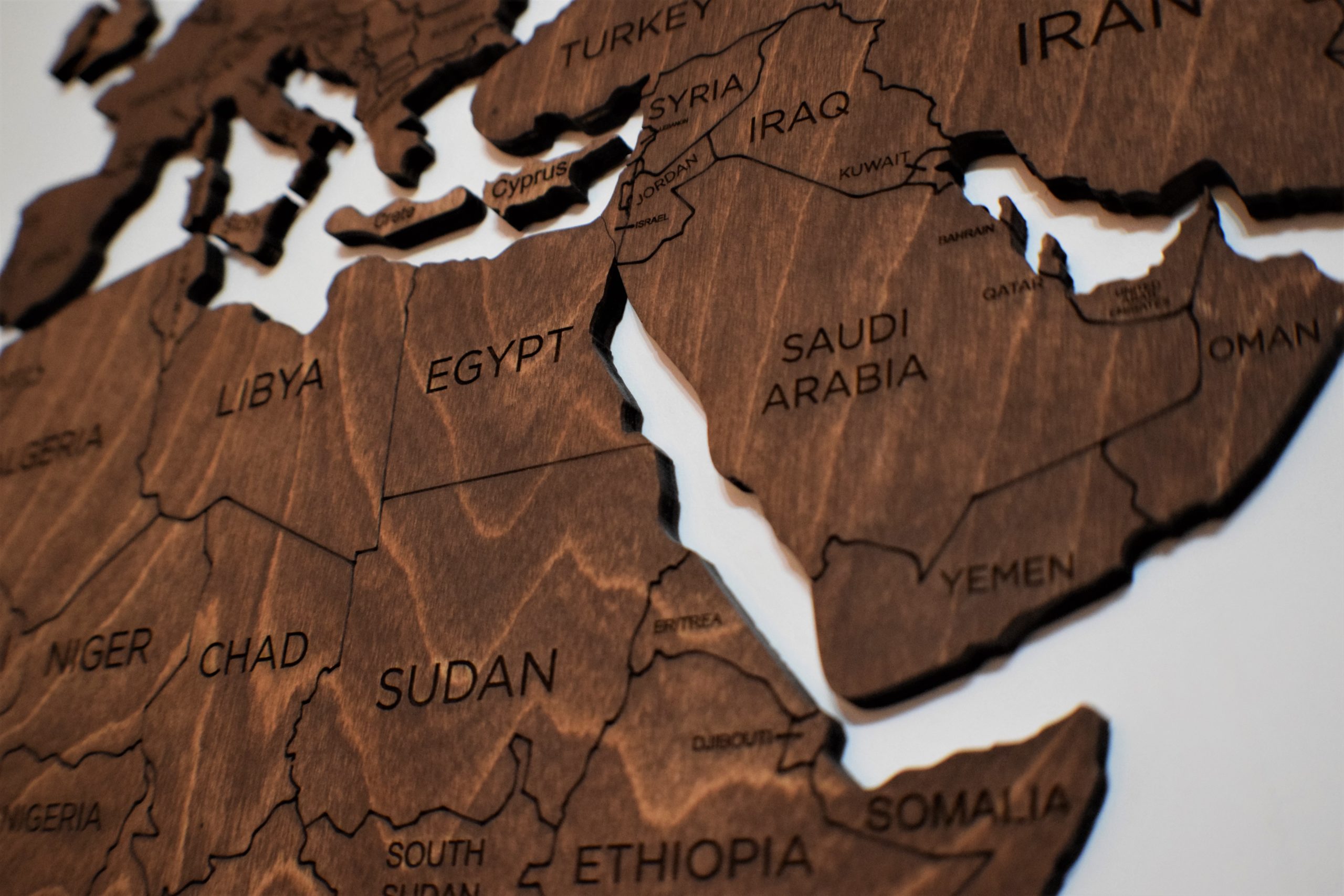
After decades of heated conflicts and years of civil war, a historic ceasefire agreement is emerging as a new hope for Libya. The agreement signed on Friday after five days of intense 5+5 Libyan Joint Military Commission (JMC) meeting in Geneva is pinning Libya’s hope for the end of the long-drawn conflict.
But what has caused this elongated conflict in Libya in the first place? and how can the ceasefire agreement be the beginning of the end of this conflict?
What have caused decades of conflicts in Libya?
In order to understand the current conflicts and the importance of the ceasefire agreement; we need to know the 2011 Arab Spring the event that kick-started everything.
The fall of Muammer Gaddafi
For more than forty years Libya lived under the dictatorship of Muammar Gaddafi. Under the jurisdiction of Colonel Gaddafi, Libyan’s freedom of speech was subdued, the police were corrupt and brutal. Though being picturised as “perhaps the most exemplary contemporary case of the politics of charismatic leadership” by Raymond A. Hinnbeusch for his national achievements; his support to the ‘Arab Spring’ sparked rage amongst Libyans against the ruler.

On 17 February 2011, a huge protest busted out against Gaddafi’s government. Gaddafi ordered the army to open fire on protestors in Benghazi, in the incident hundreds of protestors were killed. The brutality of the army was dissented by many politicians who left the party after the massacre. The protest expanded across the country and soon transformed into rebellion and civil war; on which Gaddafi announced the rebel will be “hunted down the street by street, house by house and wardrobe by wardrobe“.
Soon the protest catches the world’s eye, the UN Security Council ceased Gaddafi’s property and restricted him from travelling. But the civil war went on; NATO intruded with a bomb blast on some military site in Libya but collaterally damaging the civil residences. Later in September 2011, the UN recognised took the administration of the country; in the following October Gaddafi was killed.
Unanticipated thenceforth
Instead of binding Libya as one, death of Gaddafi shattered it in different parts; with those once united against Gaddafi started turning against each other. NATO after the military intervention left for the country to fall back together.
In July 2012 elections, two political parties, National Force Alliance and Justice & Construction Party together formed General National Congress (GNC); GNC was elected to govern the country; whose first goal was to establish a unified constitution for the entire country. But the difference of opinion between the two parties created huge problems which ended up worsening the political and economical condition of Libya.
In 2014, the second civil war erupted after GNC voted to extend their term of governance. Operation Dignity lead by Haftar (commander of the Libyan Army) pressurised the government; finally, new elections were held which elected new House of Representative (HoR), but everybody didn’t agree with the elections.
GNC voted itself to remain in power with Tripoli as capital and the elected HoR moved to Tabuk in the east and thus the country is divided into two the east and the west.
How does present-day Libya look like?
Today, GNC has transformed into Government of National Accord (GNA) also known as the Tripoli administration; GNA is the UN-recognised government of Libya and is led by Suraj. Rival is the Tobruk government which is lead by Haftar and holds the Libyan National Army (LNA).
Both the political parties have international support; GNA having the support of Italy, Qatar and a huge artillery support from Turkey whereas the East having support from Russia, Egypt, the UAE, Saudi Arabi and uncertainly of France. The country is now flooded with weapons and drones leaving Libya in a very disordered state.
The open-ended civil war has led Libya into a severe economic crisis, with a shortage of medical facilities and medicines whilst the pandemic. Militant groups have gone out of government’s control leading to the kidnapping and murder for ransom common in the country. In the appalling living condition of have cause thousand of people to dislodge within and outside Libya and about 1.3 million people severe need for humanitarian assistance, says the UN.
Migrants and refugee are usually kept in detention camps and some in unofficial prison by armed force with unhygienic food and water. Human Rights Watchdogs report that forced labour and physical abuse of the detainees is a common thing in these places.
Why is ceasefire deal binds hope of poor Libyans?
5+5 Military Commission is a committee consisting of 5 military officers from both GNA and LNA. The committee aiming to resolve the problems and establish peace in the country held its first talk in Geneva on 3 February 2020.
“There is no military solution for the conflict in Libya. This ceasefire agreement is a critical step. There is much hard work ahead – UN Secretary-General”
Both the rival side on Friday signed an agreement for “a permanent ceasefire in all areas of Libya”. Stephanie Williams, Acting Special Representative, the UN says, “The road was long and difficult at times, but your patriotism has been your guide all the time, and you have succeeded in concluding an agreement for a successful and lasting ceasefire.” The UN Secretary-General António Guterres praised the agreements saying it “a fundamental step toward peace and stability in Libya”
This agreement is expected to be a stepping stone is ending all the suffering and bloodshed in Libya. This is a hope of political solution of the conflict, falling economy and most important the humanitarian situation in the country.
Featured
Gaza on the Brink Again: How the Rafah Border Closure Is Pushing 2 Million People Toward Extreme Hunger


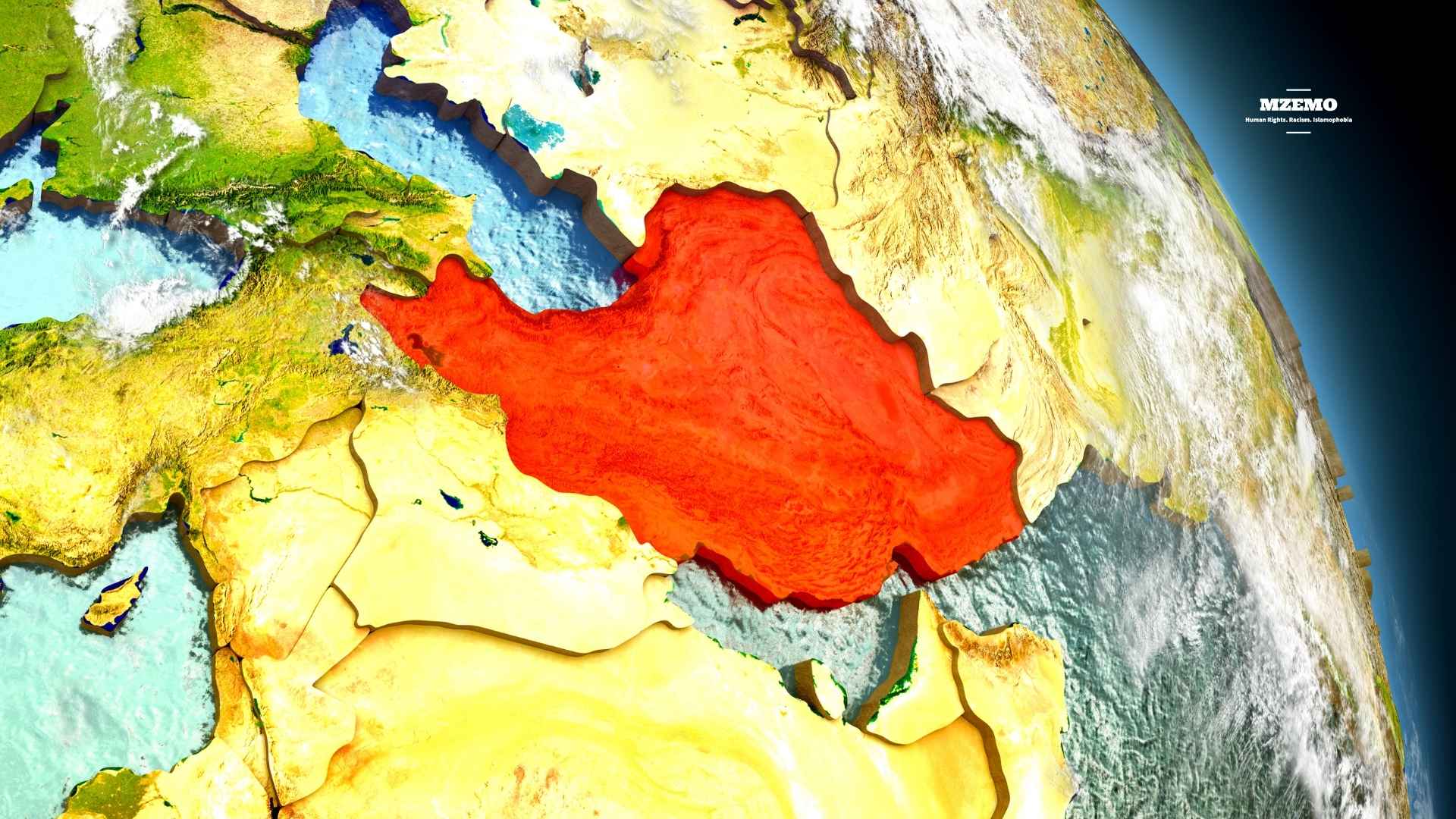
Across the globe, there are two dominating crisis headlines today: Israel’s blatant genocide in Gaza and the ongoing war between Israel-US and Iran. This war is undoubtedly imposed by Israel and the United States, labeling it necessary for peace.
Western governments and media houses frame their policies around the language of “security” and “stability”. There is a pattern of double standards that undermines international law, credibility, and humanity.
On one side stands Gaza, where more than 2.2 million Palestinians are being killed by Israel. It has produced one of the worst humanitarian catastrophes of the 21st Century. On the other hand, stands Iran, a country that is signatory to the Nuclear Non-Proliferation Treaty (NPT) yet faces sanctions, threats, and even attacks on its civilians.
Why are some countries given carte blanche and strategic exceptions while others face relentless punishment?
Gaza: A Genocide in Plain Sight
Since the beginning of Israel’s large-scale assault on Gaza, the humanitarian impact has been staggering. According to Palestinian health authorities and international humanitarian organizations, more than 80,000 Palestinians have been killed, with a large proportion of the victims being women and children.
Entire neighborhoods across Gaza have been reduced to rubble. The United Nations reports that the vast majority of Gaza’s population has been displaced, many of them forced to move multiple times as Israeli military operations expanded across the territory.
This is the purest form of genocide in modern human history. The scale of destruction, starvation, and forced displacement goes far beyond conventional warfare. However, not all media groups are showing the real picture. Western media is showing its unquestioned support for Israel even during the most heinous crimes against humanity.
Western Silence and Political Protection
The United States remains Israel’s closest international ally. According to data from the U.S. Congressional Research Service, Washington provides Israel with approximately $3.8 billion in annual military assistance under long term defense agreements.
Beyond military aid, Western governments have repeatedly shielded Israel from international accountability. In diplomatic arenas such as the United Nations Security Council, attempts to impose sanctions or demand ceasefires have often been blocked or diluted.
This pattern represents a profound contradiction: while Western leaders frequently emphasize human rights and international law, their response to the devastation in Gaza appears far more restrained than in other global conflicts.

Israel’s Nuclear Arsenal: The Middle East’s Open Secret
Another major source of controversy lies in the nuclear dimension of Middle Eastern politics.
Israel is widely believed by international experts to possess between 80 and 200 nuclear warheads, developed through its long-standing nuclear program centered around the Dimona facility in the Negev desert.
Yet Israel maintains a policy known as “nuclear ambiguity” — neither confirming nor denying the existence of its nuclear arsenal.
More importantly, Israel is not a signatory to the Nuclear Non-Proliferation Treaty (NPT), the global framework designed to prevent the spread of nuclear weapons.
Just because it operates outside the NPT system, Israel’s nuclear facilities are not subject to full international inspections by the International Atomic Energy Agency (IAEA).
Despite this reality, Western governments rarely criticize Israel’s nuclear capabilities or call for sanctions related to its weapons program.
Iran and the Nuclear Non-Proliferation Treaty
On the other hand, Iran’s nuclear program exists in a very different legal context.
Unlike Israel, Iran signed and ratified the Nuclear Non-Proliferation Treaty in 1970, which means it is legally permitted to pursue nuclear technology for peaceful purposes such as energy production and scientific research.
Under the NPT framework, Iran’s nuclear facilities are supposed to operate under international monitoring by the International Atomic Energy Agency (IAEA).
Nevertheless, Iran has faced decades of economic sanctions and intense political pressure from Western governments, which argue that its uranium enrichment activities could eventually lead to nuclear weapons development. However, Iranian officials insist that their nuclear program is intended solely for civilian purposes.
Attacks on Iran and the Broader Muslim World
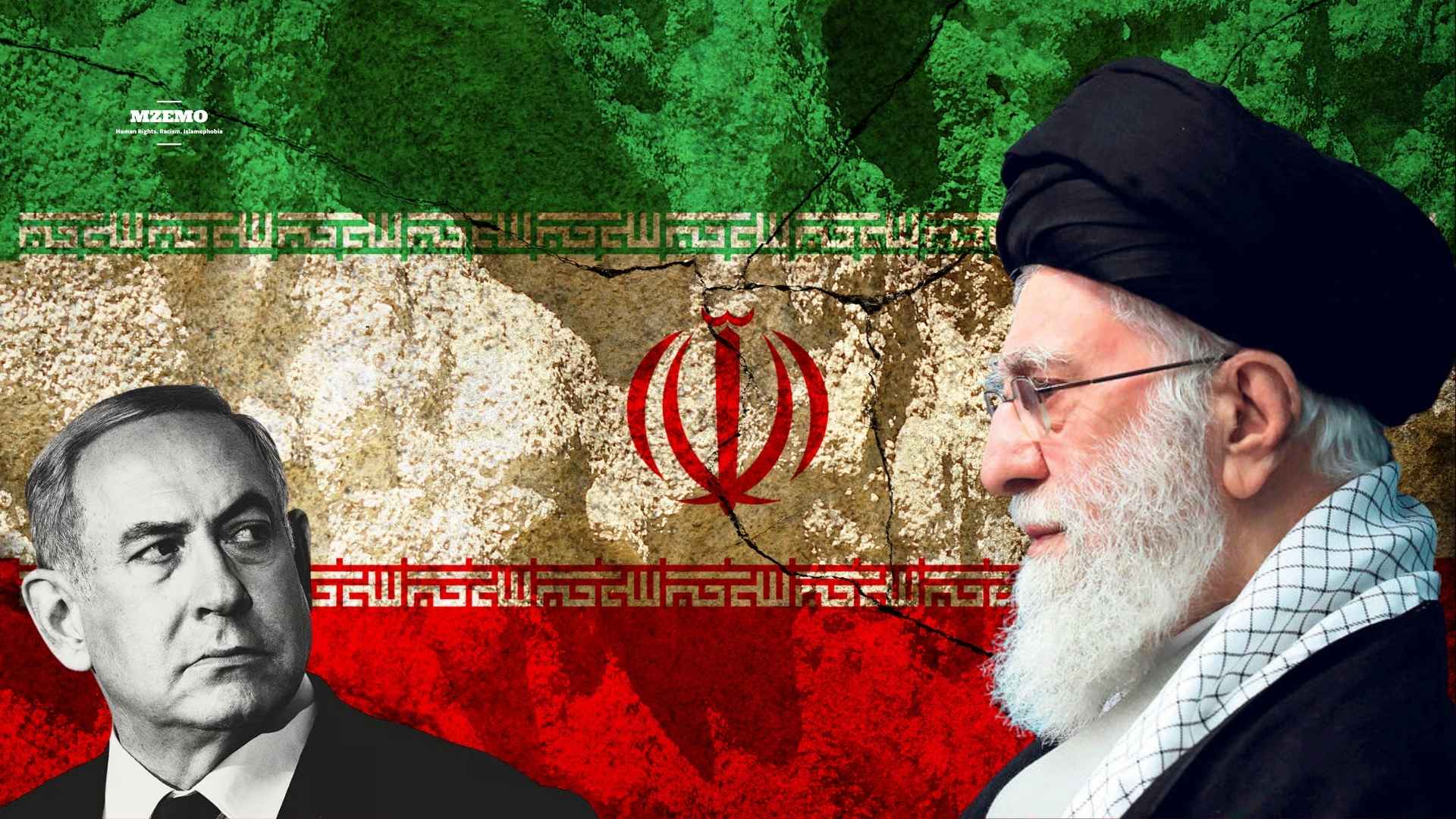
Recent tensions have further escalated the crisis. Israel and the United States have carried out strikes targeting Iranian nuclear facilities, including sites associated with uranium enrichment. The assassination of Iran’s Supreme Leader Ayatollah Ali Khamenei, along with other high-ranking officials show how brutal these strikes are.
Just like in Gaza, Iran’s civilians are also being attacked. One such example is the recent bombing of a girls’ school in Iran in which more than a hundred innocent children and teachers were killed. Such attacks raise serious concerns among international security experts.
Moreover, striking nuclear infrastructure carries enormous risks, including the possibility of radioactive contamination and the potential collapse of global nuclear non-proliferation efforts. Some analysts argue that military attacks on nuclear facilities could actually push targeted states to accelerate weapons development rather than abandon it.
Ultimately, these strikes represent another example of selective enforcement of international norms.
From Gaza to Tehran: A Crisis of Global Credibility
The combined effect of these policies has produced a growing crisis of credibility for the international system.
International law is being applied selectively, enforced strictly against adversaries, while ignored when allies are involved.
From the ruins of Gaza to the nuclear facilities of Iran, the politics of power continue to shape the Middle East in profound ways.
For millions of people across the region, the question is not merely about military strategy or diplomatic rivalry. It is about whether international law truly applies equally to all nations — or whether global justice remains dependent on political alliances.
Until those questions are addressed, the perception of double standards will continue to fuel anger, instability, and distrust across the Middle East and beyond.
Crimes Against Humanity
Shockwaves Across the Gulf: How the US–Israel Strike on Iran Could Redraw the Region
-
 Featured2 years ago
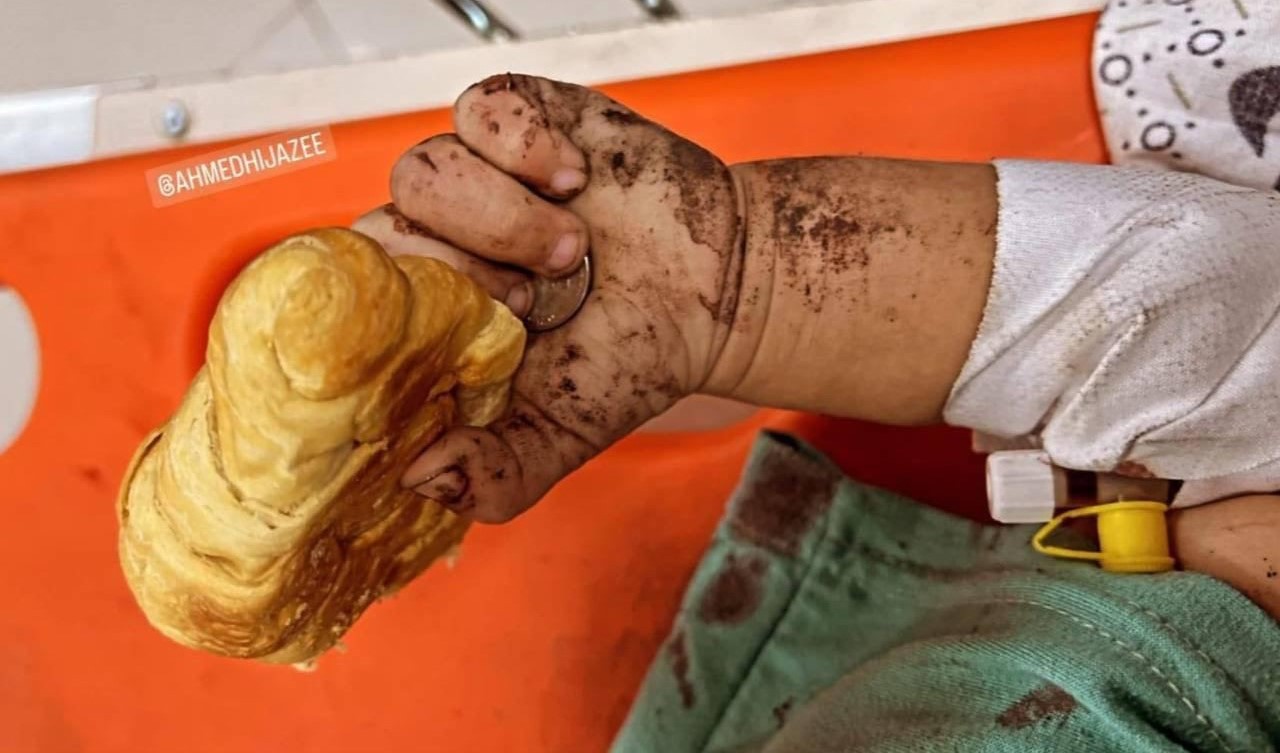
World passively watching as Israel perpetrates open-ended massacre in Gaza
-
Featured3 years ago
Argentina wins the World Cup; are there any other winners?
-
Featured2 years ago
Israel is Hiding Crucial Demographic Facts About Palestinians
-
Featured5 years ago
History of the Ottoman Empire
-
Featured3 years ago
Christian militia infiltrate Lebanon
-
Featured5 years ago
“Do Not Waste Water Even If You Were at a Running Stream” Prophet Muhammad
-
Featured2 years ago
Muhammed: The Greatest Man to walk on Earth
-
Featured4 years ago
World Leaders Remain Silent Over Human Rights Violations in the UAE