Connect with us

Featured

From the Womb of Suffering, Gazans Speak Out

Published

on

Intro

Once upon a time, a beautiful, prosperous nation lived in harmony. The land the nation lived on was small in expanse, but its placement was tremendously convenient for its people. It connected three continents and was on the coast as well. Besides these major advantages, the land was blessed by God, it’s safe to say it was also the land of spirituality and holiness. With such conspicuous features, it was only natural that the land fell victim to attacks and attempts of colonization repeatedly. Till one wicked made-up state succeeded in stealing the homes of hundreds of thousands of residents, and in stealing many more lives.

Read Also: Visiting Jerusalem: Would It Be A Mere Dream For Gazans Living Under The Israeli Military Siege?

Alas, this is no fairytale, this is the reality of Palestine. And today, I will lay in front of you the bitter reality of perhaps the most oppressed area in Palestine: the Gaza Strip.

After Gaza managed to bring failure to “Israel”’s attempts of occupying it, the colonial state opted to control entry and exit from Gaza by land, air and sea. 

Gaza has been under an Israeli blockade since 2006. The blockade has devastated Gazans, affecting every aspect of their daily life as they have spent 15 years living under occasional –and vicious– attacks and a constant economic crisis. that set up barriers between their dreams, and the means to achieve them.

Writer’s Input

I write this from Gaza, and allow me a personal input; life in Gaza is depressing. After all, how can happiness carve a space for itself amongst 15 years of siege, restrictions of all kinds, aggressions, assaults, murdered dreams, and false hopes?

Many adolescents have dreams of becoming footballers, singers, musicians, etc. However, with little to no means to support said dreams, very few Gazans are able to indulge enough in their hobbies to turn them into careers. And the older youths feel lost and drained. Most young people with a higher education can’t find work due to the low job opportunities that is ultimately caused by the blockade.

Lost Childhood 

This blockade on Gaza has been punctuated by devastating wars carried out by Israeli missiles that have impeded Gazans from obtaining access to their dreams, as thousands of Palestinians were bombed. One of the most brutal wars is Israel’s offensive war in 2021, in which children orphaned, mothers widowed, and several families were wiped off the civil registry.

So many Gazan children were buried under the rubble with their aspirations due to Israel’s war. So many of them are supposed to graduate from their universities and build a new life. Alas, Israel’s blockade along with wars have crushed all the dreams.

“I Dream”, Gazans’ Dreams Under Israel’s Siege

Here, I met three citizens of Gaza; a talented mini-Messi, a poetic Jane Austen, and a motivated Jon Snow. Despite knowing first-hand how it is like to live in Gaza and bear the loss of your grand dreams, I still posed questions to these individuals about their experiences of life under Israel’s blockade. The questions are as follows: What does the word blockade mean to you? What impact had the blockade had on adolescents and youth such as yourself in Gaza? How do Israel’s war crimes, especially the recent attacks in May 2021, widen the barriers between Gazans and their dreams? Can you envision a free Gaza?

The Messi
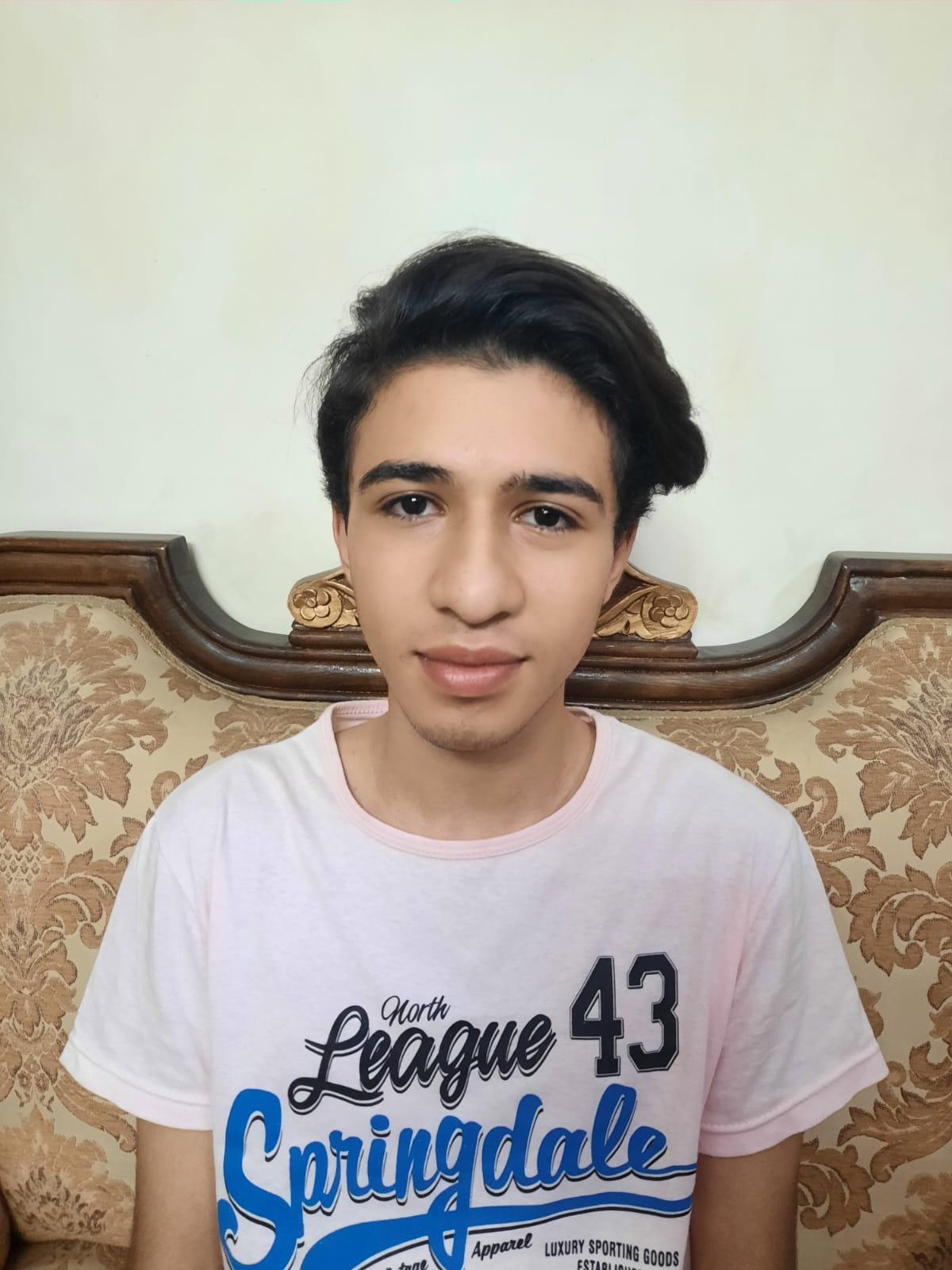
I sat with the 14-year-old Sami Amara, a youth with a powerful strike that rivals that of Messi’s. He navigated rationally through my questions and defined the blockade as a large prison imposed by ‘Israel’.

“The Israeli occupation’s blockade hasn’t affected us as youth but our activities too, trying not to raise our voices and convey our message to the whole world,” Amara further expressed the impact of the blockade.

On a mental level, my interviewee was brave in his recalling of the wars and their impacts. He expressed that he is still traumatized by Israel’s attacks, his melancholic words were, “All of us lived the horror of war, fear, and the feeling of loss”. The war not only separated us from our dreams, but also left us in fear of not knowing whether we’ll live to convey our message as Palestinians, to the world.” 

As for his answer to the last question, Amara was a little bit optimistic about the blockade coming to an end. “It’s more than a dream and we’ll achieve it one day. We will be able to participate in international forums. We will be able to convey our message and talk about our suffering. One day, we’ll lead normal lives. We will be happy and feel safe.” He ended.

The Jane Austen

My second interviewee is a rather timid, and soft-spoken one. She was feeling too shy and I opted not to take a picture of her in order not to make her uncomfortable. She is the 13-year-old Gazan girl Mays Saed. She loves drawing and reading. Success in Tawjihi –last year of high school in Palestine– and having a small bookshop are her ambitions. “The blockade is a suffocating siege, like a monster that sticks its claws into people’s chests, tearing them and their dreams apart.” She eloquently defined the blockade.

When asked about the impact of Israel’s blockade, she listed numerous things, such as the increasing unemployment among Gazans, and the deprivation of youth of their dreams. My interviewee thinks that the latter made adolescents such as her “age way before their time.” She also added, “For how the blockade and Israel’s attacks on Gaza affect us, many of us wait our whole lives to achieve even a fragment of our dreams, but alas, even our efforts turn to dust.”

As for her thoughts on a “free Gaza”, she said, “We all –common people, traders, children, will be over the moon. So many elderly people will finally achieve their dream of praying at Al-Aqsa Mosque before passing away. The economy will be reignited. The unemployment rate will be reduced. And I? I will finally spread my wings to fly high in the vast sky of freedom.”

The Jon Snow

Jon Snow is one of the most supportive foreign journalists of Palestine. His courageous coverage of the brutal 2014 attack on Gaza made many Palestinians love him, and my third interviewee is one of them. 
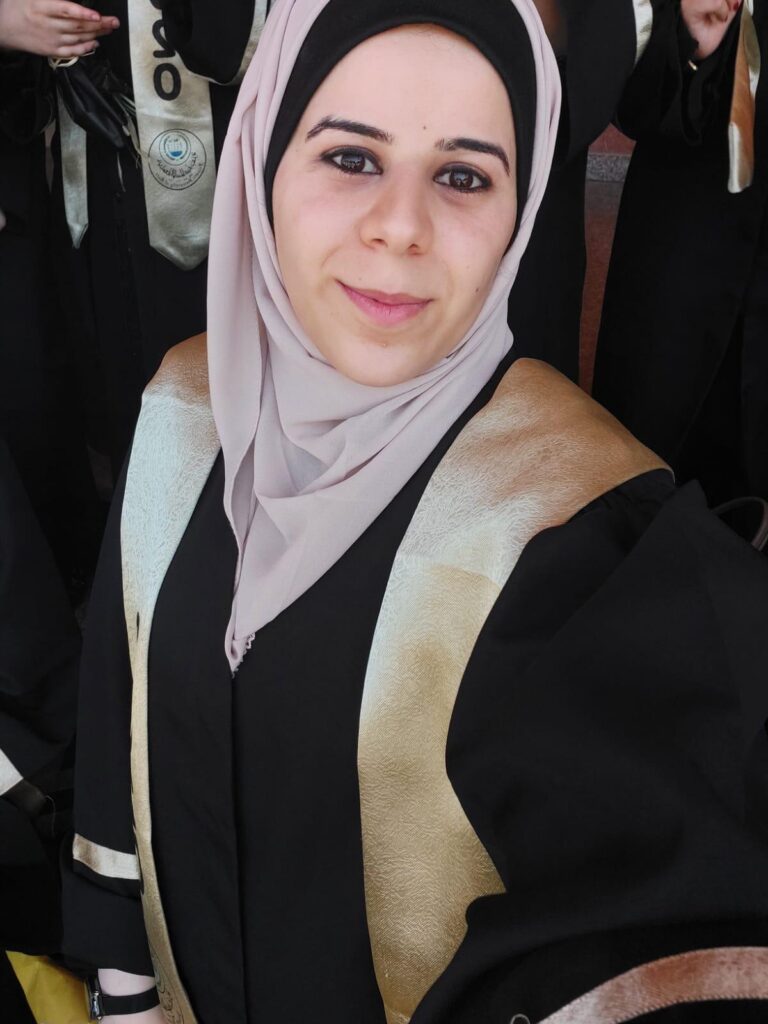
The blockade doesn’t only affect those who were born when it happened, its affects extends to those who were born before it. This is Enas, 24, a graduate of the Islamic University of Gaza. She works as a news writer. She’s a dear colleague of mine, and we were having a lovely conversation until I asked her what “blockade” meant to her. With a look of sorrow accompanied by a sigh, she answered, “Israel’s blockade of Gaza has turned Gaza into the world’s largest open-air prison. We are like caged birds, creatures that have the illusion of flying freely, but still are restricted in reality.” 

When asked about the impact of the blockade, she confirmed that the conditions in Gaza are restricted, telling me that if we lived in an unrestricted area, she would “feel connected to the world. I’d be free to go wherever I want and do whatever I want. I would get a master’s degree in Literature. This is what I really want to do in my life, but I can’t do it here in Gaza. We don’t have such a program.”

Dejectedly, she told me that no one comprehends what war means unless they experience it. Enas wants to travel, but she is afraid that Israel may launch an attack again on Gaza, and her tripedition stops her every time, opting to stay with her family instead. “If the Israeli occupation’s blockade ends, I will, no doubt, visit Al-Aqsa Mosque in occupied Jerusalem.” she concluded.

Till When?

I was lucky to interview optimistic Gazans with a rearing soul, but so many have had their souls broken, so many think that we’re going to stay trapped like wingless birds forever, never to fly; not even in our suffocating cage. And how could they not be pessimistic, when the world continues to turn a blind eye to Gaza and its suffering?
Featured

Gaza’s Food Supplies Are Being Choked Again as Israel Halts Commercial Deliveries

Published

on

Gazas-Food-Supplies-Are-Being-Choked-Again-as-Israel-Halts-Commercial-Deliveries

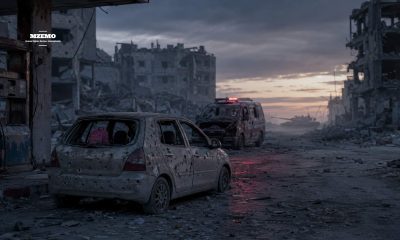
For Palestinian families in Gaza, finding enough food has become a daily struggle. It is ultimately shaped by food shortages, soaring prices, and the uncertainty of whether supplies will arrive tomorrow. Unfortunately, after three years of Israel’s continuous genocide, many households have lost their incomes, farmland, and savings. It has left them increasingly dependent on humanitarian assistance and whatever remains available in local markets.

Recently, this fragile supply system suffered another setback when commercial deliveries of fresh produce, meat, and other essential goods stopped entering Gaza through key Israeli-controlled routes. Consequently, this deliberate interruption immediately raised many fears.

Israel’s Commercial Supply Restrictions Threaten Gaza’s Markets

Apparently, the latest interruption began under the cover of a dispute over payments imposed on merchants transporting goods into Gaza. But the real motive of Israel is to further accelerate genocidal activities in Gaza.

The disagreement remains unresolved, but its consequences extend directly to the innocent civilians. Nevertheless, Israel’s control over Gaza’s principal commercial crossings leaves Palestinian traders and consumers extremely vulnerable whenever access is interrupted. Fresh vegetables, fruit, meat, and other perishable products require regular deliveries, particularly where refrigeration and storage facilities have greatly been damaged.

Gaza’s Hunger Crisis Remains Far From Over

The latest restrictions come despite numerous international warnings that improvements in Gaza’s food security remain extremely fragile.

On October 16, Gaza’s Health Ministry stated that 466 Palestinians had died from starvation and malnutrition since 2024, with children accounting for approximately one-third of those deaths. The ministry also estimated that 74,200 children would require treatment for acute malnutrition through April 2027.

According to the Integrated Food Security Phase Classification (IPC), more than 1.4 million Palestinians, representing 67% of Gaza’s population, are projected to experience Crisis-level food insecurity or worse between July and December 2026. Resultantly, around 212,000 people are projected to face Emergency-level conditions.

Although these projections cover several months, they demonstrate how vulnerable the population remains despite improvements following the October 2025 ceasefire.

The latest Al Jazeera report on Gaza’s malnutrition crisis also highlights rising nutritional problems among pregnant women and children, reinforcing concerns that disrupted supplies could reverse recent progress.

Food Prices Are Making Survival Increasingly Expensive

Ultimately, the presence of food in Gaza’s markets does not necessarily mean families can afford to buy it.

According to the UN Office for the Coordination of Humanitarian Affairs (OCHA), average market prices during September remained approximately 204% above their pre-October 2023 levels. This means essential goods were, on average, costing roughly three times as much as before Israel’s genocide began.

These figures reflect a fragile economy where destroyed businesses, widespread unemployment and severely reduced household earnings have left families with little purchasing power.

Children Are Paying the Highest Nutritional Price

The consequences of inadequate food extend far beyond empty stomachs, particularly for innocent children whose growth and development entirely depend on balanced diets.

In a report, UNICEF warned that only one in three children under two was receiving the minimum recommended dietary diversity. Earlier assessments found chronic malnutrition affecting approximately one in eight children under five.

The Health Ministry of Gaza also reported that anaemia among pregnant women had increased from 41% before October 2023 to 61% in 2026.

Such nutritional deficiencies can weaken immunity, complicate pregnancy, and affect children’s development, especially when access to healthcare is limited.

Winter Could Turn Food Shortages Into a Deeper Emergency

Gaza’s approaching winter is creating additional dangers for families already struggling to obtain enough food.

On October 16, the UN warns that nearly one million displaced Palestinians could face flooding, freezing conditions and continuing insecurity during the coming months.

A more specific OCHA assessment identified approximately 279,000 people living in flood-prone displacement sites or unsafe buildings. These figures describe different risk categories rather than conflicting estimates of the same population.

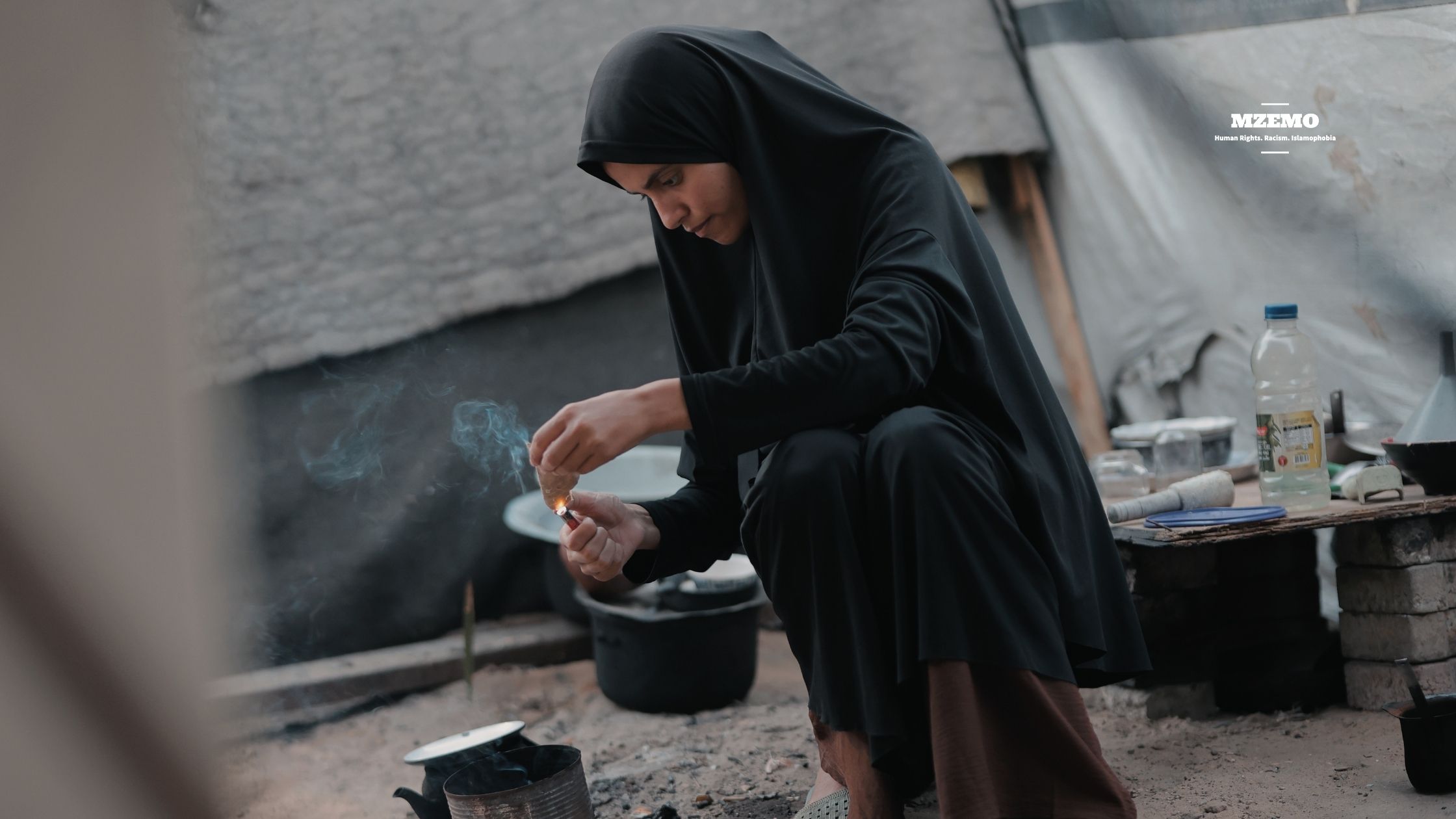
Undoubtedly, for displaced families, winter affects much more than shelter. Heavy rainfall can damage stored flour, contaminate food supplies and make outdoor cooking increasingly difficult. Flooded roads may also interrupt deliveries to temporary settlements already lacking proper drainage and sanitation.

Moreover, children suffering from malnutrition are especially vulnerable when cold temperatures, inadequate shelter and illness occur together.

So, the need for cooking fuel, nutritious meals, clean water, and weather-resistant food storage will therefore become increasingly urgent as temperatures fall.

Gaza Cannot Recover While Food Access Remains Uncertain

Unfortunately, Israel’s genocide has left Gaza with devastated farmland, damaged infrastructure, and an economy struggling to provide even the most basic necessities. The latest commercial supply interruption threatens to deepen that suffering just as winter introduces new challenges.

With more than 1.4 million people projected to face serious food insecurity, ensuring uninterrupted food supplies is an urgent humanitarian responsibility. Gaza’s recovery must begin with the ability of its population to obtain enough food without facing another genocide each time the crossings are disrupted.

Continue Reading

Featured

Israel’s Settlers Are Burning Palestine’s Olive Harvest and Its Future

Published

on

Israels-Settlers-Are-Burning-Palestines-Olive-Harvest-and-Its-Future

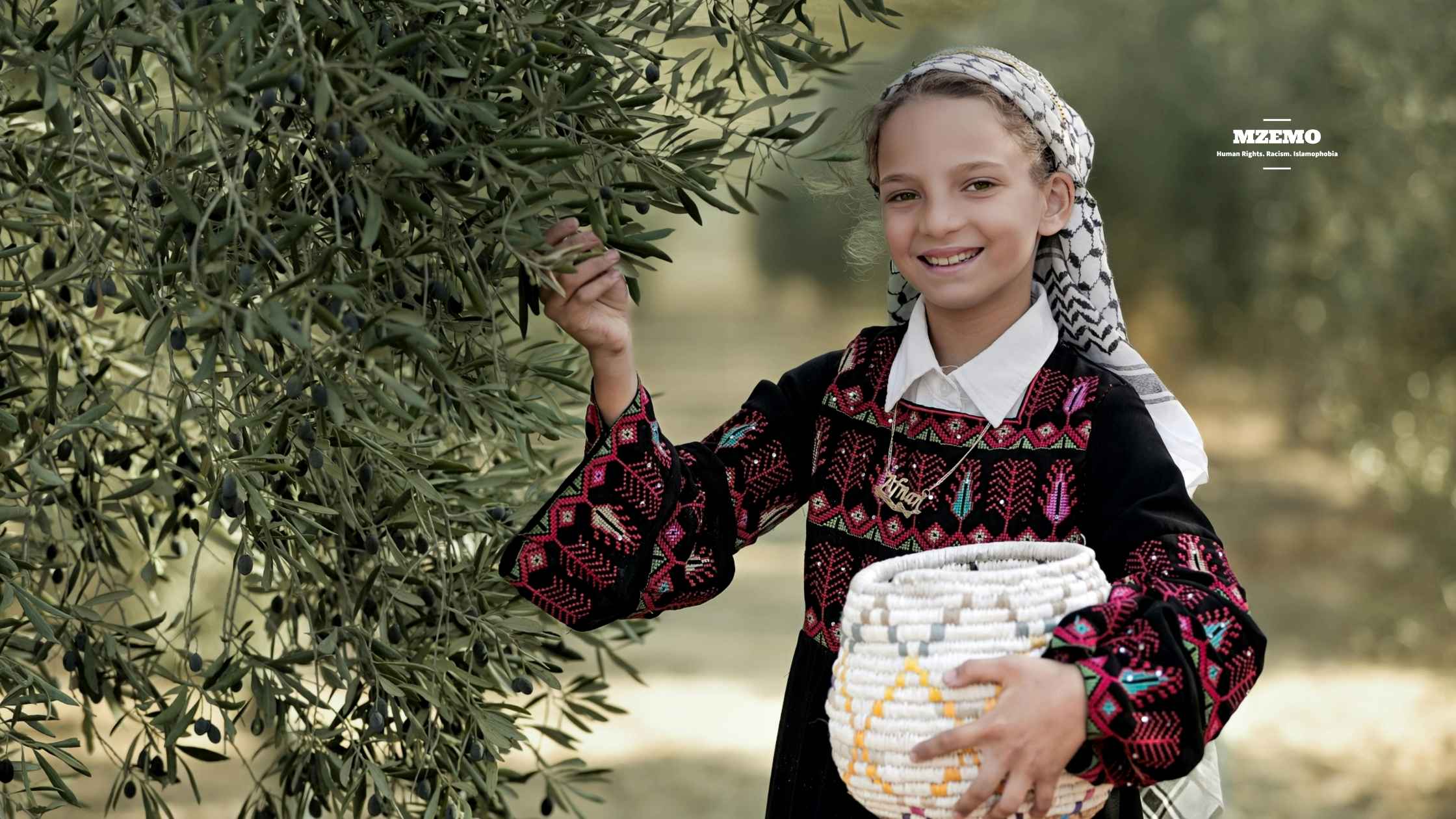
The olive harvest in Palestine should be a season of family gatherings, agricultural work, and celebration. Instead, farmers in the occupied West Bank are increasingly finding themselves surrounded by armed Israeli settlers, watching their olive trees burn while struggling to protect the land their families have cultivated for generations.

Specifically, on October 16, around 80 Israeli settlers descended on olive groves near Abu Falah, northeast of Ramallah. They brutally attacked innocent Palestinian harvesters with stones and set trees ablaze. Incidents like these expose a disturbing reality in which Palestinian farmers risk serious injuries simply by attempting to harvest their crops on their legitimate land.

A Harvest Season Marked by Israeli Settler Violence

The attack in Abu Falah was part of a much wider escalation across the occupied West Bank. Even an Israeli human rights organisation, Yesh Din, recorded at least 170 settler attacks between September 27 and October 16, coinciding with the beginning of the annual olive harvest.

On October 16 alone, numerous credible sources documented attacks across at least eight Palestinian villages, where settlers assaulted residents, burned vehicles and targeted olive trees.

This violence also follows an exceptionally destructive harvest season in 2025. According to the UN Office for the Coordination of Humanitarian Affairs (OCHA), Israeli settlers carried out 178 olive-harvest-related attacks during October and November, affecting 88 Palestinian communities. Additionally, more than 6,000 trees and saplings were vandalized, nearly twice the number damaged during the previous year.

For Palestinian farmers, these attacks create difficulties extending beyond immediate physical injuries. Families frequently lose access to their groves during the limited harvesting period, while damaged equipment, stolen crops, and the fear of renewed violence threaten their seasonal earnings.

Why Olive Trees Matter So Deeply to Palestine

Olive cultivation has sustained Palestinian communities for centuries, providing food, employment, and income. It also preserves strong connections between families and their ancestral land.

According to credible figures, approximately 110,000 Palestinian families depend on privately owned olive groves, while many others earn seasonal wages from harvesting, transporting olives, and producing olive oil.

Since a mature olive tree can remain productive for generations, its destruction is evidently disastrous. Replacing one requires years of cultivation, while families who lose their harvest may struggle to meet everyday expenses long before newly planted trees become productive.

Moreover, the economic damage also extends into rural communities, affecting olive presses, local traders and workers who depend on the short but essential harvesting season.

How Illegal Israeli Settlements Are Cutting Farmers Off From Their Land

Burning trees is apparently the only way Palestinian agriculture is being undermined. Across the occupied West Bank, expanding illegal Israeli settlements, military restrictions and settler intimidation increasingly prevent farmers from reaching their own properties.

A recently published OCHA report documented a situation in Beit Ula, northwest of Hebron, where the illegal establishment of an Israeli settlement outpost has severely restricted access to approximately 1,500 dunums of agricultural land. Around half of this area is planted with olive trees.

Looking back, in January 2026, an Israeli military order also designated roughly 1,300 dunums in the area as a closed military zone for one year. Local farmers highlighted repeated intimidation and restrictions that prevented them from cultivating and even reaching their land.

Such conditions gradually destroy agricultural livelihoods even when trees remain standing. Without reliable access, farmers cannot prune branches, maintain irrigation systems, or collect ripe olives, leaving valuable groves neglected and families without dependable income.

Eventually, the combination of illegal settler violence and settlement expansion has therefore become a serious threat to the continued presence of Palestinian farming communities.

Gaza’s Destroyed Olive Groves Reveal Another Devastating Loss

The destruction of Palestinian agriculture is not confined to the West Bank. In Gaza, Israel’s genocide has devastated agricultural land, destroyed orchards and placed large areas beyond the reach of surviving farmers.

A Reuters investigation revealed that, according to Gaza’s agricultural authorities, only approximately 150,000 of the territory’s original two million olive trees remain.

The expected olive harvest has collapsed from around 40,000 tonnes to just 5,000 tonnes, while olive-oil production has sharply fallen from approximately 5,000 tonnes to 700 tonnes.

Moreover, the number of operational olive presses has also declined from roughly 40 to seven, leaving agricultural workers without employment and contributing to olive-oil prices tripling.

China Warns Israel as Illegal Settlement Expansion Continues

The growing international concern over Israel’s illegal settlement policies received renewed attention during this month, when Chinese Foreign Minister Wang Yi called on Israel to stop and reverse its establishment of illegal settlements in the occupied West Bank.

In fact, the warning reinforces an established legal position. In its July 2024 advisory opinion, the International Court of Justice concluded that Israel’s continued presence in the occupied Palestinian territory is unlawful and that it must immediately cease new settlement activities.

In a nutshell, the attacks on Palestinian olive farmers are destroying more than agricultural property. They are weakening an essential rural economy while making it increasingly difficult for families to remain on land they have cultivated for generations.

From Abu Falah’s burning groves to Gaza’s devastated orchards, the consequences extend far beyond one harvest season. Every mature tree destroyed represents lost income, years of agricultural work and an uncertain future for the families who depended on it.

Protecting Palestine’s olive harvest requires protecting the people who cultivate it and their right to remain on their land. Without that protection, the damage and genocidal activities will continue long after this year’s olives have fallen.

Continue Reading

Featured

Jerusalem, Gaza and the Muslim World’s Red Lines

Published

on

Jerusalem-Gaza-and-the-Muslim-Worlds-Red-Lines

Unfortunately, Palestine is not being attacked on one front only. Gaza is going through a heinous genocide; Jerusalem is being pressured through holy-site violations, while the West Bank is being carved up through settlements, demolitions, and settler violence. These are connected parts of Israel’s wider attempt to weaken Palestinian life, land, and sovereignty.

Numerous Muslim countries have already mentioned many of these red lines. Specifically, in 2026, the foreign ministers of Qatar, Egypt, Jordan, the UAE, Indonesia, Pakistan, Türkiye, and Saudi Arabia issued repeated statements in favor of Palestine. Muslim nations are deeply concerned about Gaza, the situation in Jerusalem, Al-Aqsa, settlement expansion, and the E1 settlement plan. The real question is whether those red lines can become real pressure.

Jerusalem is the First Test

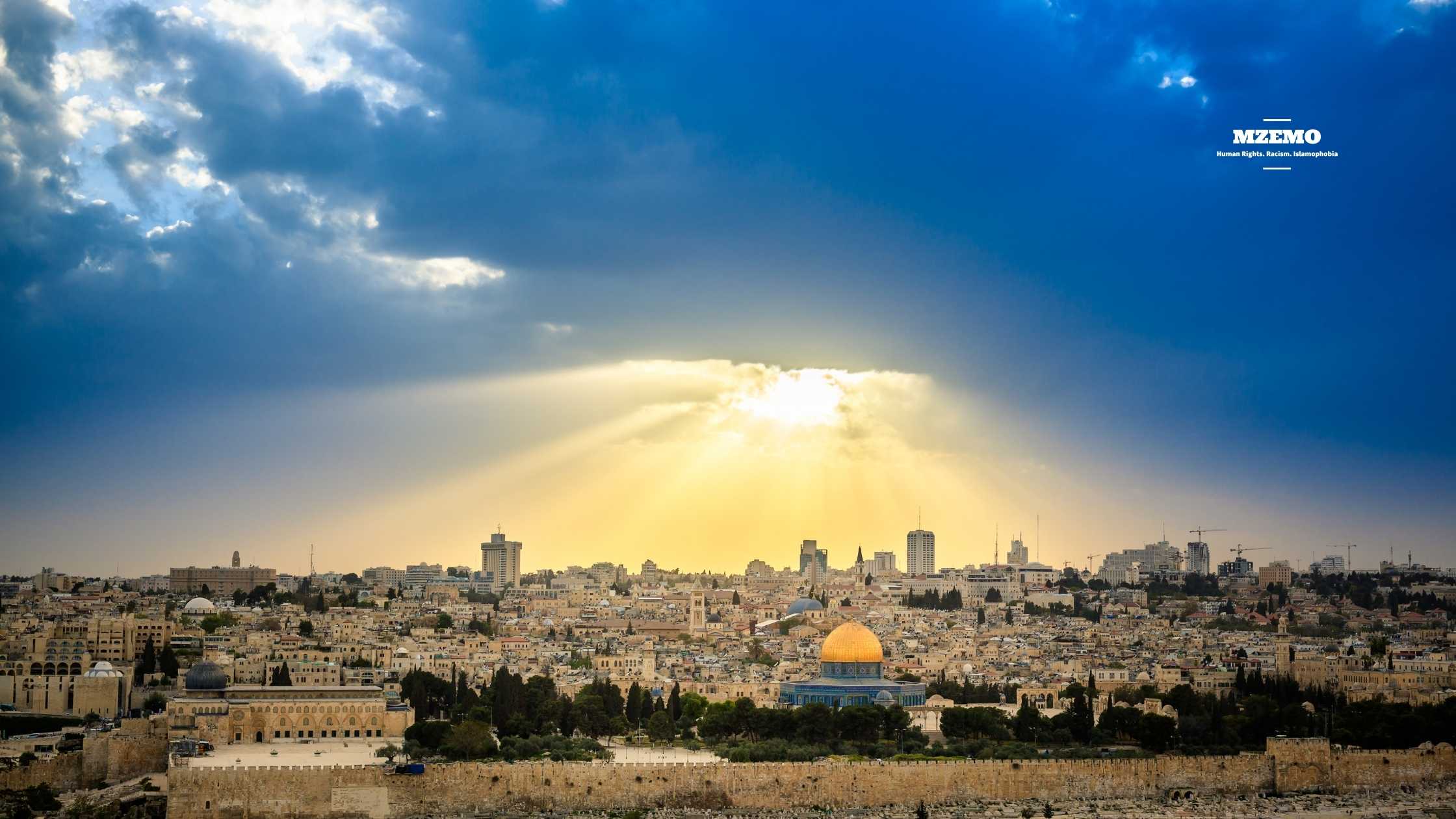
Jerusalem is not only a religious symbol, but also a political battlefield where Israel tests how far it can go. Access to Al-Aqsa Mosque, restrictions on worshippers, and incursions by settlers or extremist ministers all shape the future of illegally occupied East Jerusalem.

The Arab and Islamic states condemned Israeli restrictions on Muslim and Christian worship in occupied Jerusalem, including restrictions affecting Al-Aqsa Mosque and the Church of the Holy Sepulchre. They also stressed that Israel, as the occupying power, has no sovereignty over occupied Jerusalem.

Rather than being a small diplomatic line, it directly rejects Israel’s attempt to normalize control over the city’s sacred and political life. In this context, the UN archive published the recent joint statement on illegal Jerusalem restrictions.

If Jerusalem’s holy-site status can be repeatedly challenged without consequence, every other Palestinian red line becomes easier for Israel to test and even cross.

Gaza Shows the Real Face of Israel

The ceasefire was supposed to open the way for reconstruction, Israeli withdrawal, a new Palestinian administration and an International Stabilization Force. Even one year later, the force had not materialized, and major parts of the agreement remained stalled.

Until now, Israel’s genocidal campaign had brutally killed more than 74,000 Palestinians, while more than 1,400 Palestinians had been killed since the ceasefire took effect.

This is why the word “ceasefire” sounds completely hollow in Gaza. A ceasefire that leaves people in tents, neighborhoods in rubble, and Israeli strikes continuing does not feel like peace. Even today, fresh Israeli strikes are killing innocent Palestinians in Gaza, even as the ceasefire framework remains officially in place.

For Palestinians, the issue is not only whether aid enters. It is actually whether Gaza is allowed to live again. In the current scenario, reconstruction and peace that depend apparently on Israeli permission keep survival under the control of the same power that destroyed homes, roads, and hospitals.

The West Bank is Being Reshaped Quietly

While Gaza carries the loudest voice of genocide, the West Bank is being altered through a slower method. Settlements, outposts, checkpoints, and military restrictions not only inconvenience Palestinians, but also change the map itself.

On 2 Oct 2026, OCHA reported that West Bank humanitarian needs continue to be driven by settler violence, demolitions, and Israel’s movement restrictions. It recorded more than 70 Palestinian-owned structures demolished or sealed, 93 people displaced, including 55 children, and more than 50 settler attacks causing casualties or damage.

Adding fuel to the fire, the E1 settlement plan makes the danger even clearer. Numerous Arab and Islamic states rejected the plan east of occupied East Jerusalem because it threatens the link between East Jerusalem and the West Bank. The UN Secretary-General also warned that advancing E1 would deal a “deathblow” to the prospect of a contiguous and viable Palestinian state, while stressing that Gaza and the West Bank, including East Jerusalem, must remain politically, economically, and territorially integrated.

The Mecca Pact Raises a Sharper Question

The Mecca Joint Defence Agreement has changed the regional as well as global conversation. Saudi Arabia, Türkiye and Pakistan signed the pact in August 2026, and an armed attack on one member is regarded as an attack on all. Additionally, in October, the three countries agreed at an emergency meeting to rapidly deploy military forces and capabilities in Saudi Arabia under that framework.

The pact ultimately proves that Muslim states can coordinate quickly when security is treated as urgent.

Palestine needs that seriousness in non-military form too. It needs legal pressure, settlement trade restrictions, sanctions on violent settler networks, defense of custodianship in Jerusalem, and reconstruction funds that support Palestinian-led recovery rather than Israeli-controlled access.

Final thoughts

In conclusion, the Muslim world has already drawn its red lines on Gaza, Jerusalem and the West Bank. Israel has crossed many of them through genocide, settlement expansion, holy-site pressure and forced displacement.

What Palestine needs now is not another statement that disappears after the headlines. It needs a strategy that makes occupation costly, protects Jerusalem’s sanctity, and keeps Gaza, the West Bank, and East Jerusalem together as one Palestinian future.

Continue Reading
Advertisement

Trending