
Featured
Saudi Arabia Ignites Golf War Showcasing Who Prefers Money Over Human Rights

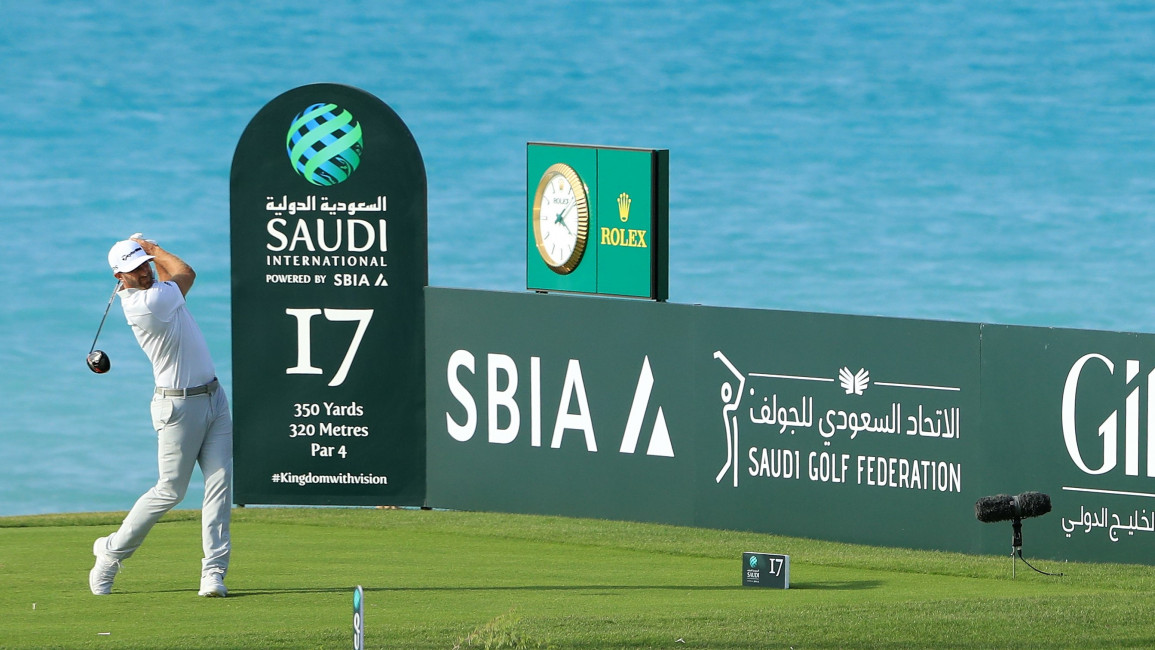
LIV Golf invitational Series Coined as “Sportwashing”
Saudi Arabia ignites a golf war through their soft power strategy to enhance its international status. Thus, Saudi Arabia is hosting the LIV Golf Invitational Series. This event started in London on June 9th 2022. This golf event meticulously established the tactful method of “sportswashing” to protect the Saudi’s tarnished reputation. Critics have been comparing the LIV Tournament to Nazi Germany hosting the Olympics in 1936. This golf industry showdown begs many moral and legal questions.
Specifically, Saudi Arabia uses this sporting event to gloss over and divert attention from the regime’s ongoing human rights abuses. These include, amongst others, a brutal penal system, intolerance of political dissent and the mistreatment of girls and women.
Moreover, Saudi Arabia has moved beyond investing in a sport and has now made a play to control one. The Saudi sovereign wealth fund offers high-profile professional golfers record-breaking contracts and tournament prizes. Shockingly, the first LIV Series individual winner will receive a staggering $4 million in prize money. This is coming from a total prize fund worth $20 million. This tournament is promising top players multimillion-dollar paydays.
The PGA Tour Strikes Back: An Illegal Monopoly?
The Saudi golf league represents a considerable obstacle to the PGA Tour’s dominance. In retaliation to Saudi’s brutal fight for control over elite professional golf, the PGA Tour suspended 17 players participating in the LIV event’s first rounds.
Phil Mickelson, whose name is in the spotlight, signed a $200 million contract to play in the LIV golf tour. Despite Mickelson admitting the Saudi’s despicable human rights record, he held that the PGA tour needed competition. Consequently, the PGA tour suspended Mickelson from participating in all future PGA Tours, the primary North American circuit of professional golf.
Greg Norman, the CEO of LIV Golf, an Australian former pro golfer, has held that the PGA Tour is perpetuating an illegal monopoly over golf in what should be a free and open market. The PGA’s decision faces criticism, with some calling the suspension anti-golfer, anti-fan, and anti-competitive.
What Human Rights Abuses Are Saudi Arabia Committing?
Restricted Freedom of Expression, Association and Belief
Human rights activists speaking out against the regime routinely face repression. Saudi Arabia consistently carries out arbitrary arrests, trials and convictions of peaceful dissidents. Many activists face lengthy prison sentences in response to peaceful protests.
Abdulrahman al-Sadhan, an aid worker, faces 20 years in prison and a 20-year travel ban due to an arrest related to his peaceful expression. Moreover, there have been many reports that the Saudi authorities reportedly torture prisoners and compel them to sign false confessions.
A US intelligence report confirmed that Jamal Khashoggi was likely murdered under the approval of Saudi Crown Prince Mohammed bin Salman. In the Saudi consulate in Istanbul, Khashoggi, a journalist, was strangled to death. Subsequently, the journalist’s body was dismembered with a bone saw. One official Saudi present that day called Khashoggi “the sacrificial animal.”
The Trump administration ignored the killing of Khashoggi. Furthermore, the current Biden Administration has stated they are willing to move past the killing to maintain relations with Saudi Arabia. Moreover, the CIA did not conclude that Salman ordered the assassination, and the Saudi government has not admitted any involvement. Greg Norman stated, “look, we’ve all made mistakes”, when questioned about the murder.
A Brutal Criminal Justice System
Saudi Arabia’s horrific justice system applies its uncodified interpretation of Sharia (Islamic law) as its national law. Saudi Arabia has no written penal code or narrowly worded regulations. Consequently, judges and prosecutors can convict people on various offences under broad charges. Specifically, these charges include “breaking allegiance with the ruler” or “trying to distort the kingdom’s reputation”. Prisoners are consistently denied their due process and fair trial rights, including arbitrary arrest.
Saudi Arabia Has Committed Numerous Violations of International Humanitarian Law
Since the Saudi-led coalition entered Yemen seven years ago, millions of children in the country have faced poverty and starvation. The United Nations confirms that more than 10,200 children have been killed or injured. However, the actual figure is likely much higher.
The Saudi-led coalition has imposed an aerial and naval blockade in Yemen since March 2015. This coalition has restricted the flow of life-saving goods and has restricted Yemenis from travelling into and out of the country to varying degrees throughout the conflict.
Mistreatment of Girls and Women’s Rights
Saudi Arabia offers women very little freedom and autonomy. In recent years, women’s rights have slightly improved. Women over 21 years have a legal right to a passport and to travel abroad without a guardian’s permission. In July 2018, Saudi Arabia lifted its ban on female drivers.
Women face considerable discrimination concerning marriage, family, divorce, and child custody. Men can file cases against girls and women under their guardianship for “disobedience”. This gives men ultimate power over women resulting in a forcible return to the male guardian’s home or potential imprisonment. However, a male guardian must still approve girls and women getting married, leaving prison, or accessing certain healthcare services.
Saudi Arabia has gender-segregated public transport, entrances to buildings, and public eating areas in restaurants. Men and women are not allowed to show public displays of affection even if married.
Saudi Arabia Has Invested Billions Into “Sportswashing”
In 2021, the Saudi Public Investment Fund owned 80% of Newcastle United FC’s English football team. Saudi Arabia has cut major deals with Formula 1 racing, alongside WWE, horseracing, tennis and chess championships.
In 2021, it was estimated that the oil-rich nation spent at least $1.5 billion on high-profile international sporting events to bolster its reputation and cover its abuses.
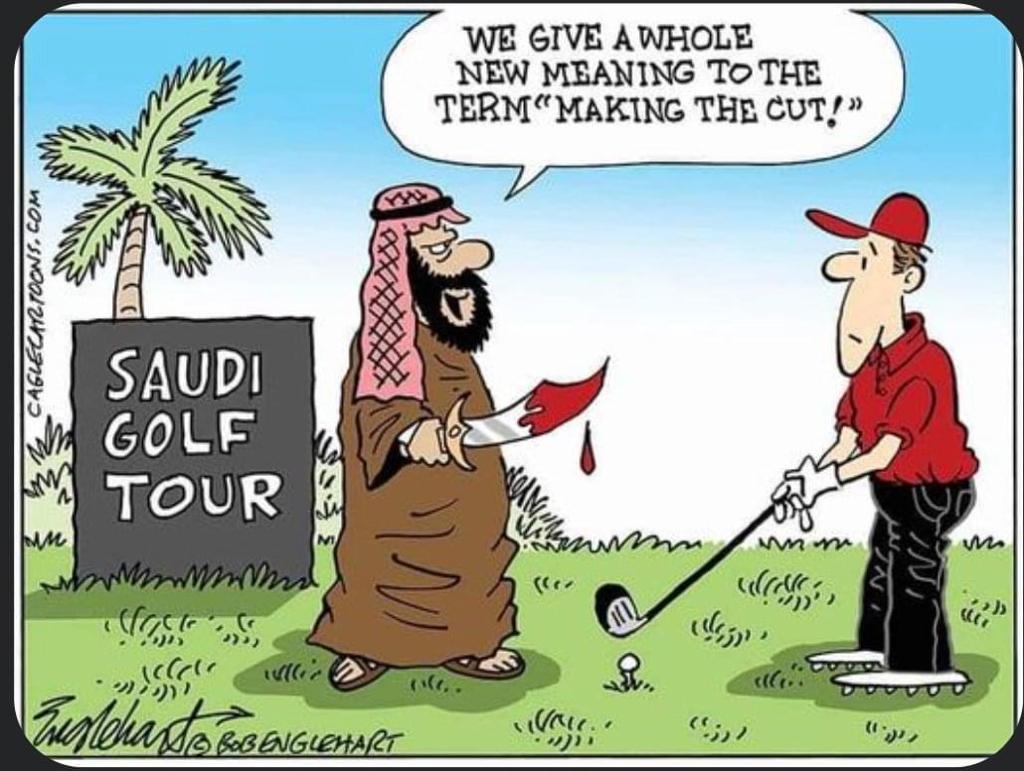
Saudi Arabia Has Changed Golf Forever Through Sportswashing
Saudi Arabia uses sports disingenuously to launder its reputation and simultaneously distract the world from its abysmal human-rights record. Therefore, the LIV tournament has changed golf forever.
Watching golfers like Mickelson, Johnson, Schwartzel, and all of their morally bankrupt colleagues playing at the LIV tournament truly showcases who prefers money over supporting human rights. They are chasing obscene wealth while saying nothing that would offend their masters. These golfers claim to be exercising their right to free agency, all in the name of supporting a barbaric nation responsible for numerous ongoing human rights violations.
Saudi Arabia’s brutal regime has got “sportswashing” down to a tee, and the west is more than willing to be its caddie.






Featured
Gaza on the Brink Again: How the Rafah Border Closure Is Pushing 2 Million People Toward Extreme Hunger


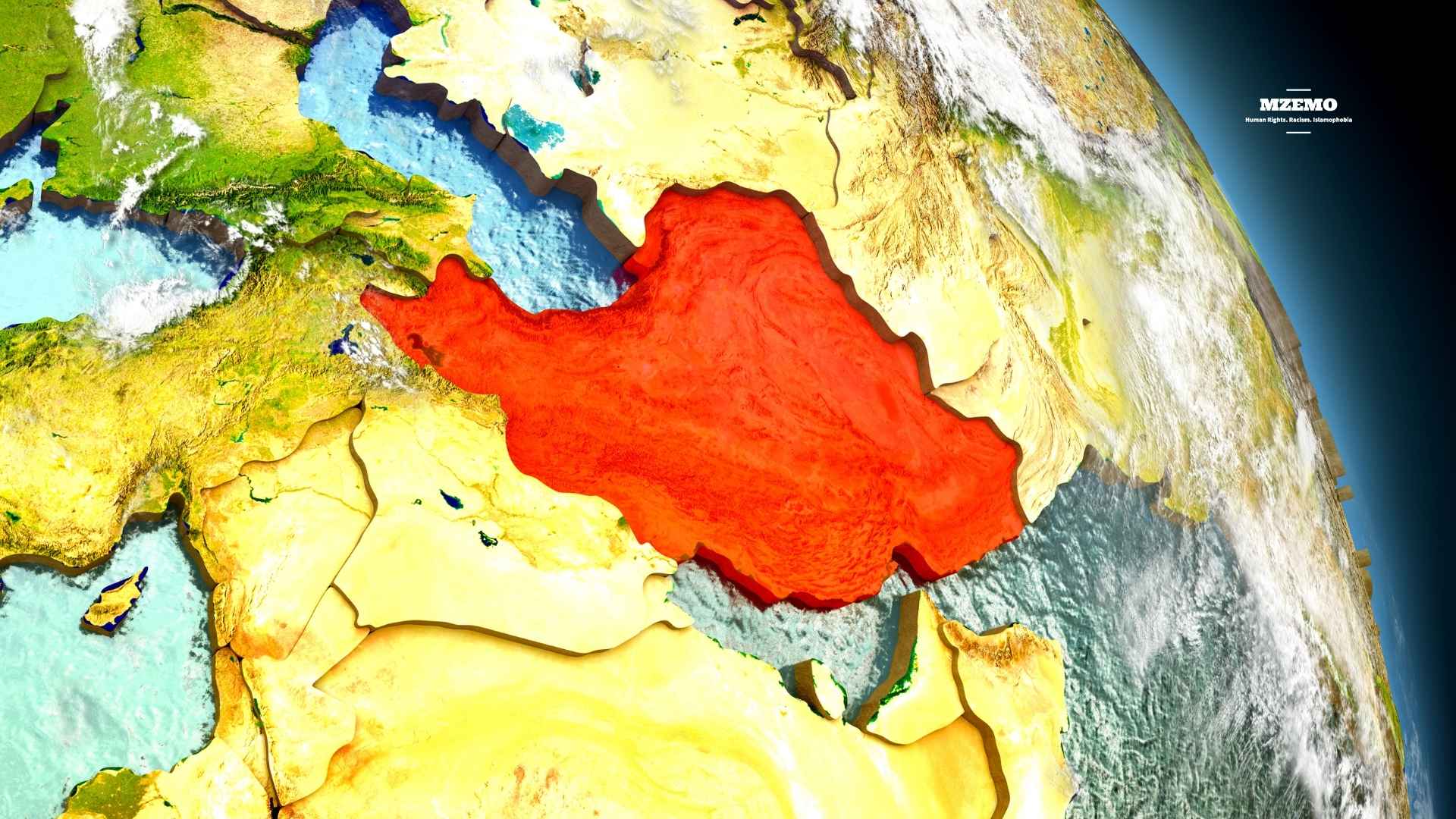
Across the globe, there are two dominating crisis headlines today: Israel’s blatant genocide in Gaza and the ongoing war between Israel-US and Iran. This war is undoubtedly imposed by Israel and the United States, labeling it necessary for peace.
Western governments and media houses frame their policies around the language of “security” and “stability”. There is a pattern of double standards that undermines international law, credibility, and humanity.
On one side stands Gaza, where more than 2.2 million Palestinians are being killed by Israel. It has produced one of the worst humanitarian catastrophes of the 21st Century. On the other hand, stands Iran, a country that is signatory to the Nuclear Non-Proliferation Treaty (NPT) yet faces sanctions, threats, and even attacks on its civilians.
Why are some countries given carte blanche and strategic exceptions while others face relentless punishment?
Gaza: A Genocide in Plain Sight
Since the beginning of Israel’s large-scale assault on Gaza, the humanitarian impact has been staggering. According to Palestinian health authorities and international humanitarian organizations, more than 80,000 Palestinians have been killed, with a large proportion of the victims being women and children.
Entire neighborhoods across Gaza have been reduced to rubble. The United Nations reports that the vast majority of Gaza’s population has been displaced, many of them forced to move multiple times as Israeli military operations expanded across the territory.
This is the purest form of genocide in modern human history. The scale of destruction, starvation, and forced displacement goes far beyond conventional warfare. However, not all media groups are showing the real picture. Western media is showing its unquestioned support for Israel even during the most heinous crimes against humanity.
Western Silence and Political Protection
The United States remains Israel’s closest international ally. According to data from the U.S. Congressional Research Service, Washington provides Israel with approximately $3.8 billion in annual military assistance under long term defense agreements.
Beyond military aid, Western governments have repeatedly shielded Israel from international accountability. In diplomatic arenas such as the United Nations Security Council, attempts to impose sanctions or demand ceasefires have often been blocked or diluted.
This pattern represents a profound contradiction: while Western leaders frequently emphasize human rights and international law, their response to the devastation in Gaza appears far more restrained than in other global conflicts.

Israel’s Nuclear Arsenal: The Middle East’s Open Secret
Another major source of controversy lies in the nuclear dimension of Middle Eastern politics.
Israel is widely believed by international experts to possess between 80 and 200 nuclear warheads, developed through its long-standing nuclear program centered around the Dimona facility in the Negev desert.
Yet Israel maintains a policy known as “nuclear ambiguity” — neither confirming nor denying the existence of its nuclear arsenal.
More importantly, Israel is not a signatory to the Nuclear Non-Proliferation Treaty (NPT), the global framework designed to prevent the spread of nuclear weapons.
Just because it operates outside the NPT system, Israel’s nuclear facilities are not subject to full international inspections by the International Atomic Energy Agency (IAEA).
Despite this reality, Western governments rarely criticize Israel’s nuclear capabilities or call for sanctions related to its weapons program.
Iran and the Nuclear Non-Proliferation Treaty
On the other hand, Iran’s nuclear program exists in a very different legal context.
Unlike Israel, Iran signed and ratified the Nuclear Non-Proliferation Treaty in 1970, which means it is legally permitted to pursue nuclear technology for peaceful purposes such as energy production and scientific research.
Under the NPT framework, Iran’s nuclear facilities are supposed to operate under international monitoring by the International Atomic Energy Agency (IAEA).
Nevertheless, Iran has faced decades of economic sanctions and intense political pressure from Western governments, which argue that its uranium enrichment activities could eventually lead to nuclear weapons development. However, Iranian officials insist that their nuclear program is intended solely for civilian purposes.
Attacks on Iran and the Broader Muslim World
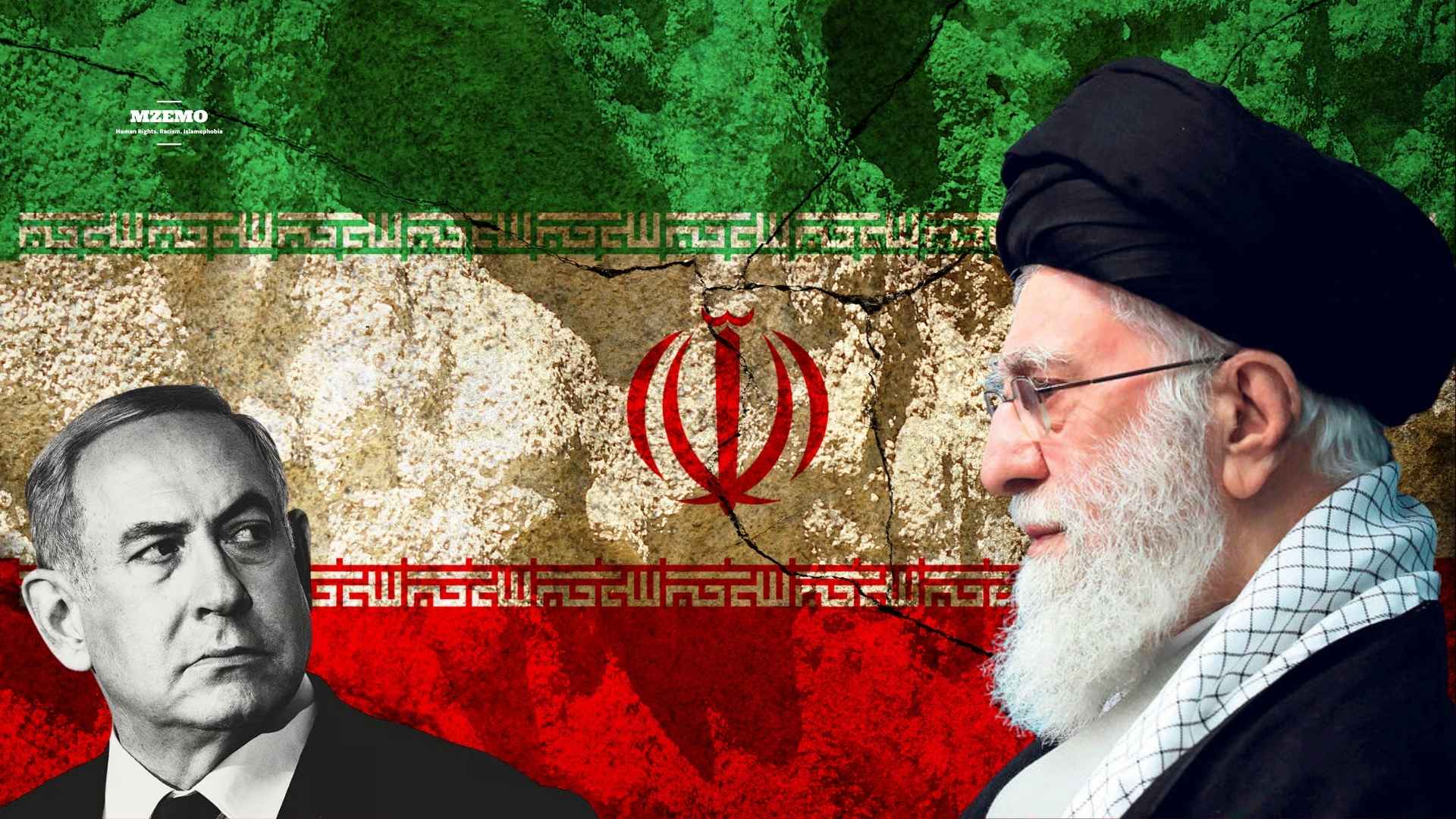
Recent tensions have further escalated the crisis. Israel and the United States have carried out strikes targeting Iranian nuclear facilities, including sites associated with uranium enrichment. The assassination of Iran’s Supreme Leader Ayatollah Ali Khamenei, along with other high-ranking officials show how brutal these strikes are.
Just like in Gaza, Iran’s civilians are also being attacked. One such example is the recent bombing of a girls’ school in Iran in which more than a hundred innocent children and teachers were killed. Such attacks raise serious concerns among international security experts.
Moreover, striking nuclear infrastructure carries enormous risks, including the possibility of radioactive contamination and the potential collapse of global nuclear non-proliferation efforts. Some analysts argue that military attacks on nuclear facilities could actually push targeted states to accelerate weapons development rather than abandon it.
Ultimately, these strikes represent another example of selective enforcement of international norms.
From Gaza to Tehran: A Crisis of Global Credibility
The combined effect of these policies has produced a growing crisis of credibility for the international system.
International law is being applied selectively, enforced strictly against adversaries, while ignored when allies are involved.
From the ruins of Gaza to the nuclear facilities of Iran, the politics of power continue to shape the Middle East in profound ways.
For millions of people across the region, the question is not merely about military strategy or diplomatic rivalry. It is about whether international law truly applies equally to all nations — or whether global justice remains dependent on political alliances.
Until those questions are addressed, the perception of double standards will continue to fuel anger, instability, and distrust across the Middle East and beyond.
Crimes Against Humanity
Shockwaves Across the Gulf: How the US–Israel Strike on Iran Could Redraw the Region
-
 Featured2 years ago
World passively watching as Israel perpetrates open-ended massacre in Gaza
-
Featured3 years ago
Argentina wins the World Cup; are there any other winners?
-
Featured2 years ago
Israel is Hiding Crucial Demographic Facts About Palestinians
-
Featured5 years ago
History of the Ottoman Empire
-
Featured3 years ago
Christian militia infiltrate Lebanon
-
Featured5 years ago
“Do Not Waste Water Even If You Were at a Running Stream” Prophet Muhammad
-
Featured2 years ago
Muhammed: The Greatest Man to walk on Earth
-
Featured4 years ago
World Leaders Remain Silent Over Human Rights Violations in the UAE














