
Featured
Hindutva Pop: Anti-Muslim Music in India


Hindutva Pop is calling the youth for Hindu nationalism and religious warfare. It again fuels the sentiments of islamophobia.
Hindutva Pop Triggering Contemporary Hate Politics
Indian pop stars like Laxmi Dubey are singing songs with lyrics like “Every house will be saffron!” that depicts a colour for Hinduism. She yells that “We have to make terrorists run from our blessed land!” pointing towards people of a particular religion. People cheer for such lyrics. The word Hindutva means a devout Hindu Culture and a way of life. Hindutva pop reflects how a Hindu should live and behave through its lyrics. Such pop music sets the Hindu religious stories to the musical tracks. They also calls for Hindu action against Muslims, Pakistan, non-believers and forced conversions.
Ms. Dubey believes in conspiracy theories that talks about forced conversions and love-jihad. She said that “Why would they [Muslims] marry Hindu girls and convert them? The minority communities are doing 5-10 marriages and have 20-50 children. Their population is growing heavily. If our country didn’t support them, would their population grow to this extent?” and she further added that “I want to bring Hindus together to create an army.”
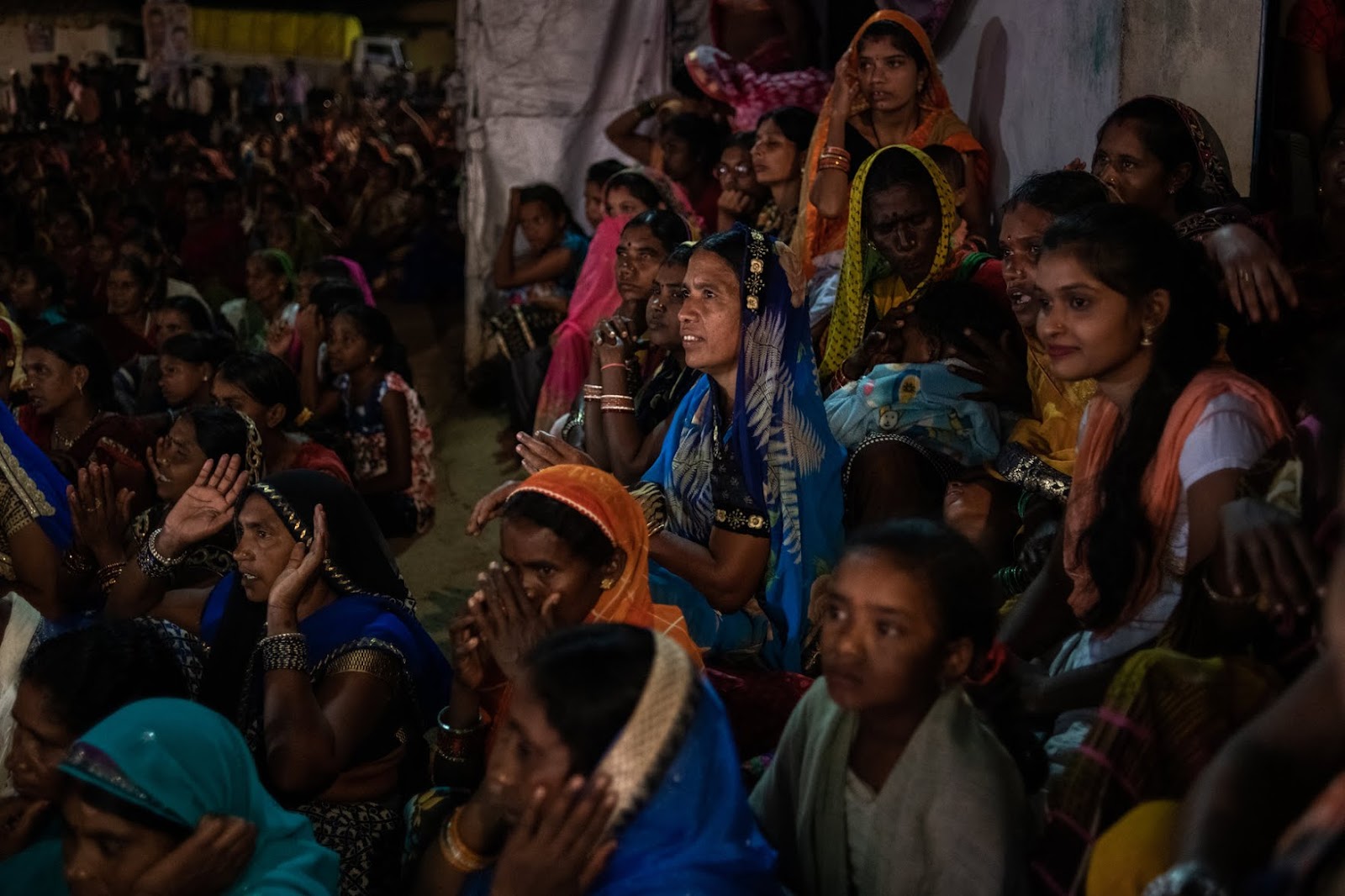
Source: Rebecca Conway for The New York Times. (Villagers enjoying the songs by Ms. Laxmi Dubey, who vows to create a foot army for the liberation of India and make it a Hindu nation).
Increasing Popularity of saffron Pop Music Creating a Threat to Unity and Peace
Popularity of such songs has been increasing fast with a larger fan base. It shows the amplifying influence of hatred on the minds and souls of people. Such songs have intention to bring revolution through Hindutva pop.
Major themes for these songs are like stone pelting in Kashmir, cow slaughtering, love-jihad, chanting Hindu slogans, temple issue and Muslim immigrants.
Even current issues which already are instigating fear and intimidation among Muslims are tuning and becoming viral with these songs. Like, one such song released on Mayur Music, a popular Hindutva pop music channel is “Hijab Hijab Kyun Karti Ho Jab rehti ho Hindustan main (why do you insist on the Hijab when you stay in India)”.
Hence, songs on these current issues are making Hindutva pop even more popular and growing fast.
These songs are clearly supporting the hate politics based on divisive forces. Far right political groups who gets benefit from hindu-muslim politics are encouraging such singers with awards and funds. Mostly these songs promote hindu majoritarian politics.
Hindutva Pop Again Rising Islamophobia with Hate Speech and Anti-Muslim Rhetoric
Such songs are fuelling the rising sentiments for islamophobia. It encourages people to use religiously extremist views and comments on social media platforms and campaigns. Such songs are openly at display on YouTube channels and shared by users. Lyrics of these devotional songs contains hate, abuse and even threat for genocide targeted for Muslim minority people. Polarisation has been increasing fast with attacks and politics against Muslims.
“Insaan nahi ho saalo, ho tum kasaayi; Bahut ho chuka Hindu-Muslim bhai bhai” – You are not human, you are butchers; it’s enough of Hindu-Muslim brotherhood.
These are the lyrics of one of the devotional songs “bhajan” sung by Prem Krishnavanshi which are being posted on YouTube and are seen thousands of times.
It is unrealistic to imagine that these kinds of comments would not trigger attacks and hate towards Muslims. it is obvious that these songs will only create attacks and counter attacks resulting in disharmony in the country.
People would become envious, suspicious and hateful towards each other.
Contemporary hate politics is the biggest reason for the promotion of such music.
It is becoming a mass culture in India to play and enjoy anti-muslim songs by Hindu supremacist groups.
Although Hindutva music is still not mainstream music, it is gaining popularity very fast. It is a matter of concern that such music is becoming seen as normal by many people. They are accepting and promoting it. Hindu far right groups repeatedly threatened Muslims through citizenship status. Even some of the government dignitaries called migrants as termites. They encouraged violence against those accused of cow slaughtering (in India mostly butchers are the Muslims and other low caste people). Muslims and other minority groups are in fear that there might be attacks on them if they do not display extreme patriotism or Hindu religious fervour. These fear tendencies are damaging the secular foundation of India.
Cultural Products like Poetry, Music, Cinema and Art are Becoming Tools for Hatred
Cultural products like music, poetry, art and cinema have always been a medium to connect people. It has been the glory of India where people of multiple religions live together and share common culture. It is unimaginable for the future generations to witness such hateful and attacking cultural products. What they would imbibe from the past generations. Is it right on our part to pass hatred, slaughter and ways of killing each other to our innocent children?
We are only losing our culture, intellect and diversity with rising conflicts and hate.
We need to stop all kinds of efforts that create divisive forces and would force people to kill and hate each other.
Consequently, police should charge such lyrics which propagate tensions among communities. police can lodge FIRs and cases under sections of Indian Penal Code (IPC). These can be like that of IPC 153A (promoting hatred among religious groups) and IPC 295A for promoting enmity on the grounds of religion.
Although, police have arrested many of the singers who invoke killings of those who do not chant “Jai Shri Ram” means hail lord Ram. But still Hindutva songs and music are using these kinds of lyrics openly.
Only random arrests would not stop such provocations. Hence, it is the high time for the legislative bodies in India to frame guidelines for all the cases of communal hatred. Any form of communication that provokes disharmony in society need to be stop. It is especially now a responsibility for the governments and administration to make efforts and eliminate tendencies for rising islamophobia.
Else, Hindutva pop can become a reason for widespread anxiety among religious groups.
Featured
Gaza on the Brink Again: How the Rafah Border Closure Is Pushing 2 Million People Toward Extreme Hunger


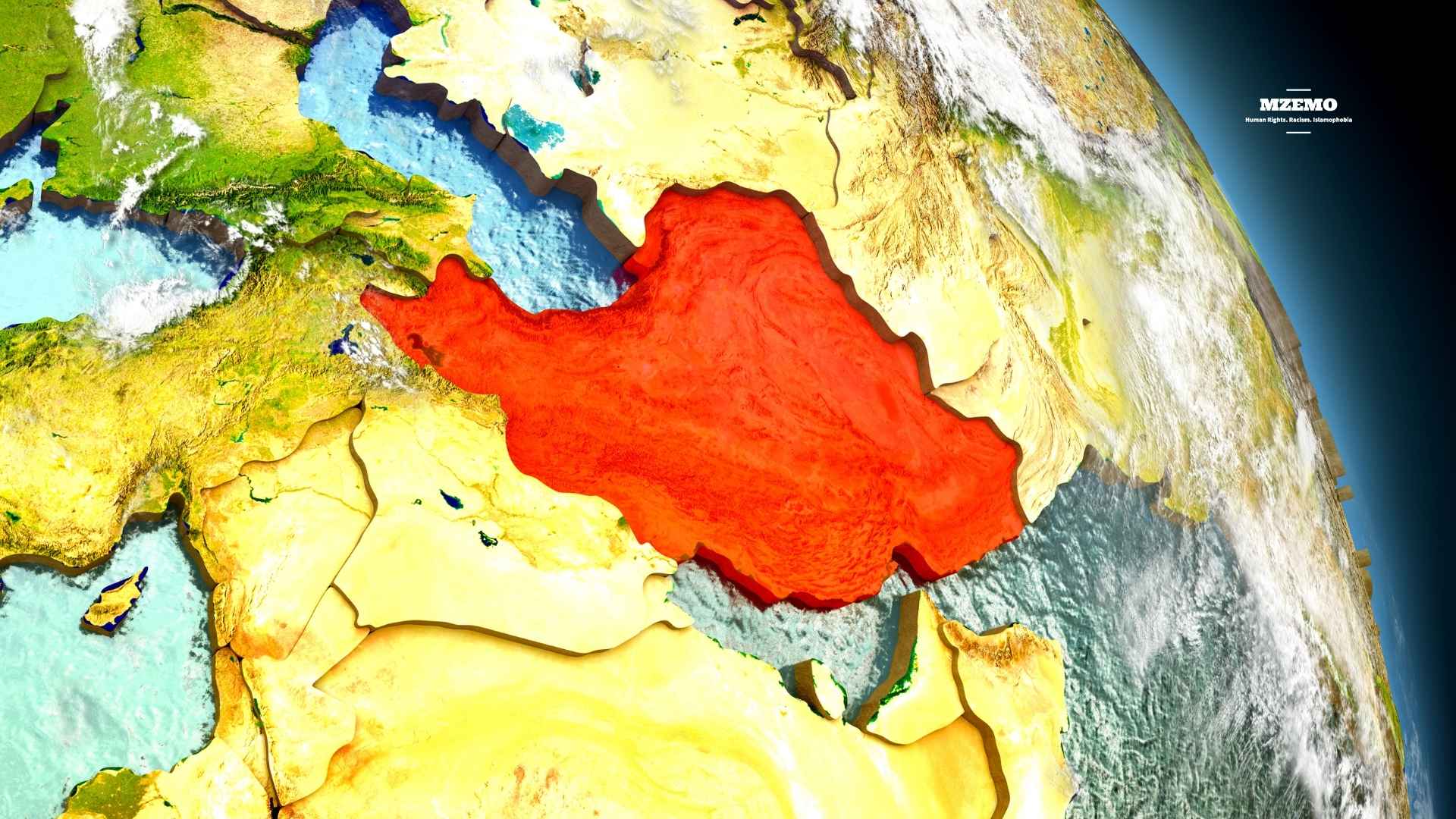
Across the globe, there are two dominating crisis headlines today: Israel’s blatant genocide in Gaza and the ongoing war between Israel-US and Iran. This war is undoubtedly imposed by Israel and the United States, labeling it necessary for peace.
Western governments and media houses frame their policies around the language of “security” and “stability”. There is a pattern of double standards that undermines international law, credibility, and humanity.
On one side stands Gaza, where more than 2.2 million Palestinians are being killed by Israel. It has produced one of the worst humanitarian catastrophes of the 21st Century. On the other hand, stands Iran, a country that is signatory to the Nuclear Non-Proliferation Treaty (NPT) yet faces sanctions, threats, and even attacks on its civilians.
Why are some countries given carte blanche and strategic exceptions while others face relentless punishment?
Gaza: A Genocide in Plain Sight
Since the beginning of Israel’s large-scale assault on Gaza, the humanitarian impact has been staggering. According to Palestinian health authorities and international humanitarian organizations, more than 80,000 Palestinians have been killed, with a large proportion of the victims being women and children.
Entire neighborhoods across Gaza have been reduced to rubble. The United Nations reports that the vast majority of Gaza’s population has been displaced, many of them forced to move multiple times as Israeli military operations expanded across the territory.
This is the purest form of genocide in modern human history. The scale of destruction, starvation, and forced displacement goes far beyond conventional warfare. However, not all media groups are showing the real picture. Western media is showing its unquestioned support for Israel even during the most heinous crimes against humanity.
Western Silence and Political Protection
The United States remains Israel’s closest international ally. According to data from the U.S. Congressional Research Service, Washington provides Israel with approximately $3.8 billion in annual military assistance under long term defense agreements.
Beyond military aid, Western governments have repeatedly shielded Israel from international accountability. In diplomatic arenas such as the United Nations Security Council, attempts to impose sanctions or demand ceasefires have often been blocked or diluted.
This pattern represents a profound contradiction: while Western leaders frequently emphasize human rights and international law, their response to the devastation in Gaza appears far more restrained than in other global conflicts.

Israel’s Nuclear Arsenal: The Middle East’s Open Secret
Another major source of controversy lies in the nuclear dimension of Middle Eastern politics.
Israel is widely believed by international experts to possess between 80 and 200 nuclear warheads, developed through its long-standing nuclear program centered around the Dimona facility in the Negev desert.
Yet Israel maintains a policy known as “nuclear ambiguity” — neither confirming nor denying the existence of its nuclear arsenal.
More importantly, Israel is not a signatory to the Nuclear Non-Proliferation Treaty (NPT), the global framework designed to prevent the spread of nuclear weapons.
Just because it operates outside the NPT system, Israel’s nuclear facilities are not subject to full international inspections by the International Atomic Energy Agency (IAEA).
Despite this reality, Western governments rarely criticize Israel’s nuclear capabilities or call for sanctions related to its weapons program.
Iran and the Nuclear Non-Proliferation Treaty
On the other hand, Iran’s nuclear program exists in a very different legal context.
Unlike Israel, Iran signed and ratified the Nuclear Non-Proliferation Treaty in 1970, which means it is legally permitted to pursue nuclear technology for peaceful purposes such as energy production and scientific research.
Under the NPT framework, Iran’s nuclear facilities are supposed to operate under international monitoring by the International Atomic Energy Agency (IAEA).
Nevertheless, Iran has faced decades of economic sanctions and intense political pressure from Western governments, which argue that its uranium enrichment activities could eventually lead to nuclear weapons development. However, Iranian officials insist that their nuclear program is intended solely for civilian purposes.
Attacks on Iran and the Broader Muslim World
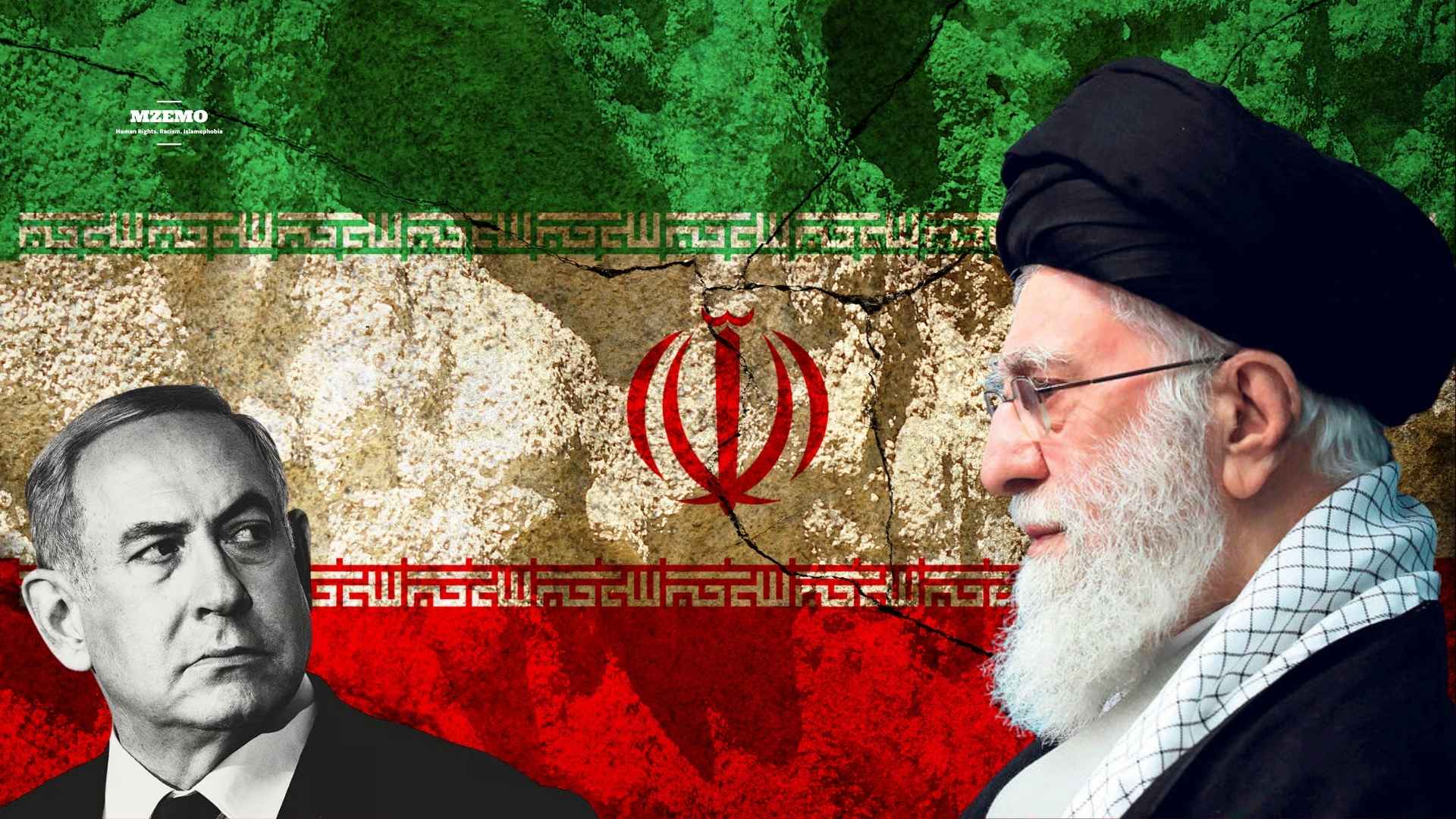
Recent tensions have further escalated the crisis. Israel and the United States have carried out strikes targeting Iranian nuclear facilities, including sites associated with uranium enrichment. The assassination of Iran’s Supreme Leader Ayatollah Ali Khamenei, along with other high-ranking officials show how brutal these strikes are.
Just like in Gaza, Iran’s civilians are also being attacked. One such example is the recent bombing of a girls’ school in Iran in which more than a hundred innocent children and teachers were killed. Such attacks raise serious concerns among international security experts.
Moreover, striking nuclear infrastructure carries enormous risks, including the possibility of radioactive contamination and the potential collapse of global nuclear non-proliferation efforts. Some analysts argue that military attacks on nuclear facilities could actually push targeted states to accelerate weapons development rather than abandon it.
Ultimately, these strikes represent another example of selective enforcement of international norms.
From Gaza to Tehran: A Crisis of Global Credibility
The combined effect of these policies has produced a growing crisis of credibility for the international system.
International law is being applied selectively, enforced strictly against adversaries, while ignored when allies are involved.
From the ruins of Gaza to the nuclear facilities of Iran, the politics of power continue to shape the Middle East in profound ways.
For millions of people across the region, the question is not merely about military strategy or diplomatic rivalry. It is about whether international law truly applies equally to all nations — or whether global justice remains dependent on political alliances.
Until those questions are addressed, the perception of double standards will continue to fuel anger, instability, and distrust across the Middle East and beyond.
Crimes Against Humanity
Shockwaves Across the Gulf: How the US–Israel Strike on Iran Could Redraw the Region
-
 Featured2 years ago
World passively watching as Israel perpetrates open-ended massacre in Gaza
-
Featured3 years ago
Argentina wins the World Cup; are there any other winners?
-
Featured2 years ago
Israel is Hiding Crucial Demographic Facts About Palestinians
-
Featured5 years ago
History of the Ottoman Empire
-
Featured3 years ago
Christian militia infiltrate Lebanon
-
Featured5 years ago
“Do Not Waste Water Even If You Were at a Running Stream” Prophet Muhammad
-
Featured2 years ago
Muhammed: The Greatest Man to walk on Earth
-
Featured4 years ago
World Leaders Remain Silent Over Human Rights Violations in the UAE














