Connect with us

Featured

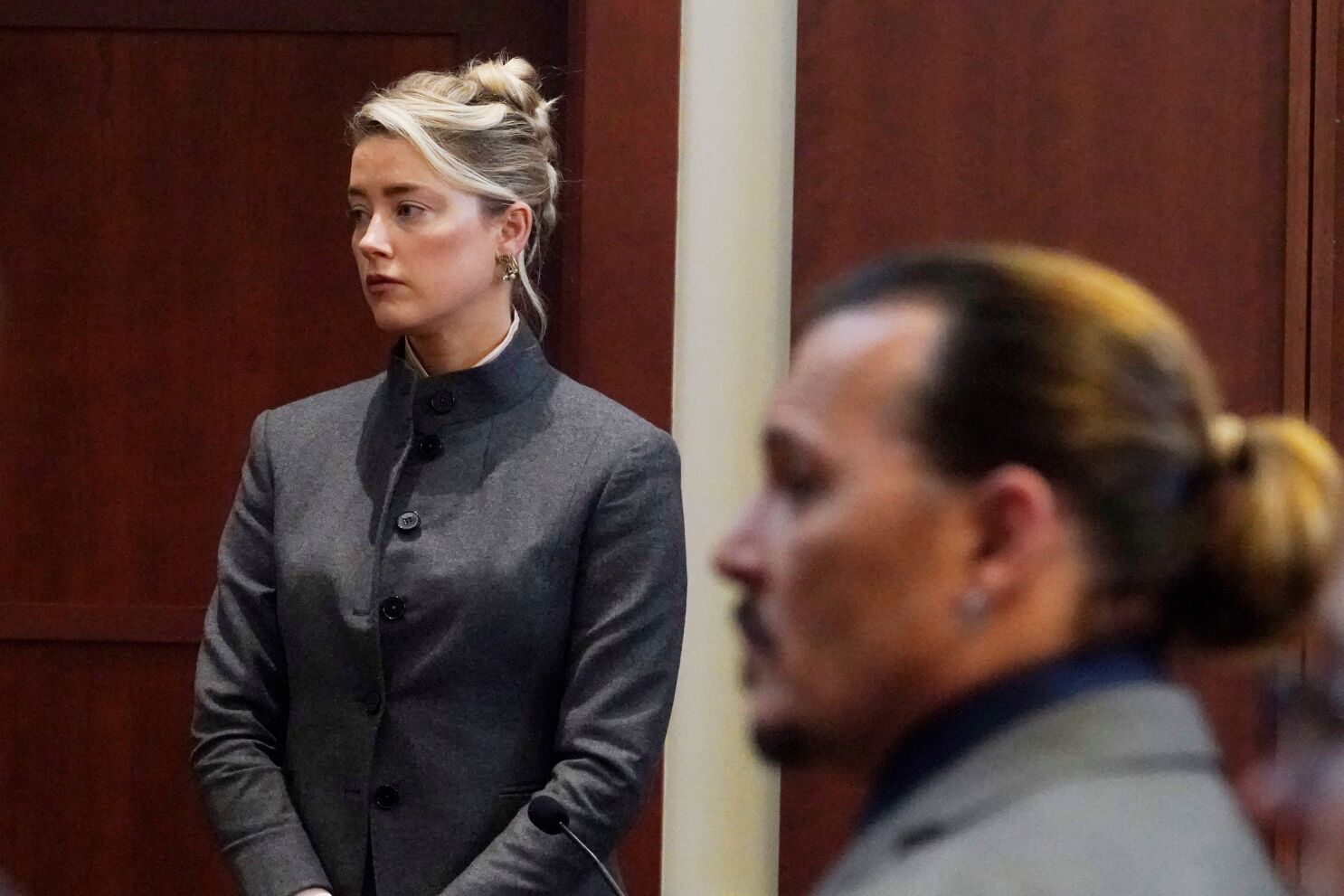
Amber Heard & Johnny Depp Case: A Mirror to Our Overly Toxic Culture

Published

on

The bitter defamation battle of Hollywood starring Amber Heard & Johnny Depp has finally come to an end. The verdict is in: Johnny Depp has defeated his ex-wife in the defamation of a multi-million dollar lawsuit.

However, with the inescapable media coverage, the high-profile domestic violence case has gripped the world. While many have been following the news as a mere celebrity drama; the verdict has given rise to a full-blown discussion about ‘toxic feminism’ and gendered violence.

The case also raises many uncomfortable questions: How will the verdict impact domestic violence victims and survivors in the long run? Will the case spark a reversal of the feminist movement? And how true crime has desensitized us to a line between entertainment and actual legal proceedings?

Amber Heard and Johnny Depp Defamation Case: An Overview

Before hopping into the wild discussion of “he said, she said“, and how the Depp-Heard case highlights our deep-rooted toxic culture; here’s is a quick overview of the Amber Heard and Johnny Depp defamation Case:

Depp sued Amber Heard for $50 million in defamation, claiming that an op-ed she penned in The Washington Post in 2018 harmed his reputation and career. Heard characterized herself as “a public figure symbolizing domestic abuse” in the piece.

Amber Heard & Johnny Depp Trial

However, according to Heard’s lawyers; the majority of the statement is about public policy on domestic abuse, and she has a First Amendment right to comment on it. Furthermore, Heard countersued Depp for $100 million, alleging that Depp’s lawyer defamed her by dismissing her assault accusations as a fake. Amber also claims that Depp physically abused Heard.

The Epidemic of Gendered Violence: The Outpouring Radical Public Reaction

There are no gray areas when it comes to social media; one is either a victim or an aggressor. However, the judicial system is unprepared to cope with such a situation. Its goal is to convict one person while proving the other innocent. Therefore, in most public forums, that binary radicalization is unavoidable.

However, in reality, both Johnny Depp and Amber Heard have flawed slates. Mountain of evidence highlights that both allegedly abused each other verbally and physically.

Where Heard is accused of Photoshopping bruises onto images of her injuries from Depp’s purported beatings; A text conversation with friends has also disclosed Johnny Depp’s fantasy of murdering his then-wife Amber Heard. One of Depp’s texts read, “I’ll f*** her burnt corpse afterward to make sure she is dead.

Bruised Amber Heard
Bruised Amber Heard Source: Independent

However, over the past televised six weeks trial, many of those who tuned in to watch the trial live-streamed online have attacked Heard with the same disrespect that Depp exhibited in his texts.

The facts of the case do not support these conspiracy ideas, but that hasn’t prevented them from spreading. The story has taken on a mythic quality online, and some continue to believe in Depp’s innocence despite the evidence.

Throughout the trial, and even more so after it was over; the case was used to intimidate and silence women who spoke out against domestic violence and sexual assault. However, when it comes to systematic male violence or abuse, Amber Heard has become the greatest trump card to play.

A Death of #MeToo: Amber Heard & the Reversal of the Feminist Movements

Do you recall the hashtag #MeToo? #TimeIsUp? #BelieveWomen #EnoughisEnough? The world was on the verge of a major change only five years ago. Finally turning the tide against culturally-rooted sexism.

The me-too movement broke new grounds for abuse against women and empowering women’s rights. But the Depp-Heard case raises the question: Are we witnessing the beginning of a violent backlash that will reverse all the gains in the area of women empowerment over the years?

Social media revering to the idea that Heard was lying fuels a dangerous myth that manipulation and lying are common actions of women facing domestic abuse. However, in reality, according to Jaffee et al., Family Court Review; a false allegation of spousal abuse is much less common than the problem of genuine failing to report it.

The “Beleive Women,” a famous me-too slogan, doesn’t glorify the idea of trusting every woman. But our default should be to believe women when they speak up instead of rushing to attack their character.

Society cares more about anomalies than the systemic nature of gendered violence and domestic abuse. And, it is horrifying to think how the symbolic fall out of the case may deject abused and dis-empower victims across the globe.

The Social Media and Stardom Factor: Dangerous Waters

For over three decades, Johnny Depp has been one of Hollywood’s most iconic, celebrated, and beloved actors. And this trial highlights how star powers like his can lead to para-social relationships and blur our judgment.

Laurel Anderson, the couple’s marriage counselor, has testified that both Johnny Depp and Amber Heard engaged in mutual abuse.

However, the years of watching the legendary actor as a compassionate on-screen presence have undoubtedly contributed to the instant judgment of placing victim credit on Amber. People aren’t viewing him as an actual human but as an extension of his movie roles.

Johnny Depp and Amber Heard

The fact that the Depp-Heard case was streamed live on youtube makes audience engagement with it easier than ever. Furthermore, it intersects with true crime going into a marketable mainstream entertainment genre.

Where previously the nuts and bolts of trial proceedings used to be known only to experts, today, there is a large audience who feels familiar with the processes and emboldens to comment on them.

And while true crime reports do educate people on some legal proceedings. The consequence of mainstreaming the genre is that it can tempt us to reduce complicated cases into something simple and digestible.

With the Depp-Heard case and its stream of mems and reactions, we consume real trials as bite-sized entertainment. Furthermore, the lightning-fast verdicts by the majority often leave us unable to weigh the complete facts in a measured and impartial manner.

The Horrifying Aftermath

For very long, domestic violence victims who have picked up the courage to speak up against patriarchy have been tortured, cursed, and abused for voicing their struggles.

One in every four women experiencing intimate partner abuse is unlikely to speak up. And given the outpouring of hostility directed towards Heard, more women are already petrified to disclose the abuse, let alone file a lawsuit.

After seeing Heard’s online abuse, noted psychologist Dr. Taylor told The Independent that women awaiting similar case hearings are considering retracting or withdrawing.’

The repercussion of Amber Heard’s accusation is already being weaponized by misogynists to fuel the narrative that domestic abuse accusations by women can not be trusted. However, the Depp-Heard case has also highlighted how many don’t actually care about male victims of domestic violence but just to prove that feminism is “toxic” and discredit abused women rather than standing up for the victims, be it male or female.

Amber Heard & Johnny Depp Defamation Case: In Conclusion

There are no heroes in Johnny Depp’s defamation trial against Amber Heard. Instead, the case appears to be about two highly dysfunctional persons whose emotional dysregulation was made tenfold worse by their marital engagement, at least to the casual observer.

However, to most of the social media, it appears to be a simple morality tale: a protagonist brought down by a conniving wench; a good man duped by a terrible woman.

What was a complicated relationship has been reduced to black and white by millions of Depp aficionados who appear to find some greater meaning in defending Captain Jack Sparrow’s dignity — and trashing the lady who dared to accuse him of wrongdoing.

Continue Reading
Click to comment

Leave a Reply

Your email address will not be published. Required fields are marked *

Featured

38,000 Women and Girls Slaughtered: UN Confirms Gendered Impact of Israel’s Gaza Genocide

Published

on

38000-Women-and-Girls-Slaughtered

Shockingly, 47 women and girls are being killed in Gaza every single day. A recent UN report mentioned more than 38,000 women slaughtered by Israel during its heinous genocide. Previously, in 2024, the health ministry in Gaza estimated that 70% of those killed in the war were women and children.

Moreover, the impact on Gaza’s healthcare sector is so severe that death figures are hard to evaluate in real terms. This demonstrates the severity of the gender-based violence that Gaza’s residents are enduring, even after the so-called “ceasefire” in 2026.

Impact of Israel’s Genocide on Women and Girls

The UN Women’s report also documents almost 19,000 injured women and girls who have been permanently disabled from their injuries. The Head of Humanitarian Action at UN Women said: “This is the highest percentage in any conflict to date and the highest percentage of women killed in any conflict ever recorded.”

Several medical professionals who have practiced within the Gaza Strip have reported that most of the breastfeeding mothers have not been able to provide breastmilk for their child due to malnutrition, the loss of a loved one, or lack of medical care.

By early 2026, the official figures from the Ministry of Health in Gaza estimate more than 50,000 women have been killed, but this is most likely an underestimation due to the number of people left under rubble.

There is also credible evidence of sexual violence during the genocide. For instance, in a statement issued in 2024, the United Nations’ Special Representative regarding sexual violence during genocide called for an objective investigation of “credible allegations of sexual assault” of Palestinians in detention, including females being detained by the Israelis.

Maternal Health and Obstetric Care

Pregnant women and new mothers in Gaza are facing a severe maternal healthcare crisis. Hospital infrastructure continues to be bombed by Israeli airstrikes, leaving fewer resources available for providing maternal care. Maternal healthcare resources have also been severely limited, as well as the ability to respond to maternal emergencies.

Women who are giving birth to children are being exposed to an increased risk of maternal death. They are giving birth at healthcare centres that have been partially abolished and are unable to provide surgical intervention. Moreover, some hospitals that are still left lack basic tools such as anaesthesia. The World Health Organisation has been reporting that disruption to the delivery of healthcare and access to medical supplies is directly related to the peak hostilities in northern Gaza.

The UNFPA refers to the Gaza Strip as the most dangerous place in the world for a woman to give birth, due to the increase in the rate of infant mortality. It is reported that an average of 15 women give birth to children outside the hospital per week with no assistance, and if a woman can give birth in a hospital:

  • C-sections were being performed without anaesthesia in many places, as reported by MSF staff from field hospitals.
  • There was an increase in maternal deaths due to hospital closures because of a lack of electricity, surgical services, and staff.

Women’s Right to Food, Water, and Shelter in Gaza

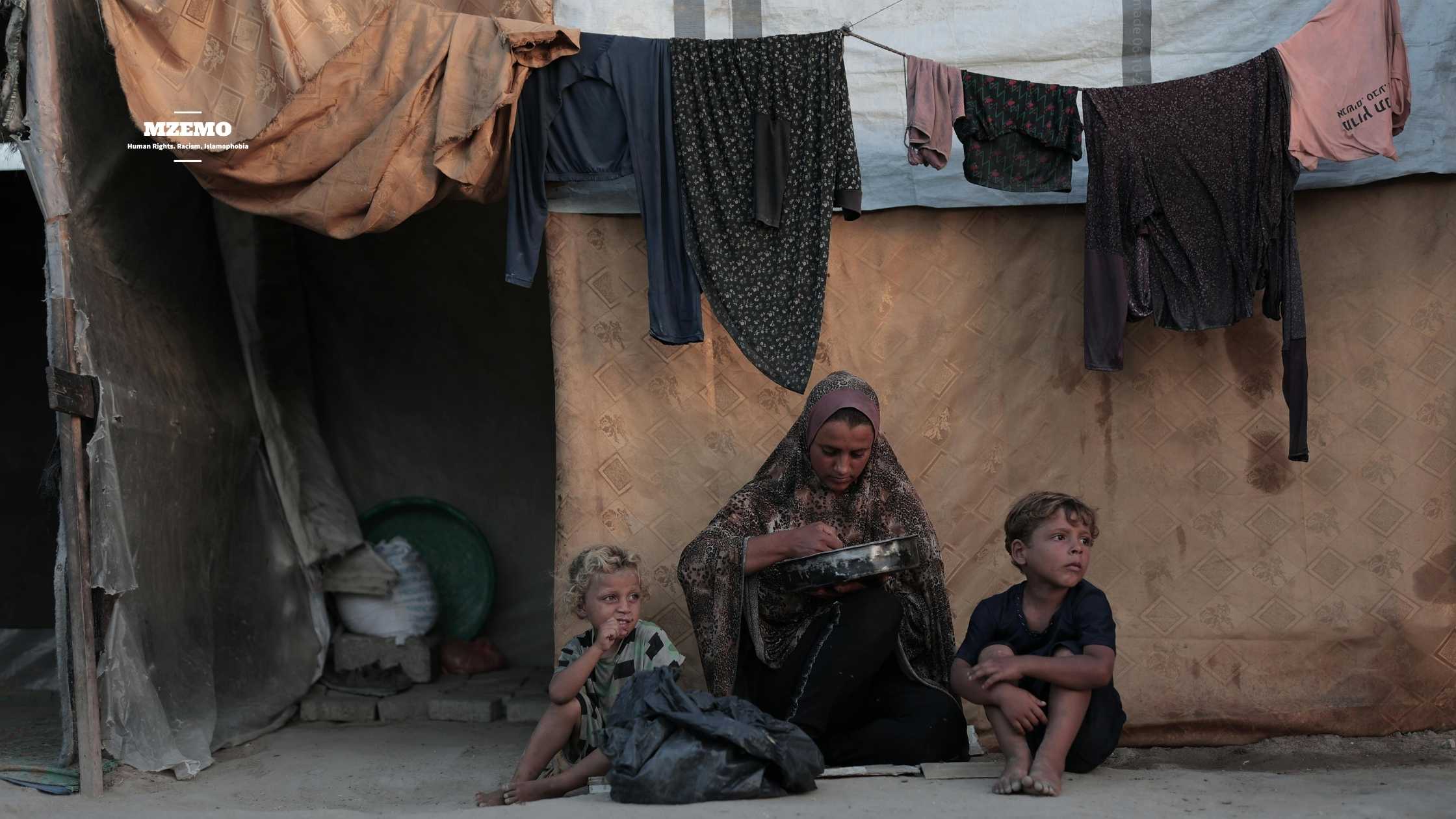
The sieges and destruction of the infrastructure create immense problems for women in particular. Women and men have been forced into shelters with abysmal sanitation. Both UNFPA and UN Women have reported the lack of sanitary products, privacy, and safe water for washing in many displacement sites. These are not insignificant aspects, as for protracted displacement, lack of sanitation and hygiene infrastructure leads to illnesses, poor health, and increased vulnerability.

Additionally, numerous impacts have also occurred due to food insecurity. Pregnant and lactating women have been among the first affected by severe malnutrition. Nearly 790,000 women and girls are living with crisis and catastrophic levels of food insecurity, according to UN Women.

Psychological services are also lacking since most people in Gaza suffer from trauma, according to the World Health Organisation (WHO). Women who have lost their husbands and multiple members of their families are experiencing major problems with their mental health.

Data Does Not Reveal the Suffering and Trauma of Gaza Women

A young Palestinian girl, Mona, described her mother and sister dying instantaneously due to a bomb, and she found “pieces of their bodies“. She reported herself being completely numb, and stories such as hers occurred throughout Gaza. Hind Rajab, a 5-year-old Palestinian girl, was shot 335 times by an Israeli tank. There are a lot of horrific stories of Gaza women.

In a nutshell, women’s rights in Gaza, broadly construed, have been assaulted not just by violence but by the destruction of mechanisms of health care, legal, and other services. This is the starting point for any objective assessment of this unprecedented genocide. It must be stopped before the atrocities of Israel and its allies start to engulf the entire world.

Continue Reading

Featured

Sudan’s War and the Fracturing of the Muslim World: A Crisis Beyond the Headlines

Published

on

Sudans-War-and-the-Fracturing-of-the-Muslim-World_-A-Crisis-Beyond-the-Headlines

The situation in Sudan is now more than just another news story. The conflict, which broke out in April 2023, is now in its fourth year and has left tens of thousands dead, more than 14 million people displaced (nearly a quarter of the population), and pushed the country to the brink of famine. But beyond Sudan’s borders, the war is barely making headlines.

What started as an internal power struggle between two generals has descended into a bloody impasse, rending communities, decimating hospitals, and weaponizing food. Behind the conflict, there’s a bigger story: how this overlooked war is revealing the ugly divisions in the Muslim world. Rather than solidarity, we witness vested interests, selective muteness, and an idealised concept of Muslim unity replaced by geopolitics.

Sudan War 2026: What’s Happening?

The Sudanese war is a battle between two armies:

  • General Abdel Fattah al-Burhan’s Sudanese Armed Forces (SAF)
  • General Mohamed Hamdan Dagalo’s Rapid Support Forces (RSF), also known as “Hemedti.”

The RSF controls most of Darfur and Kordofan, and has solidified its control in most of Khartoum and its surroundings. Contrarily, the SAF controls the north and some of the east, and recently began counterattacks in Omdurman. Both sides are far from victory and the peace table. Humanitarian assistance is being looted and stolen. Furthermore, rape is being reported at a “catastrophic” rate.

  • There are more than 4.4 million refugees in neighbouring nations like Chad, South Sudan, and Egypt.
  • Over 21 million people are in need of humanitarian aid because of famine or malnutrition in areas such as El Fasher and Kadugli.
  • Hospitals and humanitarian assistance are also heavily affected by the conflict with the World Health Organization (WHO) reporting over 200 hospital attacks during the war.

What Caused the Civil War in Sudan?

There are three primary causes behind this unfortunate crisis as follows:

Competition and Conflict among Factions

The military forces in Sudan removed President Omar al-Bashir from power and established a transitional government council made up of two opposing armies, as mentioned earlier. The leaders of these two forces colluded to delay power to a civilian government in 2021, staging a coup.

Political Instability after Regime Change

A short-lived democracy ensued after the revolution of 2019. There were no leaders, parties were torn, and the international community was silent. When Bashir was pushed aside, institutions were filled with armed groups with guns and money.

Economic and Regional Inequalities

Sudan has a long history of disparities. There have been instances of discrimination and attacks on regions, such as Darfur. The poor areas suffered from inflation and a resource war, which ultimately divided Sudan.

Sudan has many resources, such as gold in Darfur and a beautiful Nile Valley. RSF had support in Darfur, whereas SAF in the north and east, as previously highlighted.

Who’s Financing the Conflict?

The other question is who finances the war in Sudan. This is a mixture of domestic and international sources.
Funding sources include:

  • Natural resource funding: The RSF owns many of the gold mines that give it enough resources to fight.
  • Regional Powers: Some states are secretly helping SAF against the massive forces of RSF.

In short, the RSF is suspiciously linked with the United Arab Emirates, which is allegedly involved in arms and gold smuggling in Darfur. However, the UAE denies military aid, but is being sued by Sudan in the International Court of Justice. The RSF has mining profits and a government of the occupied territory.
On the other hand, SAF has Egypt, the Nile, and the border. The legitimate government has the backing of Saudi Arabia and others.

Sudan and the Muslim World in Crisis

The Muslim world has been facing a multi-faceted crisis for the past two years that has similar patterns. There has been international intervention on a scale, wars for resources, failed or failing states, and the international community is divided to tackle the crises. Rather than consensus, there is disunity and division.

The nature of these crises is different, but the common thread is that there is no unity among Muslim-majority countries and organisations.

  • Israel is currently involved in genocidal activities like bombing and starving Gaza. The agreement between Lebanon and Israel was supposed to be kept, yet Lebanon remains vulnerable to attacks and is displaced from reconstruction.
  • Iran is recovering from the war with Israel and the US. It is suffering economically from sanctions, attacks, and trade issues.
  • Yemen and Syria continue to suffer from war, while Pakistan and Bangladesh have experienced political upheaval.

However, the Organisation of Islamic Cooperation has been unable to respond significantly to any of these events.

The Way Forward

Peace involves putting an end to combat and the cessation of fighting between opponents and allowing them to embrace reconciliation. The international community must adopt a new approach to the problem that would involve fewer arms and increased humanitarian aid.

Gaza and Sudan represent a case of uneven consensus among the Muslims. It is therefore the need of the hour to tackle all the challenges with the strong and practical notion of the Muslim Brotherhood.

Continue Reading

Featured

Israel Continues Engineering Starvation Policy in Gaza Despite Ceasefire

Published

on

Israel-Continues-Engineering-Starvation-Policy-in-Gaza-Despite-Ceasefire

It was supposed to be a ceasefire, but Gaza is still suffering. Since the ceasefire began at the end of 2025, UN agencies, independent observers, and even aid workers working to bring food to those in need have noted that aid is being blocked, and distribution points for food items are being deliberately targeted. Additionally, fuel and other essential items are being prevented from entering the state.

One-third of the population goes without food for days at a time, while more than 500,000 people are experiencing extreme famine conditions, and the remaining ones are facing emergency hunger conditions.

What is Engineering Starvation in Gaza?

Starving innocent civilians of food, water, and basic necessities for survival is a War Crime under international humanitarian law. An International Famine Review Committee report has reported that Gaza has been experiencing Famine (Phase 5) since August 2025.

Israel controls the flow of goods into Gaza. It also controls the basic infrastructure required for food systems to operate. Vehicles are restricted from entering certain points. The amount of humanitarian aid entering Gaza today is far less than the level needed to address basic humanitarian needs.

For instance, at least 500-600 trucks per day are required for their humanitarian needs. The lack of fuel is affecting the baking, cold storage, and water industries. They are unable to find suppliers that can meet their needs to keep their businesses running.

Moreover, farmland, greenhouses, and access to fishing have been destroyed or left inaccessible. Gaza’s internal food distribution network has been severely damaged.

Children Bear the Worst of It

Unfortunately, one in five children screened by UNICEF in August 2025 was acutely malnourished, and that number continues to rise.

Children fail to gain weight because their mothers are malnourished too and therefore unable to breastfeed them adequately. They live in a food-deprived environment where tea and bread are the only food available. A single biscuit has to be split into three pieces to survive the hunger crisis in Gaza.

A Fabricated Ceasefire

Apparently, the bombing slowed down, but the policy of starvation did not. There are restrictions on crossings, fuel, and other essentials, and the amount of aid into the Gaza Strip.

Deliberate starvation is being used as a weapon of war

The Reasons Behind These Atrocities

Israel is blatantly going against the norms of International Law, and it is not alone. The United States is also supporting it in doing these heinous atrocities. There are multiple checks to ensure this engineering starvation as follows:

Ultra-Restricted Crossings

The only crossing that is left is Rafah, which is also not completely operational. It is only being used for medical emergencies.

Deliberate Fuel Shortages

Fuel powers the whole food system, and when it remains unavailable:

  • Bakeries stop
  • Transport halts
  • Food rots before it reaches the market.

Damaged Infrastructure Due to the Genocide

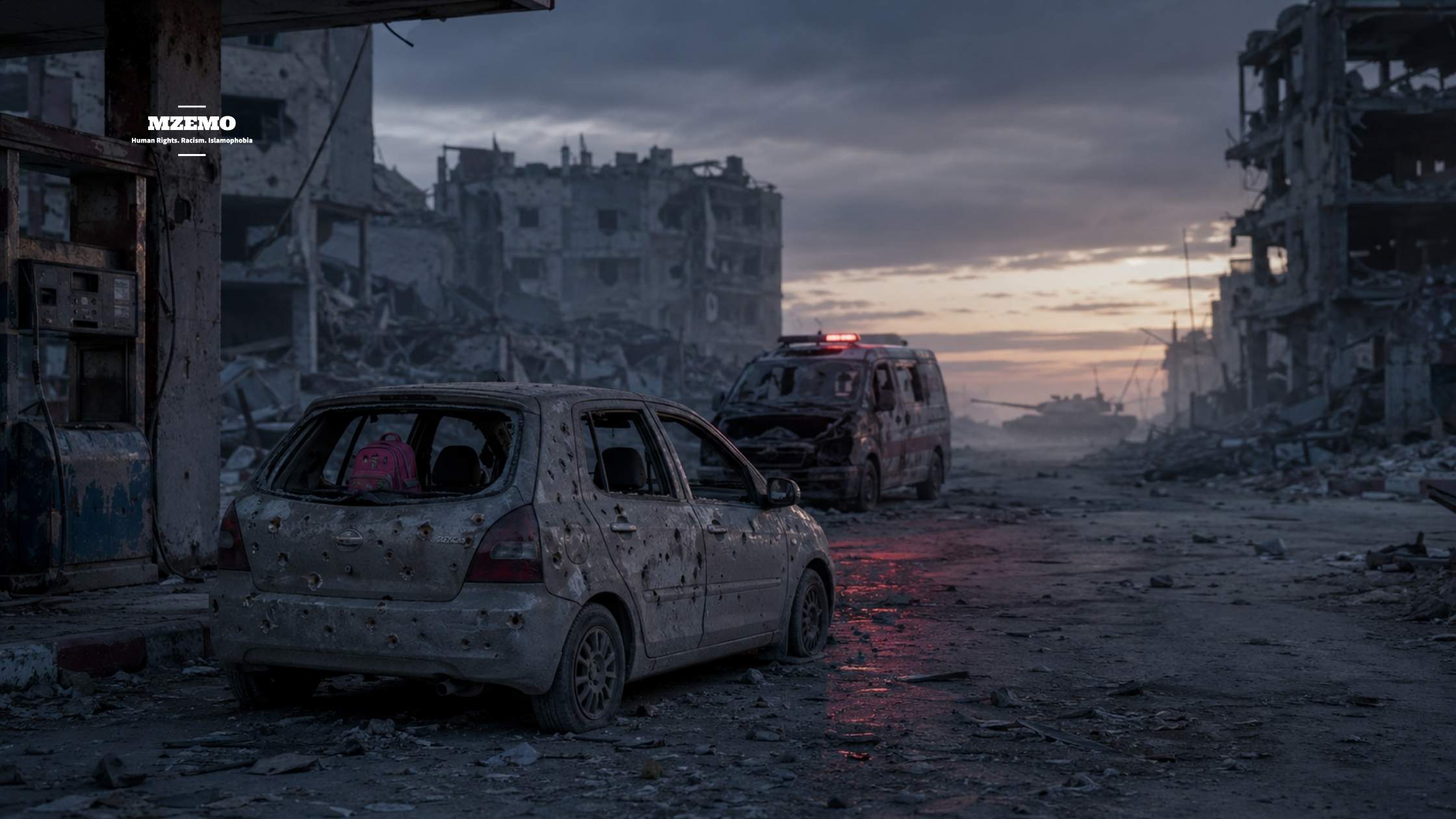
Warehouses, roads, and storage facilities are either completely or partially damaged. Agricultural land has also been destroyed and is inaccessible. Moreover, fishing space is limited as well.

Complete Market Collapse

When supply falls, prices definitely go up. The food becomes unaffordable for the innocent Palestinians and their children.

The Human Cost

In many parts of Gaza, three meals are replaced with one meal, and even some families haven’t had food for days.

Children are malnourished, while parents make trade-offs every day:

  • Going without food so children can eat
  • Splitting a small piece amongst many
  • Waiting for hours for bread or aid

Health services are also under pressure, as malnutrition weakens the immune system. Disease spreads more easily, and people with chronic illnesses struggle to survive. Even after the ceasefire, 1.6 million people are still severely hungry.

Under the Scope of International Humanitarian Law

It is illegal under international law to even starve an enemy. The reports of UN experts and human-rights organisations have pointed out that blocking food and aid breaches the line.

The deliberations go on at the political and legal levels. The end effect is the same: civilians starve.

As per the data analysis:

  • Over 500,000 people are facing famine.
  • 640,000 have been in catastrophic hunger
  • A third have gone for days without food.
  • Rates of child malnutrition have grown rapidly, doubling in months.

This will Go Beyond Gaza

Engineering Starvation will lead to a large hunger crisis in the state, and people will be dying due to famine. If we do not stop the starvation in Gaza, starvation will be used as a weapon in all other battles, and civilians will be viewed as “legitimate targets” caused by famine in the future.

While the ceasefire in Gaza may have apparently come to an end, hunger has certainly not, as the means to get food to the genocidal zone remain difficult. Israel and the United States, which advocate democracy and human rights, should realize the fact that even the life of a single child is important, and their policies will soon turn out to be unsuccessful.

Continue Reading
Advertisement

Trending