Featured
Ukraine War: Understanding the Roots and Cause of the Russia-Ukraine Crisis

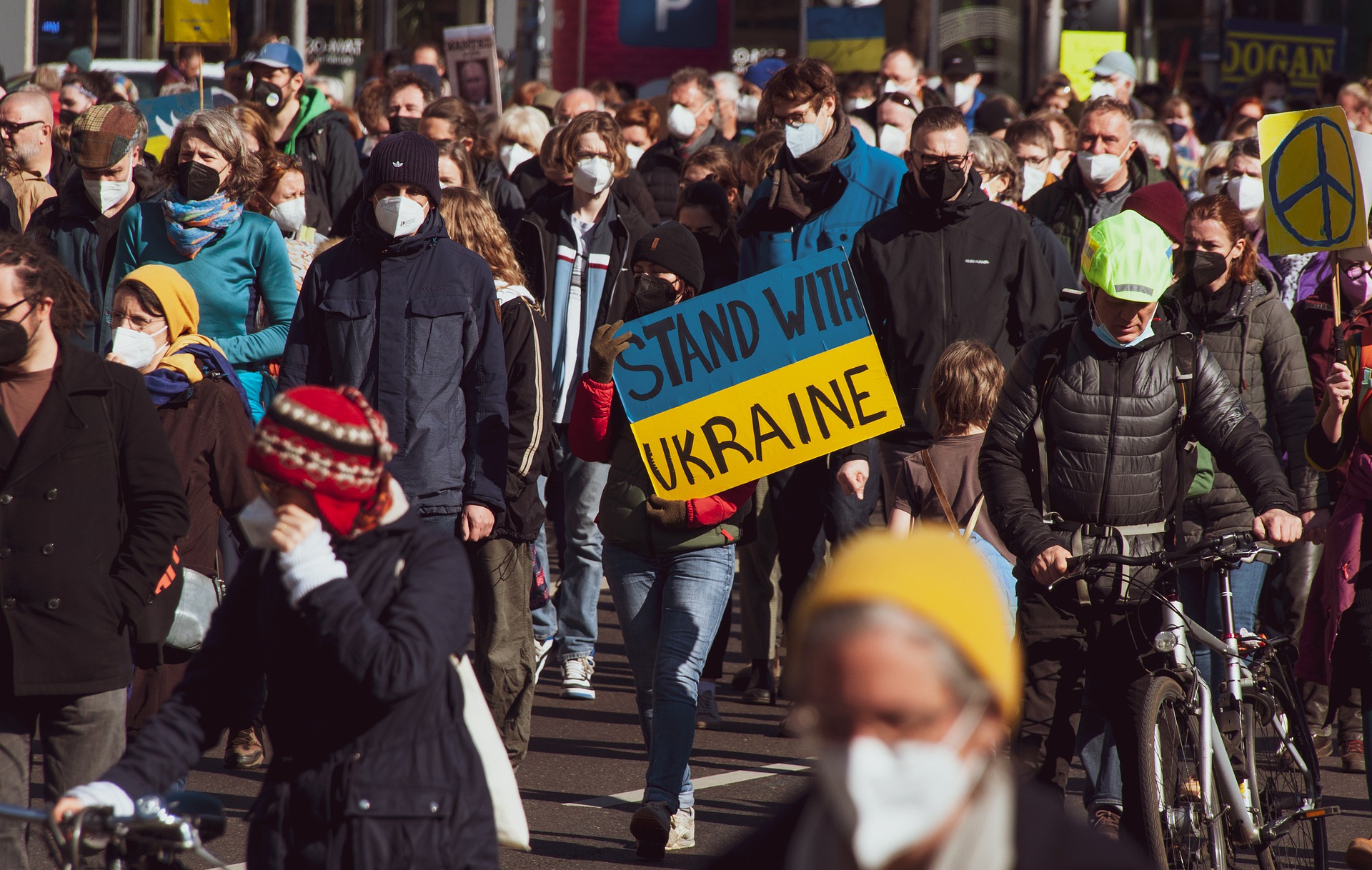
The long-feared Russian invasion of Ukraine continues to rage ever since president Vladimir Putin’s announced “special military operation” against Ukraine on February 24. However, leading by example from the streets of Kyiv, Ukrainian president Volodymyr Zelensky has been tirelessly rallying the international community for support.
But what lead to one of the biggest military invasions of the decade?
History of the Russia-Ukraine Crisis
The current predicament can be better understood when walking back eight years. After Ukraine’s pro-Russian president Viktor Yanukovych was forced out of office by major demonstrations in 2014, Russia seized Ukraine’s Crimean Peninsula.
Weeks later, Russia backed two separatist insurgencies in Ukraine’s east, culminating in pro-Russian insurgents with Donetsk and Luhansk declaring the DPR and LPR independent nations, despite the international community’s complete lack of recognition.
The insurgencies cost 14,000 lives and ravaged Ukraine’s easter industrial heartland, the Donbas.
However, both the West and Ukraine have accused Russia of arming and escalating the separatist movement in the country, but Russia has sided against the accusation.
Also Read: Ukraine War: Arms Suppliers Profiting From the Russia-Ukraine Crisis
France and Germany arranged a 2015 peace pact known as the Minsk II Accord. The 13-point accord required Ukraine to provide separatist areas autonomy and grant insurgents amnesty in exchange for complete control of its Russian border in rebel-held territory.
Fears of a new conflict erupted last year amid a surge in ceasefire violations in the east and a Russian army concentration near Ukraine. Still, tensions eased when Moscow withdrew the bulk of its units after rehearsals in April.
What has led to the Current Crisis?
The worst-case situation has already been realized with Mr. Putin’s declaration of his “special military operation.”
The Kremlin had previously rejected any preparations to invade, a claim that few accepted — and for a good reason.
Even after Russian President Vladimir Putin’s latest announcement, a Russian UN envoy denied that Moscow had any grievances with the Ukrainian people, insisting that only those in power would be targeted.
That has turned out to be completely incorrect.
Western leaders have united in their condemnation of Russia, effectively making it a pariah state on the international stage. Sanctions are expected to cripple the Russian economy, putting renewed pressure on Mr. Putin in the country despite the attempts to censor critical media and nascent protest movements.
Meanwhile, Mr. Biden has attempted to reassure the international community that Russia will face the consequences of its conduct.
What is Putin’s Problem with NATO?
Putin believes the goal of NATO, the Western military alliance of 30 nations, is to fracture and destroy Russian society.
He instructed that NATO go back to 1997 and halt its eastward expansion, remove its soldiers and military facilities from member nations that joined the alliance after 1997, and avoid placing “strike weapons near Russia’s borders” before the conflict.
Mr. Putin is known to hate because he sees Nato’s creeping eastward march since the demise of the Soviet Union in 1989, and he is keen to prevent Ukraine from joining the alliance.
How are the Peace Talks Going on?
President Putin has not abandoned peace talks that have been going on for weeks. Austrian leader Karl Nehammer, the sole Western leader to have visited Putin since the war began, noted the war had plunged into a “logic of war.“
However, despite Russian forces’ crimes on Ukrainian land, Ukraine’s leader has stated that he will continue pursuing dialogue.
“Because Ukraine requires peace. We are in the twenty-first century in Europe “.
And he’s already admitted that his nation won’t be allowed to Nato. So while Mr. Zelensky stated that they don’t want to waste prospects for a diplomatic settlement if we have them, he also cautioned that if Russia kills the last Ukrainian troops fighting in the conflict in Mariupol, then it will mean the end of peace talks.
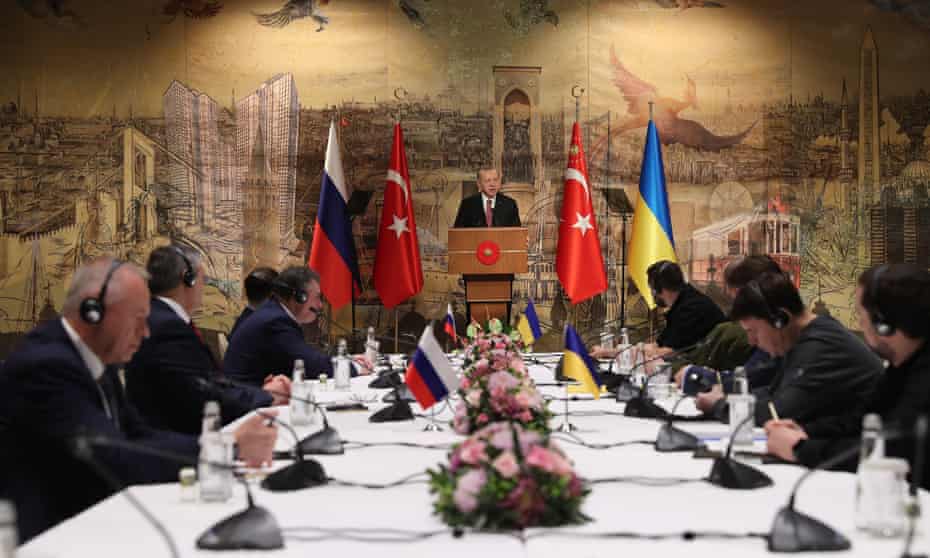
Kyiv proposed the following proposals during negotiations on March 29:
- In the case of an assault, strict, legally enforceable assurances would oblige nations like the United Kingdom, China, the United States, Turkey, France, Canada, Italy, Poland, and Israel to safeguard a neutral Ukraine.
- Ukraine would be able to join the European Union if guarantor states had discussions and came to Ukraine’s defense within three days.
- Ukraine would become a “non-bloc” and “non-nuclear” condition, with no international military facilities or contingents on its soil.
- Ukraine would not join military-political coalitions, and any foreign exercises would be subject to the approval of guarantor countries.
Is Neutrality Enough for Putin?
According to Russia, this “neutral, demilitarised” Ukraine would have its army and navy, similar to Austria or Sweden, both EU members.
There is no clear indication as to whether or not it would suffice or what it would imply. However, despite Austria’s neutrality, Sweden is rumoured to be considering joining NATO.
Ukrainians have pledged neutrality in exchange for security guarantees from allies. Putin has nonetheless stated that peace talks have ceased. As a result, Putin may still harbour ambitions to reintegrate Ukraine into Russia’s area of influence, away from its Western orientation.
Since Ukraine gained independence in 1991, it has increasingly turned to the West, both the EU and Nato.
The collapse of the Soviet Union was viewed as the “disintegration of historical Russia” by Russia’s Putin, who wants to change that. He has argued that Russians and Ukrainians are one people, ignoring Ukraine’s ancient history and dismissing the country’s independence as an “anti-Russia endeavour.” In addition, he said that “Ukraine never had durable traditions of actual statehood.”
His pressure on Viktor Yanukovych, Ukraine’s pro-Russian president, to not sign a deal with the European Union in 2013 sparked riots that culminated in the president’s ouster in February 2014.
After seizing Crimea in Ukraine’s south, Russia sparked a separatist revolt in the east and a conflict that killed 14,000 lives.
He tore up an unfulfilled 2015 Minsk peace pact as he prepared to invade in February, accusing Nato of jeopardizing “our historic future as a nation,” asserting without evidence that Nato members sought to bring the war to Crimea.
What is the Current Situation of the Russia-Ukraine Crisis?
The Russian invasion of Ukraine has progressed to a new stage. After facing stiff opposition from the Ukrainian military, Russian forces have shifted their focus to the south and east of the nation, where they will launch a new onslaught, hitting civilian targets and residential neighbourhoods.
Meanwhile, Ukraine claims to have discovered evidence of war crimes committed under Russian control in Bucha and other towns near Kyiv. Four million people have fled Ukraine due to Russian strikes on population centres.
Also Read: Russia-Ukraine Crisis: Russia Committing War Crimes in Ukraine War?
The United States and its NATO allies supply military weaponry to Ukraine and have imposed sanctions and other punitive measures on Russian President Vladimir Putin. President Biden has accused Putin of war crimes and called the invasion a “genocide,” adding Putin is “trying to wipe out the notion of being Ukrainian.” However, his comments were deemed unacceptable by the Kremlin.
While Mr. Putin has recognized Russia’s economic effect, he has shown no sign of bending to pressure to cease the conflict. As a result, the two sides have been unable to reach an agreement.
Featured
Gaza on the Brink Again: How the Rafah Border Closure Is Pushing 2 Million People Toward Extreme Hunger


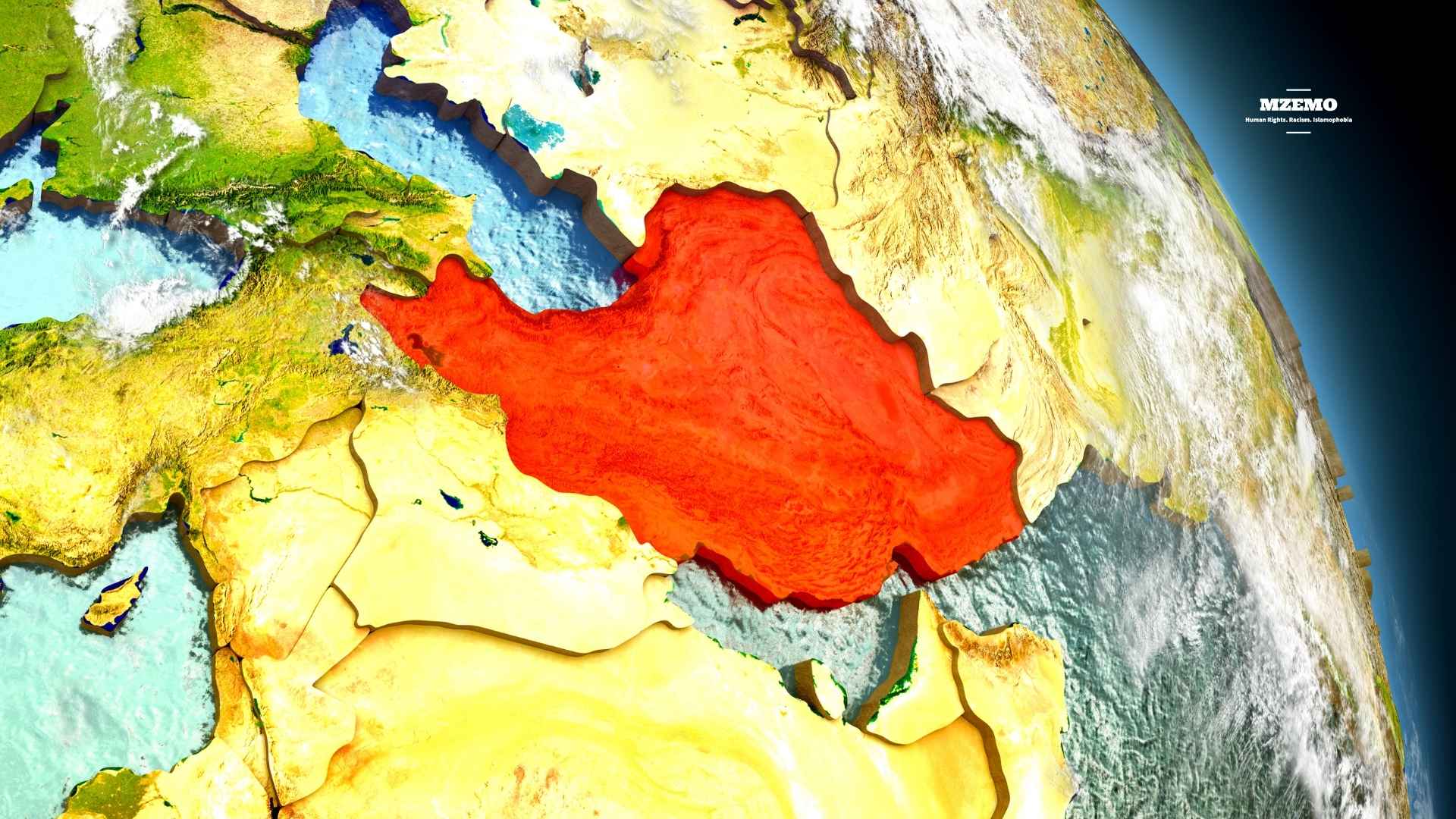
Across the globe, there are two dominating crisis headlines today: Israel’s blatant genocide in Gaza and the ongoing war between Israel-US and Iran. This war is undoubtedly imposed by Israel and the United States, labeling it necessary for peace.
Western governments and media houses frame their policies around the language of “security” and “stability”. There is a pattern of double standards that undermines international law, credibility, and humanity.
On one side stands Gaza, where more than 2.2 million Palestinians are being killed by Israel. It has produced one of the worst humanitarian catastrophes of the 21st Century. On the other hand, stands Iran, a country that is signatory to the Nuclear Non-Proliferation Treaty (NPT) yet faces sanctions, threats, and even attacks on its civilians.
Why are some countries given carte blanche and strategic exceptions while others face relentless punishment?
Gaza: A Genocide in Plain Sight
Since the beginning of Israel’s large-scale assault on Gaza, the humanitarian impact has been staggering. According to Palestinian health authorities and international humanitarian organizations, more than 80,000 Palestinians have been killed, with a large proportion of the victims being women and children.
Entire neighborhoods across Gaza have been reduced to rubble. The United Nations reports that the vast majority of Gaza’s population has been displaced, many of them forced to move multiple times as Israeli military operations expanded across the territory.
This is the purest form of genocide in modern human history. The scale of destruction, starvation, and forced displacement goes far beyond conventional warfare. However, not all media groups are showing the real picture. Western media is showing its unquestioned support for Israel even during the most heinous crimes against humanity.
Western Silence and Political Protection
The United States remains Israel’s closest international ally. According to data from the U.S. Congressional Research Service, Washington provides Israel with approximately $3.8 billion in annual military assistance under long term defense agreements.
Beyond military aid, Western governments have repeatedly shielded Israel from international accountability. In diplomatic arenas such as the United Nations Security Council, attempts to impose sanctions or demand ceasefires have often been blocked or diluted.
This pattern represents a profound contradiction: while Western leaders frequently emphasize human rights and international law, their response to the devastation in Gaza appears far more restrained than in other global conflicts.

Israel’s Nuclear Arsenal: The Middle East’s Open Secret
Another major source of controversy lies in the nuclear dimension of Middle Eastern politics.
Israel is widely believed by international experts to possess between 80 and 200 nuclear warheads, developed through its long-standing nuclear program centered around the Dimona facility in the Negev desert.
Yet Israel maintains a policy known as “nuclear ambiguity” — neither confirming nor denying the existence of its nuclear arsenal.
More importantly, Israel is not a signatory to the Nuclear Non-Proliferation Treaty (NPT), the global framework designed to prevent the spread of nuclear weapons.
Just because it operates outside the NPT system, Israel’s nuclear facilities are not subject to full international inspections by the International Atomic Energy Agency (IAEA).
Despite this reality, Western governments rarely criticize Israel’s nuclear capabilities or call for sanctions related to its weapons program.
Iran and the Nuclear Non-Proliferation Treaty
On the other hand, Iran’s nuclear program exists in a very different legal context.
Unlike Israel, Iran signed and ratified the Nuclear Non-Proliferation Treaty in 1970, which means it is legally permitted to pursue nuclear technology for peaceful purposes such as energy production and scientific research.
Under the NPT framework, Iran’s nuclear facilities are supposed to operate under international monitoring by the International Atomic Energy Agency (IAEA).
Nevertheless, Iran has faced decades of economic sanctions and intense political pressure from Western governments, which argue that its uranium enrichment activities could eventually lead to nuclear weapons development. However, Iranian officials insist that their nuclear program is intended solely for civilian purposes.
Attacks on Iran and the Broader Muslim World
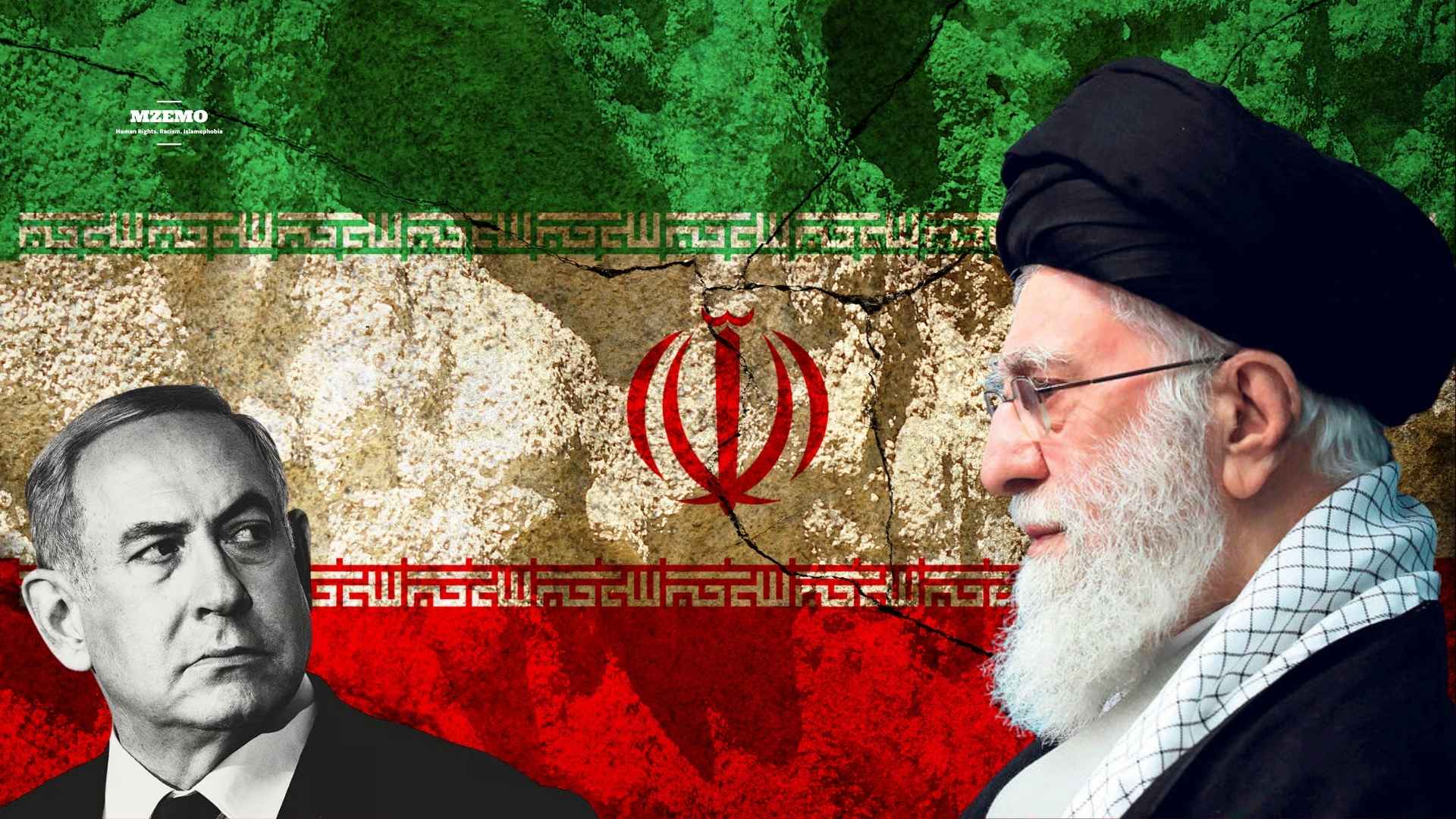
Recent tensions have further escalated the crisis. Israel and the United States have carried out strikes targeting Iranian nuclear facilities, including sites associated with uranium enrichment. The assassination of Iran’s Supreme Leader Ayatollah Ali Khamenei, along with other high-ranking officials show how brutal these strikes are.
Just like in Gaza, Iran’s civilians are also being attacked. One such example is the recent bombing of a girls’ school in Iran in which more than a hundred innocent children and teachers were killed. Such attacks raise serious concerns among international security experts.
Moreover, striking nuclear infrastructure carries enormous risks, including the possibility of radioactive contamination and the potential collapse of global nuclear non-proliferation efforts. Some analysts argue that military attacks on nuclear facilities could actually push targeted states to accelerate weapons development rather than abandon it.
Ultimately, these strikes represent another example of selective enforcement of international norms.
From Gaza to Tehran: A Crisis of Global Credibility
The combined effect of these policies has produced a growing crisis of credibility for the international system.
International law is being applied selectively, enforced strictly against adversaries, while ignored when allies are involved.
From the ruins of Gaza to the nuclear facilities of Iran, the politics of power continue to shape the Middle East in profound ways.
For millions of people across the region, the question is not merely about military strategy or diplomatic rivalry. It is about whether international law truly applies equally to all nations — or whether global justice remains dependent on political alliances.
Until those questions are addressed, the perception of double standards will continue to fuel anger, instability, and distrust across the Middle East and beyond.
Crimes Against Humanity
Shockwaves Across the Gulf: How the US–Israel Strike on Iran Could Redraw the Region
-
 Featured2 years ago
World passively watching as Israel perpetrates open-ended massacre in Gaza
-
Featured3 years ago
Argentina wins the World Cup; are there any other winners?
-
Featured2 years ago
Israel is Hiding Crucial Demographic Facts About Palestinians
-
Featured5 years ago
History of the Ottoman Empire
-
Featured3 years ago
Christian militia infiltrate Lebanon
-
Featured5 years ago
“Do Not Waste Water Even If You Were at a Running Stream” Prophet Muhammad
-
Featured2 years ago
Muhammed: The Greatest Man to walk on Earth
-
Featured4 years ago
World Leaders Remain Silent Over Human Rights Violations in the UAE